Average home prices in these metros fell from $1.04 million to $1.01 million, marking a sharper correction than in the overall national housing market, which remained essentially flat. Listings are also staying on the market longer. Average days on market rose to 73.2 days, up more than 20% compared with last year. Nearly 40% of homes underwent price reductions, signaling an increasingly selective buyer pool.
Home prices in Seattle Typically, home price per square foot in Seattle tend to fall in October. And the most recent data shows that the price per square foot decreased by 0.7% compared with the month before. So, how does this compare with the rest of the U.S.? Nationally, home price per square foot decreased 0.8%, which means price changes in the Emerald City are keeping pace with the national market.
In October, home prices fell moderately from the month before, with a median listing price of $274,950. The number of listings on the market shrank 1.8% from last month, which is a bigger decrease than normal for this time of the year in Wichita, and homes are also selling slower than at the same time last year. Home prices in Wichita Typically, home price per square foot in Wichita tend to rise in October. But the most recent data shows that the price per square foot decreased by 0.2% compared with the month before.
In October, home prices fell slightly from the month before, with a median listing price of $485,000. The number of listings on the market remained practically unchanged from last month, but it is a bigger decrease than normal for this time of the year in Sacramento, and homes are also selling slower than at the same time last year. Typically, home price per square foot in Sacramento tend to fall in October.
In October, home prices rose slightly from the month before, with a median listing price of $375,000. The number of listings on the market grew 2.9% from last month, which is a smaller increase than normal for this time of the year in Tucson, and homes are also selling slower than at the same time last year. Home prices in Tucson Typically, home price per square foot in Tucson tend to fall in October.
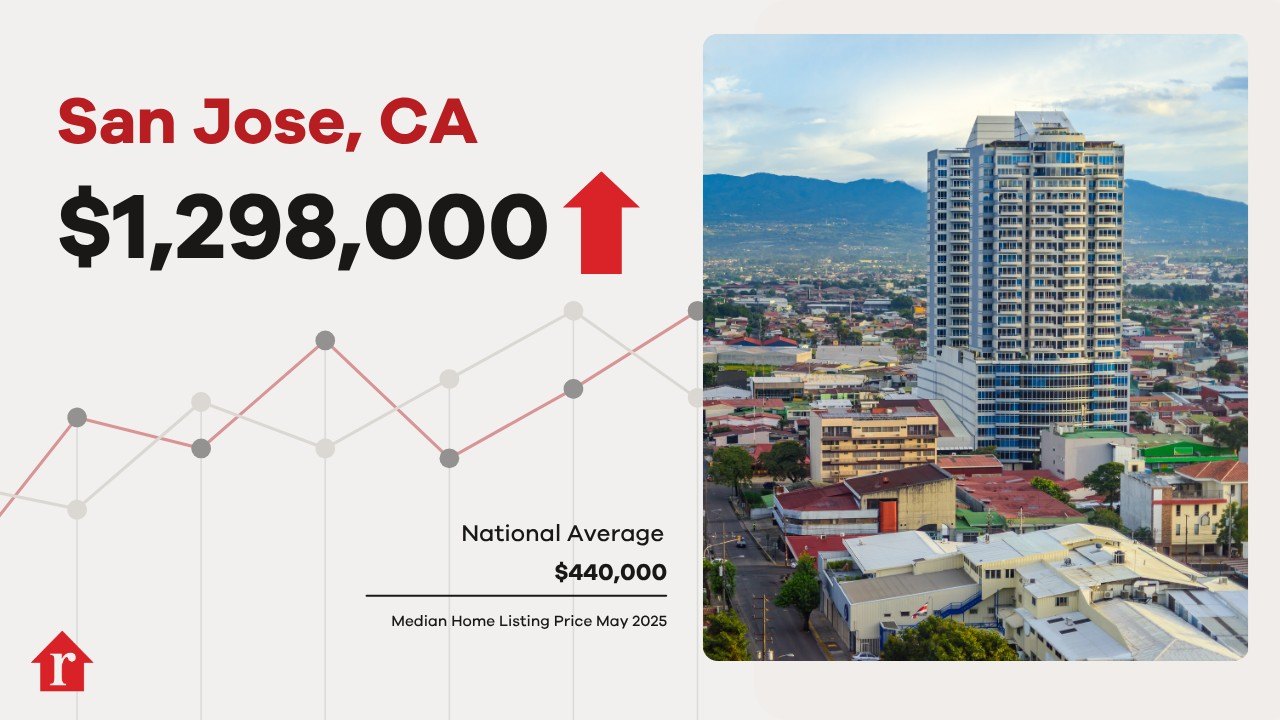
In October, home prices fell slightly from the month before, with a median listing price of $1,193,694. The number of listings on the market shrank 4.9% from last month, which is a bigger decrease than normal for this time of the year in San Jose, and homes are also selling slower than at the same time last year. Typically, home price per square foot in San Jose tend to fall in October.
Nearly half of Grand Rapids, MI metro home sellers reduced asking prices during the week ending Nov. 14, 2025, while the market maintained its position as one of Michigan's fastest-moving housing markets with homes selling 21 days quicker than the state average. The aggressive pricing strategy appears to be working. The metro absorbed 189 homes during the week, up 14.5% from 165 homes during the same period last year. Properties sold in a median 42 days compared to 63 days statewide and 77 days nationally.
Nearly half of all home sellers in the Portland-Vancouver-Hillsboro metro area have slashed their asking prices, marking one of the most aggressive repricing environments in the nation. The latest data from HousingWire shows 49.8% of active listings carried reduced prices as of Nov. 7, 2025, while homes lingered on the market for a median of 84 days. The widespread price cuts signal a fundamental shift in negotiating power as Portland's housing market moves firmly into buyer-favorable territory.
The Austin-Round Rock-San Marcos metro housing market shows a striking disconnect between aggressive price reductions and selling pace, with 53.43% of active listings taking price cuts while homes still require 84 days to sell, according to the latest market data. This paradox positions Austin as an outlier in both Texas and national markets. Despite more than half of sellers reducing prices, the metro's median days on market exceeds the national average of 77 days, though it moves faster than the Texas state median of 91 days.
Connecticut, New Hampshire and New York single-family homes are selling in 51 days compared to 77 days nationally, even as median list prices reach $605,000, a $170,000 premium over the national median of $435,000. The data from the week ending Nov. 1 reveals a market where 36% of active listings have taken price cuts, yet inventory remains constrained at 1.81 months of supply. The tri-state region's median days on market of 51 days outpaces the national figure of 77 days.
In September, home prices remained unchanged from the month before, with a median listing price of $139,900. The number of listings on the market grew 6.0% from last month, which is a bigger increase than normal for this time of the year in Cleveland, and homes are also selling slower than at the same time last year. Home prices in Cleveland
In September, home prices fell moderately from the month before, with a median listing price of $480,000. The number of listings on the market grew 1.6% from last month, which is a smaller increase than normal for this time of the year in Mesa, and homes are also selling slower than at the same time last year. Home prices in Mesa Typically, home price per square foot in Mesa tend to rise in September.
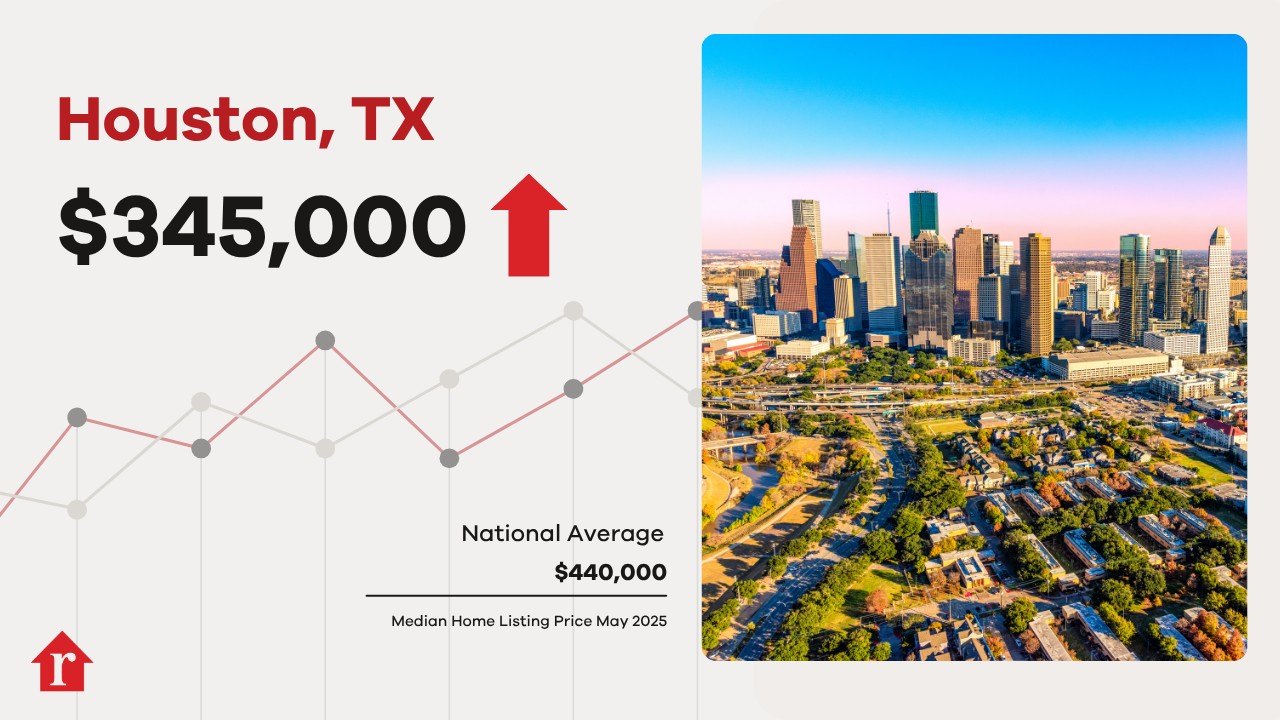
Texas home sellers are facing a slower fall market as listings spend longer on the market and inventory rises across the state. More than 137,000 single-family homes are now active statewide, equal to about 3.7 months of supply. The median list price in Texas is $377,558, with new listings entering slightly lower at $358,450. While pricing remains lower than the national $444,900 median, the state's market shows more competition as supply builds.
Pittsburgh's housing market is showing steady activity as of mid-2025. According to Redfin, the median home sale price in July was $230,000, down about 4.2% year over year, while the median price per square foot is $153, reflecting a 3.8% increase from last year. Homes are taking longer to sell, with an average of 43 days on the market, compared to 34 days a year ago.