Retired Army Special Forces officer Mike Nelson criticized Hegseth's rhetoric, stating, 'That's a necessary end to achieve goals through military force - you have to kill people to achieve them. That's not the end. It's a weird obsession with death for the sake of it.'
Giulio Douhet proposed a revolution in warfare, stating that victory would come from large-scale aerial bombardments targeting civilians and infrastructure rather than just combatants.
All you would need is a ship under a foreign flag positioned offshore to launch hundreds of drones, or even a truck carrying them. When I served as deputy administrator at the National Nuclear Security Administration, overseeing nuclear programs, the drone threat was something we were deeply concerned about.
For most of the twentieth century, airpower was one of the most costly components of military strength. Fighter jets, strategic bombers, and advanced missile systems necessitated massive financial investments, highly skilled personnel, and sophisticated logistical support networks. Only great military forces had the ability to sustain these capabilities.
The first hours of the operation included precision munitions launched from air, land, and sea. Additionally, CENTCOM's Task Force Scorpion Strike employed low-cost one-way attack drones for the first time in combat.
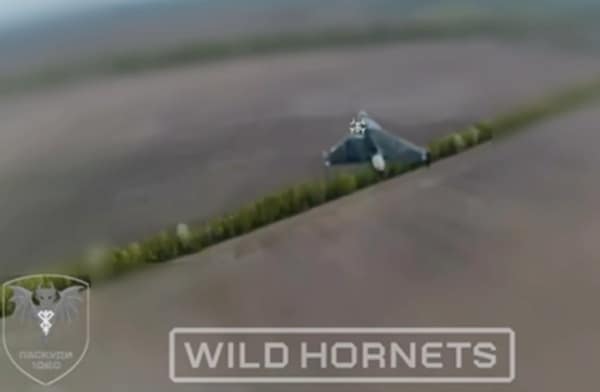
The Low-Cost Unmanned Combat Attack System, or LUCAS, is a one-way attack drone that looks nearly identical to the Iranian-designed Shahed. Russia has used Shaheds extensively against Ukraine and now fields its own domestically produced variant.