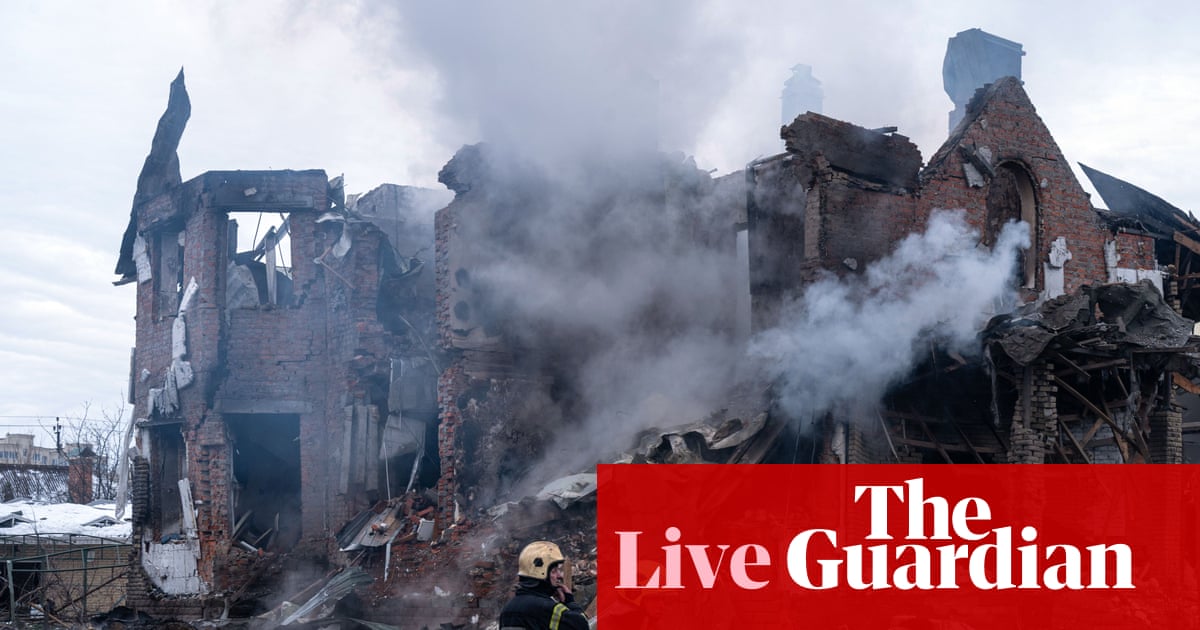
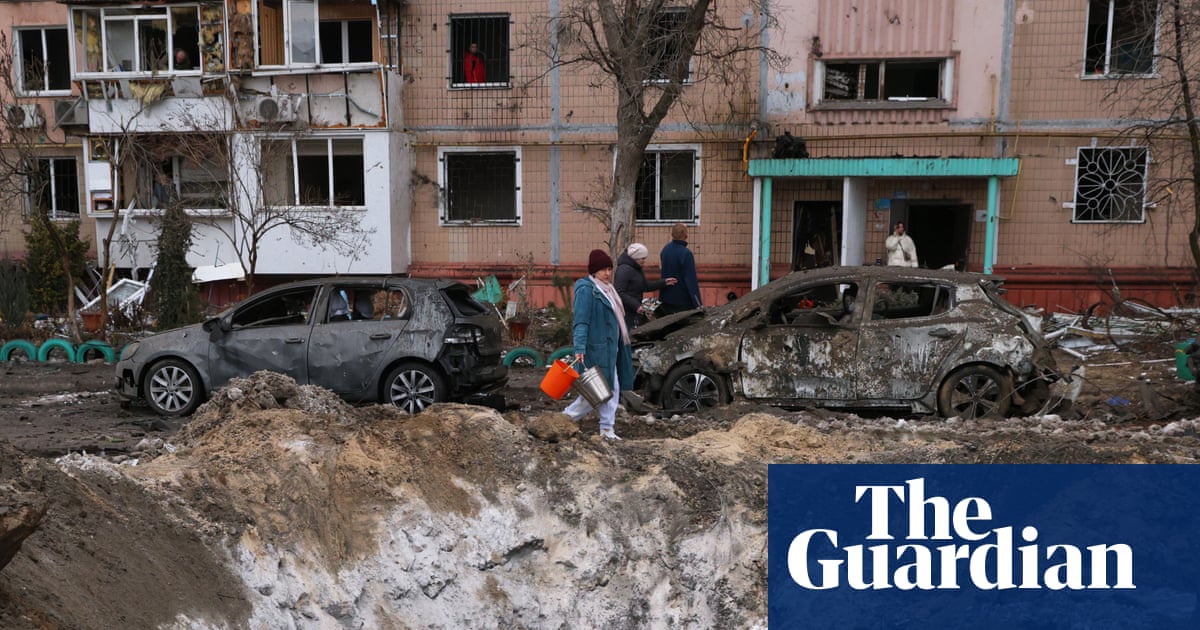
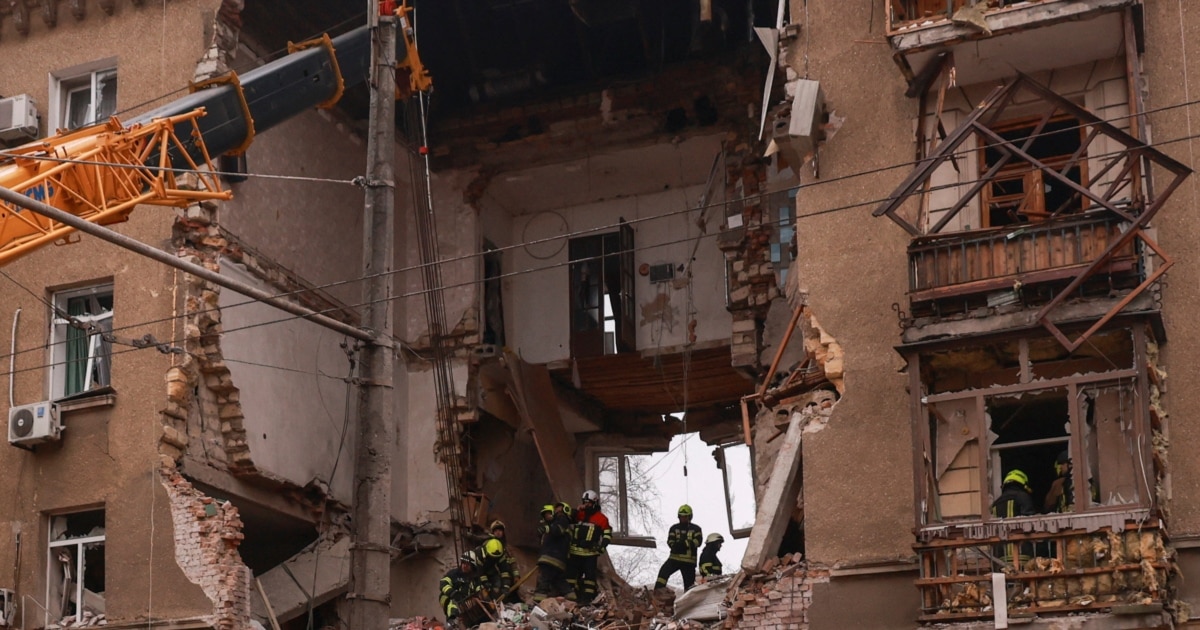
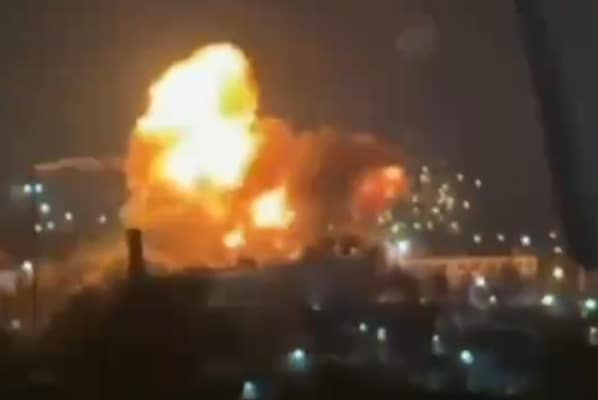
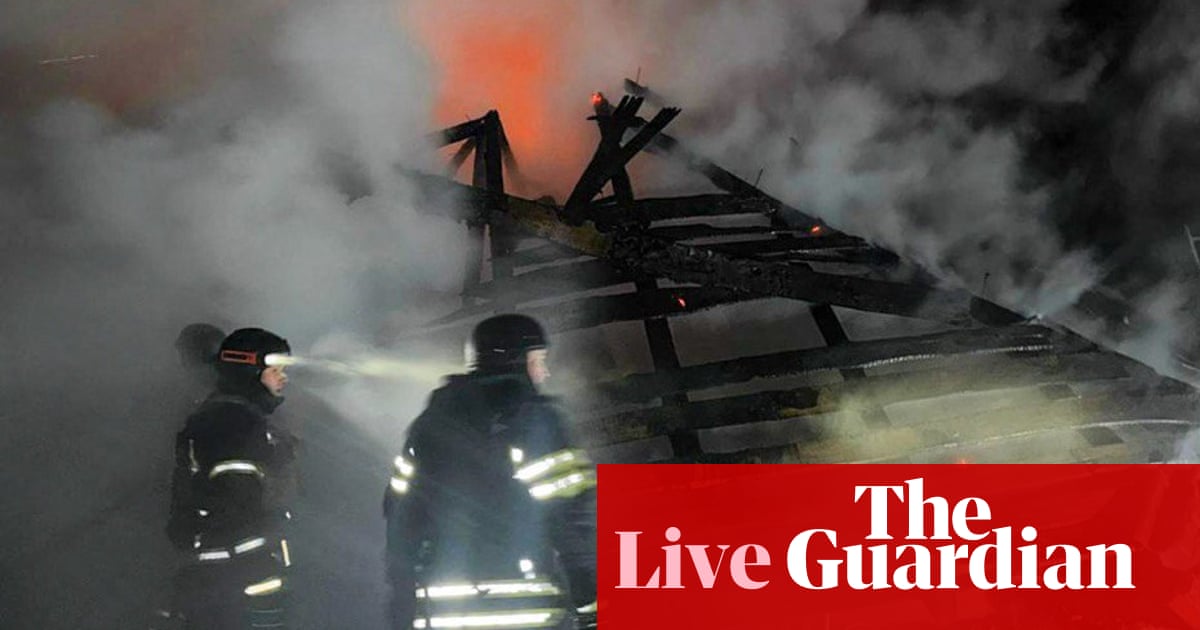
Russia has intensified attacks on Ukraine's power grid, generating facilities, and heating infrastructure, in efforts to disrupt electricity, heat, and water services - especially in winter. Clearly, Russia is targeting Ukraine's civilian population. The mayor of Kyiv, Vitali Klitschko, recently told that Kyiv, with a population of 3.6 million people, has only about half the electricity that it needs as
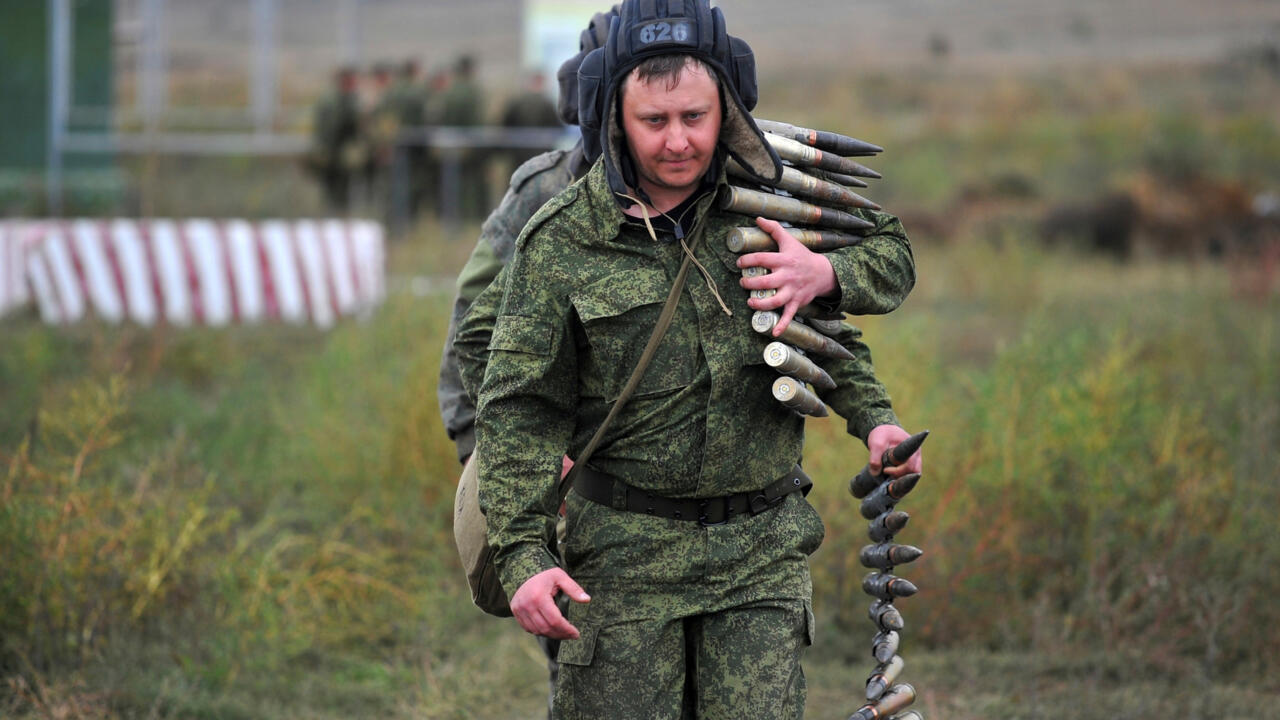
The Time reported that Russia used chemical weapons 6,540 time in 2025 and since the start of the war on 24 February 2022 they have been used more than 9,000 times. European and Ukrainian officials have said Russia has used chloropicrin which is a choking agent, this has not been used since World War I. The Time reported, "The concern, voiced quietly in allied capitals, is that a prolonged or stalemated war in Ukraine could tempt the Kremlin to resort to more dangerous battlefield weapons."
But the echoes of the Russian president, Vladimir Putin's imperial land grab of the waiter's own country are clear to him. They're crazy. The pair of them. For those paying more attention in Ukraine, amid Russian airstrikes, the freezing cold and power cuts, the correspondences are not only clear, but often alarming even if for now Trump has switched from sabre rattling to trying to rationalise a vague and incoherent deal he thinks he struck for the territory with Nato.
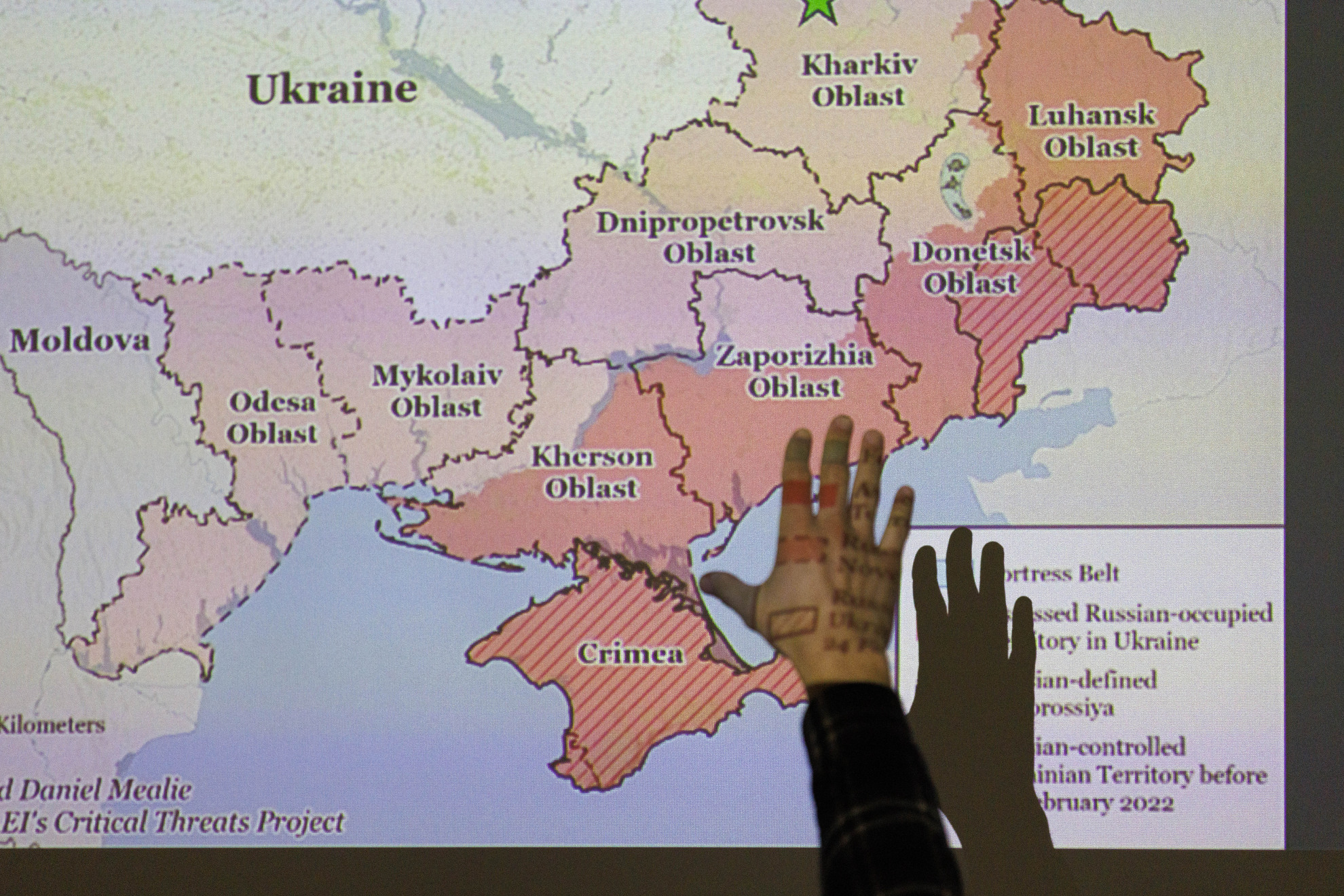
Russia's battlefield gains in Ukraine last year were the highest since 2022, an analysis showed, as Kyiv prepared to host security advisers from allied states despite Moscow's unrelenting strikes. The Russian army captured more than 5,600 square kilometres, or nearly 1%, of Ukrainian territory in 2025, according to an AFP analysis of data from the Institute for the Study of War.
Putin, confident in his strategic calculus that the West would provide only token assistance to Ukraine, which would quickly fold under the weight and violence of Russian military might, fatefully launched his attack days later with disastrous consequences for Russia. The country he leads is now even poorer, more isolated, brittle, and dependent (on China) than before. Putin grossly underestimated Ukrainian will, overestimated the competence of his own military and intelligence apparatus, and misjudged Western cohesion.
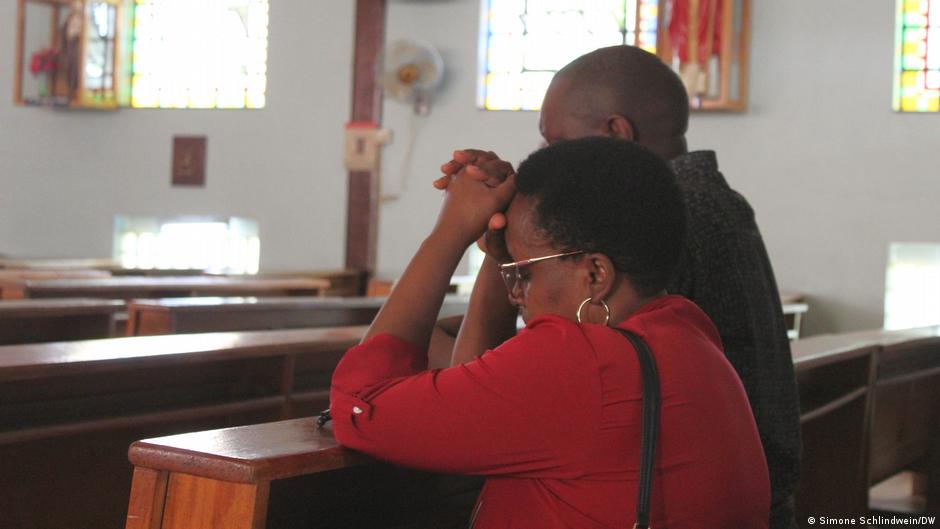
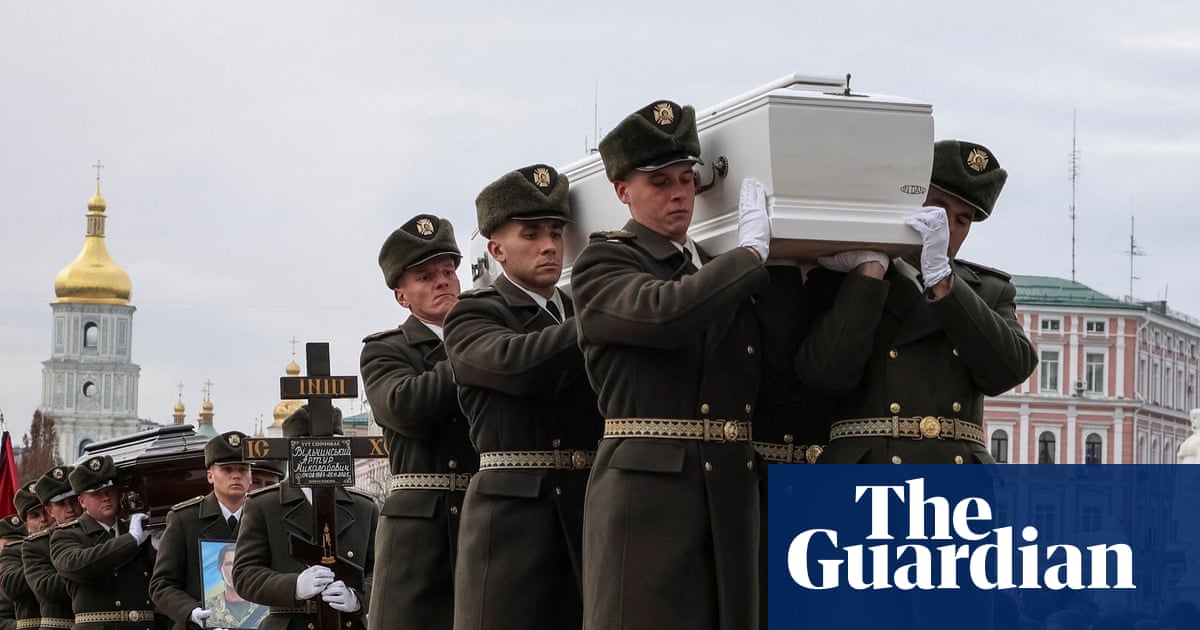
He stood his ground in a place where freedom is paid for in blood, and he gave his life so others could keep theirs, said the man, who has been contacted for comment. Ukraine is freer today because of him but the world is quieter without his laugh, his stubborn courage, his presence beside us. We shared cold nights, exhaustion, fear we never spoke out loud, and a bond forged where words stop working.
A peace deal is "90 percent ready...but the remaining 10 percent contains, in fact, everything...that will determine the fate of peace, the fate of Ukraine and Europe, and how people will live," he said in the televised address. "What does Ukraine want? Peace? Yes." "But at any cost? No. We want the end of the war. Not the end of Ukraine," he added.
In a post on X this morning, Ukraine's foreign minister, Andrii Sybiha, said Russia still hasn't provided any plausible evidence to back up its claim, which has been dismissed by Kyiv as a lie used to justify future Russian attacks and to derail peace talks. Sybiha added that making false claims is a signature tactic deployed by Russia, which he says often accuses others of what they themselves plan to do.
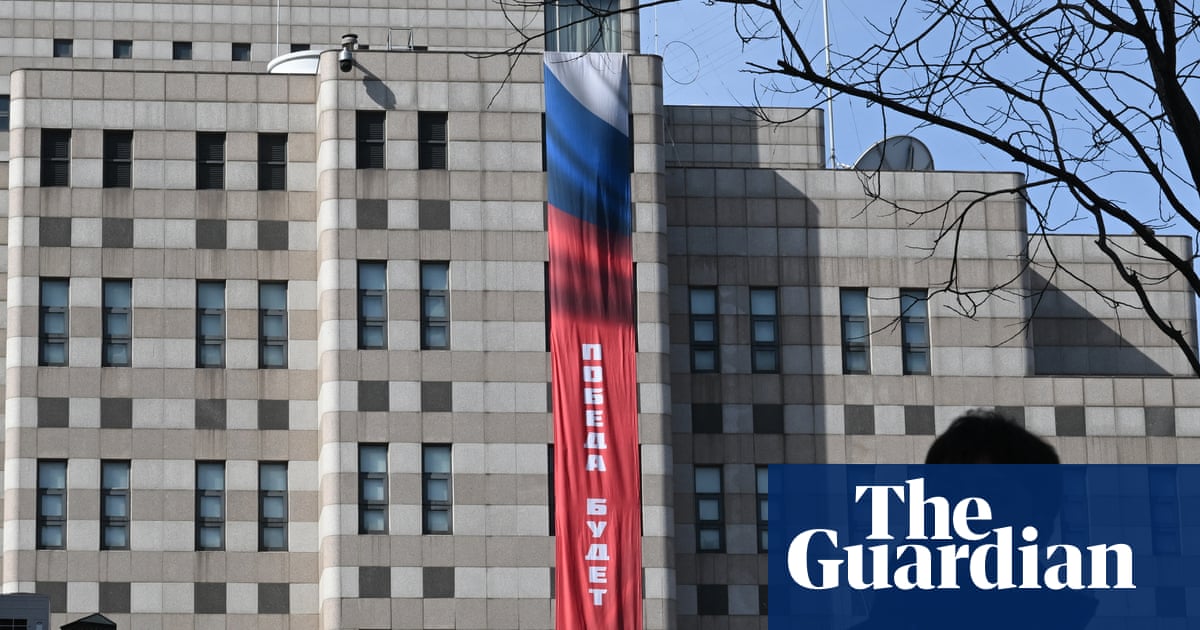
Kremlin foreign policy aide Yury Ushakov said that an attack took place on Russian President Vladimir Putin's residence in northwestern Russia's Novgorod on Sunday, practically immediately after talks in Florida between US President Donald Trump and Ukrainian President Volodymyr Zelenskyy. The strike will not go unanswered, Ushakov said in remarks reported by Russian media, following a call between Trump and Putin.
Just before Zelensky and his delegation arrived at Trump's Mar-a-Lago residence in Florida, the U.S. and Russian presidents spoke in a call described as "productive" by Trump and "friendly" by Kremlin foreign policy aide Yuri Ushakov. Ushakov, in Moscow, said Putin told Trump a 60-day ceasefire proposed by the European Union and Ukraine would prolong the war. The Kremlin aide also said Ukraine needs to make a quick decision about land in the Donbas.
Would you like to have food, or would you consider that a bribe? Trump asked. And therefore you could not write honestly, or therefore you have to write a bad story. Trump started to smirk as he made his quip, and his son-in-law Jared Kushner appeared to get a kick out of the question while sitting at the end of the table. Would you like something to eat at this time? Yes or no? You can speak, Trump continued. Yes sir, the reporter told him.
Zelenskyy accuses the Russian leadership of using every opportunity' to inflict greater suffering' on Ukraine. Russia has carried out drone and missile strikes on Ukraine's capital Kyiv on the eve of a key meeting between the United States and Ukrainian leaders, killing at least one person and leaving a third of the city without heat, according to local authorities. Russian ballistic missiles and drones rocked Kyiv from the early hours of Saturday morning, where an air alert was in place for nearly 10 hours.
KYIV, Ukraine Russia attacked Ukraine's capital with missiles and drones early Saturday morning, killing one and wounding over 20 people a day before talks between Ukraine and the U.S., local authorities said. Explosions boomed across the capital for hours as ballistic missiles and drones hit the city. The attack began in the early morning hours Saturday and was continuing as day broke.
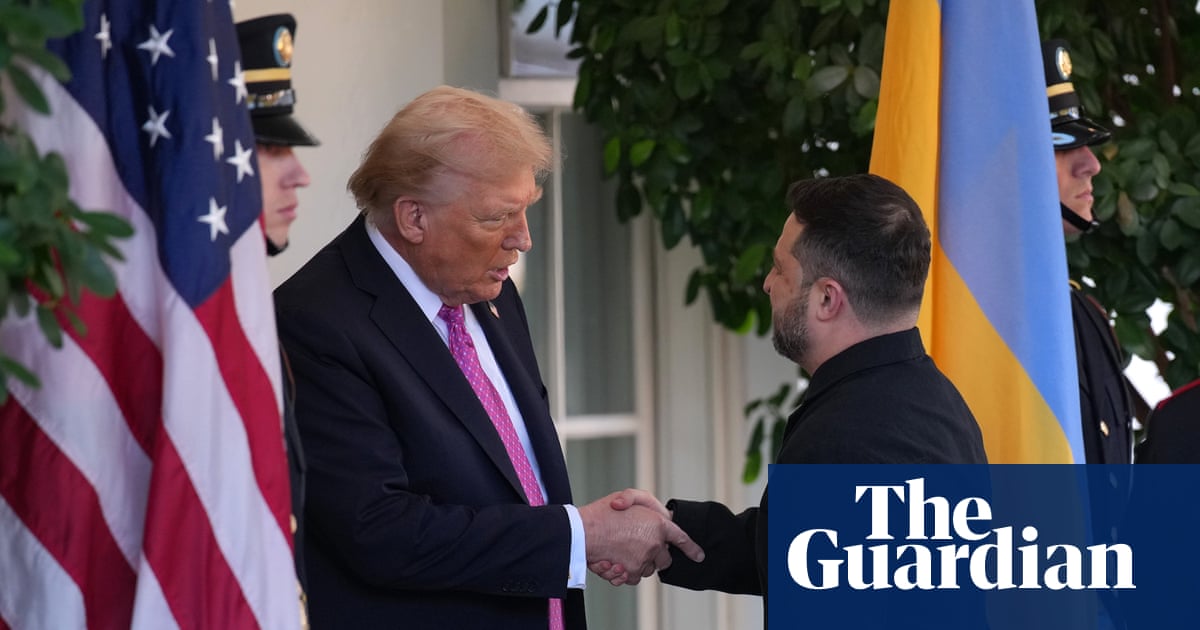
Ukrainian President Volodymyr Zelenskyy said on Friday he had agreed to a meeting with US President Donald Trump in the "near future." "A lot can be decided before the New Year," he posted on social media. The announcement follows weeks of stepped-up diplomatic efforts to end Ukraine's war with Russia. On Thursday, Zelenskyy gave a positive assessment of his conversation with US envoys Steve Witkoff and Jared Kushner about ending the war.
There are people who argue that Vladimir Putin's war on Ukraine is not motivated by fears or imperial ambitions, but by other countries' disrespect. Russia once commanded authority as one of the world's two superpowers, but it has since forfeited that status. It knows it has lost the respect of other countries (Barack Obama famously dismissed Russia as just a regional power), and the Ukraine war is its way of winning it back.
Vladimir Putin's marathon press conference on 19 December, an annual year-end event, offered no evidence that Russia may abandon the goals the president set for his special military operation against Ukraine in February 2022: conquering Donetsk, Luhansk, Zaporizhzhia and Kherson. True to form, Putin seemed unperturbed that nearly four years into the war his army had managed to fully occupy only Luhansk, despite having already taken control of more than a third of that region, as well as Donetsk, by 2015.
A Russian missile strike on port infrastructure in Odesa in southern Ukraine killed eight people and wounded 27, Ukraine's emergency service said Saturday, as a Kremlin envoy was set to travel to Florida for talks on a U.S.-proposed plan to end the nearly four-year war, The discussions are part of the Trump administration's monthslong push for peace that also included meetings with Ukrainian and European officials in Berlin earlier this week.
The comments were made on Friday during the Results of the Year event, where Putin fielded questions from millions of Russians on topics ranging from domestic policy to the war. list of 3 itemsend of list Putin's remarks are the latest in a drumbeat of often-repeated maximalist Russian positions nearly four years after he ordered troops into the neighbouring country, as United States President Donald Trump intensifies diplomatic efforts to broker a peace deal between Moscow and Kyiv.
Frozen assets are financial funds or property that the owner cannot access or use for any transaction or transfer because of restrictions imposed by a government or bloc such as the European Union. In Russia's case, sovereign assets in the form of cash, bonds and securities held abroad as well as private assets such as yachts and real estate owned by sanctioned Russian billionaires were frozen. Assets are usually frozen via sanctions.
Russia cannot escape paying the bill for its war in Ukraine, EU foreign policy chief Kaja Kallas said at the establishment of an International Claims Commission for Ukraine in The Hague on Monday. The commission, which will validate war damages in Ukraine to be paid by Russia, sends a message to future aggressors, Kallas said, that "if you start a war, you will be held to account".