#dual-camera-security
#dual-camera-security
[ follow ]
#facial-recognition #privacy #surveillance #cybersecurity #civil-liberties #ai #privacy-concerns #law-enforcement





fromSFGATE
18 hours agoRing camera captures man claiming to be a wizard during Fairfield break-in
Video from the home's Ring camera shows the man at the front door, initially asking to be let in before becoming increasingly aggressive. 'Open this f-king door. Where's your daughter, man?' he can be heard shouting, kicking the door and demanding entry.
SF parents

Photography
fromYanko Design - Modern Industrial Design News
1 day agoThis minimal AI camera blends into the wild while quietly tracking wildlife - Yanko Design
A minimal AI camera concept enhances wildlife observation by integrating intelligence into the environment, reducing human interference and improving monitoring accuracy.







fromYanko Design - Modern Industrial Design News
1 week ago60Hz Thermal and 4K Night Vision in One Device. SpectraEyes Basically Gives You Superman's Vision - Yanko Design
The core innovation lives in what SpectraEyes calls the Real-Time Dual-Screen Synchronization System. Rather than attempting to merge thermal and night vision into a single confused image, the optics route each feed to its own dedicated 1280×720 LCD screen inside the binocular housing.
Wearables
#surveillance-technology


East Bay (California)
fromwww.berkeleyside.org
3 weeks agoFrom drones to video cameras, Berkeley police ask for more Flock surveillance tools
Berkeley Police Department seeks $2 million surveillance expansion with Flock Safety, nearly tripling annual spending to $567,500, despite the vendor's documented use by law enforcement to investigate abortion seekers, monitor protesters, and locate undocumented immigrants.









fromwww.bbc.com
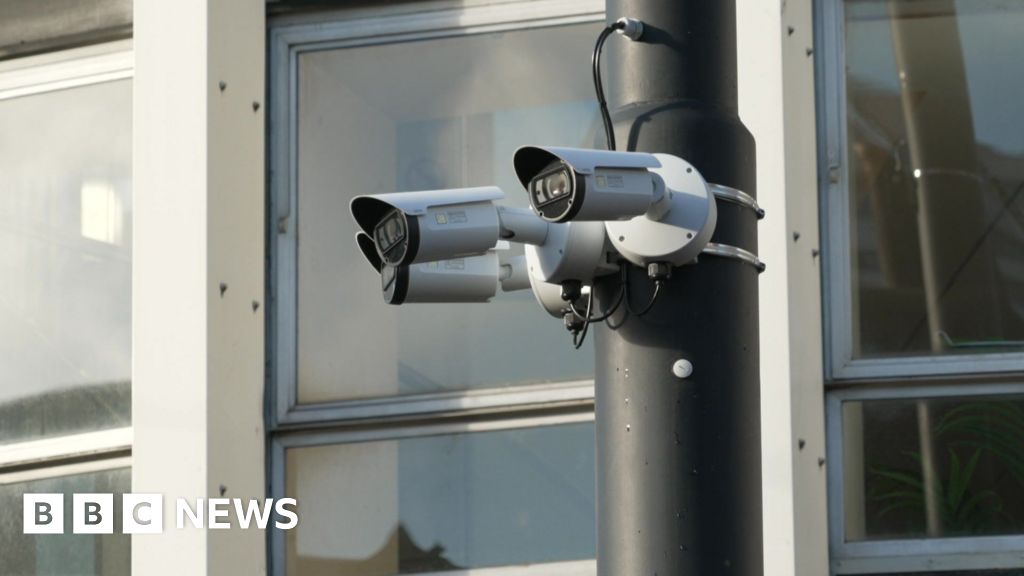
2 months agoUlez camera explosion captured by CCTV footage
A man accused of causing the explosion of an ultra-low emission zone (Ulez) camera in south-east London has told a court he does not recall where he was or what he was doing at the time of the incident. A video has also been released by the Met Police showing the moment the camera exploded in CCTV footage. Retired electrical appliances engineer Kevin Rees is on trial at Woolwich Crown Court accused of damaging the camera in Willersley Avenue, Sidcup.
UK news
fromWIRED
2 months agoThe Best Floodlight Security Cameras for Your Home
A floodlight security camera is a great way to add light and video surveillance to your property, and they work extremely well for dark areas. They can serve like motion-activated lights when you or your family are taking out the trash, adding safety and convenience to your property. The addition of a security camera enables you to receive alerts about intruders, record video events that you can review later, and drop in and check on the videofeed whenever you like from wherever you are.
Gadgets

Privacy technologies
fromwww.mercurynews.com
1 month agoProtect your family with the best home security devices
Affordable, easy-to-install home security devices are now accessible to most families, including window locks, door reinforcements, and alarms that provide effective protection against intruders and accidents.
fromTechCrunch
2 months agoHere's the tech powering ICE's deportation crackdown | TechCrunch
Cell-site simulators ICE has a technology known as cell-site simulators to snoop on cellphones. These surveillance devices, as the name suggests, are designed to appear as a cellphone tower, tricking nearby phones to connect to them. Once that happens, the law enforcement authorities who are using the cell-site simulators can locate and identify the phones in their vicinity, and potentially intercept calls, text messages, and internet traffic.
US politics
Gadgets
fromYanko Design - Modern Industrial Design News
1 month agoThe First 'Surveillance Smartphone' with Thermal Imaging and Night-Vision Cameras: Ulefone Armor 27T Pro+ - Yanko Design
The Ulefone Armor 27T Pro+ is a rugged 5G smartphone with FLIR thermal imaging, infrared night vision, MIL-STD-810H durability, and high RAM/storage.
fromWIRED
2 months agoICE and CBP's Face-Recognition App Can't Actually Verify Who People Are
Mobile Fortify, now used by United States immigration agents in towns and cities across the US, is not designed to reliably identify people in the streets and was deployed without the scrutiny that has historically governed the rollout of technologies that impact people's privacy, according to records reviewed by WIRED. The Department of Homeland Security launched Mobile Fortify in the spring of 2025 to "determine or verify" the identities of individuals stopped or detained by DHS officers during federal operations, records show.
Privacy technologies
[ Load more ]