Still, we're part of nature. And that means we have our own cycle of energy, rest, and renewal-if only we can slow down long enough to tune into it. Whether it's moving more mindfully in the morning or sleeping with your phone in another room, there are subtle ways to participate in the necessary, much-needed, and well-deserved slowness that allows us to de-stress any time we need.
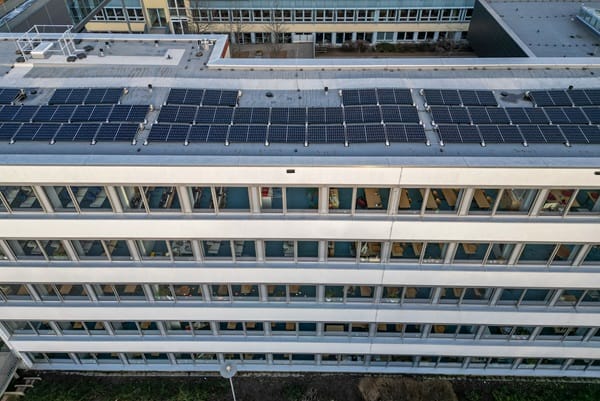
There are many small things you can do to shave dollars off your monthly energy bill, and they go beyond simply switching off the lights when you leave the room. Did you know that you can save 3% on cooling costs for every 1°F decrease in your thermostat setting? As a fan of data, I've explored multiple quantifiable ways to save energy and how these methods translate into financial savings.
The current March to November system that the US follows began in 2007, but the concept of "saving daylight" is much older. Daylight saving time has its roots in train schedules, but it was put into practice in Europe and the United States to save fuel and power during World War I, according to the US Department of Transportation's Bureau of Transportation Statistics.
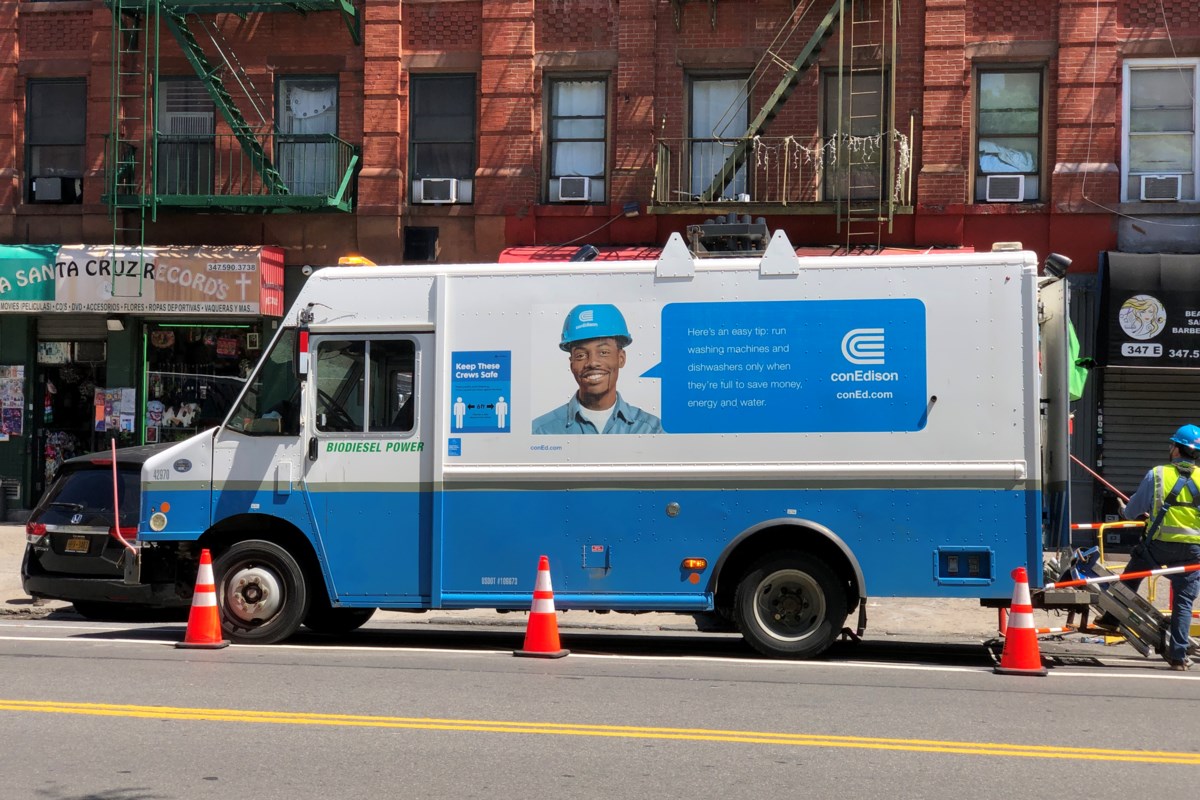
The extreme heat that Brooklyn is experiencing has prompted Con Edison to request a voluntary reduction in energy consumption from its customers to maintain service reliability.