#energy-prices
#energy-prices
[ follow ]
#inflation #middle-east-conflict #strait-of-hormuz #iran-war #uk-economy #iran #iran-conflict #economic-impact


#strait-of-hormuz
World politics
fromLondon Business News | Londonlovesbusiness.com
1 month agoDisruptions in the Strait of Hormuz ripple across global supply chains - London Business News | Londonlovesbusiness.com
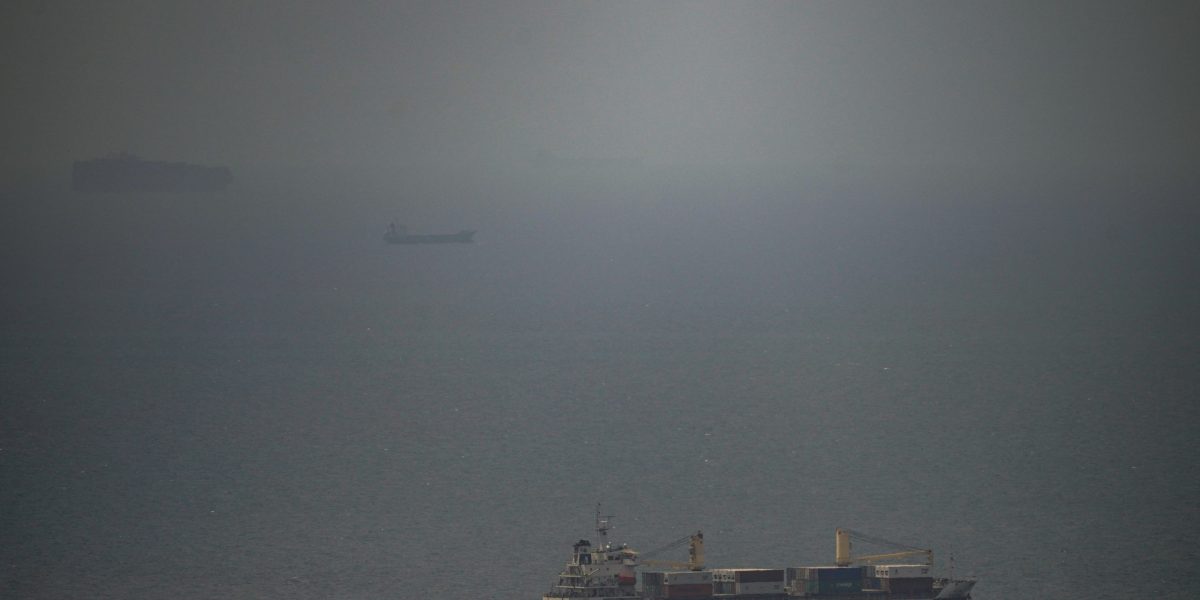
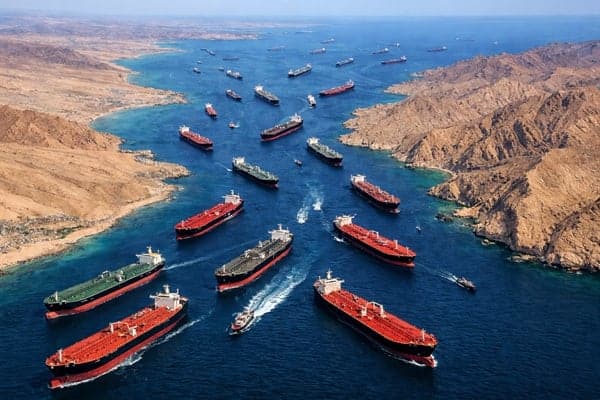
The Strait of Hormuz is vital for global trade, and recent disruptions have severely impacted supply chains across multiple industries.
#iran
World news
fromLondon Business News | Londonlovesbusiness.com
6 days agoIran's Hormuz squeeze drives UK towards stagflation, food shortages, higher CO - London Business News | Londonlovesbusiness.com
Iran's actions in the Strait of Hormuz have caused significant economic disruptions in the UK, leading to food shortages and increased energy prices.
#oil-markets

Europe news
fromLondon Business News | Londonlovesbusiness.com
6 days agoInvestors on edge as oil shoots higher given fragile Iran situation - London Business News | Londonlovesbusiness.com
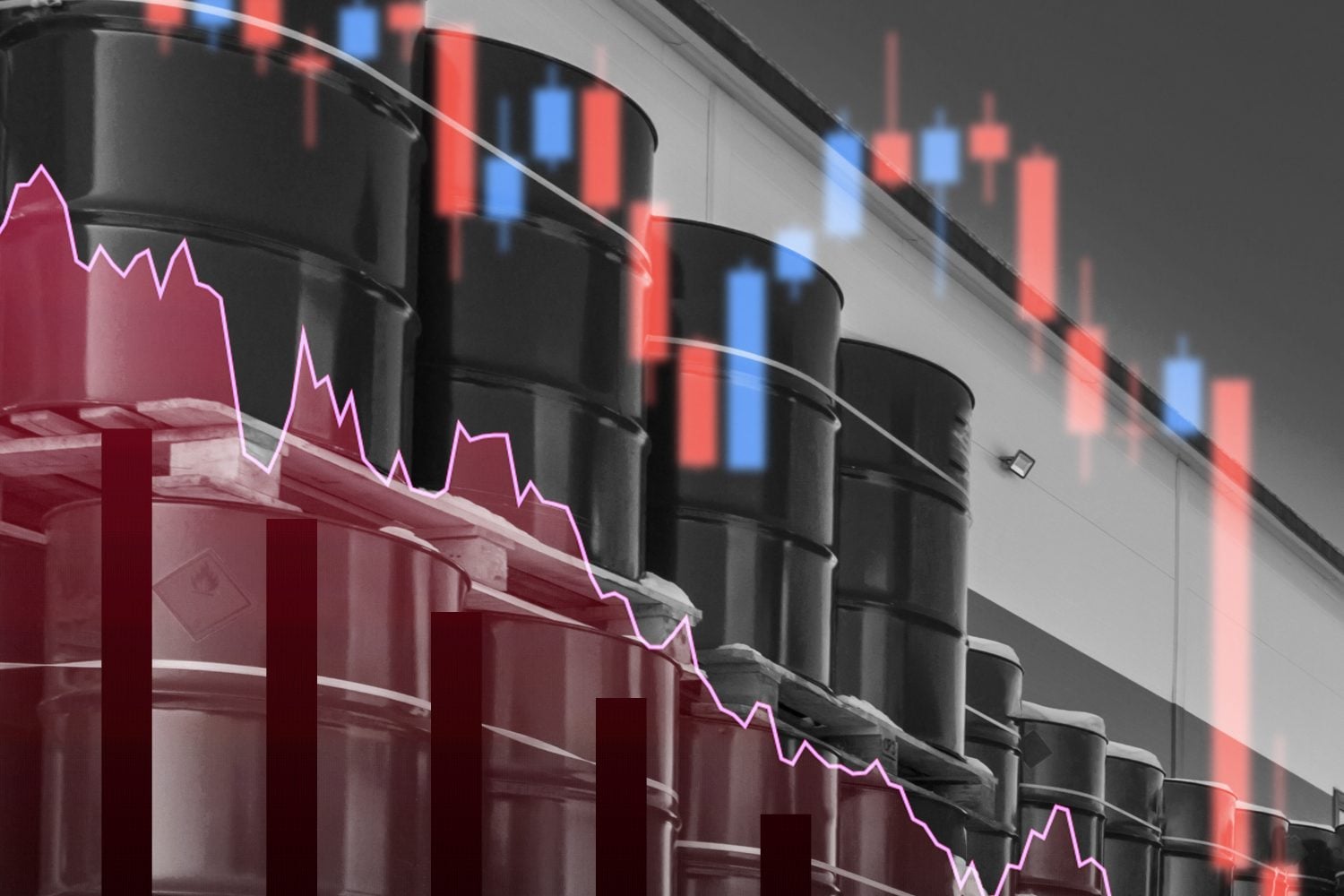
Oil markets experienced volatility with Brent Crude rising 5% to $95 a barrel due to the closure of the Strait of Hormuz.
World news
fromLondon Business News | Londonlovesbusiness.com
1 week agoOil futures plunge further below amid growing ceasefire narrative - London Business News | Londonlovesbusiness.com
Crude oil prices are stabilizing as geopolitical risks diminish, with potential diplomatic solutions emerging from Iran and the U.S.
#uk-economy
UK news
fromLondon Business News | Londonlovesbusiness.com
1 week agoIran war threatens UK food, farming and hospitality sectors as supply risks widen - London Business News | Londonlovesbusiness.com
Escalating tensions involving Iran threaten UK supply chains, impacting food production, agriculture, and hospitality sectors due to rising energy prices and instability.
UK politics
fromLondon Business News | Londonlovesbusiness.com
3 weeks agoStarmer must be honest about fuel shortages, inflation, the pound and gilt risks - London Business News | Londonlovesbusiness.com
UK faces potential fuel shortages and inflation risks due to reliance on imported energy and geopolitical tensions.
from24/7 Wall St.
1 week agoEmerging Markets Are Emerging Again, and the FFEM ETF Lets You Not Miss Out
Dollar weakness matters enormously for emerging market equities because most of these companies earn revenues in local currencies. When the dollar softens, those earnings translate into more dollars for U.S.-based investors, giving the portfolio a currency tailwind on top of any underlying business performance.
Business
fromwww.theguardian.com
1 week ago$30m an hour: big oil reaping huge war windfall from consumers, analysis finds
The world's top 100 oil and gas companies banked more than $30m every hour in unearned profit in the first month of the US-Israeli war in Iran, with Saudi Aramco, Gazprom, and ExxonMobil among the biggest beneficiaries.
World politics





fromFortune
1 week agoChina's export boom is losing steam, thanks to the Iran war and the global energy crisis | Fortune
China's exports have decelerated as the Iran war starts to affect global demand and supply chains, according to Gary Ng, a senior economist for Asia Pacific at French bank Natixis.
World news
fromwww.theguardian.com
2 weeks agoRecord number of homes in Great Britain turn to green energy as fuel prices soar
Octopus Energy reported that its heat pump orders more than doubled in March compared to February, while sales of solar power systems increased by almost 80%. This trend reflects a growing consumer shift towards renewable energy solutions.
Environment

fromLondon Business News | Londonlovesbusiness.com
2 weeks agoDrivers face tighter supplies as fuel falls to lowest levels since December 2022 - London Business News | Londonlovesbusiness.com
Petrol stocks averaged 44-47% across the country before the conflict, but fell to between 36-43% in the weeks following February 28, hitting a low of 36% on March 4, 6, and 7.
UK news
World news
fromLondon Business News | Londonlovesbusiness.com
2 weeks agoMarkets rally on US-Iran ceasefire, but energy risks linger - London Business News | Londonlovesbusiness.com
Global equity markets rose after a US-Iran ceasefire, easing fears of escalation and boosting investor confidence in risk assets.
Europe news
fromLondon Business News | Londonlovesbusiness.com
2 weeks agoGlobal inflation stable but energy and food pressures build - London Business News | Londonlovesbusiness.com
Year-on-year inflation across the OECD remained steady at 3.4% in February 2026, with varying trends among member countries.
Russo-Ukrainian War
fromLondon Business News | Londonlovesbusiness.com
2 weeks agoUkraine defies calls from allies to stop blowing up Russia's oil facilities - London Business News | Londonlovesbusiness.com
Ukraine continues drone strikes on Russian oil infrastructure despite Western allies' appeals for restraint amid rising global energy prices.
fromBoston.com
2 weeks agoMass. business confidence dips back into pessimism
The AIM Index is a survey of more than 140 Massachusetts employers that has run since 1991. It is calculated on a 100-point scale, with 50 as neutral; a reading above 50 is positive, while below 50 is negative. The state's March rating was 47, down from 52 in February.
Business
#windfall-tax
Europe news
fromFortune
3 weeks agoEuropean ministers urge EU to impose windfall taxes on energy companies as prices spike 'to ensure that this burden is distributed fairly' | Fortune
European finance ministers are urging a bloc-wide windfall tax on energy companies to address rising oil and gas prices and inflation concerns.
World news
fromLondon Business News | Londonlovesbusiness.com
3 weeks agoFTSE 100 falls as Iran tensions push energy prices higher - London Business News | Londonlovesbusiness.com
FTSE 100 declines due to uncertainty over Iran conflict, rising energy prices, and supply chain disruptions affecting the UK economy.
World politics
fromLondon Business News | Londonlovesbusiness.com
3 weeks agoReeves slams Trump over Middle East conflict as UK faces soaring energy costs - London Business News | Londonlovesbusiness.com
Chancellor criticizes Trump's military actions in the Middle East for lacking a clear exit strategy, threatening regional stability and UK's economic security.
UK news
fromLondon Business News | Londonlovesbusiness.com
3 weeks agoEnergy bills fall as Ofgem lowers price cap, but fuel poverty concerns persist - London Business News | Londonlovesbusiness.com
Ofgem has reduced the energy price cap by 7%, lowering annual costs for dual-fuel customers and providing modest savings.
fromwww.mediaite.com
3 weeks agoBad News All Around!' Fox Business Host Stunned By Highly Inflationary' Prices in Total Bummer of an Economic Analysis
High energy prices are kryptonite for the housing market. Affordability, especially for those first-time home buyers, is now an elusive dream until oil prices come down and interest rates come down.
SF real estate
fromLondon Business News | Londonlovesbusiness.com
3 weeks agoGlobal markets react to geopolitical tensions and rising energy costs - London Business News | Londonlovesbusiness.com
U.S. financial markets experienced a volatile week, largely influenced by geopolitical developments in the Middle East and fluctuations in energy prices. Investor sentiment was driven primarily by external events rather than domestic fundamentals.
Business
Europe news
fromLondon Business News | Londonlovesbusiness.com
1 month agoDiesel hits a three year high - London Business News | Londonlovesbusiness.com
Diesel prices have surged to their highest in over three years, significantly impacting motorists amid rising global energy costs due to Middle East conflicts.
fromLondon Business News | Londonlovesbusiness.com
1 month agodeVere warns 1970s-style stagflation could hit global economy - London Business News | Londonlovesbusiness.com
The figures show the severe impact the Iran war is already having on the euro zone economy. But, like in the 1970s, stagflation could become a widespread global phenomenon characterised by high inflation, low growth, and high unemployment, heavily driven by oil price shocks.
Business
[ Load more ]