#environmental-causes
#environmental-causes
[ follow ]
#climate-change #sustainability #earth-day #fossil-fuels #environmental-justice #environmental-impact





World politics
fromHigh Country News
12 hours agoWar, climate change and AI are at stake at the 2026 UN Indigenous forum - High Country News
Indigenous delegates face significant challenges at the UN, including visa restrictions, climate change, and rights violations amid a focus on health and survival.
fromwww.bbc.com
18 hours agoFuel rations and free buses: How countries have responded to rising oil prices
The International Energy Agency (IEA) says it is the 'largest supply disruption in history'. With the disruption expected to have a lasting impact on prices, governments around the world have introduced measures to limit the impact on consumers and the economy.
Europe news
#climate-change

World politics
fromwww.theguardian.com
1 week agoWorld held hostage by reliance on fossil fuels, Christiana Figueres warns and climate health impacts are mother of all injustices'
Countries' reliance on fossil fuels is causing health impacts from climate change, described as the mother of all injustices.
World politics
fromwww.theguardian.com
1 week agoWorld held hostage by reliance on fossil fuels, Christiana Figueres warns and climate health impacts are mother of all injustices'
Countries' reliance on fossil fuels is causing health impacts from climate change, described as the mother of all injustices.


fromLos Angeles Times
2 days agoThey lost their homes to fire. Now they're rebuilding with all-electric.
Burning gas and propane for cooking, water heating and space heating in California homes and businesses creates 10% of the state's greenhouse gas emissions. It also releases pollutants indoors.
LA real estate
London politics
fromwww.theguardian.com
6 days agoOn the streets of Dublin I met fuel protesters and the people who support them yet our leaders still don't get it | Caelainn Hogan
Fuel protests in Ireland highlight the impact of high fuel taxes on farmers and the broader population, emphasizing the need for a transition to clean energy.
fromwww.dw.com
6 days agoIndia walked away from its bid to host COP33 here's why
One of the key reasons for India's withdrawal appears to be the steadily declining relevance of COP in driving meaningful global climate action. The complete erosion of trust among countries at the Belem summit in Brazil, where several nations reneged on previously agreed commitments, seems to have contributed significantly to this decision.
World politics
fromwww.theguardian.com
1 hour agoClimate groups sue US government over approval of new BP project in Gulf of Mexico
The Trump administration has teed up the entire Gulf region for a Deepwater Horizon sequel with its approval of BP's extremely risky ultra-deepwater drilling project, said Brettny Hardy, senior attorney at Earthjustice, one of the groups.
Environment
fromHigh Country News
12 hours agoWildfires make soil poisonous - High Country News
Researchers have known since at least 2008 that wildfires can create chromium-6, but a new study, published in the journal Environmental Science and Technology in November, is the first to report details such as how long it might persist in groundwater.
Environment
Agriculture
fromEarth911
1 month agoConvenience Comes at the Environment's Expense
Fast delivery convenience carries significant environmental costs through packaging waste, carbon emissions, and resource consumption, but individual yard management choices can meaningfully reduce environmental impact at a local scale.
fromwww.kaltblut-magazine.com
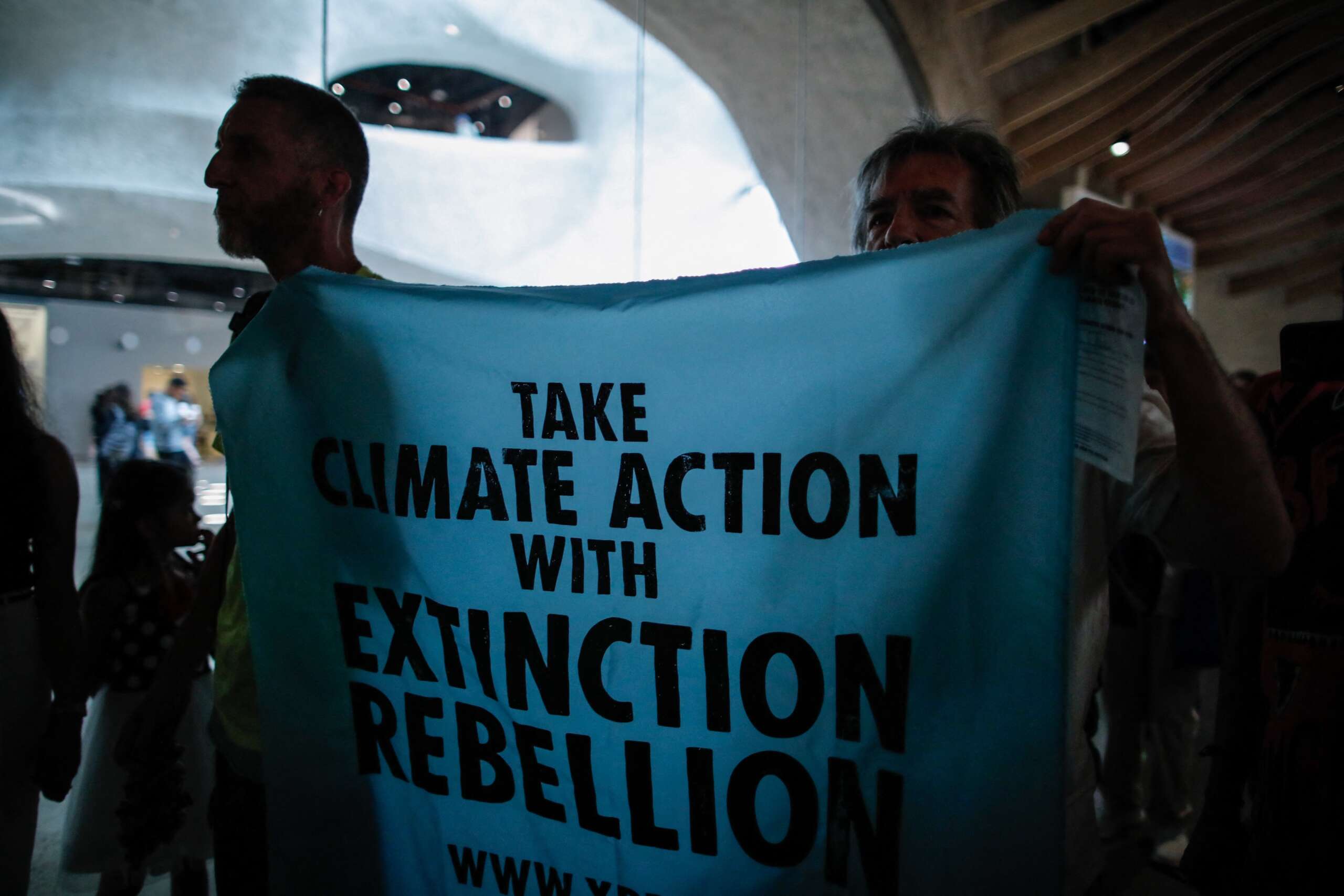
1 month agoThe Climate Crisis
At a young age, I learned quickly how oil wealth and power could burn the land while people struggled. I saw heat rise off the streets, the Nile strained, and the air thickened with injustice. In my teenage years, through Aotearoa, being on the edge of the Pacific, I felt the ocean breathing heavy, swallowing the shores of islands that have done the least to cause this harm.
Photography
Left-wing politics
fromwww.theguardian.com
1 month agoTrump has launched an unprecedented assault on the environment. Where's the pushback?
Trump administration dismantles climate regulations and research institutions while facing minimal public opposition from billionaires, Democrats, and climate activists.


fromMindful
2 months agoCan Compassion Save the Planet?
When British author Karen Armstrong won the TED prize in 2008, she used the money to convene a group of religious thinkers from a wide range of faiths to craft an updated version of the Golden Rule for the 21st century. What emerged was the Charter for Compassion, which calls on people around the world "to work tirelessly to alleviate the suffering of our fellow creatures, to dethrone ourselves from the center of our world and put another there, and to honor the inviolable sanctity of every single human being, treating everybody, without exception, with absolute justice, equity and respect."
Philosophy
fromThe Nation
1 month agoA World on Fire Needs More Climate Reporting-Not Less
Covering Climate Now was formed in 2019 in response to the climate silence that then prevailed in much of the press, especially in the United States. Over the years that followed, hundreds of newsrooms joined our effort, and press coverage of the story began to reflect the scale of the crisis. Newsrooms beefed up their climate reporting teams; they confronted misinformation that sought to play down the problem; they thought creatively about how to find the climate connection on every beat.
Environment
fromwww.theguardian.com
1 month agoHumanity heating planet faster than ever before, study finds
Climate breakdown is occurring more rapidly with the heating rate almost doubling, according to research that excludes the effect of natural factors behind the latest scorching temperatures. It found global heating accelerated from a steady rate of less than 0.2C per decade between 1970 and 2015 to about 0.35C per decade over the past 10 years.
Environment
Environment
fromwww.mercurynews.com
1 month agoOpinion: AI is destroying our planet. We must act to check its growth and save ourselves.
AI's environmental impact is severe, with 2025 freshwater consumption exceeding global bottled water use and projected energy demands by 2034 matching India's entire consumption, requiring immediate action.
fromwww.theguardian.com
1 month agoThey pushed so many lies about recycling': the fight to stop big oil pumping billions more into plastics
Then she read an article in this newspaper, just over eight years ago, and discovered that fossil fuel companies had ploughed more than $180bn (130bn) into plastic plants in the US since 2010. It was a kick in the teeth, says Gardiner. You're telling me that while I am beating myself up because I forgot to bring my water bottle, all these huge oil companies are pouring billions She looks appalled. It was just such a shock.
Environment
fromwww.dw.com
2 months agoThe business of saving nature
The world spends 30 times more money destroying nature than protecting it. That's according to a new report from the United Nations Environment Programme (UNEP) that exposes a massive gulf between so-called "harmful investments" and financing that promotes nature preservation. The global environment agency's latest "State of Finance for Nature" (SNF) report is calling to phase out the US$7.3 trillion (6.2 trillion) in global investments that damage nature including into high-emissions energy infrastructure and manufacturing, for example.
Environment
fromWIRED
2 months agoThe Fight Over US Climate Rules Is Just Beginning
On Thursday, the Environmental Protection Agency is expected to roll back the endangerment finding, which underpins the US's ability to regulate the greenhouse gases that cause climate change. The rollback, the result of more than 15 years of work from right-wing special interest groups, represents the most aggressive move against climate regulation in the US to date-and will introduce a lengthy fight that's almost certain to wind up in front of the Supreme Court.
Environment
Environment
fromGlobal IP & Technology Law Blog
2 months agoGreenhushing: The Indirect Consequence of the Crackdown on Greenwashing?
Regulators increasingly enforce against vague or unsubstantiated environmental claims; advertisers must provide clear, high-level substantiation for "green" or "sustainable" statements.
[ Load more ]