#ez-bombs
#ez-bombs
[ follow ]
#military-technology #drones #pentagon #laser-weapons #iran #directed-energy #defense-spending #warfare
fromwww.mediaite.com
6 days agoWeird Obsession With Death': Current and Former Defense Officials Sound the Alarm on Hegseth
Retired Army Special Forces officer Mike Nelson criticized Hegseth's rhetoric, stating, 'That's a necessary end to achieve goals through military force - you have to kill people to achieve them. That's not the end. It's a weird obsession with death for the sake of it.'
Right-wing politics
from24/7 Wall St.
1 week agoThe 3 Numbers You Need to Know About the Economics of War
The economics are hard to ignore. Shooting down a drone with AeroVironment's LOCUST laser system costs less than $10, using just two to five seconds of laser energy. Compare that to the interceptor missiles currently used against Iranian drone swarms, which cost orders of magnitude more and are in short supply across allied arsenals.
Venture


fromThe Washington Post
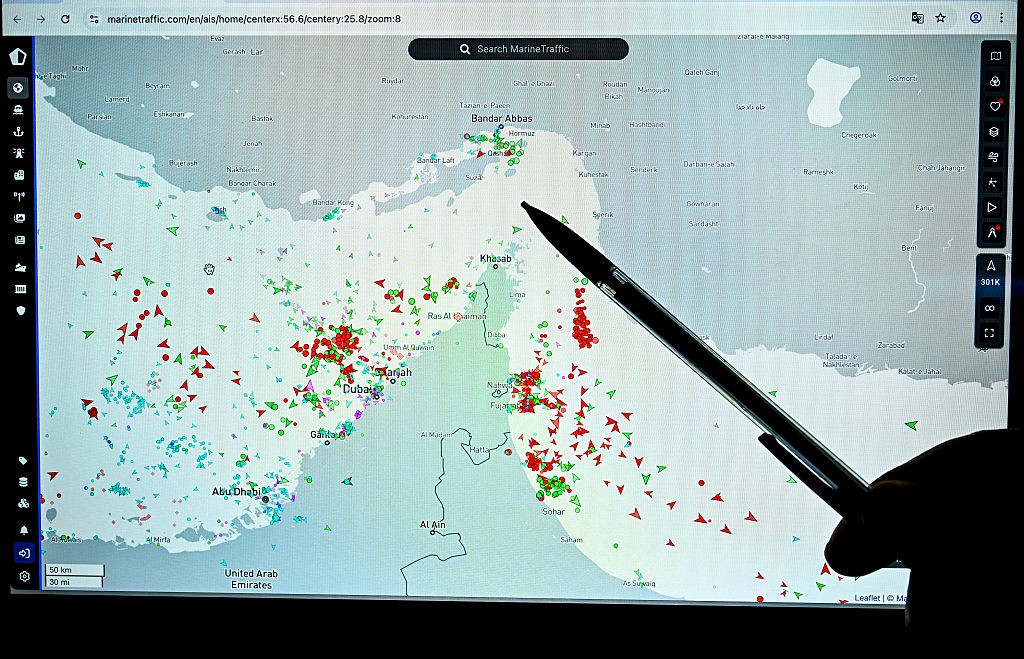
3 weeks agoU.S. uses hundreds of Tomahawk missiles on Iran, alarming some at Pentagon
The U.S. military has fired more than 850 Tomahawk cruise missiles in four weeks of war with Iran, burning through the precision weapons at a rate that has alarmed some Pentagon officials.
World news
#military-technology

Science
fromLondon Business News | Londonlovesbusiness.com
1 month agoUS Navy Use Laser Weapons During Operation Epic Fury - London Business News | Londonlovesbusiness.com
The US military deployed advanced weapons including HELIOS laser systems, heat-tracking satellites, and cyber tools during Operation Epic Fury to intercept Iranian missiles and drones.
Science
fromLondon Business News | Londonlovesbusiness.com
1 month agoUS Navy Use Laser Weapons During Operation Epic Fury - London Business News | Londonlovesbusiness.com
The US military deployed advanced weapons including HELIOS laser systems, heat-tracking satellites, and cyber tools during Operation Epic Fury to intercept Iranian missiles and drones.
European startups
fromwww.businessinsider.com
3 weeks agoThe US military is pushing up production for the weapons that could matter most in a major war
The Department of Defense is increasing production of critical weapons, including THAAD interceptors, to meet rising demand and address stockpile concerns.
History
from24/7 Wall St.
1 month ago25 Weapons That Changed Warfare Over the Last Century
Technological breakthroughs over the last century transformed warfare by introducing tanks, missiles, stealth aircraft, and precision-guided weapons that forced armies to continuously adapt tactics and reshape military doctrine globally.
California
fromSFGATE
1 month agoMonths ago, a live Marine shell exploded over I-5. Now we know why.
A malfunctioning electronic fuse caused a Marine Corps demonstration munition to explode prematurely over Interstate 5 in October 2025, raining shrapnel onto vehicles in what officials characterized as a one-in-a-million statistical anomaly.
Public health
fromBusiness Insider
1 month agoThe Army is getting a new lethal hand grenade for the first time in decades
The Army approved the M111, its first new lethal hand grenade since Vietnam, replacing the asbestos-made MK3A2 blast grenade with a safer plastic alternative for close-quarters combat.


fromenglish.elpais.com
1 month agoDoes the United States have enough munition for a prolonged war?
We've got no shortage of munitions. Our stockpiles of defensive and offensive weapons allow us to sustain this campaign as long as we need. Iran is hoping that we cannot sustain this, which is a really bad miscalculation.
US politics
fromFortune
1 month agoU.S. military gives Iran a taste of its own medicine with cheap copycat Shahed drones, while concern shifts to munitions supply in extended conflict | Fortune
CENTCOM's Task Force Scorpion Strike-for the first time in history-is using one-way attack drones in combat during Operation Epic Fury. These low-cost drones, modeled after Iran's Shahed drones, are now delivering American-made retribution.
World politics
UK news
fromwww.independent.co.uk
1 month agoBomb-disposal experts analysing items found as homes in residential street evacuated
Explosive Ordnance Disposal experts attended a College Avenue property in Mutley, Plymouth; homes were evacuated, a 100m cordon set, and a 26-year-old arrested on firearm suspicion.
fromWIRED
2 months agoICE Pretends It's a Military Force. Its Tactics Would Get Real Soldiers Killed
As a veteran of the war on terror, I have spent the past year watching Immigration and Customs Enforcement officers expand their operations across the country on a heretofore unprecedented scale and with a new faux-military bearing. From equipment to weapons to tactics, ICE and other immigration enforcement bodies want to be seen as combat forces carrying out their missions.
US politics
from24/7 Wall St.
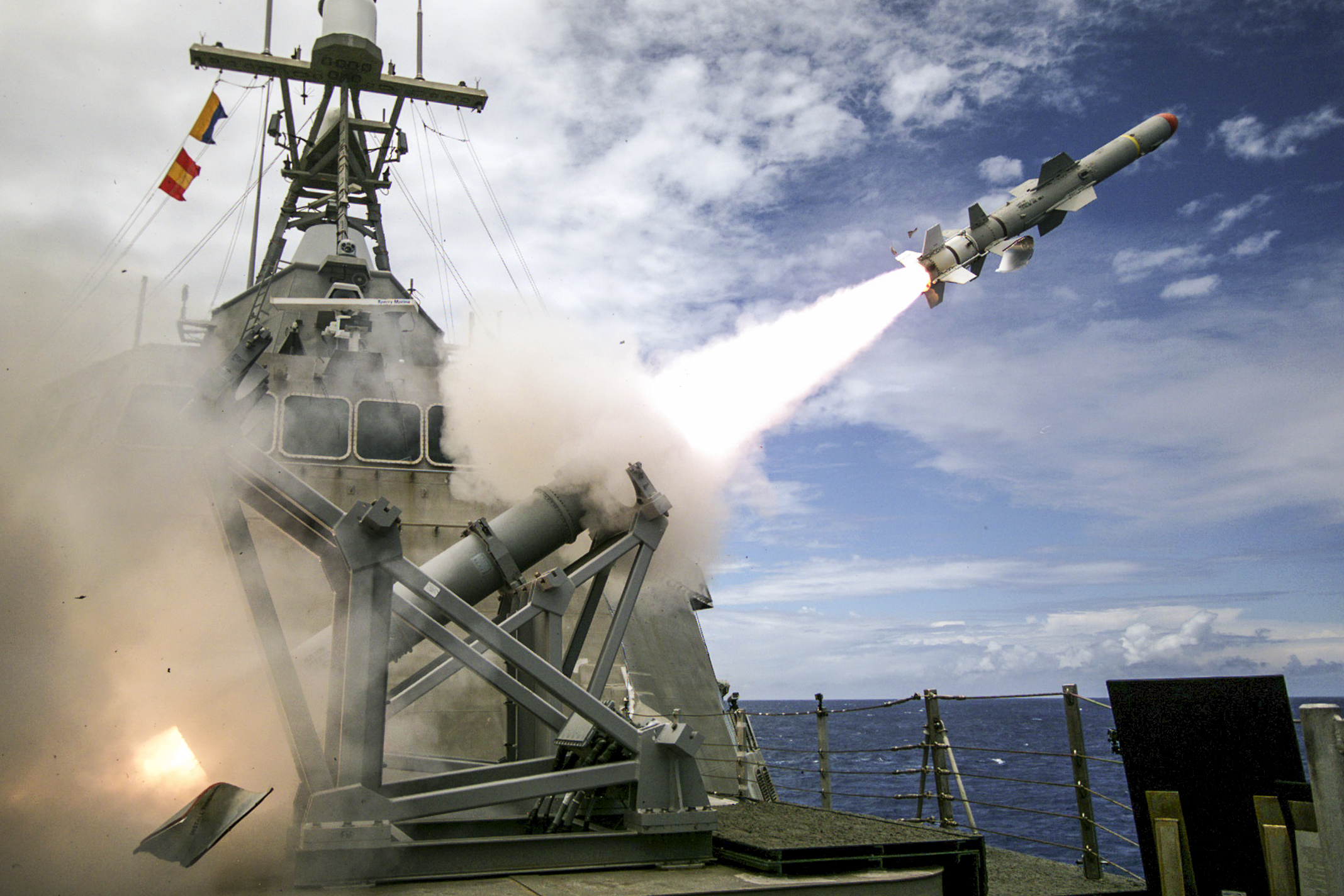
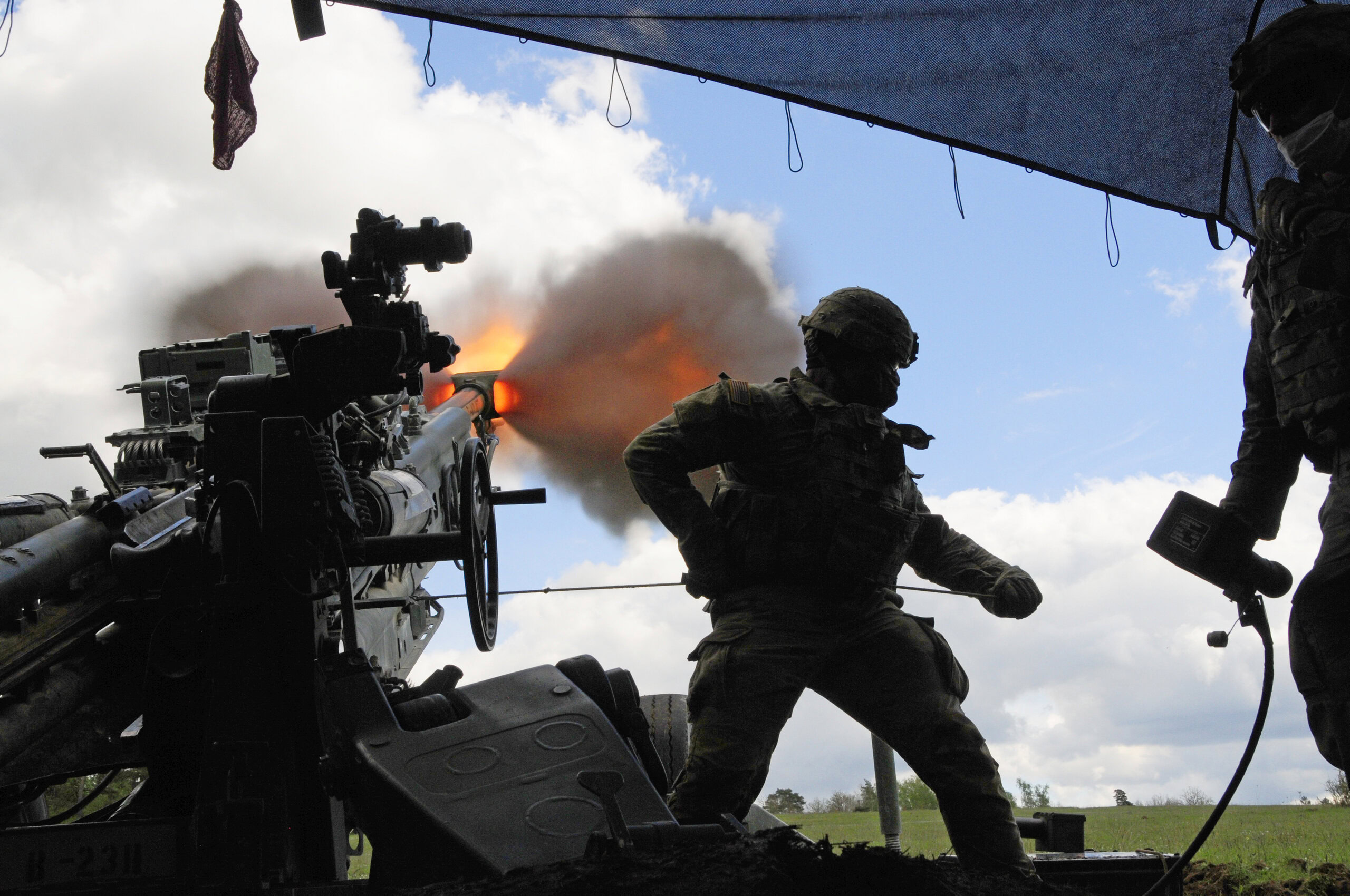
2 months ago20 Reliable Military Vehicles That Nearly Broke the Bank
In military service, reliability is priceless, at least until the bill comes due. Some vehicles earned legendary status because they rarely failed in combat and delivered results under pressure. The problem was what it took to keep them that way. Heavy fuel use, maintenance-intensive systems, specialized parts, and recovery demands typically followed these platforms wherever they deployed. Here, 24/7 Wall St. is taking a closer look at reliable military vehicles that were logistically expensive.
History
US news
fromArs Technica
1 month agoThe Air Force's new ICBM is nearly ready to fly, but there's nowhere to put it
The US Air Force's Sentinel ICBM program is on track for first test flight next year, with operational deployment in early 2030s, though full deployment timeline, costs, and warhead capacity remain undisclosed.
from24/7 Wall St.
2 months agoHow Precision Sniper Technology Reduced the Need for Massed Infantry
Infantry once relied on numbers to solve uncertainty. When soldiers could not see or hit targets precisely, the answer was more troops and more fire. Sniper technologies quietly overturned that logic. By extending range, improving accuracy, and increasing awareness, they allowed small teams to dominate space once controlled only by massed formations. Precision replaced presence, and patience became a battlefield advantage. Here, 24/7 Wall St. is taking a look at the sniper technologies that totally changed the game.
Science
fromArs Technica
1 month agoWhoops: US military laser strike takes down CBP drone near Mexican border
The Defense Department didn't realize the drone was being flown by CBP when it shot it down, and had not first coordinated the use of the laser system with the US Federal Aviation Administration. The military hasn't been coordinating counter-drone measures with the FAA, and CBP drone operators didn't inform the military's laser unit that it was launching.
US news
from24/7 Wall St.
2 months agoWeapons That Performed Well Except For Desert, Jungle, or Arctic Conditions
On paper, many of the world's most famous weapons looked like reliable successes. In practice, desert sand, jungle humidity, and arctic cold often had other ideas. Systems that performed well in testing or early combat sometimes broke down once environmental stress became unavoidable. Here, 24/7 Wall St. is taking a closer look at how the environment, not enemy fire, can quietly expose limits that designers never fully anticipated.
World news
[ Load more ]