#fall-2025-forecast
#fall-2025-forecast
[ follow ]
fromSFGATE
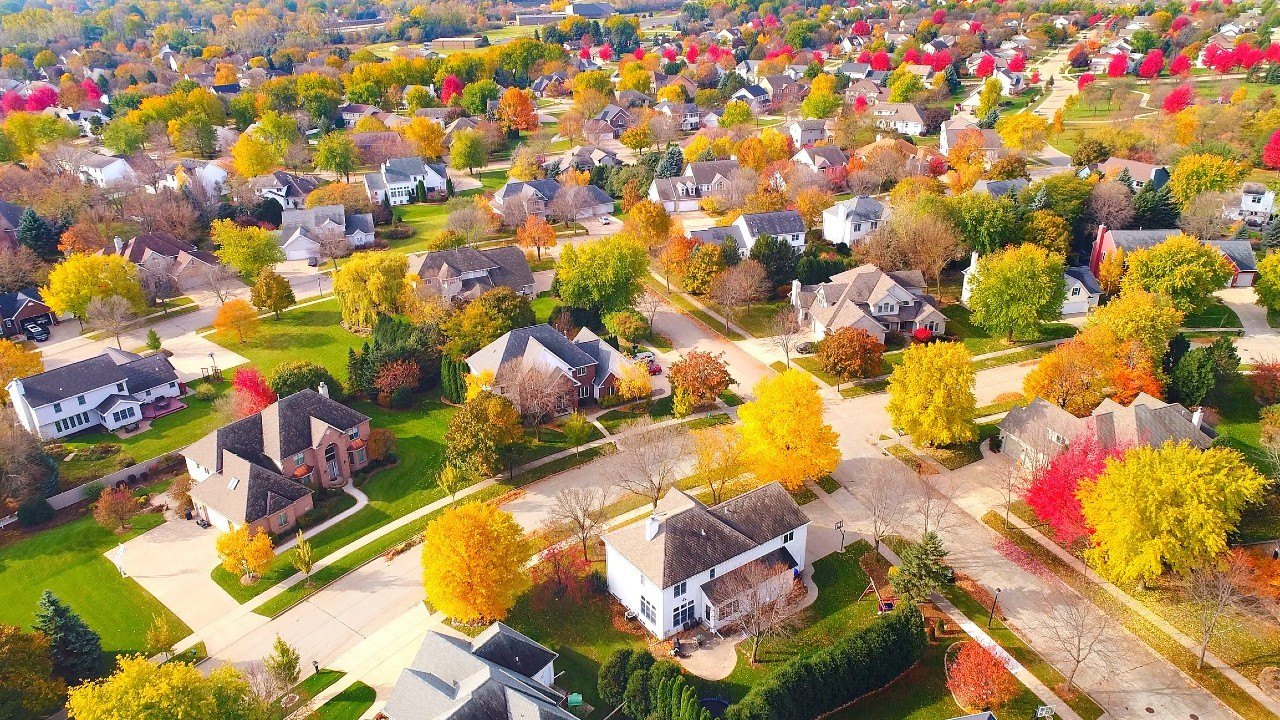
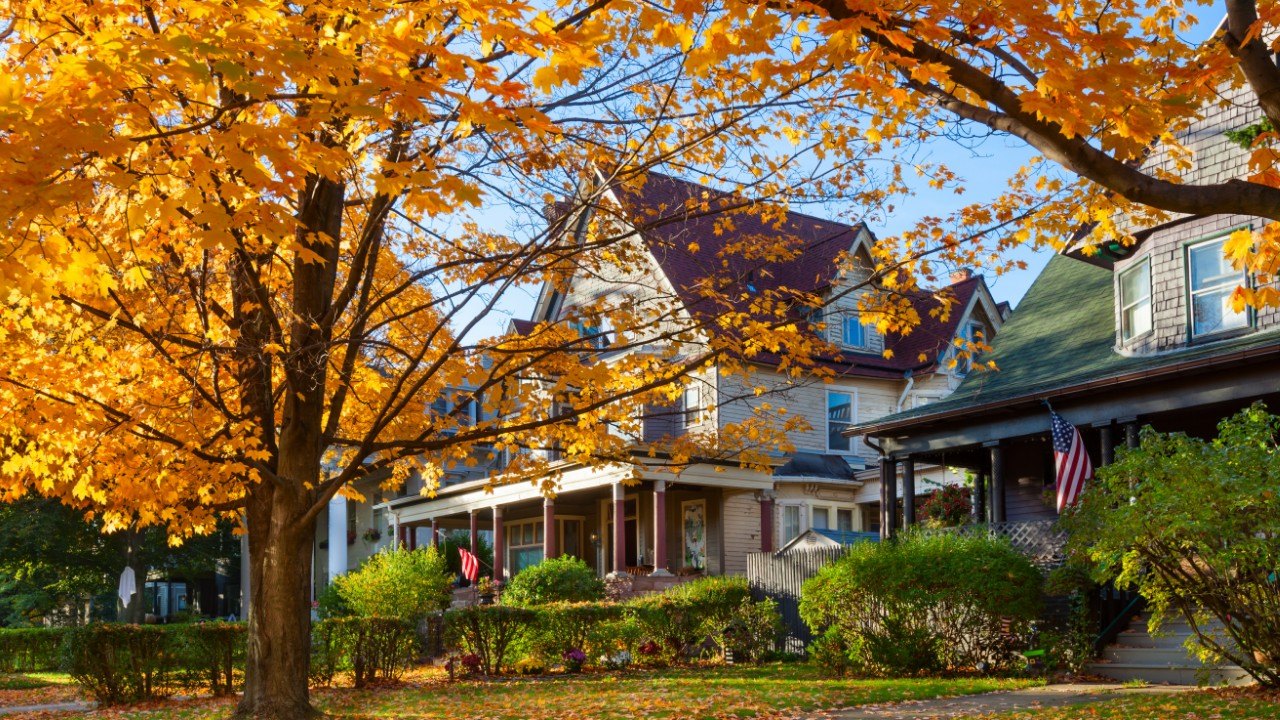
8 months agoCarmel, IN Homeowners Can Expect a Cool and Dry Fall, Says The Old Farmer's Almanac
The Almanac's state-by-state breakdown places Indiana in the "cool and dry" category this fall. Regionally, in the Ohio Valley forecast, September is expected to average 68°F with 2 inches of rain—1 inch below normal. October will dip to 56°F, about 2° cooler than usual, with another 2 inches of rain, also below average. Conditions will alternate between sunshine and showers, with warmth early in the season, a cooler mid-October, and a mild finish.
Real estate
fromSFGATE
8 months agoCouncil Bluffs, IA Homeowners Can Expect a Warm and Wet Fall, Says The Old Farmer's Almanac
The Almanac's state breakdown shows Nebraska trending warm and wet, with similar conditions likely spilling across western Iowa. For the Heartland region, September is expected to average 69°F-1° above normal-with just 1.5 inches of rain, well below average. By October, the average temperature dips to 57°F, near normal, with 3 inches of rain. That means Council Bluffs residents should expect plenty of sunny days and warm early stretches in September, followed by scattered storms in October.
Real estate
fromSFGATE
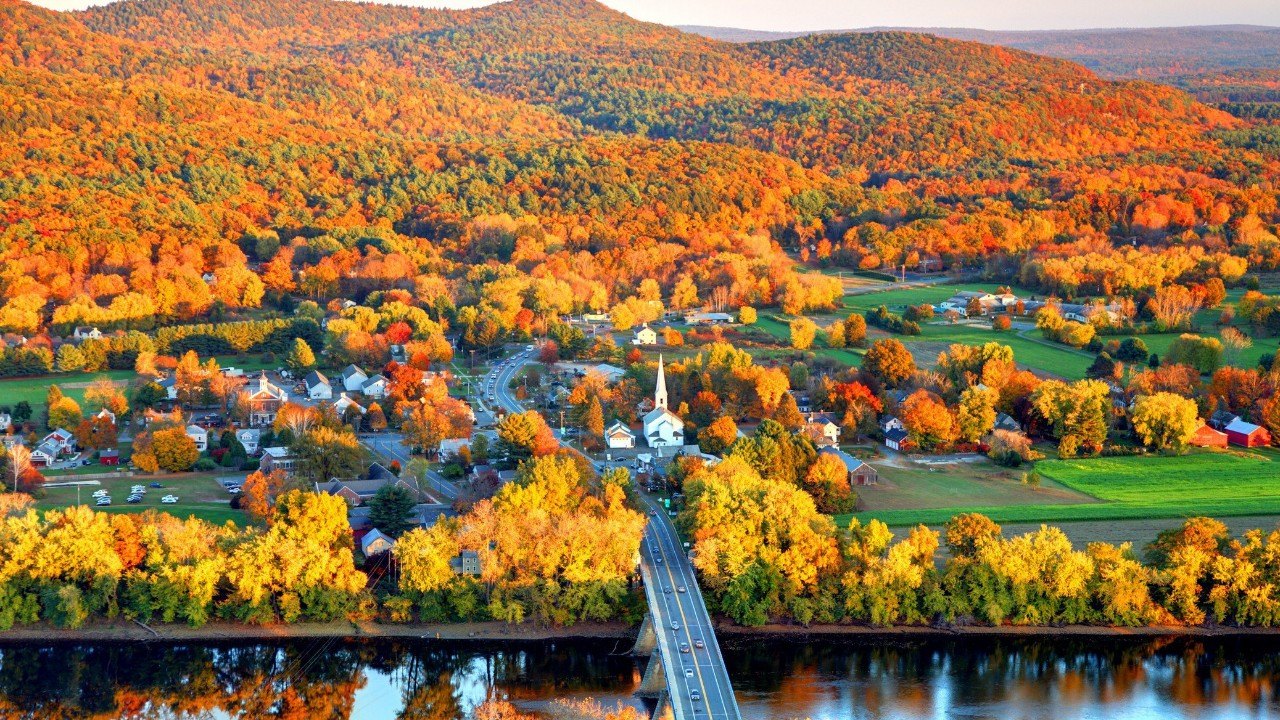
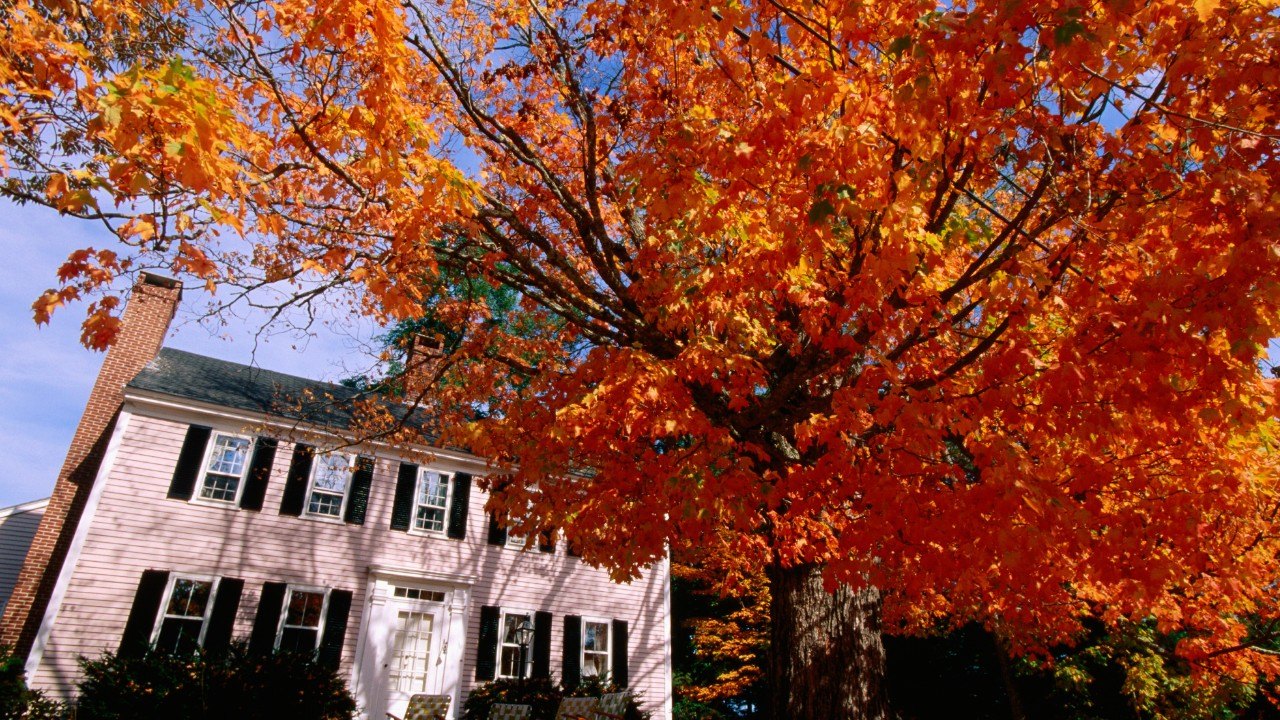
8 months agoReading, PA Homeowners Can Expect a Cool and Dry Fall, Says The Old Farmer's Almanac
Pennsylvania is expected to see a cooler and drier fall than usual, according to the Old Farmer's Almanac. The state breakdown forecasts "cool and dry" conditions across the season. Regionally, the Northeast will be about 2°-3° cooler than average, with below-normal rainfall. September's average will hover near 59°F, before dipping to 46°F in October. Rainfall is poised to trend lighter than usual, according to the Almanac, with only 3.5 inches in September and 2.5 inches
Real estate
fromSFGATE
8 months agoRockford, IL Homeowners Can Expect a Cooler, Drier Fall, Says The Old Farmer's Almanac
The Old Farmer's Almanac has spoken, and Rockford homeowners might want to dig out their sweaters a little earlier this year. The iconic forecast predicts that fall 2025 will be cooler and drier than average across the Upper Midwest, a shift from last year's lingering warmth. For northern Illinois, that means crisp mornings, shorter days, and fewer drenching storms. But even as the forecast tilts chilly, Rockford has been heating up in a different way:
Real estate
fromSFGATE
8 months agoMarlton, NJ Homeowners Can Expect a Warm and Dry Fall, Says The Old Farmer's Almanac
This fall in Marlton, NJ homes for sale, homeowners can anticipate a season that leans warmer and drier than average. The Old Farmer's Almanac has released its Fall 2025 Weather Predictions, and while much of the Northeast trends cool, New Jersey is expected to stay on the sunnier, warmer side. Article continues below this ad At the same time, Marlton has earned national recognition as the #2-ranked market on Realtor.com's 2025 Hottest ZIP Codes list.
Real estate
[ Load more ]