#family-new-year
#family-new-year
[ follow ]
#family-dynamics #parenting #lunar-new-year #family-rituals #family-activities #nostalgia #easter #holidays
Cooking
fromSilicon Canals
1 month agoEvery Thanksgiving table in America has a chair that belongs to the person who did the most and gets thanked the least - and that chair has belonged to the same person for so long that if she didn't sit in it nobody would remember to set a place for her there either - Silicon Canals
Holiday meal preparation involves significant invisible emotional labor, disproportionately performed by women, encompassing memory management, dietary coordination, and logistical planning beyond cooking.
Miscellaneous
fromSilicon Canals
1 month agoI hosted Christmas for 28 years and the moment I loved most was never the meal or the gifts - it was 11 PM when the last car pulled away and I stood in the kitchen alone with the mess and finally exhaled for the first time in 12 hours - Silicon Canals
Holiday hosting demands invisible emotional and physical labor that extends far beyond meal preparation, requiring hosts to manage logistics, social dynamics, and performance anxiety simultaneously while rarely receiving acknowledgment for this effort.
fromThe Mercury News
2 months agoThe tiles that bind: How mahjong is bring generations together
The pace is fast, the rules are complicated, and the players are often competitive, but it's more accessible than ever to try your hand. People around the Bay Area are gravitating toward mahjong at brewpubs, bookstores and other public spaces to learn this age-old pastime, which developed in China in the 19th century and spread around the globe in the 20th.
Education



Psychology
fromSilicon Canals
2 months agoThe real reason family reunions during Chinese New Year feel so emotionally exhausting has nothing to do with your relatives and everything to do with the version of yourself you become the moment you walk through that door - Silicon Canals
Sustained code-switching between work and family roles during Chinese New Year produces deep cognitive and emotional fatigue from managing multiple competing identities.
fromSilicon Canals
2 months agoThe Sunday tradition families are bringing back that makes weekends feel slower and more connected - Silicon Canals
I noticed this shift in my own life when I started having dinner with my partner most nights, phones deliberately tucked away in another room. We made this change after too many evenings disappeared into "just checking one thing" that turned into hours of parallel scrolling. The difference was immediate and profound. Conversations went deeper. We actually looked at each other. Time seemed to stretch in the best possible way.
Food & drink
fromSilicon Canals
2 months agoI stopped performing gratitude at Chinese New Year dinner and what happened next taught me more about my family than thirty years of pretending everything was fine - Silicon Canals
I was thirty-eight years old the first time I stopped performing at Chinese New Year dinner. Not dramatically-I didn't stand up and deliver a monologue about authenticity or announce that I was done pretending. I just stopped smiling when I wasn't amused. I stopped nodding when I disagreed. I stopped telling my aunt that her unsolicited career advice was helpful when it wasn't. I stopped pretending that the version of me sitting at that table was the real one.
Relationships
fromSilicon Canals
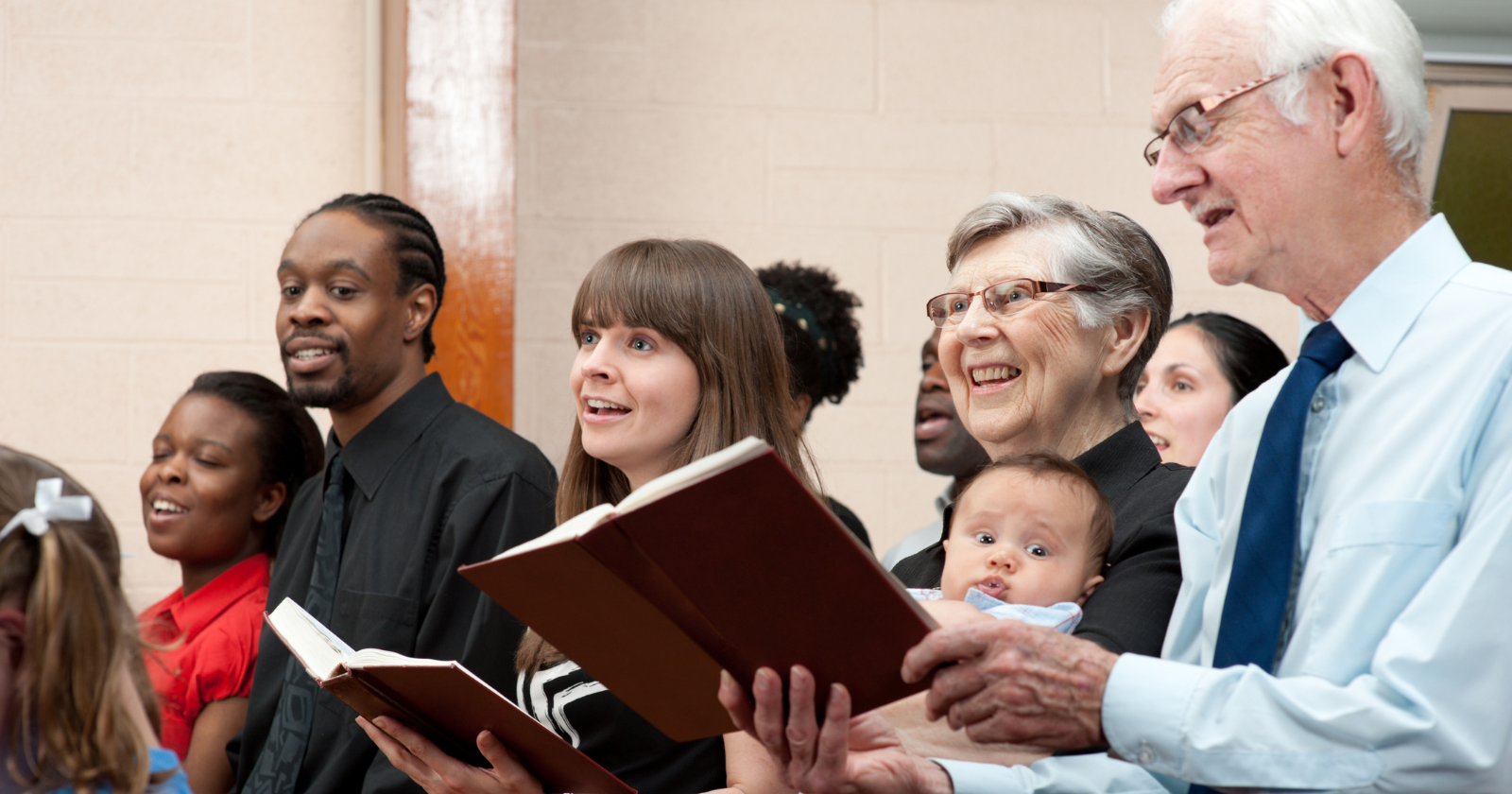
2 months ago9 ways lower-middle-class families make holidays special without spending much that wealthy families could learn from - Silicon Canals
My dad would be up at dawn, not to prepare some elaborate feast, but to set up the treasure hunt he'd created using clues written on the backs of old envelopes. Each riddle led us kids to another spot in the house, building anticipation for modest gifts hidden in creative places. The whole thing probably cost him nothing but time and imagination, yet thirty years later, I remember those hunts more vividly than any expensive present I've ever received.
Relationships
[ Load more ]