#federal-healthcare-funding
#federal-healthcare-funding
[ follow ]
#healthcare #healthcare-access #public-health #healthcare-costs #legislation #trump-administration #budget-cuts

Medicine
fromNonprofit Quarterly | Civic News. Empowering Nonprofits. Advancing Justice.
1 day ago'It's a Safe Space': Mobile Midwifery Clinics Meet Patients Where They Are | Nonprofit Quarterly | Civic News. Empowering Nonprofits. Advancing Justice.
Mobile midwifery clinics provide culturally sensitive care to improve maternal health outcomes for women of color in Miami-Dade County.
#healthcare


Healthcare
fromwww.mediaite.com
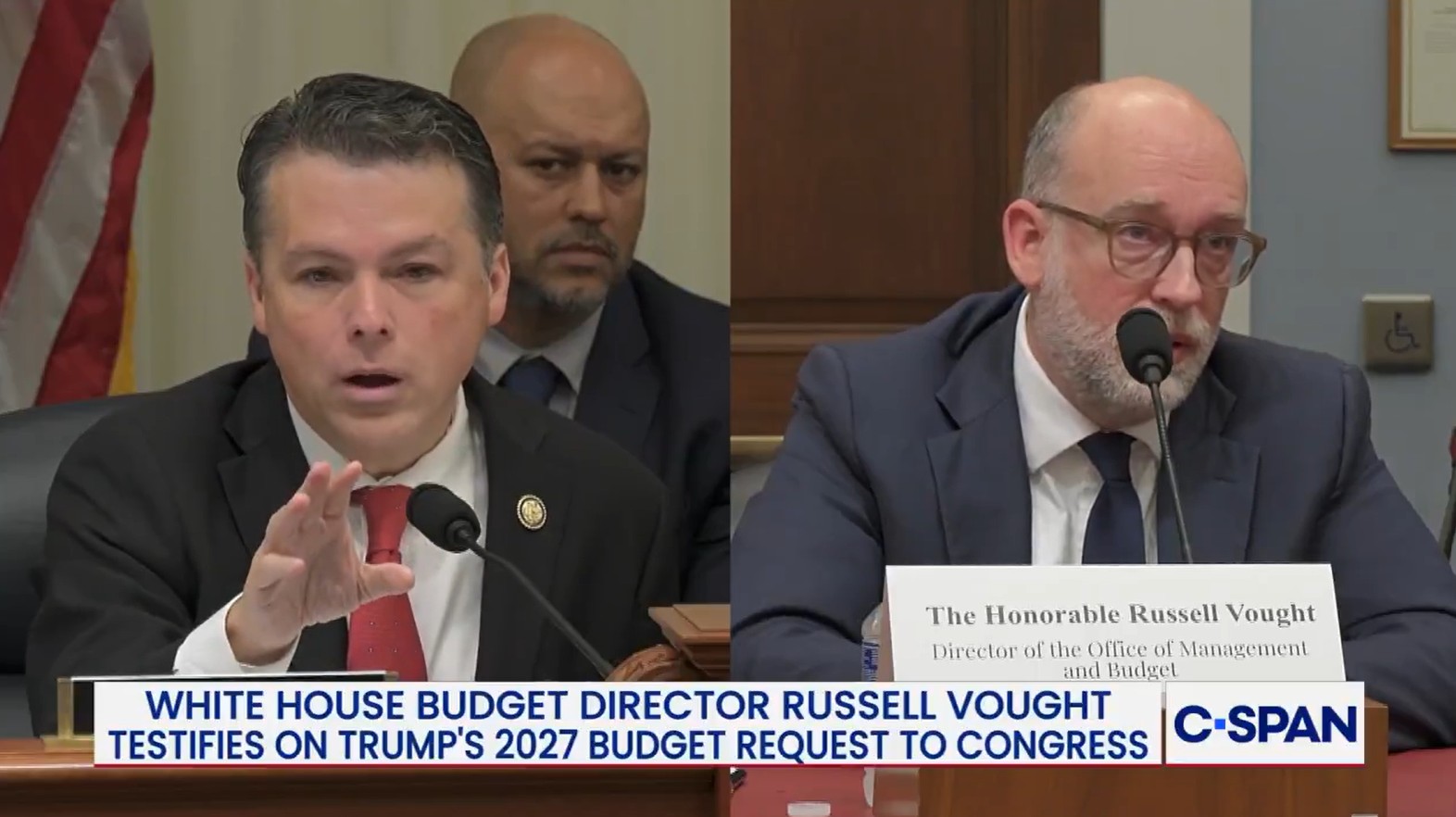
3 days agoThat's Laughable!' Democrat Goes Off On Trump OMB Director's Reasoning For 15 Million Americans Losing Healthcare
Rep. Brendan Boyle challenged OMB Director Russell Vought on healthcare coverage loss for millions due to Trump's policies during a House Budget Committee hearing.
Public health
fromNonprofit Quarterly | Civic News. Empowering Nonprofits. Advancing Justice.
23 hours agoMaternal Mortality Is a Policy Failure | Nonprofit Quarterly | Civic News. Empowering Nonprofits. Advancing Justice.
Maternal mortality in the U.S. is a public health emergency, with over 80% of deaths preventable and significant racial disparities in outcomes.
from48 hills
1 day agoHundreds rally against health care cuts - 48 hills
Maria Elena Healy, a registered nurse at Laguna Honda, stated, 'I am just one of the few who have been laid off. They are eliminating an entire department. These people will no longer have the specialty nursing care that we provide.'
Healthcare
fromIndependent
16 hours agoDepartment silent on pay gap between outgoing Department of Health chief Robert Watt and successor
Derek Tierney, who was assistant secretary general at the Department of Health overseeing areas such as health building construction, has been appointed to take over its running for seven years after the end of Mr Watt's term.
Healthcare
Healthcare
fromMedCity News
5 days ago'A Significant Assault on Our Health': Healthcare Policy Leaders Condemn Trump's Budget Proposal - MedCity News
Trump's fiscal year 2027 budget proposes significant cuts to healthcare, exacerbating previous reductions and drawing criticism from healthcare advocates.
fromTruthout
1 month agoStates Tighten HIV Drug Assistance, Raising Access Concerns
Congress has kept key drug assistance funding at $900.3 million annually since 2014. New enrollments for state programs jumped 30% from 2022 to 2024, in part because states cut off pandemic-era Medicaid assistance. As of January, at least 18 states have pulled back their Ryan White AIDS Drug Assistance Programs, known as ADAPs, in some way.
NYC LGBT

fromPsychology Today
5 days agoHow Community-Based Healthcare Builds Engagement
Most people leave doctor visits with prescriptions, but still feel unsure—instructions make sense, but no one asks about their life. In contrast, when a provider knows your name, remembers your story, and explains care in a way that fits you, the experience feels different—and that difference matters.
Healthcare
New York Islanders
fromwww.amny.com
2 months agoOp-Ed | As healthcare costs surge, lawmakers should focus on reforming rather than expanding costly government programs amNewYork
Expanding 340B program and rising healthcare costs are exacerbating unaffordability, harming minority-owned businesses, and lacking transparency and oversight.
fromwww.mercurynews.com
2 months agoOpinion: California families face deadly health care cuts. Billionaires can afford to pitch in.
Doctors told us my grandson wouldn't live past three months, but they didn't know Elijah was capable of. Today he's 7 years old, stubborn as ever and fighting every day to prove them wrong. Elijah was born with cerebral palsy. Caring for him is a full-time, all-hands-on-deck operation that includes in-home nurses, physical and occupational therapy, school support and a small pharmacy's worth of medications.
California
fromTruthout
1 month agoFederal Funding for People in Poverty Is Going to Anti-Abortion Centers Instead
The bulk of the money Missouri gives to its crisis pregnancy centers comes from federal funds meant to assist families experiencing poverty with basic necessities and child care, Republican Rep. Jason Smith said on the U.S. House floor in January. As many as $3 of every $4 for pregnancy centers in Missouri was from the federal Temporary Assistance for Needy Families program in 2024, and in the 2026 fiscal year, it will be $2 out of $3.
Non-profit organizations
Public health
fromLGBTQ Nation
1 month ago17 states consider cutting assistance for HIV meds as prices increase - LGBTQ Nation
Seventeen states and D.C. have cut AIDS Drug Assistance Program costs while federal funding stagnates, threatening medication access for low-income HIV patients and risking public health crises.
fromThe Nation
1 month agoThe Red State-Blue State Healthcare Divide Is Dangerous for Everyone
In light of the systemic dismantling of America's public health agencies, these moves essentially create a shadow infrastructure to maintain some of what is being lost. While this is a promising development, it does nothing to stop a troubling trend that has been emerging for some time: The country is quickly becoming fragmented along partisan lines when it comes to public health.
Public health
fromArs Technica
2 months agoHaving that high-deductible health plan might kill you, literally
The issue is particularly critical right now for people who have insurance plans through the Affordable Care Act marketplace. Prices for those plans have skyrocketed this year after Congress failed to extend critical tax credits. Without those credits, monthly premiums for ACA plans have, on average, more than doubled. Early data on ACA enrollments for 2026 not only suggests that fewer people are signing up for the plans, but also that those who are enrolling are often choosing bronze plans, which are high-deductible plans.
Public health
fromMedCity News
2 months agoWhy HHS Scrapping Its 340B Rebate Program Is a Win For Providers - MedCity News
The 340B program allows hospitals to buy outpatient drugs at steep discounts, with the purported purpose of helping them fund care for low-income and uninsured patients. The now-axed rebate model would have invited drugmakers to participate voluntarily in a rebate-based discount system. Basically, instead of the provider receiving a discount upfront at purchase, the 340B discount would be applied after purchase via rebate - and subject to tedious data submission requirements.
Public health
Healthcare
fromwww.npr.org
1 month agoIn lawsuit, Minnesota accuses Trump administration of 'weaponizing' Medicaid funding
Minnesota sued the Trump administration for withholding approximately $250 million in federal Medicaid matching funds, alleging political punishment amid fraud investigation claims.
Healthcare
fromBusiness Insider
1 month agoWaiting for Medicare and skipping prescriptions: Meet the Americans on the brink of losing health insurance
Expiration of enhanced ACA subsidies on December 31 caused monthly premiums to spike hundreds of dollars, forcing over 1 million Americans to cancel marketplace plans between early 2025 and 2026.
from24/7 Wall St.
1 month agoThe One Medicare Decision at 65 That Shapes Every Healthcare Bill After
Medical inflation runs on its own clock, and the coverage decisions you make at 65 determine whether a serious illness costs you a manageable sum or a devastating one. Healthcare is the single most unpredictable variable in retirement planning because it combines three separate uncertainties: how fast costs will rise, how much care you will need, and which coverage structure you choose.
Healthcare
[ Load more ]