Apple
fromComputerworld
14 hours agoApple preps for the face race
Apple is testing four designs for smart glasses, aiming for superior aesthetics and performance compared to competitors.
"These incidents involve the intentional use of deceptive or illegal practices to fraudulently obtain money, assets, or information from individuals or institutions, and include actions carried out over cyber channels."
Amazon said it is discontinuing Amazon One, its palm-authentication service, across all retail businesses. Users will be able to continue to use Amazon One at supported retail locations until June 3, though some locations may phase the services out before this date. The services will remain available to patients for check-in at healthcare locations until further notice. Amazon One enables users to use their palms for actions such as paying at a store, presenting loyalty cards, and entering sports venues.
Cell-site simulators ICE has a technology known as cell-site simulators to snoop on cellphones. These surveillance devices, as the name suggests, are designed to appear as a cellphone tower, tricking nearby phones to connect to them. Once that happens, the law enforcement authorities who are using the cell-site simulators can locate and identify the phones in their vicinity, and potentially intercept calls, text messages, and internet traffic.
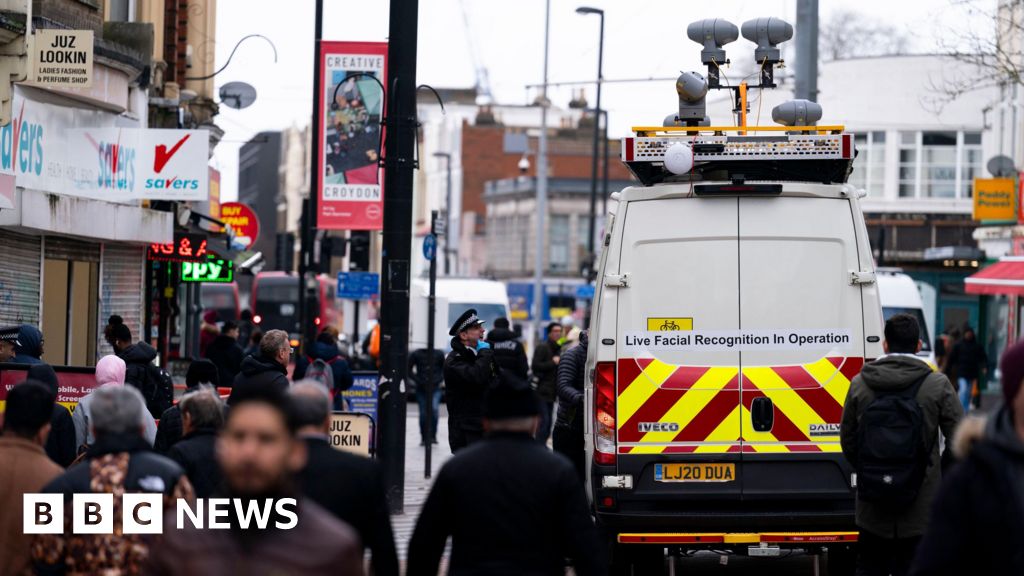
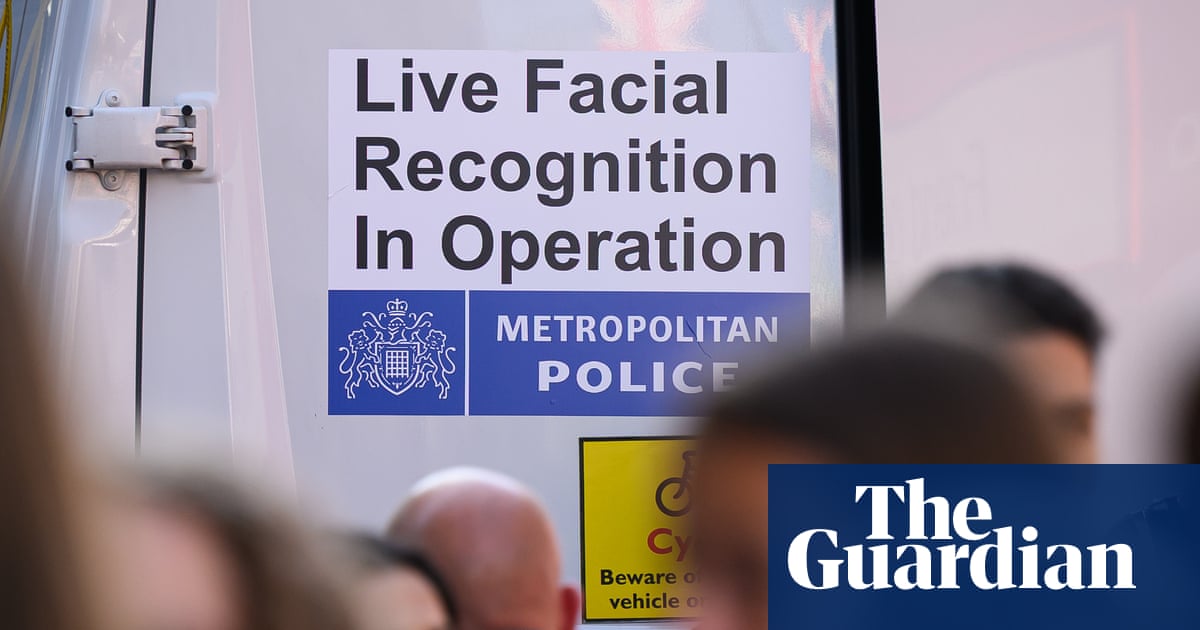
Mobile Fortify, now used by United States immigration agents in towns and cities across the US, is not designed to reliably identify people in the streets and was deployed without the scrutiny that has historically governed the rollout of technologies that impact people's privacy, according to records reviewed by WIRED. The Department of Homeland Security launched Mobile Fortify in the spring of 2025 to "determine or verify" the identities of individuals stopped or detained by DHS officers during federal operations, records show.
Microsoft's BitLocker is a security feature built into Windows that encrypts the entire hard drive. The idea is to protect your personal files from prying eyes in case your PC is ever lost or stolen. Decrypting the data requires a BitLocker recovery key, which is supposed to be safe from access by other people. Aah, but not so fast. Microsoft has confirmed to Forbes that it will provide your BitLocker recovery key if it receives a valid legal order.
Over the past few years, while applying for security and risk-related roles, I noticed a pattern that surprised me: many background screening vendors only asked for a few years of employment history, minimal address information, minimal educational verification, and returned results within one or two days. In contrast, I also noticed that industries with higher regulatory standards, such as finance and transportation, conduct far deeper checks that can span from weeks to months.
"A floor manager responsible for production asked me to fix his PC, which was so slow he could literally make a coffee in the time between double-clicking an icon and having the program open," Parker told On Call. The manager's PC was only a year old and ran Windows XP, a combo that at the time of this tale should have made for decent performance.
Security researchers have discovered a live infection in which an infostealer has stolen the configuration files of an OpenClaw AI agent. The attack was carried out through a broad file-theft routine that automatically searched for sensitive file extensions and specific folder names, including .openclaw. The malware was not specifically designed for OpenClaw; it arose by chance from capturing the operational context of the victim's AI assistant. What makes the attack particularly serious is the combination of stolen data.
There are people on the Internet who want to know all about you! Unfortunately, they don't have the best of intentions, but Google has some handy tools to address that, and they've gotten an upgrade today. The "Results About You" tool can now detect and remove more of your personal information. Plus, the tool for removing non-consensual explicit imagery (NCEI) is faster to use. All you have to do is tell Google your personal details first-that seems safe, right?