Agriculture
fromHigh Country News
13 hours agoWhy mycorrhizal fungi networks need more protection - High Country News
Mycorrhizal fungi are crucial for plant health and carbon sequestration, yet 90% of their biodiversity hotspots lack protection.
Around a third of UK gardeners use pesticides, and our studies found that house sparrow numbers, for example, were nearly 40% lower in gardens where the pesticide metaldehyde was used. By reducing pesticide use, you can actively encourage birds back into your outdoor spaces, as they rely on invertebrates such as slugs and snails as natural prey.
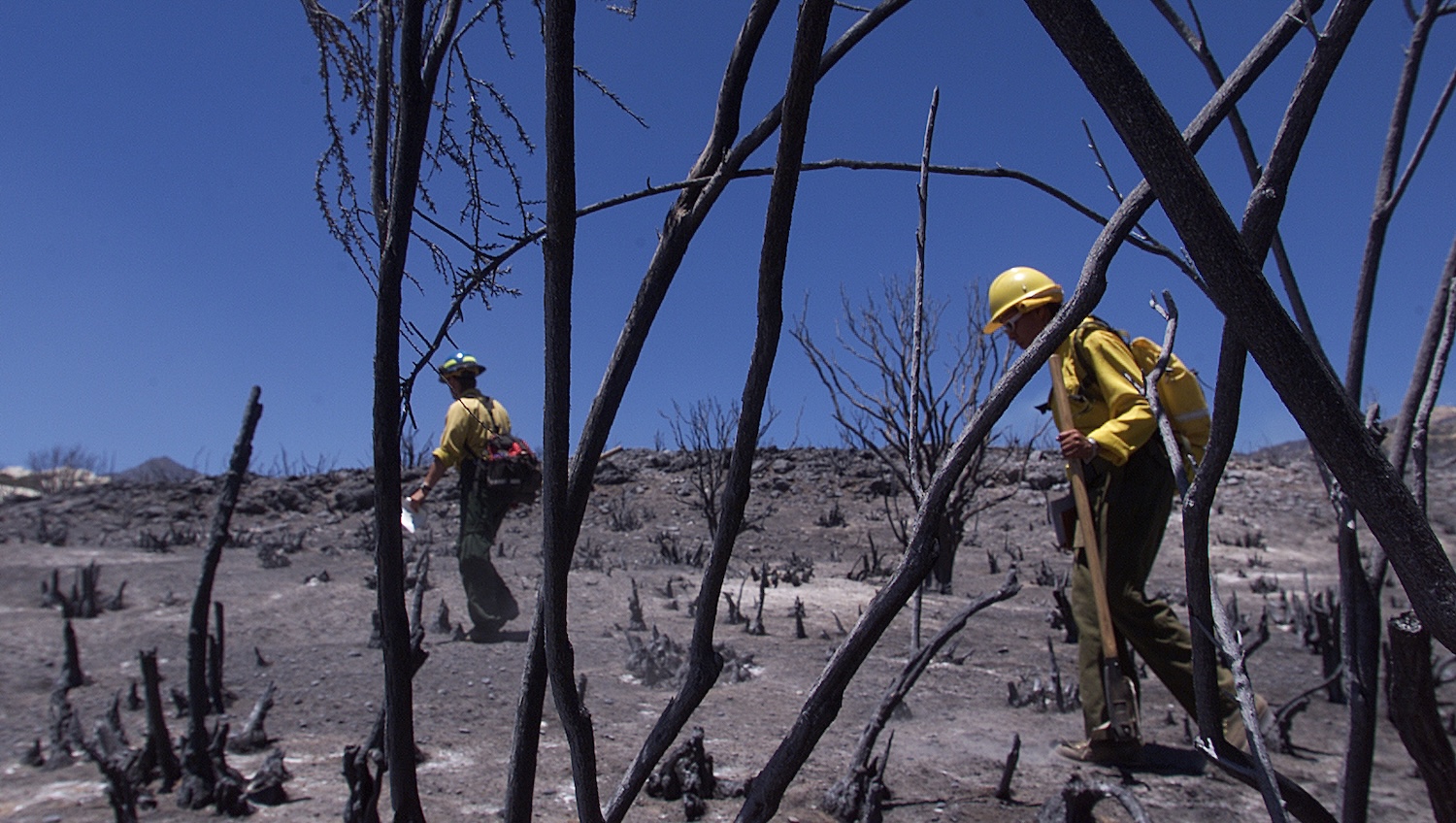
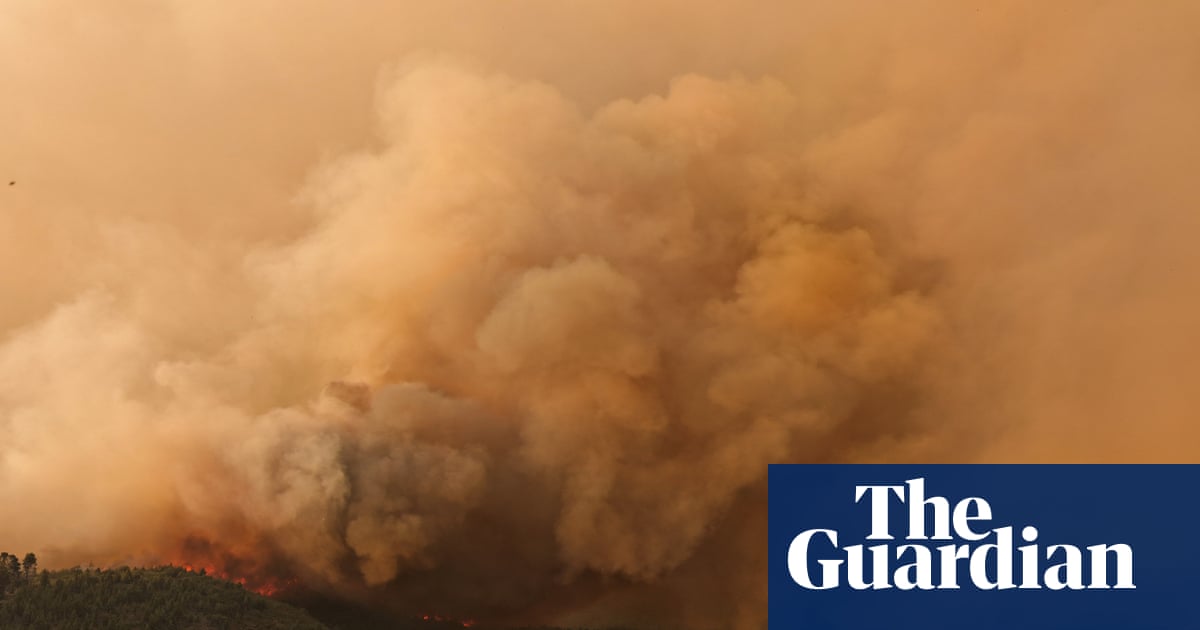
Wildfires have become an ever bigger problem in Canada. The 2018 wildfires were the biggest in British Columbia's history, but this record was broken in 2021, and then again in 2023, when fires consumed an area three times the size of the Canadian province of Nova Scotia and the smoke travelled as far as New York City.
The idea that hiking trails are a tool for conservation is based on a simple premise: people protect what they know. That requires making conservation areas accessible. There's no point telling people you only protect what you know, if you don't give them the tools to know. The trail is this tool. People who hike, people who camp, these people often become defenders of the environment.
After a majority of EU leaders gave the green light last week to the free-trade deal that was 25 years in the making, von der Leyen said it would "create more business opportunities" and "give [European] companies better access to critical raw materials." Once approved by the European Parliament and ratified by both the EU and Mercosur, the massive accord often dubbed a "cows-for-cars" trade deal will open up markets on both continents to almost all goods, including cars, machinery and chemicals from Europe.
The world spends 30 times more money destroying nature than protecting it. That's according to a new report from the United Nations Environment Programme (UNEP) that exposes a massive gulf between so-called "harmful investments" and financing that promotes nature preservation. The global environment agency's latest "State of Finance for Nature" (SNF) report is calling to phase out the US$7.3 trillion (6.2 trillion) in global investments that damage nature including into high-emissions energy infrastructure and manufacturing, for example.
The river won, the forest won, the memory of our ancestors won, said the campaigners in Santarem when it was clear their actions had forced the Brazilian government into a U-turn on plans to privatise one of the world's most beautiful waterways and expand its role as a soy canal.
BP's sponsorship of the museum has long drawn ire, in part because the oil company pursues an "all out for oil and gas" strategy, including plans to exploit deep drilling at the recently discovered Burmerangue site off the coast of Brazil. The project has been criticised by campaigners and oil and gas unions due to its threat to ocean ecosystems, elevated carbon dioxide levels, and lack of revenue flowing back into the Brazilian economy.
A moratorium that has protected vital rainforest since 2009 is on shaky ground as several players from Brazil's soy industry say they are pulling out. Specifically, the Brazilian industry association ABIOVE, whose members include global companies such as Cofco International, Bunge, Amaggi and JBS, have said they will no longer refrain from growing soy on deforested land. Environmentalists fear this could fuel a new wave of Amazon logging.
Wildlife populations are in decline. Recreation sites are crowded and often underfunded. Wildfires are larger, more destructive and harder to control. Climate change is reshaping natural systems, from ocean fisheries to mountain snowpacks, faster than institutions can respond. At the same time, communities are being asked to host new energy projects, transmission lines and mineral development - often without clear processes, adequate resources or trust that decisions are being made in the public interest.
Originally due to be published in the autumn, the review appears to have had some sections removed. An earlier version is reported to have included warnings about the risks of eco-terrorism and the growing likelihood of war between China, India and Pakistan due to competition over a shrinking water supply from the Himalayas.