Agriculture
fromTasting Table
2 hours ago13 Plants You Should Grow In A Laundry Basket Vegetable Garden - Tasting Table
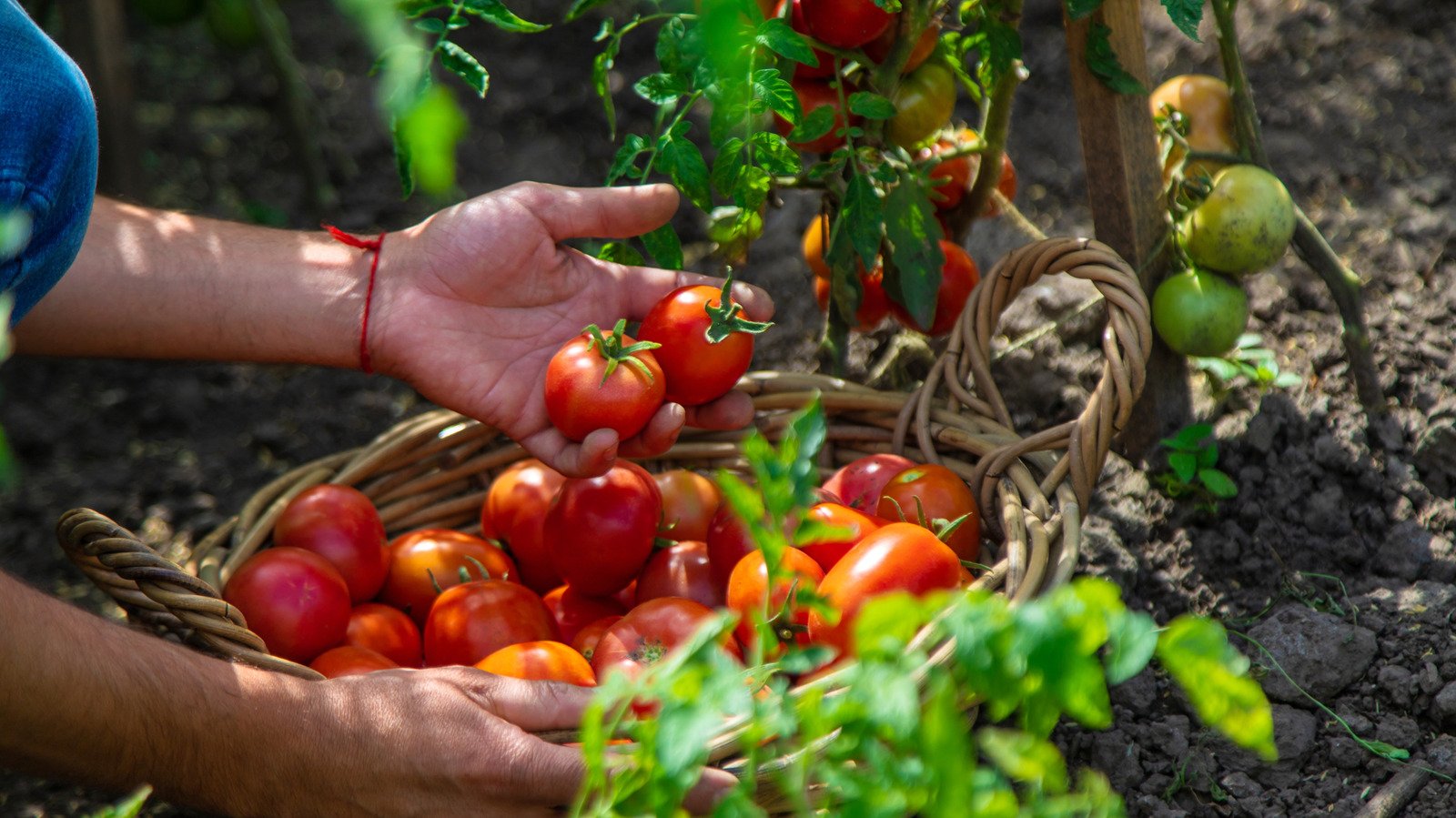
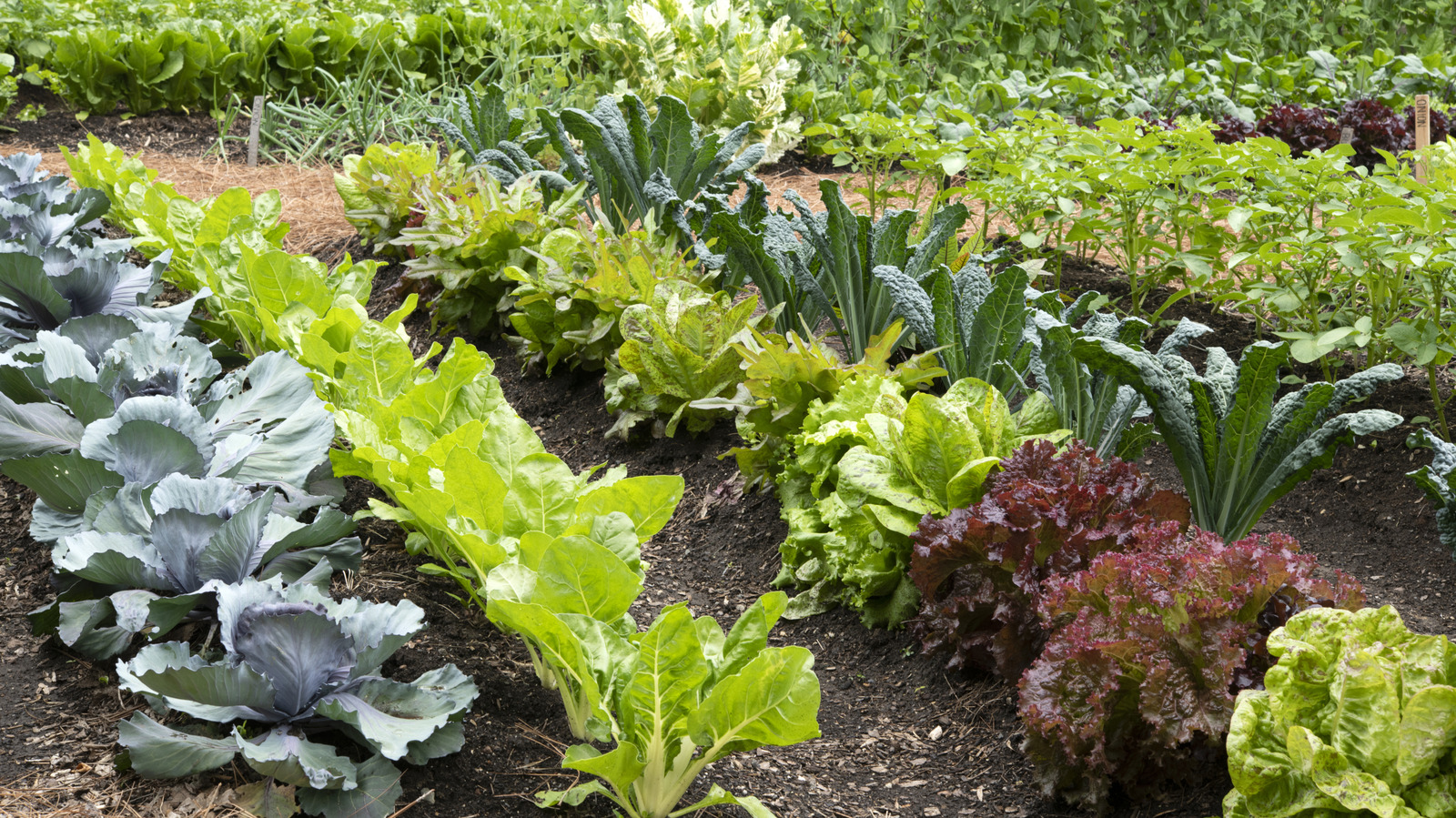
Food insecurity drives people to grow their own food, even in small spaces like laundry baskets.
Southern California, especially Los Angeles, has many breathtaking botanical gardens and wildflower-lined hiking trails. But it's also exciting to visit private home gardens that are rarely open to the public and find inspiration even if you don't have space for a garden at home.
The Eckling is designed specifically for balcony corners, addressing a gap that rectangular window boxes and round hanging pots have never managed to fill. Most railing planters sit along a straight stretch of rail, so corners get skipped entirely. An L-shaped recess cut into the base of the hemispherical bowl allows it to rest squarely on two railing legs at a corner junction, no extra hardware required.
Around a third of UK gardeners use pesticides, and our studies found that house sparrow numbers, for example, were nearly 40% lower in gardens where the pesticide metaldehyde was used. By reducing pesticide use, you can actively encourage birds back into your outdoor spaces, as they rely on invertebrates such as slugs and snails as natural prey.
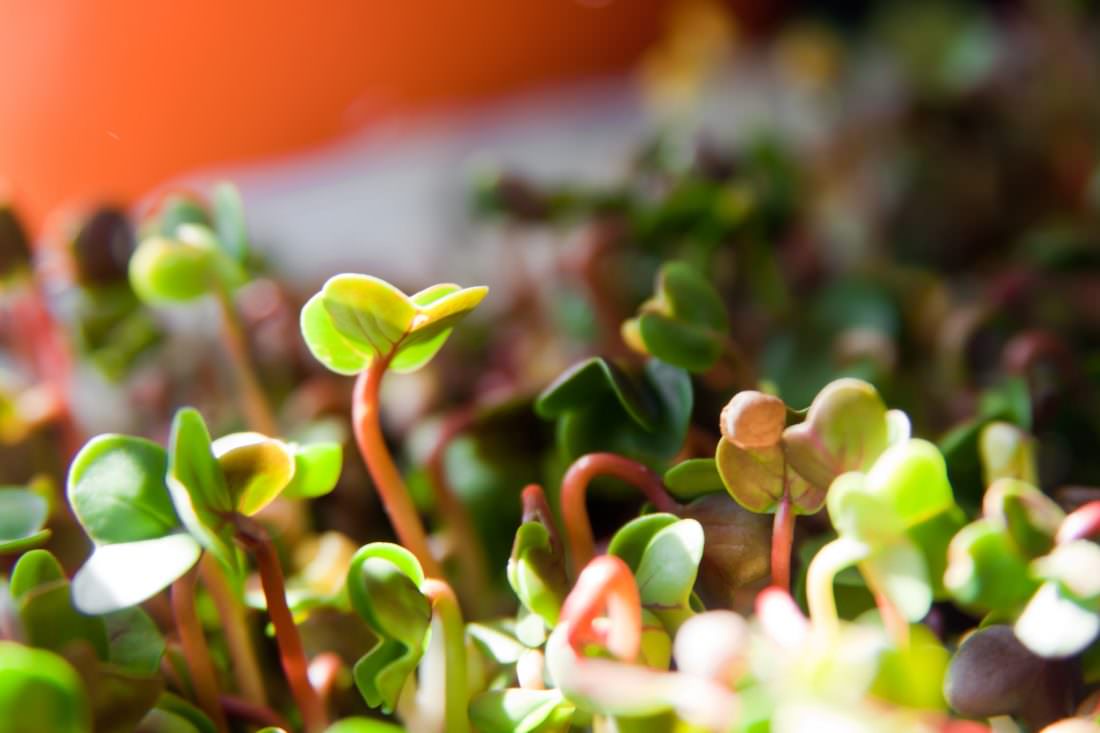
Seedlings are ambitious and will germinate and start growing once pressed into damp soil, shooting toward the nearest light source. However, if they remain in small containers without natural light, they can become root-bound and leggy, eventually collapsing under their own weight.
Garden angelica, Angelica archangelica, belongs to the Apiaceae family, the same botanical group as carrots, celery, fennel, and parsley. Like its relatives, it produces a large, distinctively umbrella-shaped inflorescence, or flower cluster, called umbels. In its first year, the plant forms a lower mound of bright green leaves. In the second, a thick, hollow stem shoots upward and unfurls the broad green flower heads that resemble wild carrot or Queen Anne's Lace.
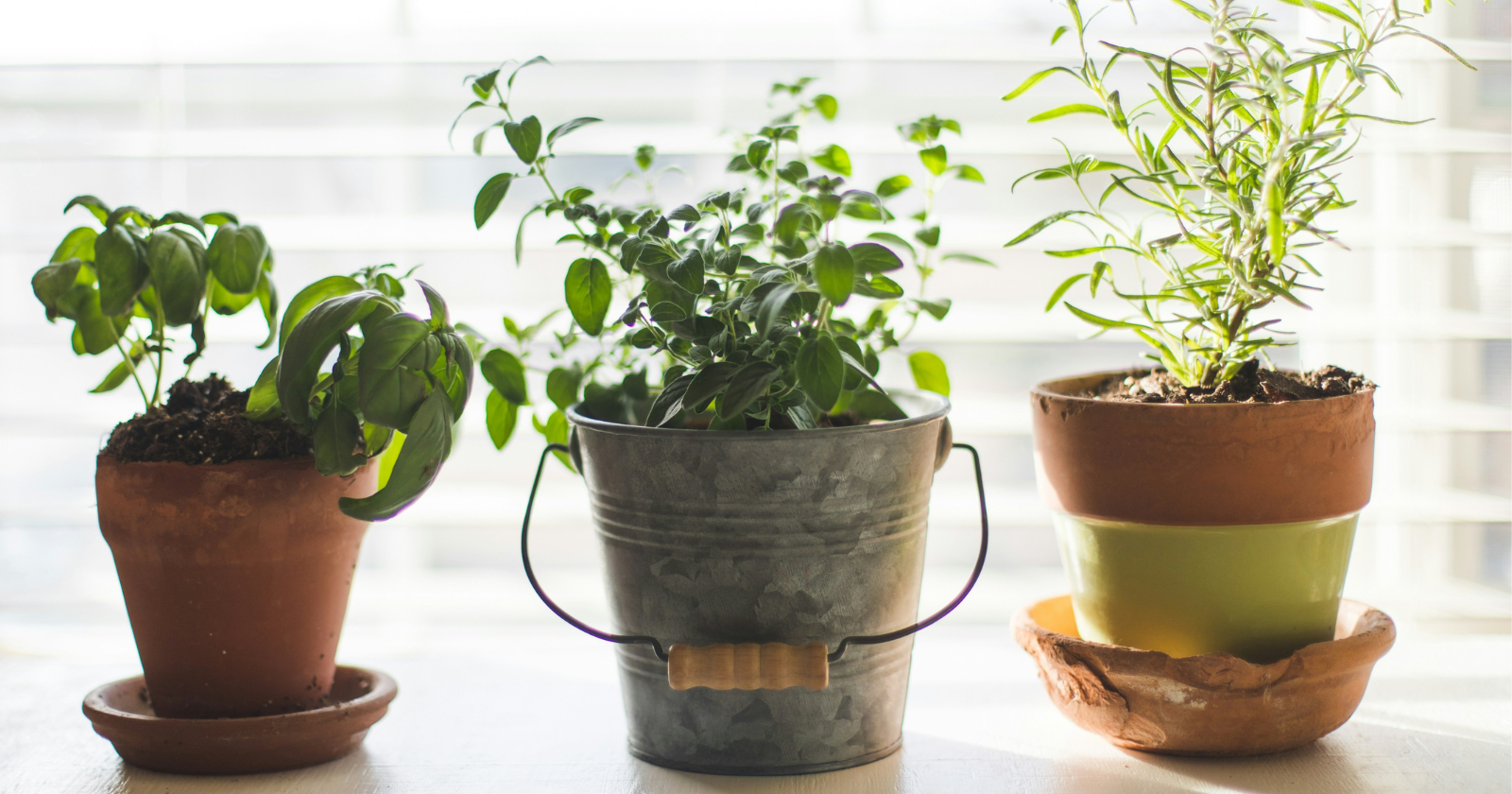
Instead of running to the store every time you need a handful of fresh basil (and inevitably letting the rest go to waste in your fridge), having an herb garden of your own allows you to only take what you need. While this in itself is a great sustainable practice, try taking it a step further by starting an herb garden in old plastic fruit containers.
To see where the moon melts over the garden,or where the bats flit, or where the air sweetens with pollen and moth-frenzy, I recommend a night walk to discern the perfect patch for it. Under this glow, we could all use a distraction-dig with a silver shovel and choose colors that swoon and moan under our satellite: dusty pinks, baby blue, lavender, white, and butter yellow gems unfurl at dusk until dawn.
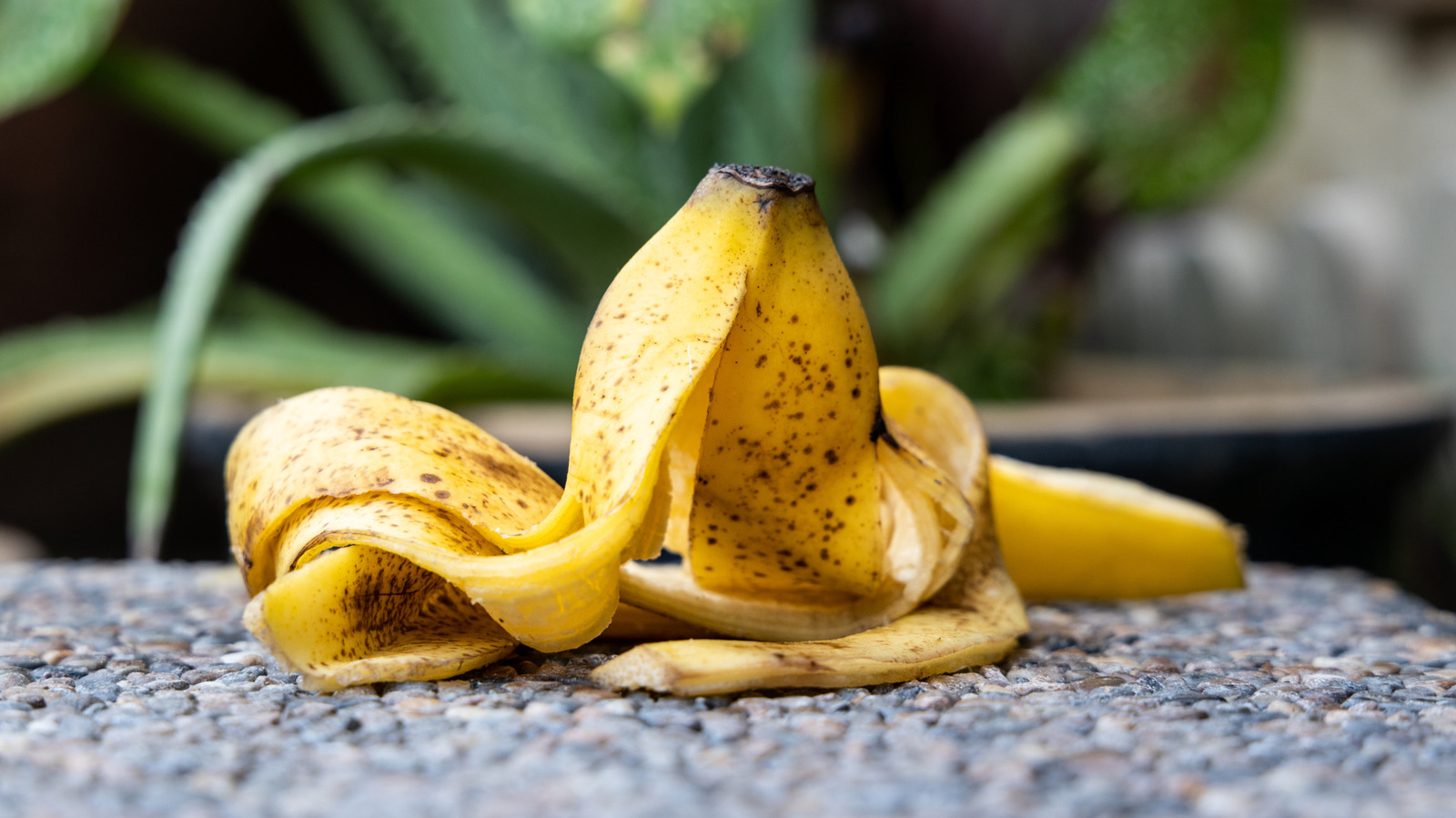
You are not alone: social media is full of claims that soaking banana skins in water makes a fertiliser that will give you bigger leaves and better blooms. The hack Put banana peels in a jar of water, leave them to sit, then pour the liquid on your plants. Bananas do contain potassium and small amounts of other nutrients. The snag is you have no idea how strong it is or what's missing.
Lots of pressure at this time of year, isn't there? All those pink cheeks and sweaty brows puffing their way around the park in dusted-down trainers; all those Botivo mocktails (delicious, for what it's worth) as we strive to self-improve during one of the most grisly months of the year. I've never really been one for resolutions, nor time-measured sobriety (amazing how having small children deflates one's desire to drink enough to conjure a hangover).
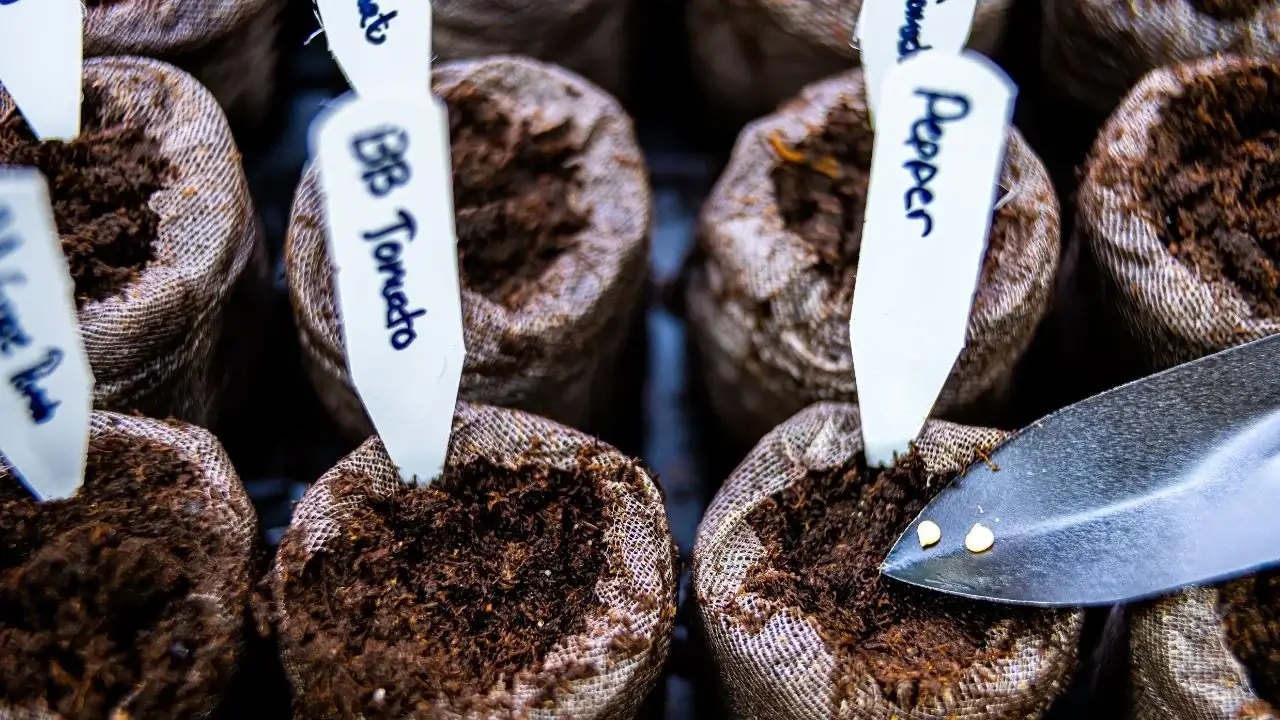
To an unimaginable eye, a seed looks inert. Yet they are packed with genetic information and biological processes poised to unfold. All it takes is the right configuration of signals and stimuli from the environment to let them know it's time to dare to grow.
People grow asparagus from crowns because it shortens the long wait times for harvesting. From seed, you'll need to wait three years before harvesting asparagus. Some people consider that a waste of time. The tradeoff is that you can keep harvesting every spring for up to 15 years or more. If you plant crowns, you get a one-year jump on things. However, those crowns may have soil-borne diseases you don't know about, so there is a risk involved. Seeds remove that problem.