#genotoxicity
#genotoxicity
[ follow ]
#microplastics #health-risks #public-health #chemical-exposure #plastic-pollution #cancer-prevention
#microplastics



Environment
fromwww.theguardian.com
2 months agoAre our bodies full of microplastics or not? There's a way to resolve this debate, and scientists must hurry | Debora MacKenzie
Microplastic research claims of widespread bodily contamination and health harm are undermined by methodological flaws and disputed measurements, leaving risks uncertain while science self-corrects.
Environment
fromFuturism
2 months agoWait... All Those Studies May Have "Detected" Microplastics in the Human Body Because of a Severe Error
Claims of widespread microplastics in human tissues are being challenged because of methodological flaws, contamination risks, and potential false positives in detection techniques.
OMG science
fromFuturism
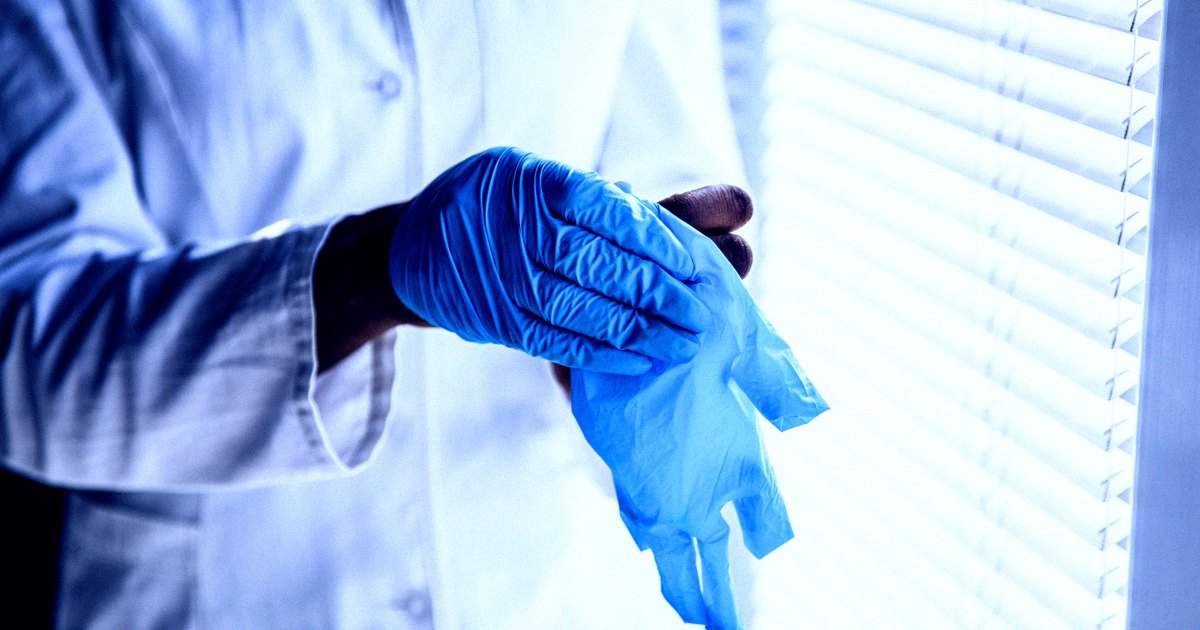
2 weeks agoYou Know How Scientists Keep Finding Microplastics Literally Everywhere? Well, You'd Never Guess What Their Lab Gloves Are Coated in Straight Out of the Packaging
Skepticism grows in the scientific community regarding microplastics research due to potential methodological errors and contamination issues.

fromwww.dw.com
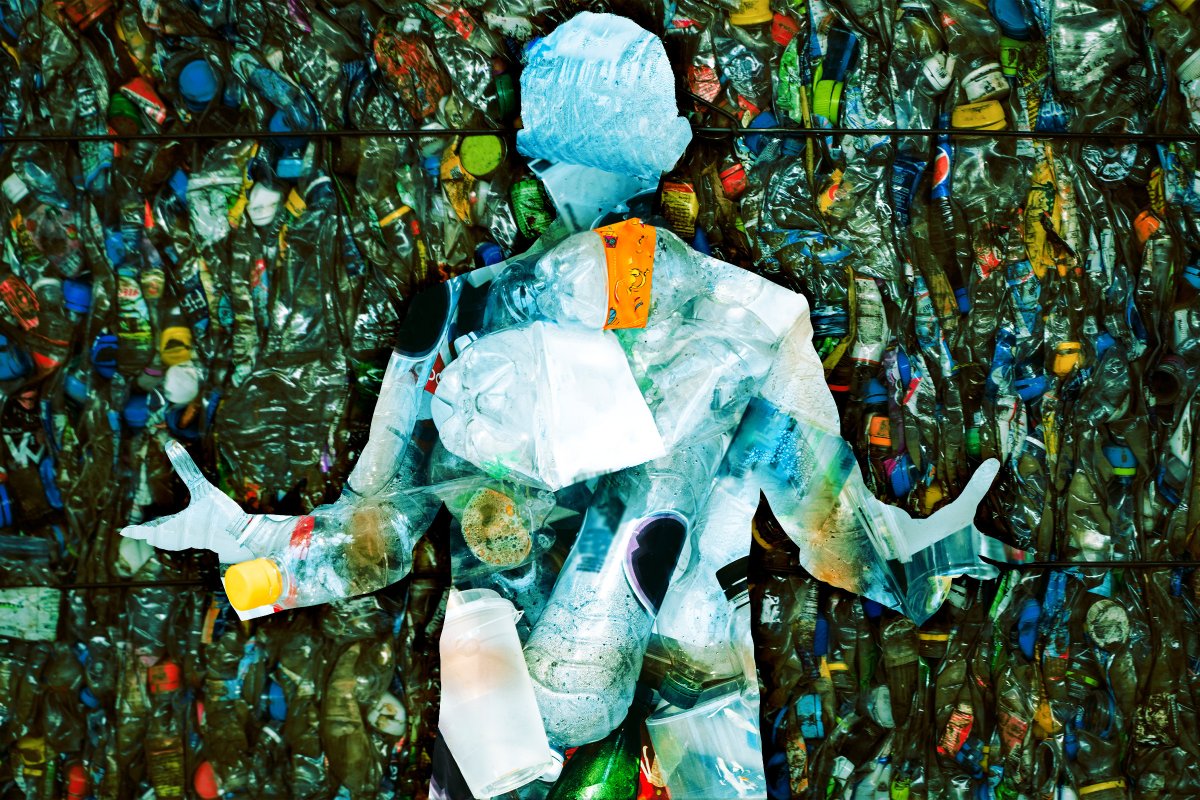
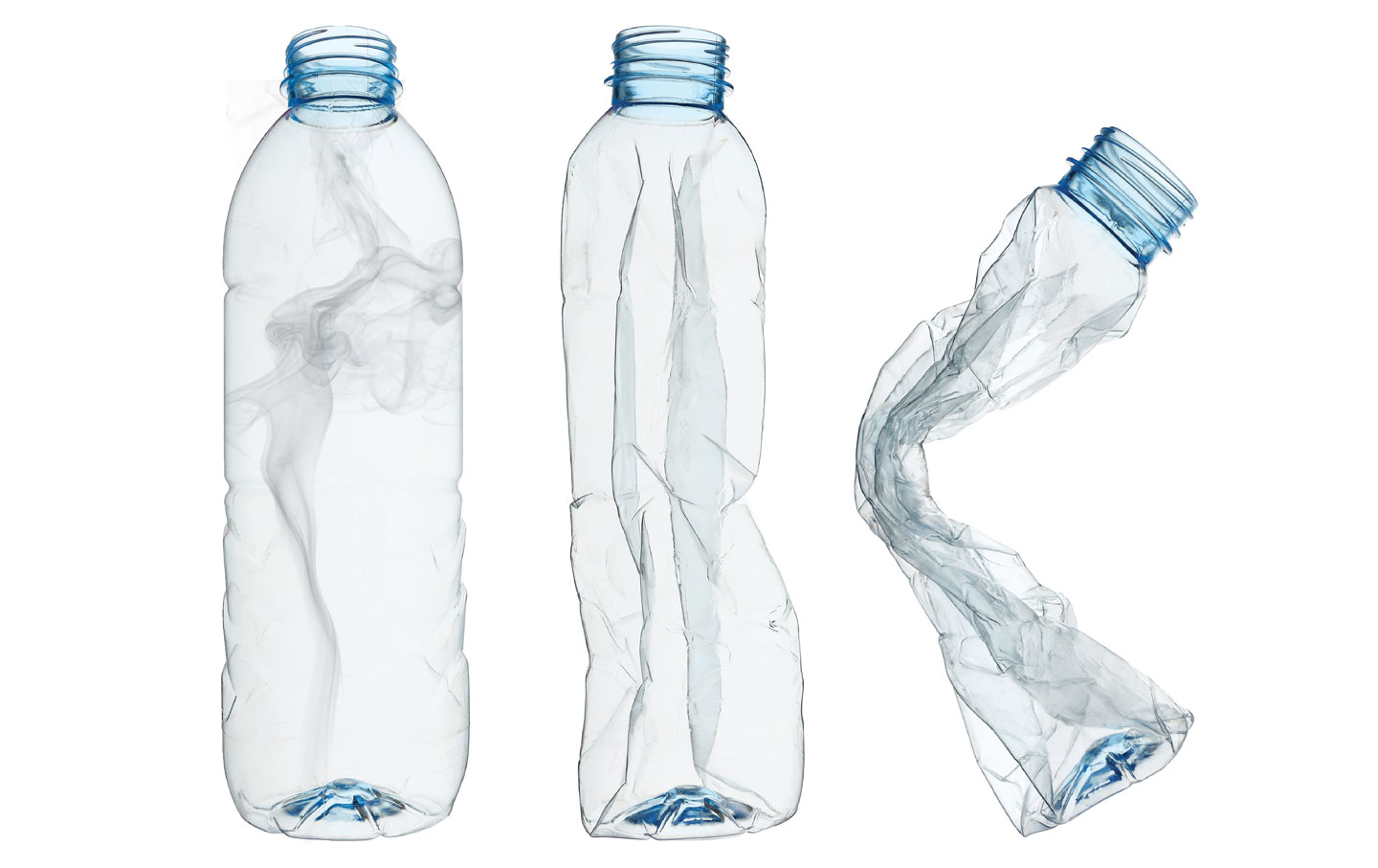
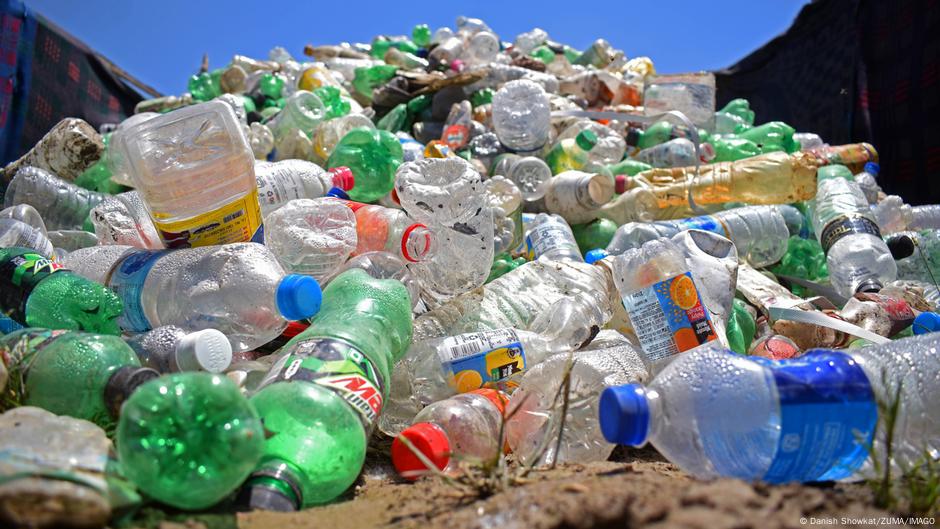
1 month agoWhat are plasticizers, and are they bad for our health?
Plasticizers are a general term for a whole range of chemicals added to materials, typically plastic and rubber, to make them softer and more pliable. They're found in countless everyday items like plastic shower curtains, shrink-wrap, PVC raincoats or flexible tubing and wire insulation for homes. Plasticizers, sometimes called phthalates, are also found in cosmetics, like nail polishes, lotions and shampoos.
Alternative medicine
fromSlate Magazine
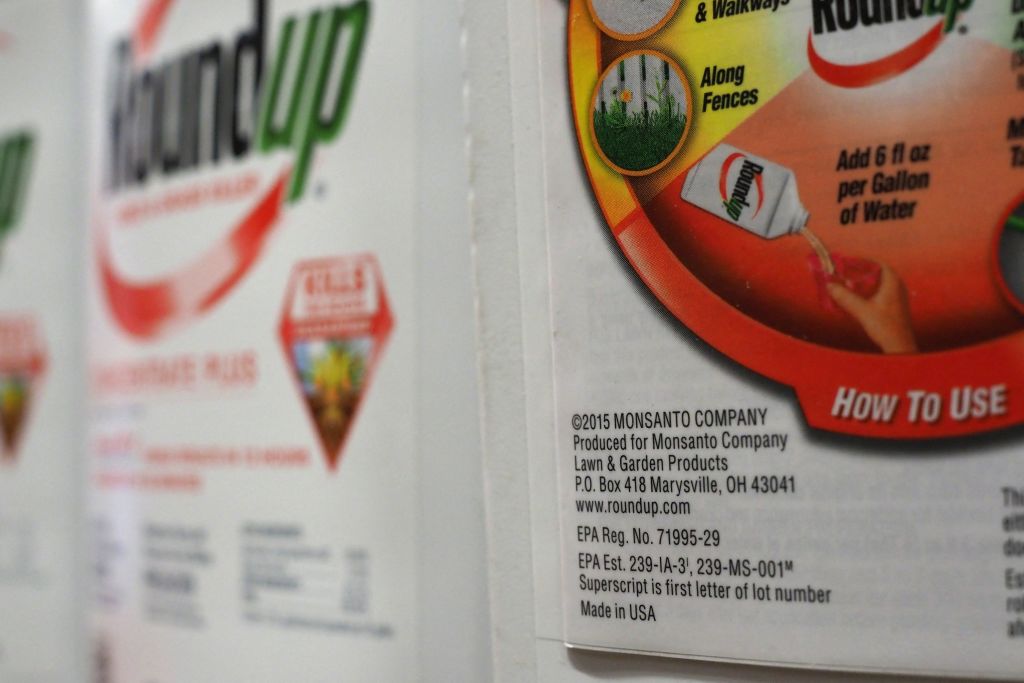
1 month agoOur Food System Depends On It. RFK Jr.'s Followers Hate It-and It Has Been Linked to Cancer.
Glyphosate is one of the most commonly used methods of handling weeds on farms and elsewhere. It is a key part of modern agriculture, to the point that imagining a food system that operates without it is incredibly challenging. Yet, glyphosate is also the subject of much debate.
Agriculture
Cannabis
fromwww.theguardian.com
1 month agoSyngenta says it will stop making pesticide linked to Parkinson's disease
Syngenta will cease paraquat production by June 2024, citing low sales contribution and generic competition, while facing thousands of Parkinson's disease lawsuits from exposed individuals.
Public health
fromLos Angeles Times
1 month agoTrump EPA moves to roll back recent limits on ethyene oxide, a carcinogen
The EPA proposes rolling back Biden-era ethylene oxide emission limits, citing $630 million in cost savings for medical sterilization facilities while environmental groups warn of increased cancer risks to nearby communities.
Alternative medicine
fromNatural Health News
3 months agoBottled water contains hundreds of thousands of invisible NANOPLASTICS, study finds
Bottled water contains approximately 240,000 microscopic plastic particles per liter, mostly nanoplastics small enough to enter human cells, originating primarily from bottles and filtration systems.
Cancer
fromenglish.elpais.com
1 month agoThree sisters and a dilemma: what to do when you inherit a genetic mutation that can cause cancer
Three sisters discovered they carry the BRCA1 gene mutation, which significantly increases breast and ovarian cancer risk, after their cousin's rapid cancer diagnosis prompted family genetic testing.

Information security
fromThe Hacker News
2 months agoExposure Assessment Platforms Signal a Shift in Focus
Exposure Assessment Platforms replace traditional Vulnerability Management by providing continuous, risk‑prioritized, cross‑layer visibility to reduce alert fatigue and address “dead‑end” exposures.
fromwww.scientificamerican.com
1 month agoGlyphosate is driving a rift in MAHA. Here's what the science says about its effects on health
Glyphosate is an amino acid inhibitor, which means it stops weeds from growing by blocking their ability to produce amino acids, which are the building blocks of proteins. The herbicide is commonly applied to crops, such as corn and soybeans, that have been genetically engineered to be immune to glyphosate's deadly effects.
Agriculture
fromNature
1 month agoHealth effects linger 20 generations after rats are exposed to fungicide
Exposure to a fungicide induced changes to gene expression in rats that persisted for at least 20 generations. It also increased the chance of offspring developing kidney disease, obesity or experiencing complications when giving birth, according to the longest-running study of 'epigenetic' changes in mammals.
Science
fromArs Technica
1 month agoHave we leapt into commercial genetic testing without understanding it?
Martschenko's argument is largely that genetic research and data have almost always been used thus far as a justification to further entrench extant social inequalities. But we know the solutions to many of the injustices in our world-trying to lift people out of poverty, for example-and we certainly don't need more genetic research to implement them. Trejo's point is largely that more information is generally better than less.
Science
Medicine
fromwww.nature.com
2 months agoPre-incision structures reveal principles of DNA nucleotide excision repair
Nucleotide excision repair removes bulky DNA lesions via coordinated recognition, verification, excision, and resynthesis to maintain genome stability and prevent cancer and premature ageing.
fromMail Online
2 months agoThe 25 cancer-causing chemicals FDA allows in America's food
New analysis has identified 25 chemicals linked to cancer that the Food and Drug Administration ( FDA) still allows in American food production. The findings come from scientists at the Environmental Defense Fund (EDF), a nonprofit environmental advocacy group, who determined that eight of the chemicals are classified as known human carcinogens and 17 are reasonably anticipated to be human carcinogens.
Public health
fromFuturism
1 month agoHuge Study Finds Living Near Nuclear Plants Linked With Cancer Deaths
Our study suggests that living near a [nuclear power plant] may carry a measurable cancer risk - one that lessens with distance. We recommend that more studies be done that address the issue of NPPs and health impacts, particularly at a time when nuclear power is being promoted as a clean solution to climate change.
Public health
fromwww.dw.com
2 months agoTackling PFAS could save big bucks and our health
The UK announced Tuesday to tackle PFAS pollution, introducing an action plan to "understand where these chemicals are coming from, how they spread and how to reduce public and environmental exposure." The plan includes monitoring of rivers, lakes and seas, supporting a transition away from PFAS and consulting on a limit for drinking water. While some have called the plan "encouraging", others have said it doesn't go far enough.
Environment
Science
fromwww.nature.com
1 month agoEditorial Expression of Concern: Transcription-independent ARF regulation in oncogenic stress-mediated p53 responses
Western blot bands in Figs. 1e, 3g, and 4c show apparent duplication; original data unavailable; affected results should be interpreted with caution.


Public health
fromwww.standard.co.uk
2 months agoLondon firefighters exposed to toxic chemicals face higher risk of cancer, report warns
London firefighters exposed to toxic substances face higher cancer incidence and abnormal tumour markers than the general population, indicating occupational health risks.
fromNature
2 months agoExposome studies can improve lung health
The conventional approach to evaluating the impact of air pollution is to focus on a single exposure during a fixed period of time. But evidence suggests that contaminants work together, magnifying the damage to people's lungs. Conventional studies fail to probe synergistic effects. They also ignore the cumulative effects of lifelong exposures to pollutants, known as the exposome. Researchers need to shift away from single-pollutant studies and towards those involving a broad range of exposures.
Public health
[ Load more ]