Germany news
fromwww.dw.com
1 day agoGermany: Neighbor attacked for pounding schnitzel too loudly
A schnitzel dispute in Germany escalated to violence, leading to police intervention after a neighbor was slapped over loud meat pounding.
Thick grey-green mud squidges through my toes as I step into the icy, irresistible water. I'm on the descent from the Britannia Hut at the foot of the Allalinhorn in the Valais canton of the Swiss Alps.
We begin with a deliberately ambitious question. What would it take for every person on Earth to live at least as well as someone in Switzerland does today-by 2100? Not culturally Swiss, but economically empowered with high incomes, long lives, strong education, and social cohesion. Achieving this would require global GDP to be about 8.5 times higher than it is today. That figure alone is enough to trigger skepticism. Will we have enough energy, materials, food, and innovation?
After the tensions of the George W. Bush era, the new US president's approval ratings among Germans skyrocketed. According to a Pew Research Center survey, 93% of Germans believed Obama would "do the right thing regarding world affairs." That remains a record to this day. Even in 2016, at the end of his second term, an extraordinary 86% of Germans still trusted Obama.
The World Economic Forum's annual meeting in Davos felt different this year, and not just because Meta and Salesforce took over storefronts on the main promenade. AI dominated the conversation in a way that overshadowed traditional topics like climate change and global poverty, and the CEOs weren't holding back. There was public criticism of trade policy, warnings about AI bubbles popping, and a lot of talk about what comes next for the industry.
Luxembourg City takes first place with 18.15 percent of reviews mentioning 'beautiful.' Travelers often highlight its clean streets and strong mix of old and modern areas. Even though the capital is small, people seem to appreciate how easy it is to walk around.
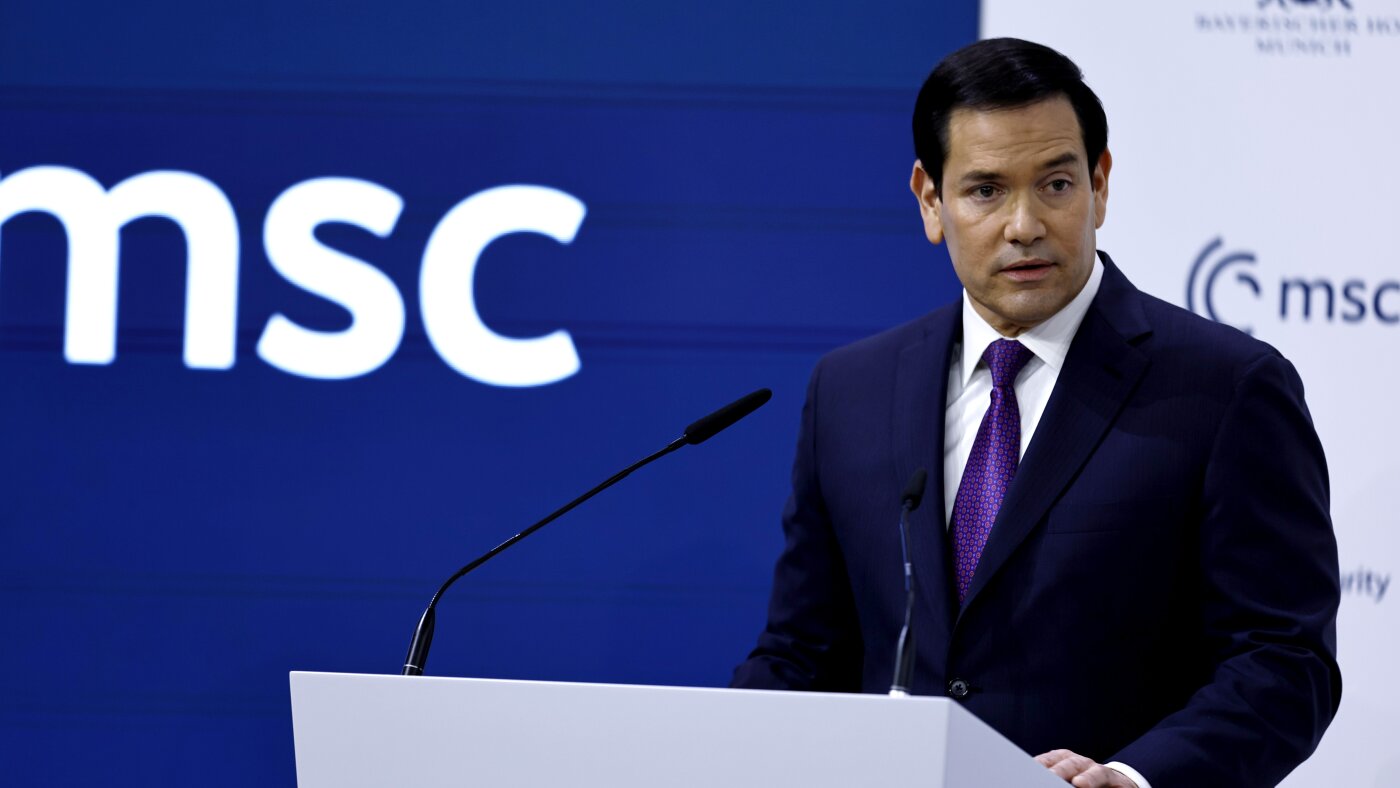
The 62nd Munich Security Conference opened on 13 February 2026 in Munich, Germany, and this year's gathering feels different from past editions. For decades, Munich was about jets, troops, and treaties. Today, cyber and AI are no longer peripheral; they are part of the architecture of security itself. Cyber risks, digital infrastructure, and emerging technologies like AI now sit alongside tanks and treaties on the agenda as European leaders try to make sense of a world where digital threats and geopolitical tensions are deeply intertwined.
Germany and Italy are deepening defense and economic cooperation with the leaders of the two countries signing an agreement in Rome. German Chancellor Friedrich Merz and Italian Prime Minister Giorgia Meloni agreed on closer cooperation in the production of drones, naval vessels, underwater systems and air and missile defense systems. The leaders are also looking to collaborate in the development of electronic warfare and aerial combat defense systems.
Switzerland will vote this summer on a proposal from the far-right Swiss People's party (SVP) to limit the country's population to 10 million, a move that would threaten key agreements with the EU and, opponents say, cripple its economy. The government said on Wednesday the referendum on the SVP's No to a 10 million Switzerland initiative, which is strongly opposed by both chambers of parliament and the business and financial services community, would be held on 10 June.
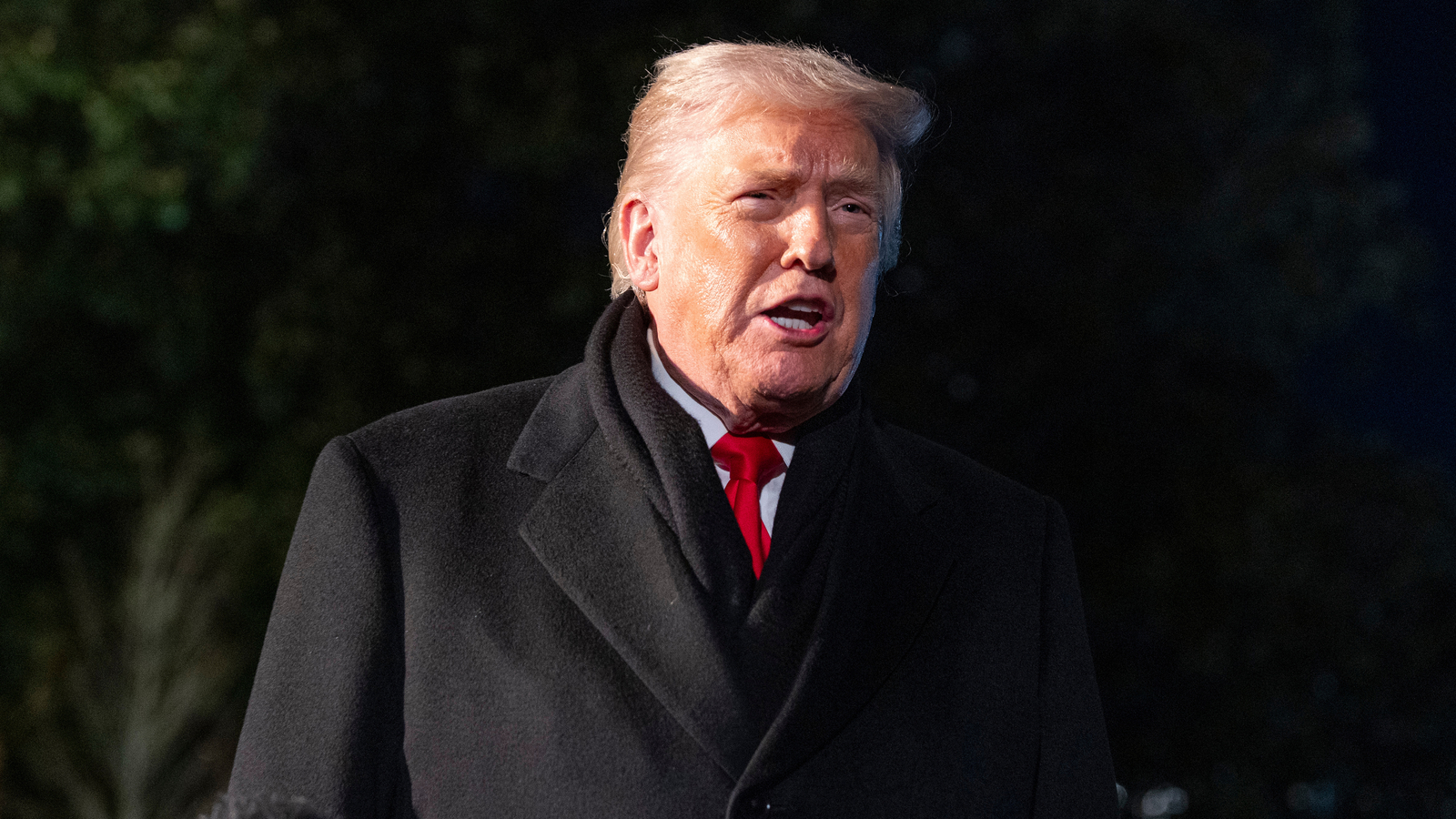
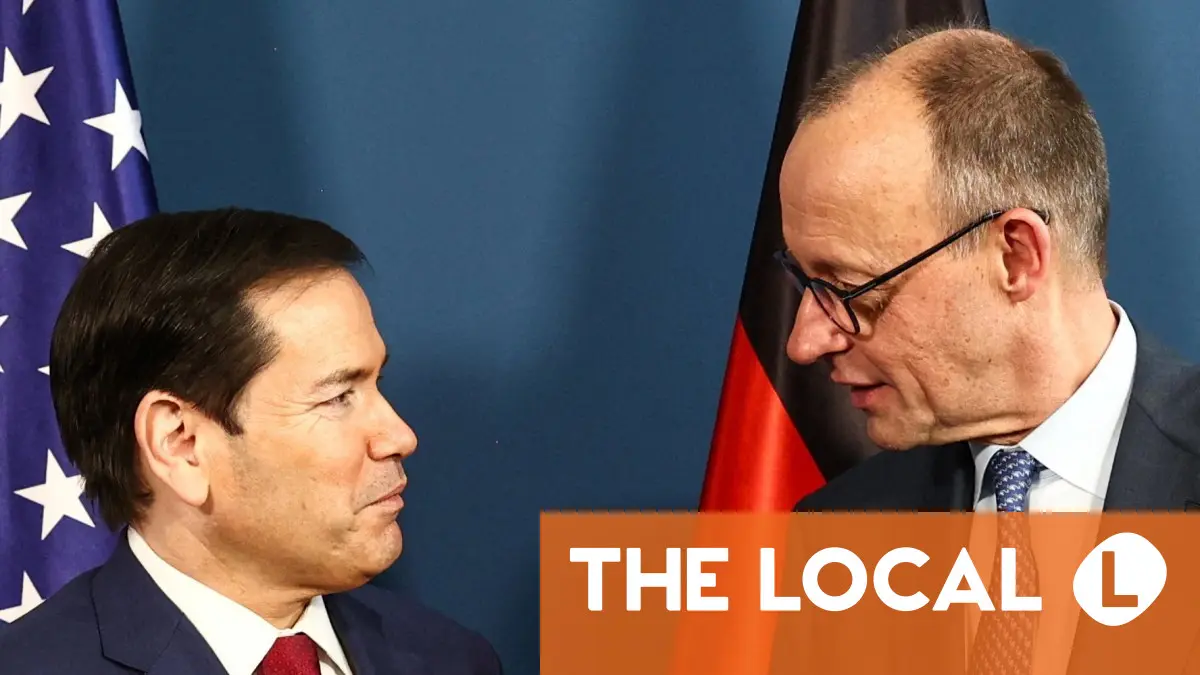
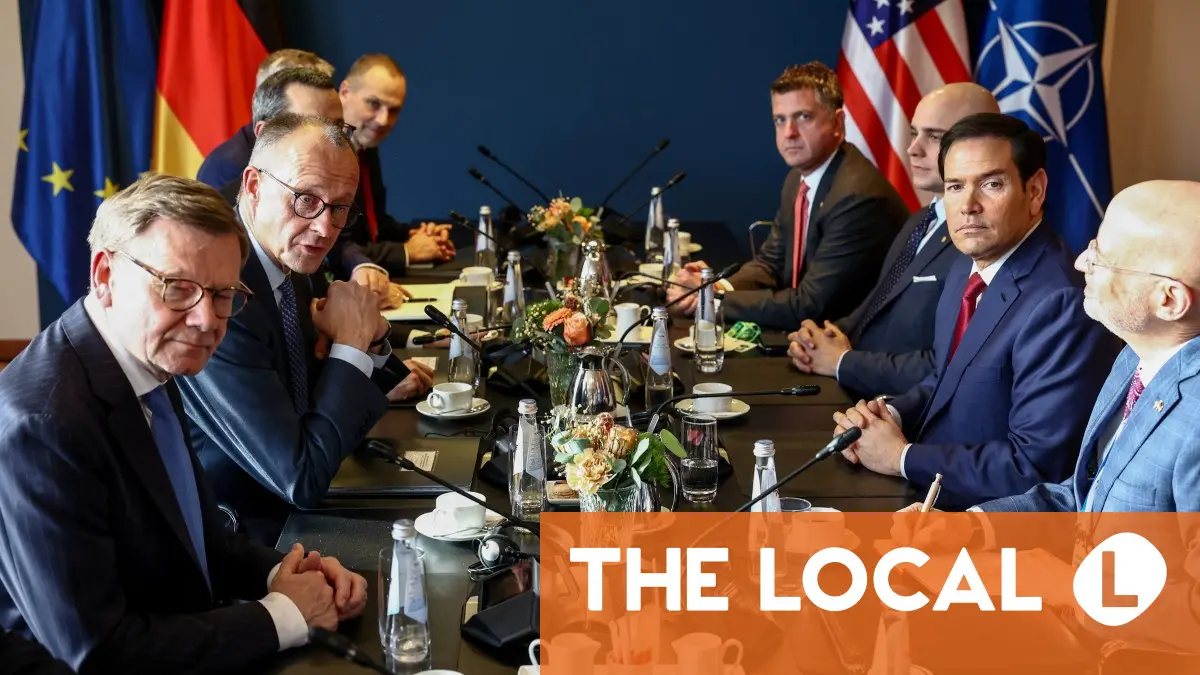
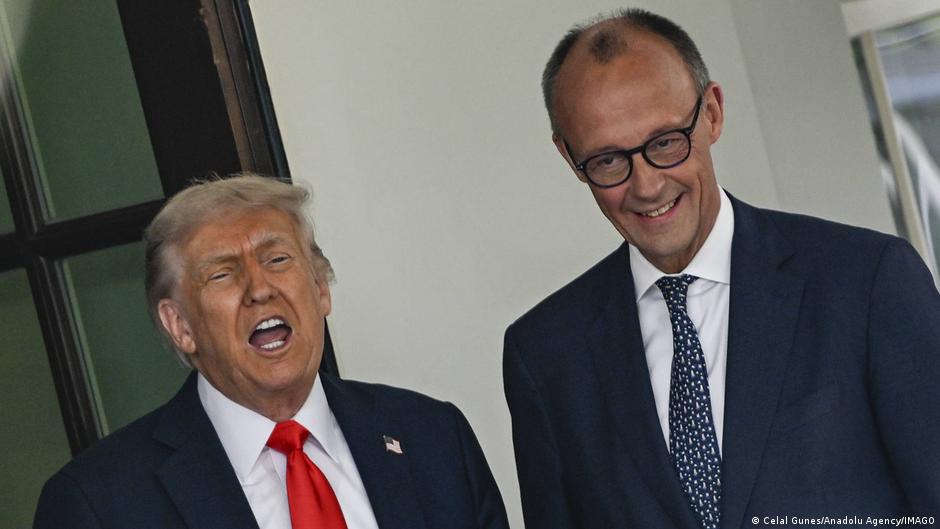
Relations between the US and Germany are increasingly tense. As German and European leaders determine how to respond to Donald Trump's tariff threats over Greenland, we're asking if world events affecting the everyday lives of Americans in Germany? While we'd like to believe that everyone is capable of making the distinction between a citizen of a certain country and the actions of their government, that's not always the case.
:max_bytes(150000):strip_icc()/TAL-bacharach-germany-BEAUTEURO0525-1e9642ff13c34bf4a9a6d9e04d8b0fe7.jpg)