Environment
fromEntrepreneur
1 day agoWater Isn't Just a Line Item - It's Your Quietest Energy Deal
Water is now a macroeconomic variable, with the water-energy nexus impacting efficiency and economic consequences in industrial operations.
"We were considering multiple forms of capital when we started. It just felt like the opportunity is so large that venture capital gives us the opportunity to take those risks upfront and have the possibility to generate an outsized return."
The group points out, correctly, that the grid is designed for brief bursts of high demand; most of the time there's lots of capacity that goes unused. Utilize thinks that should change. The group argues that smarter ways to use that capacity already exist. Utilize name checks a number of those solutions, including battery storage, demand response, and virtual power plants, all of which have emerged en masse over the last decade, but remain under utilized.
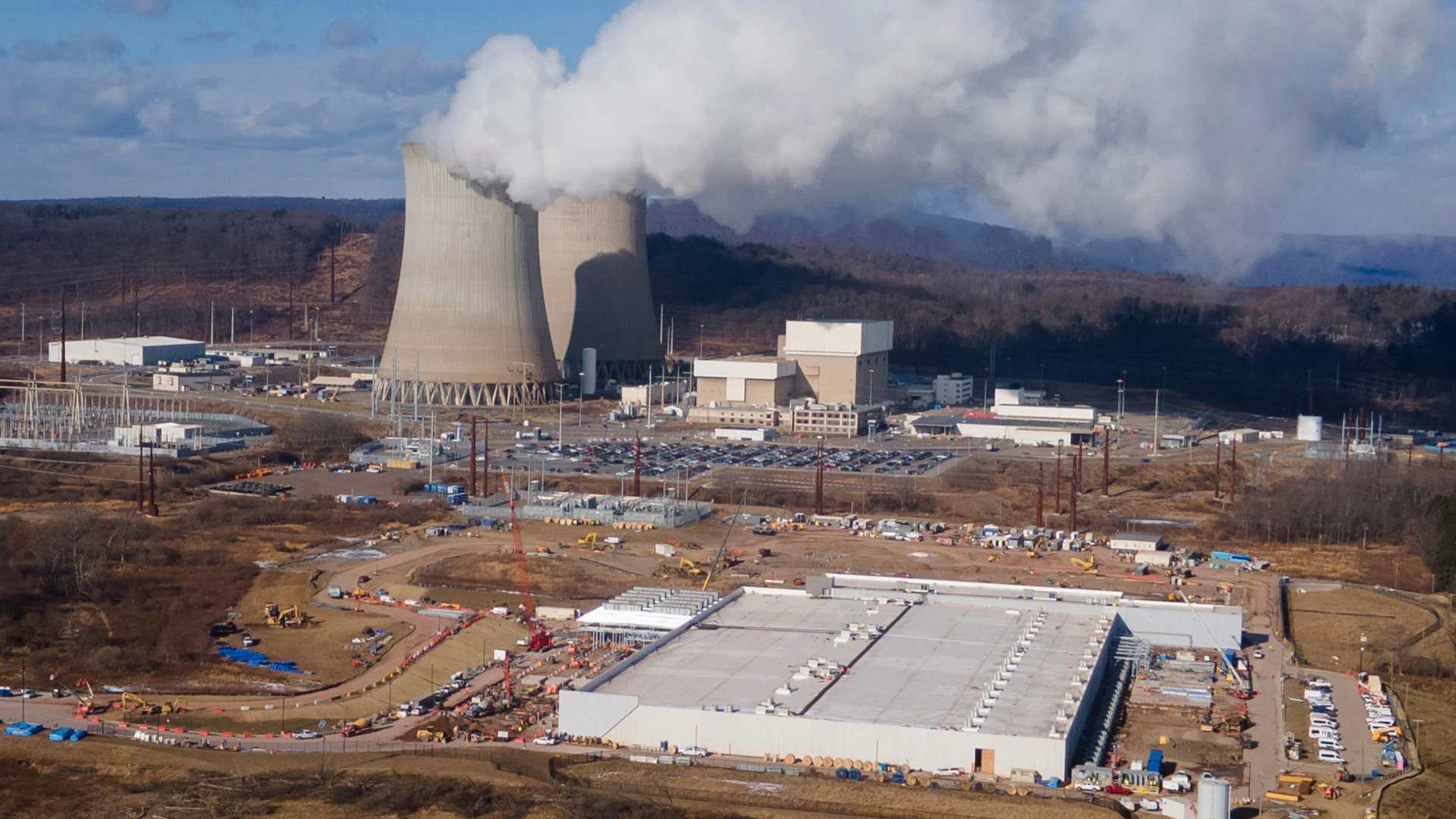
Data center electricity consumption is on pace to exceed 1,000 terawatt-hours by 2030, up from just 460 TWh in 2024, and it will comprise 10% of the U.S.' power consumption. Utilities ETFs like Virtus Reaves Utilities ETF (NYSEARCA:UTES), First Trust NASDAQ Clean Edge Smart Grid Infrastructure Index Fund (NASDAQ:GRID), and First Trust Utilities AlphaDEX Fund (NYSEARCA:FXU) are well positioned to benefit, not just from electricity demand, but all the downstream effects from an ongoing rapid buildout of infrastructure to support them.
The bulk of the £200 (10%) saving from a year ago is not real. It's a transfer of bad climate policy costs from bills to taxes. Hiding the problem, not solving it. This means future taxpayers, your children, are now subsidising old wind farms and failed heat pump promotion campaigns, rather than stopping the waste.
Last year, the company's profit fell 45% compared with 2024, driven in large part by falling sales of its electric vehicles. Investors anticipated the decline in sales, but Tesla still beat Wall Street earnings and revenue estimates thanks to its energy storage business. Tesla deployed a record 46.7 gigawatt-hours of energy storage products in 2025, a 48% increase from last year, according to the company's official filings.
The brutal cold snap gripping New York this winter has left utility customers feeling the burn of skyrocketing heating bills. National Grid customers in NYC are outraged over skyrocketing heating bills, coinciding with the utility giant's Monday announcement of record usage during the city's ongoing cold snap. The astronomical costs, several readers told amNewYork, are overwhelmingly driven not by increased consumption but by soaring delivery fees and other unclear charges listed on their monthly bills.
As Anthropic invests in more AI infrastructure, it says it will "will cover electricity price increases that consumers face from our data centers," per a post to its website this week. "[AI] companies shouldn't leave American ratepayers to pick up the tab." Data centers can hike electricity costs because they drive up electricity demand and they can require costly infrastructure upgrades, the costs of which get passed on to ratepayers.
When Specian dug into the data, he discovered that implementing energy-efficiency measures and shifting electricity usage to lower-demand times are two of the fastest and cheapest ways of meeting growing thirst for electricity. These moves could help meet much, if not all, of the nation's projected load growth. Moreover, they would cost only half-or less-what building out new infrastructure would, while avoiding the emissions those operations would bring.
The government has awarded contracts to a record supply of new solar power projects, in a move that boosts the country's clean power goals but could spark anger from local opponents. The developments will be located across England, Scotland and Wales, with the West Burton solar farm planned for the Lincolnshire and Northamptonshire border becoming the largest ever to win a government contract.