Mindfulness
fromYoga Journal
13 hours ago6 Yoga Retreats That Center Wildlife and Conservation
Nature-based yoga retreats enhance mindfulness and presence through ethical wildlife experiences, fostering awe and connection in stunning ecosystems.
Veronica O'Brien-Lim explained that the bears were living under her home due to the previous owners digging a foundation under half of the addition. Initially adorable, the bears began causing problems by going through neighbors' trash and chewing on wires.
Jackie, the world-famous Big Bear bald eagle, has been melting hearts and educating the public about her species since 2015, thanks to a web camera run by the California nonprofit Friends of Big Bear Valley (FOBBV).
The city of Orlando happens to have the most green space per resident than any other major city, according to a new analysis from travel platform BookRetreats. The city, known as The City Beautiful, offers roughly 2,777 square feet of greenery per person. That translates to more than 148 parks, gardens, and recreation areas, according to the study, with plenty of lakes, trails, and botanical gardens to explore.
This declaration establishes a much-needed green lung for this part of the borough. Our charity launched this campaign back in January 2021. At that time, we were emerging from Covid lockdown, and people were discovering the wonders of nature and wildlife on their doorstep in the Brent River Park.
An unnamed tourist saw it and told Aidan Moore, who works for Alcatraz City Cruises. Moore told SFGATE that he was initially skeptical, but the guest's iPhone footage left little room for doubt. The video shows, not a sea lion or an otter, but an actual Canis latrans, doggedly dogpaddling, then clambering out of the water, noticeably shaky and struggling to settle tired paws on the craggy rocks.
The Okefenokee Swamp is not only one of America's most important ecosystems, but also the largest blackwater swamp in North America. Its vast stretches are home to several endangered species, like the indigo snake and the wood stork.
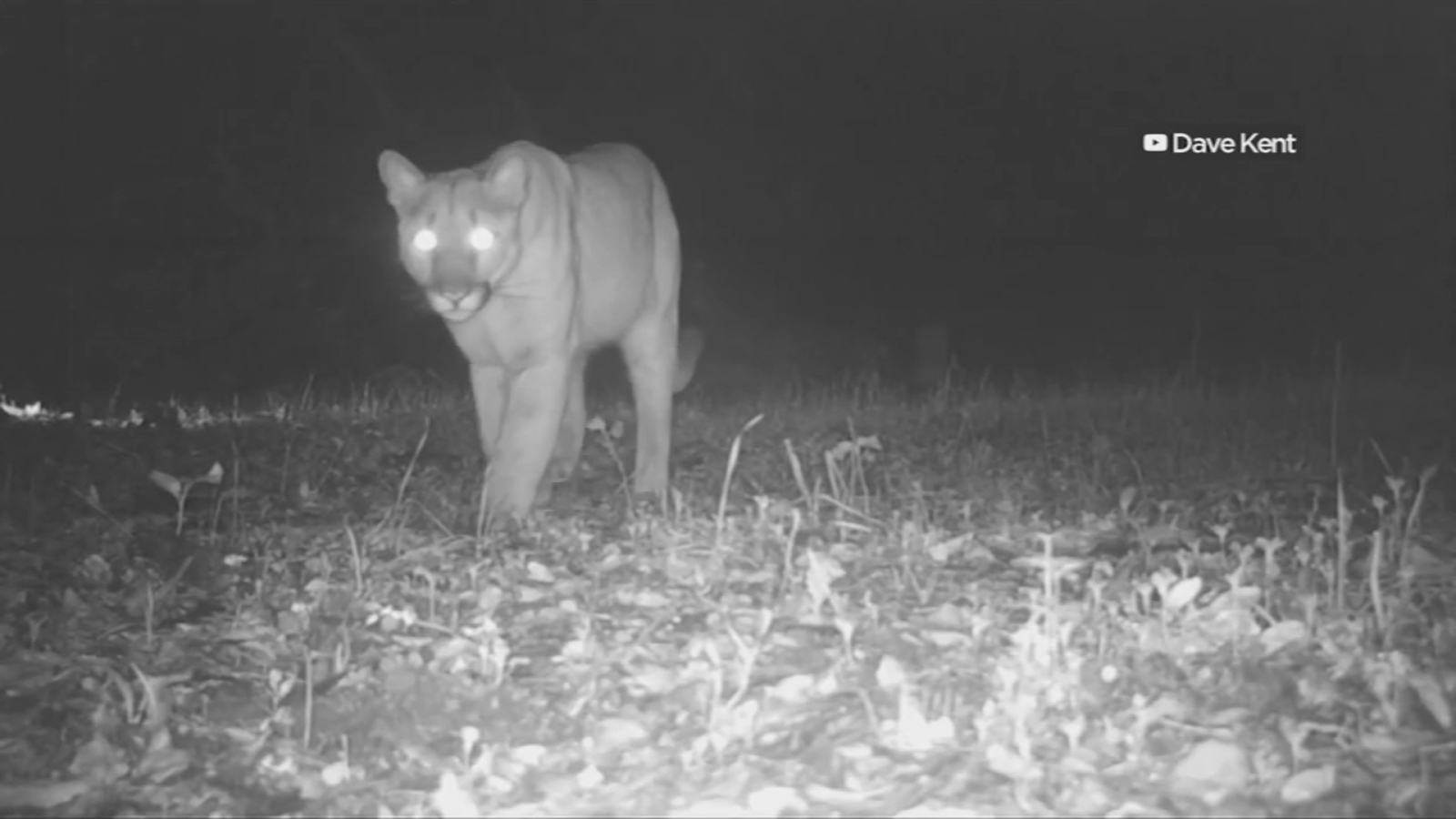
Most residents don't see many bobcats because the animal is "naturally elusive" and has adapted to avoid humans. However, bobcats do take advantage of the food and shelter that people create, said local officials. Animal control officers said that, like coyotes, raccoons, foxes, and skunks, it is also bobcat mating season, which means bobcats will be active and more likely to be seen walking around.
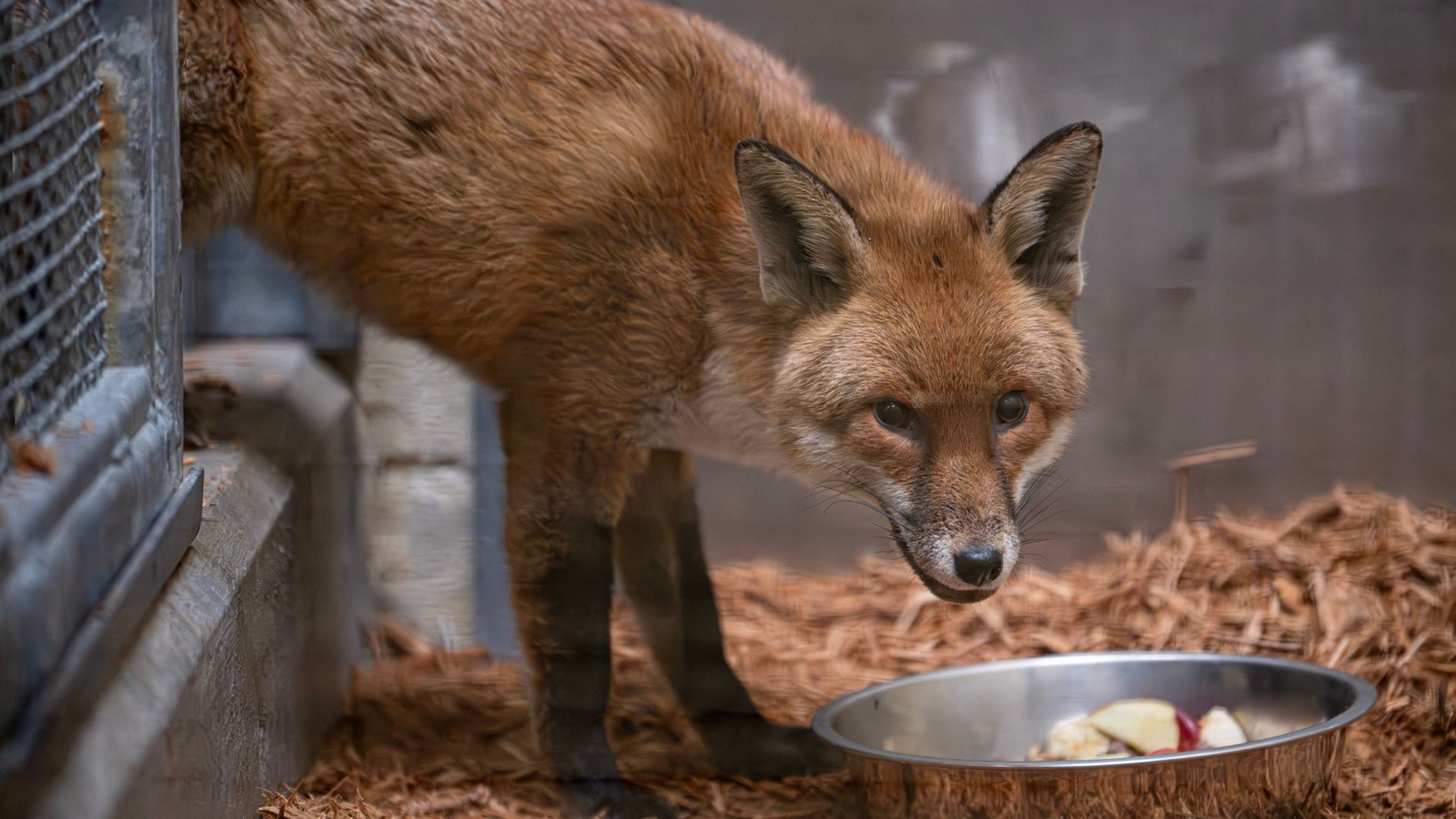
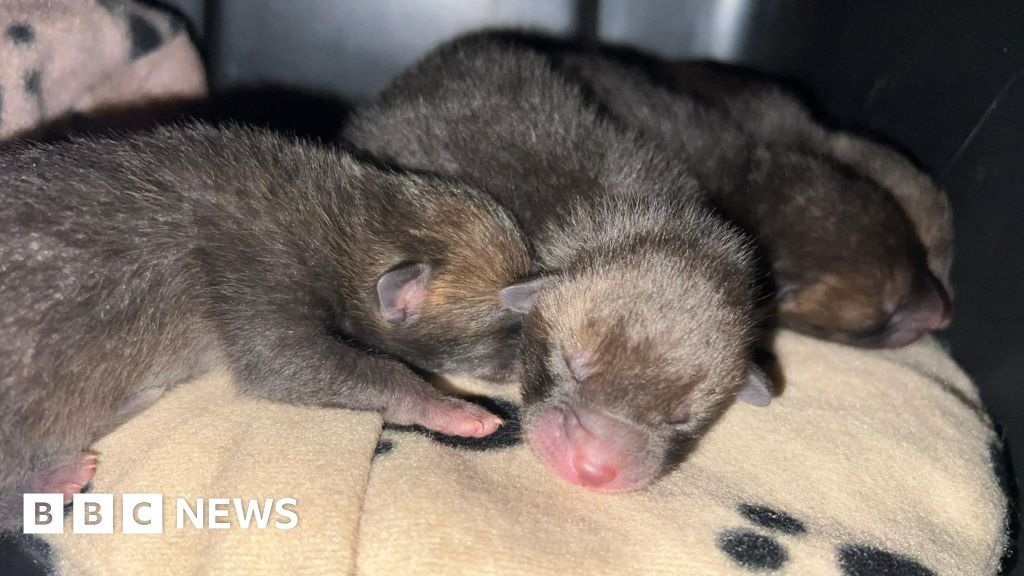
Discovered on a ship arriving at the Port of New York & New Jersey from Southampton, England, the red fox was placed in the care of the Bronx Zoo on Feb. 19, one day after it was "safely secured" by U.S. Customs and Border Protection.
In Texas, the Houston Zoo has prepared its buildings and barns with heaters designed to withstand extreme conditions, the zoo said in a blog post on Friday. Animals will have access to extra hay and bedding, and food was stocked in advance. Across the Zoo, sensitive plants are being protected with coverings, and generators are positioned to provide backup power if needed, the blog post said.
An alligator waddling on the emergency shoulder of the Florida Turnpike on Friday morning backed up traffic during rush hour as authorities worked to rescue it. Around 8:30 a.m., concerned commuters alerted authorities of the alligator on the shoulder near the Northwest 74th Street exit of the Florida Turnpike, Florida Highway Patrol said. Troopers and Florida Fish and Wildlife Commission officers rolled out to rescue the gator, moving it to a canal that runs parallel to the turnpike.
The record-breaking arctic blast that hit Florida earlier this month may have sent humans scurrying for winter coats, but it sent wildlife scurrying, swimming and slithering for their lives. Some of those animals were native, some were invasive. Some survived. Thousands of others did not. The benchmark for cold snaps in Florida is the 2010 freeze, which killed manatees, crocodiles, iguanas, thousands of snook and goliath grouper, and caused 50% to 90% of invasive pythons to die in some areas.
The next morning, I checked the critter-cams and saw the bear again, now captured by a camera I'd placed by a little mesh-covered opening near the small basement under my house. I watched as a massive shape emerged from the hole. My brain refused to believe it. The bear looked too large to fit in that tiny gap. I watched it again, shocked. My hands started to sweat.
I get there, I look and here's this little crocodile swimming around in the water. The sighting occurred at Federal Park in Wallsend, close to a local pool and primary school. Kirsop said she was met with initial disbelief when she contacted the wildlife rescue group Wires, and the Australian Reptile Park.
The world spends 30 times more money destroying nature than protecting it. That's according to a new report from the United Nations Environment Programme (UNEP) that exposes a massive gulf between so-called "harmful investments" and financing that promotes nature preservation. The global environment agency's latest "State of Finance for Nature" (SNF) report is calling to phase out the US$7.3 trillion (6.2 trillion) in global investments that damage nature including into high-emissions energy infrastructure and manufacturing, for example.

:max_bytes(150000):strip_icc()/TAL-exumas-bahamas-EXUMASIGUNANS0226-e93effab07114ab8a85448f9f2405fd8.jpg)