#hanging-baskets
#hanging-baskets
[ follow ]
#gardening #sustainability #indoor-gardening #plant-care #spring-gardening #container-gardening #horticulture
fromNy1
4 days agoElectric blue blooms signal spring's arrival at Bronx garden
These are Scilla sardensis, the common name is Glory-of-the-Snow. They are native to the mountains of Western Turkey but are really comfortable growing in almost any condition, as you can see. They are, for us, the real harbingers of spring. We know that once we start to see this electric blue color, the season is starting for us.
Washington DC


Paris food
fromwww.amny.com
2 weeks agoThe art of flowers at Le Rose Atelier in Flatiron | amNewYork
Le Rose Atelier, a luxury floral shop in the Flatiron District founded by Jennifer Gomezcoello, creates meaningful arrangements that communicate emotion through flower selection, design, and storytelling.
US news
fromwww.npr.org
2 weeks agoA mysterious floral artist has taken over the New York Botanical Garden
Mr. Flower Fantastic creates large-scale floral art installations featuring everyday urban structures, collaborating with major brands and celebrities while maintaining anonymity to keep focus on his work.
fromLos Angeles Times
2 weeks agoGet ideas for your home garden at these 19 spring garden tours around L.A.
Southern California, especially Los Angeles, has many breathtaking botanical gardens and wildflower-lined hiking trails. But it's also exciting to visit private home gardens that are rarely open to the public and find inspiration even if you don't have space for a garden at home.
Los Angeles
fromYanko Design - Modern Industrial Design News
3 weeks agoThis Planter Fits the One Balcony Spot Every Other Pot Ignores - Yanko Design
The Eckling is designed specifically for balcony corners, addressing a gap that rectangular window boxes and round hanging pots have never managed to fill. Most railing planters sit along a straight stretch of rail, so corners get skipped entirely. An L-shaped recess cut into the base of the hemispherical bowl allows it to rest squarely on two railing legs at a corner junction, no extra hardware required.
Design
fromwww.theguardian.com
2 weeks agoSmall changes in how we garden can make a big difference to birds | Letter
Around a third of UK gardeners use pesticides, and our studies found that house sparrow numbers, for example, were nearly 40% lower in gardens where the pesticide metaldehyde was used. By reducing pesticide use, you can actively encourage birds back into your outdoor spaces, as they rely on invertebrates such as slugs and snails as natural prey.
Pets
Miscellaneous
fromwww.theguardian.com
3 weeks agoThe best places to buy plants online, according to top gardeners and landscape designers
Online plant nurseries offer wider plant selections and specialized varieties, making them ideal alternatives to local garden centers, especially for those without nearby options or preferring car-free shopping.
Mental health
fromTasting Table
4 weeks agoCould Your Kitchen Use Some Houseplants? They May Help Beat Cabin Fever, According To Research - Tasting Table
Houseplants alleviate seasonal affective disorder and cabin fever symptoms, with low-maintenance options like peace lilies, snake plants, and pothos thriving in kitchens with limited light and space.
London food
fromwww.theguardian.com
3 weeks agoPlant a blossom tree in your garden and feel its magic for years to come
Blossom trees provide year-round garden interest with spring flowers and autumn foliage color, requiring minimal maintenance while offering enduring beauty and seasonal celebration opportunities.
London
fromTravel + Leisure
3 weeks agoSouthern England Is a Paradise for Gardening Aficionados-Here Are the Most Beautiful Gardens to Visit
Bluebells create breathtaking visual carpets in English woodlands during spring, inspiring poets and garden enthusiasts with their ephemeral beauty and delicate scent.

fromApartment Therapy
2 weeks agoMartha Stewart Is Using This Holiday Flower for Spring - And Now I Want Them Everywhere
I love rotating house plants in and out of the greenhouse all winter long, which means I always have plants in my house. But right now, I have seven flowering amaryllis on my kitchen table ... beautiful, big blooms of white and pink that are all over my kitchen, which just started to bloom a couple of weeks ago.
Remodel
fromTasting Table
6 days agoStop Starting Your Indoor Vegetable Seeds Too Early: Here's The Timing Rule Of Thumb To Go By - Tasting Table
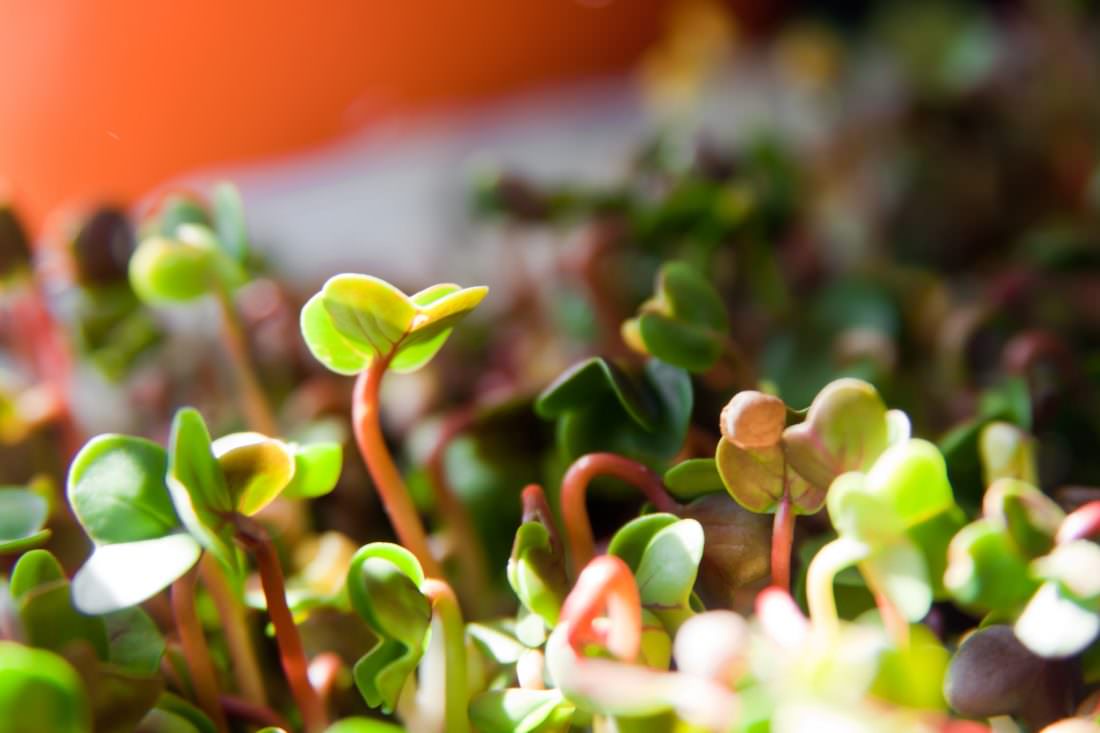
Seedlings are ambitious and will germinate and start growing once pressed into damp soil, shooting toward the nearest light source. However, if they remain in small containers without natural light, they can become root-bound and leggy, eventually collapsing under their own weight.
Agriculture
Everyday cooking
fromTasting Table
3 weeks agoHow To Grow Eggplant Indoors For A Faster And More Foolproof Harvest - Tasting Table
Starting eggplant seeds indoors two months before the final frost provides a significant head start, with seeds germinating in five days and requiring 100 days to maturity.
fromGardenista
1 month agoSnowscape Visit: The Max Family Garden in Brooklyn - Gardenista
There is a strong temptation to stay indoors when the world freezes. But out there in the cold, and especially after snowfall, the brown bones of gardens are suddenly emphasized, outlined in white. Visiting gardens in winter, when leaves and flowers belong to dreams of spring, allows us the thrill of anticipation, the pure pleasure of comparison, and an appreciation of structure, adding layers of understanding to our experience. It also tests our plant identification skills.
Brooklyn
fromTasting Table
2 months agoDon't Throw Out Those Plastic Fruit Containers - Use Them To Start An Herb Garden Instead - Tasting Table
Instead of running to the store every time you need a handful of fresh basil (and inevitably letting the rest go to waste in your fridge), having an herb garden of your own allows you to only take what you need. While this in itself is a great sustainable practice, try taking it a step further by starting an herb garden in old plastic fruit containers.
Environment
Agriculture
fromArchitectural Digest
3 years agoWe Asked Experts About the Gardening Mistakes to Avoid This Spring-These Are Their 12 Top Tips
Gardening mistakes are common and costly, but beginners can avoid major pitfalls by starting small, choosing correct locations with adequate sunlight, and understanding plant-specific requirements.
Agriculture
fromYanko Design - Modern Industrial Design News
2 weeks agoThis Wood Greenhouse Solves the Biggest Problem Backyard Gardeners Face - Yanko Design
The Miracle-Gro Wood Greenhouse by ShelterLogic extends growing seasons and protects plants from frost and weather using double-wall polycarbonate insulation and strategic ventilation systems.
Agriculture
fromPortland Monthly
2 weeks agoA Flower CSA Will Keep You in Portland-Grown Blooms All Season Long
Local flower farms in Portland offer community supported agriculture subscriptions providing weekly fresh blooms at $30-45 per bouquet, an alternative to imported flowers dominating the market.
fromThe Nation
1 month agoHow to Build a Moon Garden When the News Is All Horror
To see where the moon melts over the garden,or where the bats flit, or where the air sweetens with pollen and moth-frenzy, I recommend a night walk to discern the perfect patch for it. Under this glow, we could all use a distraction-dig with a silver shovel and choose colors that swoon and moan under our satellite: dusty pinks, baby blue, lavender, white, and butter yellow gems unfurl at dusk until dawn.
Environment
Agriculture
fromArchitectural Digest
2 weeks agoJohnnie and Sophie Boden Cultivate Their Respective Visions in Their English Garden
Fashion entrepreneur Johnnie Boden and his wife Sophie maintain distinct gardening territories at their 500-acre Dorset estate, with Johnnie cultivating wildflower meadows and Sophie designing ornamental gardens of shrubs and perennials.
Agriculture
fromTasting Table
2 weeks agoCan You Grow A Garden From Grocery Store Produce Seeds? - Tasting Table
Growing vegetables from store-bought seeds is possible but results vary based on produce type, growing method, and post-harvest treatment, with hybrid plants producing different crops than their parent plants.
fromSilicon Canals
1 month agoThe houseplant that thrives on neglect and actually prefers when you forget to water it - Silicon Canals
I killed seven houseplants before I discovered the secret: I was literally loving them to death. Every morning, I'd check on them with my watering can in hand, convinced that more water meant more love. Turns out, some plants thrive when you basically ignore them. In fact, there's one particular plant that actually prefers when you forget it exists for weeks at a time.
Science
fromTasting Table
2 weeks agoThis Self-Seeding Herb Practically Grows Itself Once Established In Your Garden - Tasting Table
Garden angelica, Angelica archangelica, belongs to the Apiaceae family, the same botanical group as carrots, celery, fennel, and parsley. Like its relatives, it produces a large, distinctively umbrella-shaped inflorescence, or flower cluster, called umbels. In its first year, the plant forms a lower mound of bright green leaves. In the second, a thick, hollow stem shoots upward and unfurls the broad green flower heads that resemble wild carrot or Queen Anne's Lace.
Agriculture
Agriculture
fromArchitectural Digest
1 year ago13 Raised Garden Bed Ideas to Elevate Your Backyard This Spring
Raised beds allow gardeners to engineer ideal soil conditions, improve ergonomics, protect crops from pests, and enable faster soil warming and easier watering compared to ground-level gardening.
fromwww.theguardian.com
2 months agoHouseplant hacks: can you really use banana water as a fertiliser?
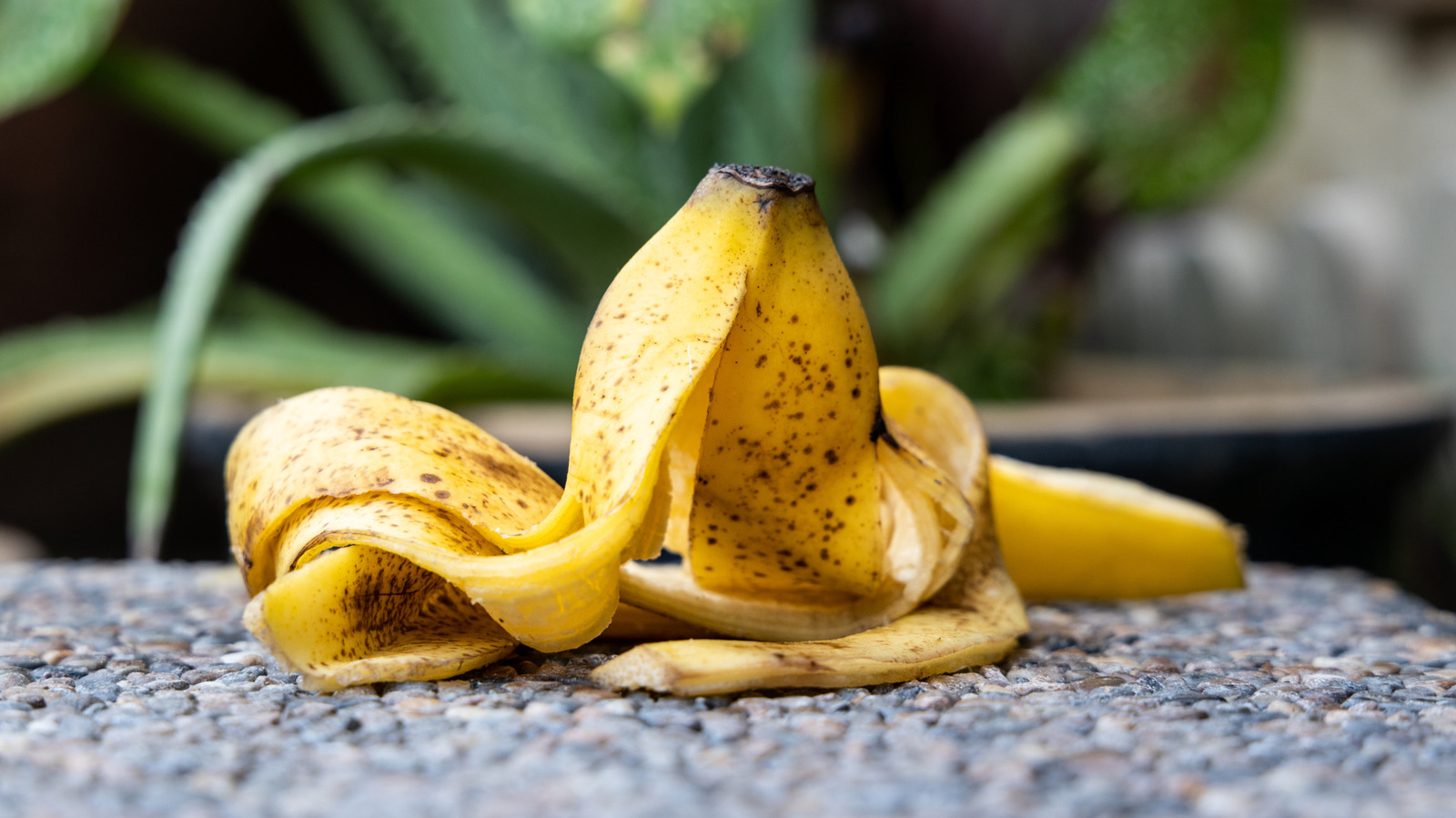
You are not alone: social media is full of claims that soaking banana skins in water makes a fertiliser that will give you bigger leaves and better blooms. The hack Put banana peels in a jar of water, leave them to sit, then pour the liquid on your plants. Bananas do contain potassium and small amounts of other nutrients. The snag is you have no idea how strong it is or what's missing.
Environment
fromwww.theguardian.com
1 month agoWhen it comes to preparing seeds for your garden, you'll reap what you sow
To an unimaginable eye, a seed looks inert. Yet they are packed with genetic information and biological processes poised to unfold. All it takes is the right configuration of signals and stimuli from the environment to let them know it's time to dare to grow.
Agriculture
[ Load more ]