Renovation
fromBrownstoner
18 hours agoFind Outdoor Living Inspiration in These Brooklyn Gardens
Outdoor spaces in Brooklyn are designed to reflect homeowners' needs and enhance living areas.
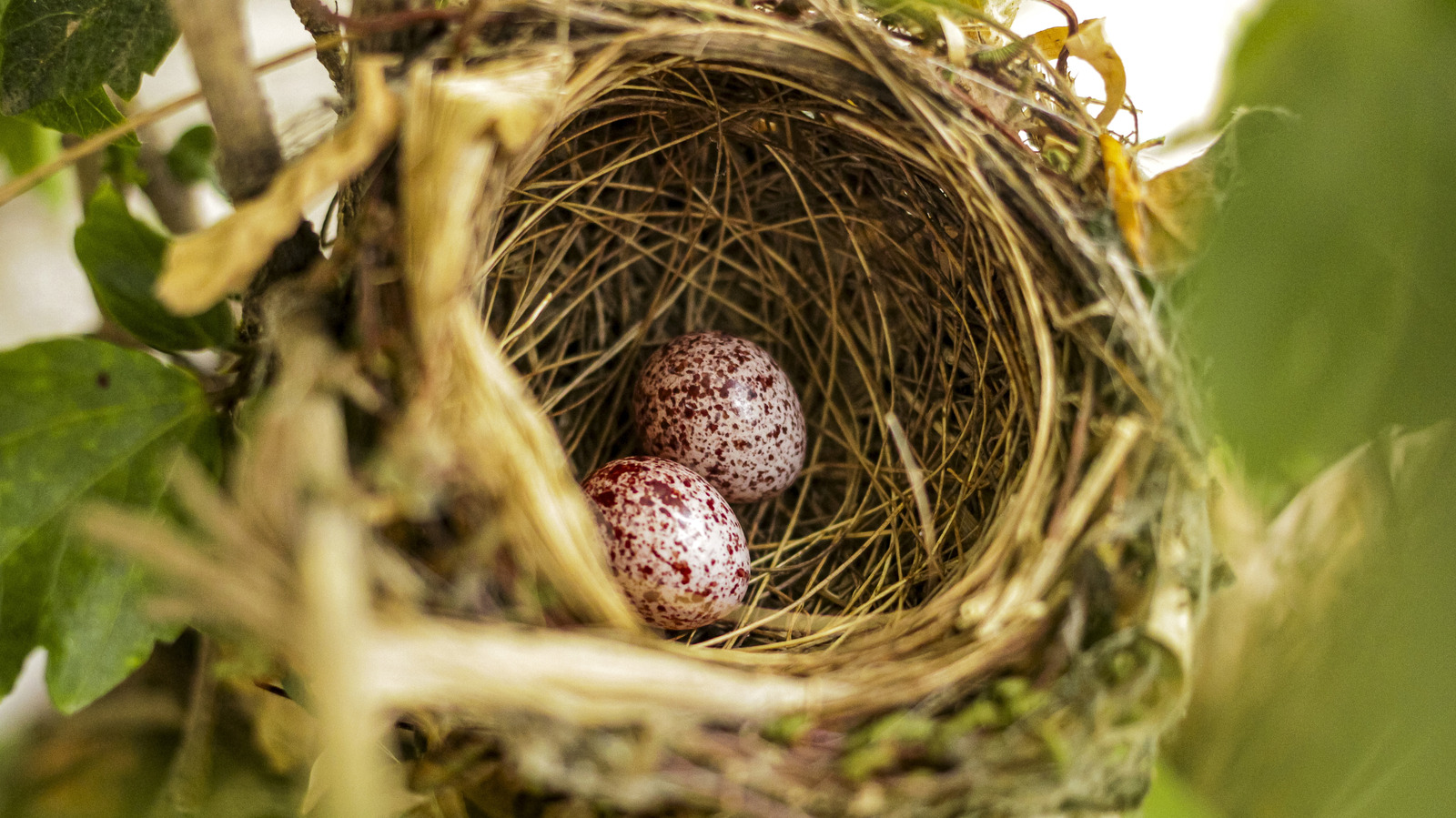
The industrious buzz of bees tackling the dregs of cherry blossom was lawnmower-loud, accompanied by back off peeps from blackbirds nesting in the ivy.
These beautiful cherry trees are more than a visual delight - they represent a bond between nations, a gift to our local communities, and a lasting legacy. We know after our long winters, people rejoice seeing colour and blossom, and this sea of pink will be an awe-inspiring hit of horticultural wonder.
Stagnant indoor air is one of the less discussed reasons houseplants struggle. Fungal spots, mould on the compost surface and pest infestations like mealybugs can all be traced back to a room with no airflow.
Crushed clean, dry eggshells, when scattered over the soil, are intended to stop adult gnats from laying eggs and potentially add natural fertilizer. However, they merely sit on the surface, collecting dust, while the gnats remain attracted to the damp compost.
Using a sharp, sterile tool such as clippers or pruners is essential when harvesting peppers. Pulling them off by hand can damage the plant, leading to fewer fruits.
Grafting is the method through which two different plants from the same species or genus are joined together to grow as one. The resulting plant benefits from the qualities of the two different original plants.
Around a third of UK gardeners use pesticides, and our studies found that house sparrow numbers, for example, were nearly 40% lower in gardens where the pesticide metaldehyde was used. By reducing pesticide use, you can actively encourage birds back into your outdoor spaces, as they rely on invertebrates such as slugs and snails as natural prey.
Starting plants from seed extends your relationship with the garden, gives you more control over seed sourcing, and saves real money compared to buying nursery starts, sometimes as much as 90% per plant.
To an unimaginable eye, a seed looks inert. Yet they are packed with genetic information and biological processes poised to unfold. All it takes is the right configuration of signals and stimuli from the environment to let them know it's time to dare to grow.
People grow asparagus from crowns because it shortens the long wait times for harvesting. From seed, you'll need to wait three years before harvesting asparagus. Some people consider that a waste of time. The tradeoff is that you can keep harvesting every spring for up to 15 years or more. If you plant crowns, you get a one-year jump on things. However, those crowns may have soil-borne diseases you don't know about, so there is a risk involved. Seeds remove that problem.