#heritage-exploration
#heritage-exploration
[ follow ]
#cultural-heritage #heritage-preservation #archaeology #unesco-world-heritage-sites #heritage #unesco

fromThe Art Newspaper - International art news and events
3 days agoUnesco grants enhanced protection to 39 Lebanese heritage sites as war escalates
The designation prohibits the sites from being targeted or used for military purposes, with violations potentially constituting serious breaches of the 1954 Hague Convention and grounds for criminal responsibility.
Arts
World news
fromThe Art Newspaper - International art news and events
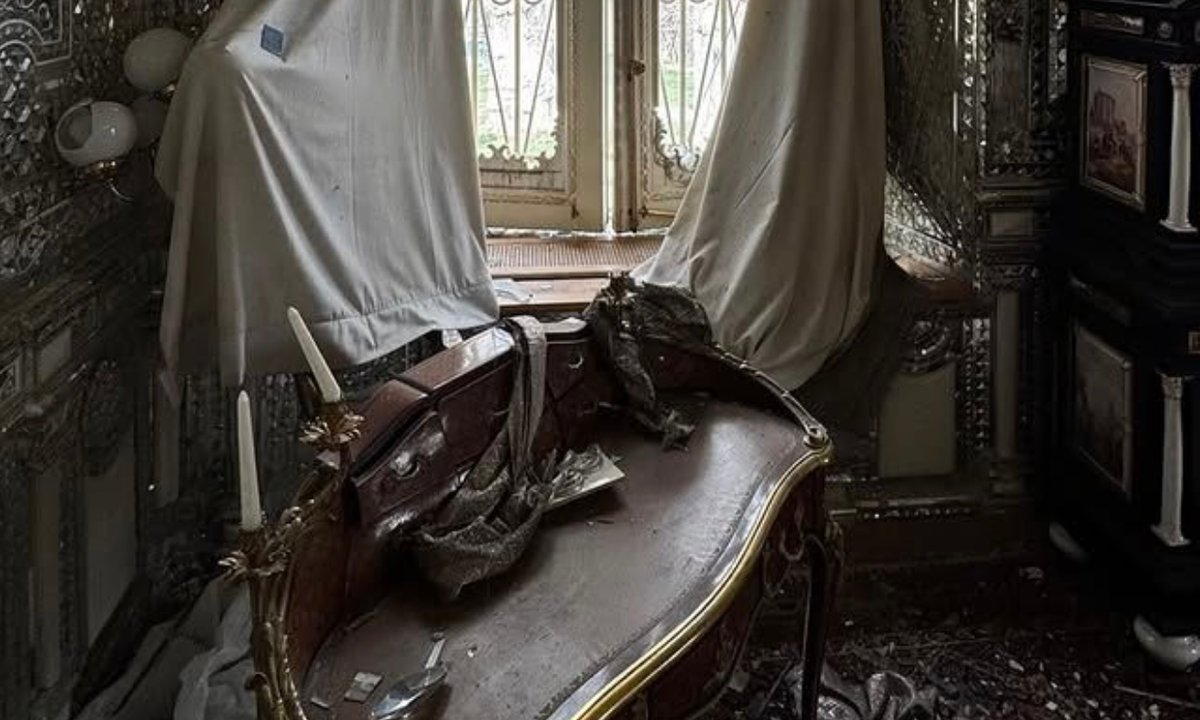
5 days agoIn a month of war, Iran's cultural heritage has suffered huge damage
Iran's war has caused severe damage to cultural heritage, infrastructure, and loss of life, notably impacting sites like Golestan Palace and Chehel Sotoun Palace.
London politics
fromwww.theguardian.com
2 weeks agoStonehenge tunnel plan officially scrapped after years of protests
The UK Department for Transport has officially cancelled a controversial tunnel project under Stonehenge after spending £179.2 million on planning, citing exceptional circumstances and revoking the development consent order.
fromCN Traveller
1 week ago7 wonders of Greece for 2026
The Rio-Antirrio Bridge, with its triangular sections resembling giant sails, is the world's longest multi-span cable-stayed bridge, spanning 2,880 meters across the Rion Strait. Completed in 2004, it transformed travel between the Peloponnese and mainland Greece, reducing ferry crossing times significantly. The views from the bridge are breathtaking, offering glimpses of the indigo waters and majestic mountain ranges.
Europe news
World politics
fromArchDaily
3 weeks agoCultural Heritage Sites in the Middle East Damaged as War Strikes Historic Urban Areas
US-Israeli military attacks on Iran in February 2026 initiated a new Middle East conflict zone, joining multiple global armed conflicts causing widespread destruction of cultural and infrastructure assets.
fromThe Art Newspaper - International art news and events
1 week agoComment | Museums must be the leaders in a moral revolution
Bregman claims, 'Today the whole of Europe risks turning into one big Venice, a beautiful open-air museum. A great destination for Chinese and American tourists. A place to admire what was once the centre of the world.' This statement encapsulates the concern that Europe is losing its cultural significance.
Arts


fromArchDaily
1 month agoArchiving the Technosphere: How Museum Architecture Mediates Human-Made Systems
The contemporary technology museum has emerged as a performative participant in the systems it seeks to document. The architecture of these institutions has become increasingly fluid and bold, often mirroring the velocity and complexity of the systems it houses. They operate as mediators between the human, the ecological, and the technological realms, transforming from encyclopedic warehouses into active educational engines.
Science
fromThe Art Newspaper - International art news and events
3 weeks agoMummies and other human remains held in UK museums raise serious ethical questions, warn scholars
The significant number of ancestors held in UK museums is extremely distressing and symbolic of the colonial origins of these collections. We hope that the responses gathered by The Guardian will be shared with the relevant communities to support them in bringing their ancestors home.
London
fromArtnet News
2 weeks agoThe Cultural Heritage Sites Damaged by the U.S.-Israel War on Iran
After the historical Iranian city of Isfahan was targeted by several major strikes, its governor Mehdi Jamalinejad claimed that serious damage had been inflicted even after blue shields were put on the roofs of culturally important buildings. This is an internationally recognized signal under the 1954 Hague Convention for the Protection of Cultural Property in the Event of Armed Conflict.
Arts


fromwww.theguardian.com
2 weeks agoThe world's memory': why Nigeria is burying its history under a mountain in Svalbard
The Arctic World Archive (AWA) is a data storage unit where organisations and individuals can deposit records kept on specialist digitised film called Piql that lasts up to 2,000 years. On 27 February, Nigeria became the first African country to place archives at the facility 300 metres beneath a mountain where the cold, dark, dry conditions are perfect for preservation.
Arts
fromwww.theguardian.com
1 month agoWays to Traverse a Territory review documenting an ancient and disappearing way of life
Here dwells the indigenous Tzotzil community which has kept a pastoral way of life against the march of time. Apart from the odd forest ranger and passerby, Ruvalcaba's film focuses almost entirely on the Tzotzil women. Together, they tend herds of sheep which they still shear by hand, and use traditional tools for spinning yarns and natural dye for fabrics.
Film
London politics
fromwww.standard.co.uk
1 month agoTower of London 'at-risk of serious harm' under draft plan for Square Mile
Historic England warns that the City of London Corporation's City Plan 2040 poses serious risks to the Tower of London's preservation due to excessive development scale and location.
fromThe Art Newspaper - International art news and events
1 month agoTurkey's heritage power grab: new law threatens Istanbul's opposition-run cultural sites
A new law empowering Turkey's central government to seize historic properties from local authorities is raising fears that heritage sites are becoming the latest front in a wider campaign against opposition-led municipalities. Among the sites at stake are cultural venues run by the Istanbul municipality, whose mayor Ekrem İmamoğlu launched an ambitious conservation drive and expanded cultural programming before he was jailed last year after announcing plans to run for president.
Miscellaneous
Arts
fromThe Art Newspaper - International art news and events
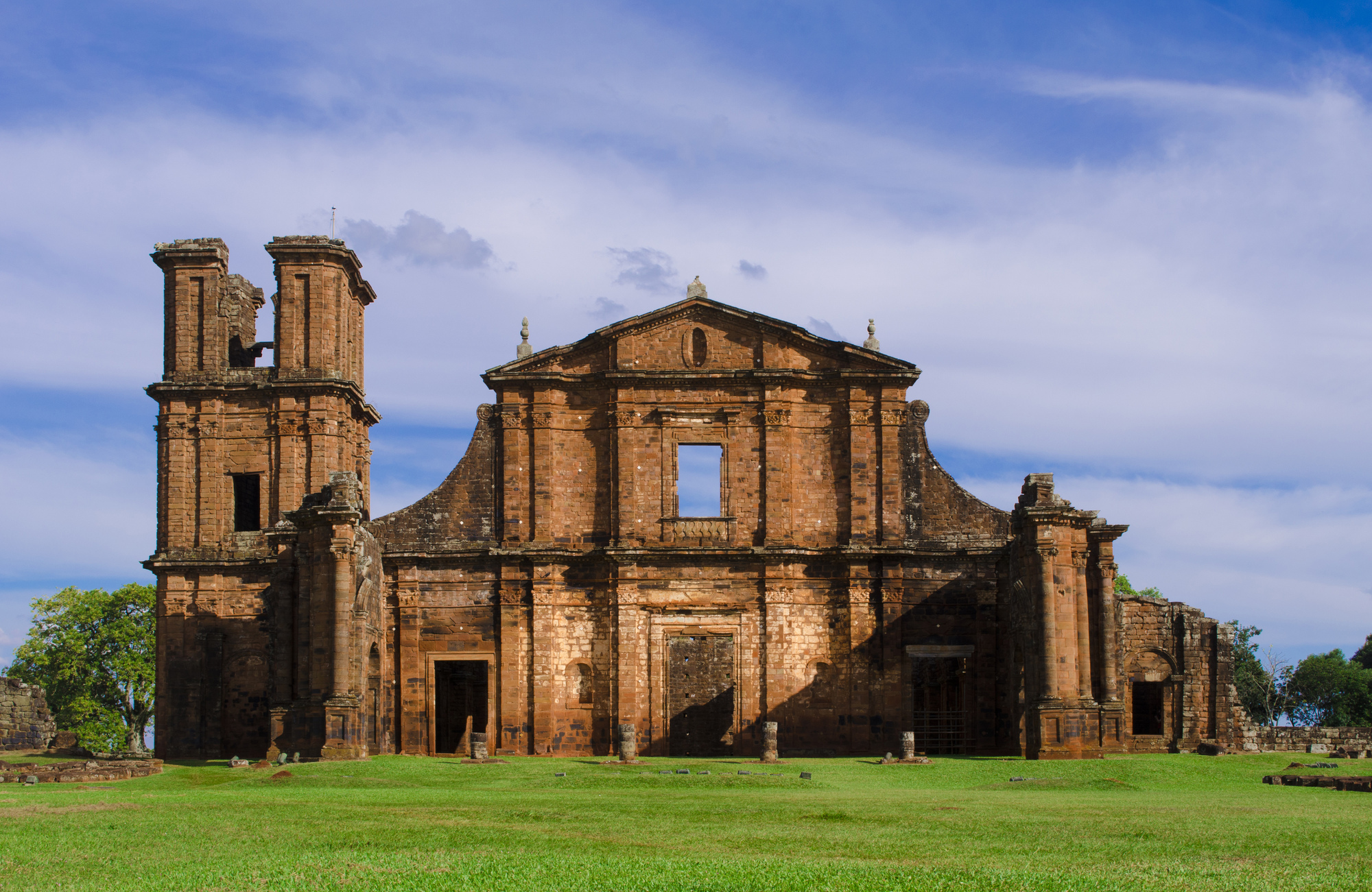
3 weeks agoUnesco sites in Iranian city of Isfahan damaged by US-Israel strikes
UNESCO World Heritage sites in Iran, including Isfahan's Safavid monuments, have sustained significant damage from US-Israeli military strikes, threatening irreplaceable cultural artifacts and architectural treasures.


History
fromMedievalists.net
1 month agoDreaming of Owning a Medieval Artefact? Here's Your Chance - Medievalists.net
TimeLine Auctions' March 3 online sale features hundreds of medieval historical objects including a 13th-century Limoges cross, 1224 Chinese armor, Viking silver mount, and Anglo-Saxon brooch.
US politics
fromwww.independent.co.uk
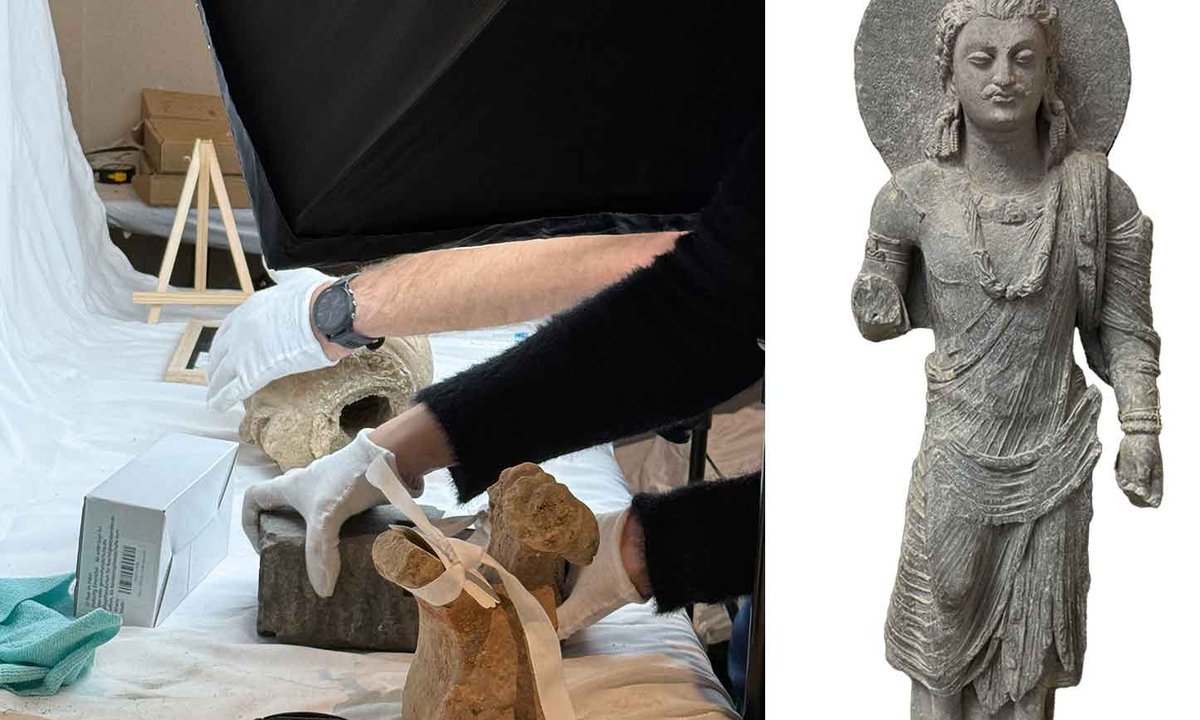
2 months agoInside the hunt for British Museum's missing treasures
The Independent funds on-the-ground, paywall-free investigative reporting while a six-person British Museum team celebrates breakthroughs in tracing missing Greek and Roman treasures with a golden bell.
Media industry
fromConde Nast Traveler
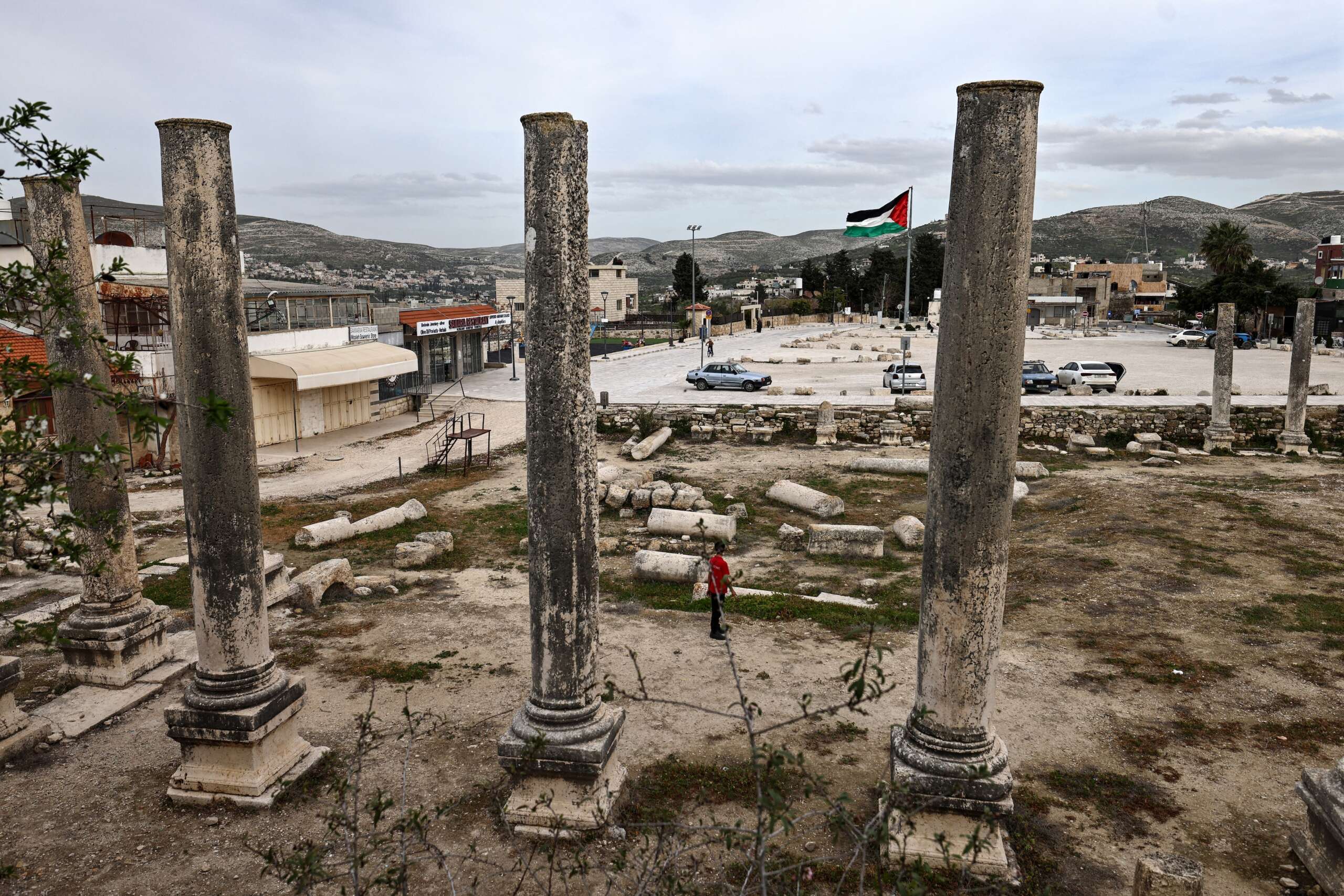
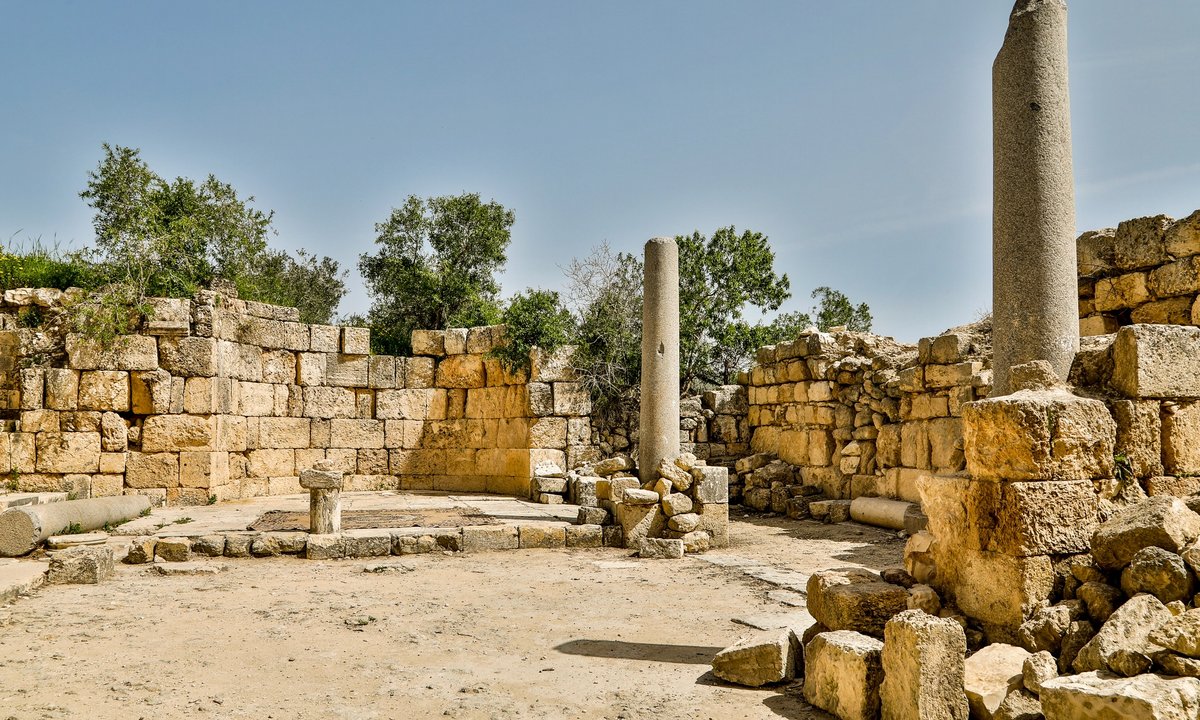
3 years agoThe Seven Wonders of the World for 2026 (That You Can Actually Visit)
Rob is a Brixton-based freelance writer, broadcaster and playwright; associate editor of Luxury London; contributor to national papers; Special Correspondent for BBC Radio Four Feedback.
History
fromSmithsonian Magazine
1 month agoHow to Fit 250 Years of American History and Culture Into One Map
Smithsonian magazine celebrates America's 250th birthday with an interactive map featuring 250 notable places across ten categories, while historians contextualize this anniversary amid current domestic challenges.
fromHuffPost
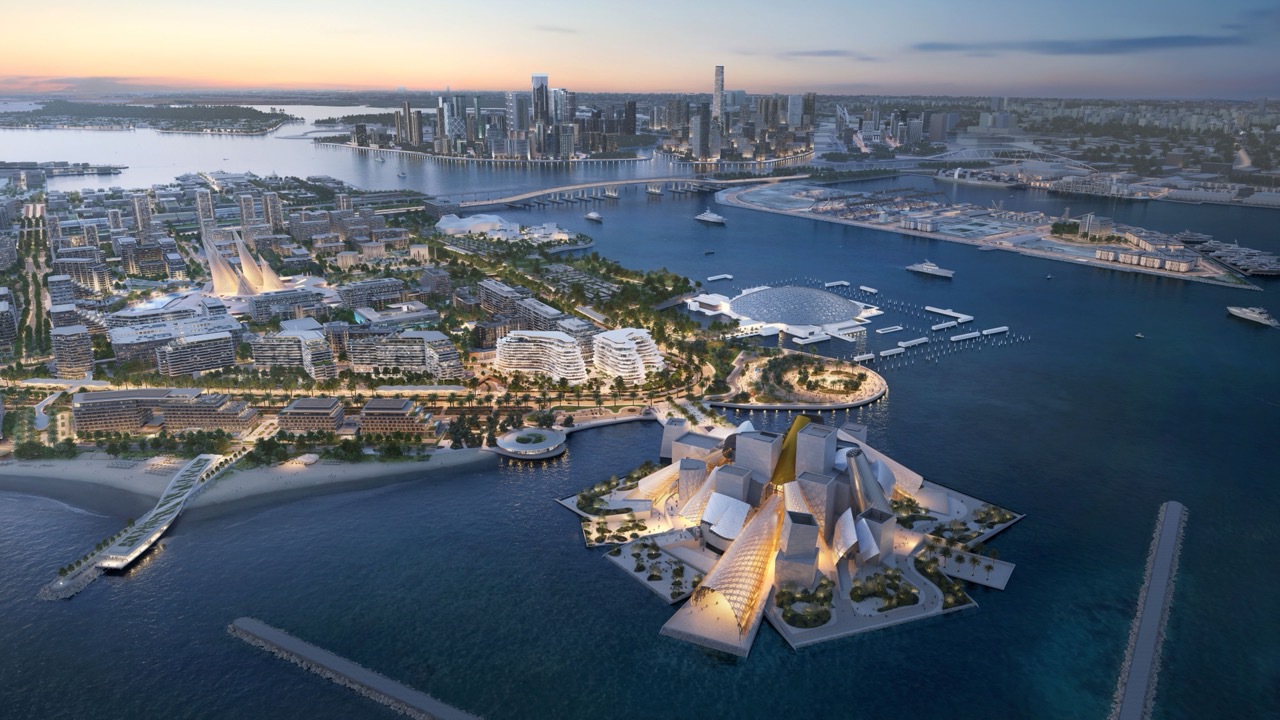
2 months ago'Inheritourism' Is Shaping Our Vacations. Here's What Experts Want You To Know.
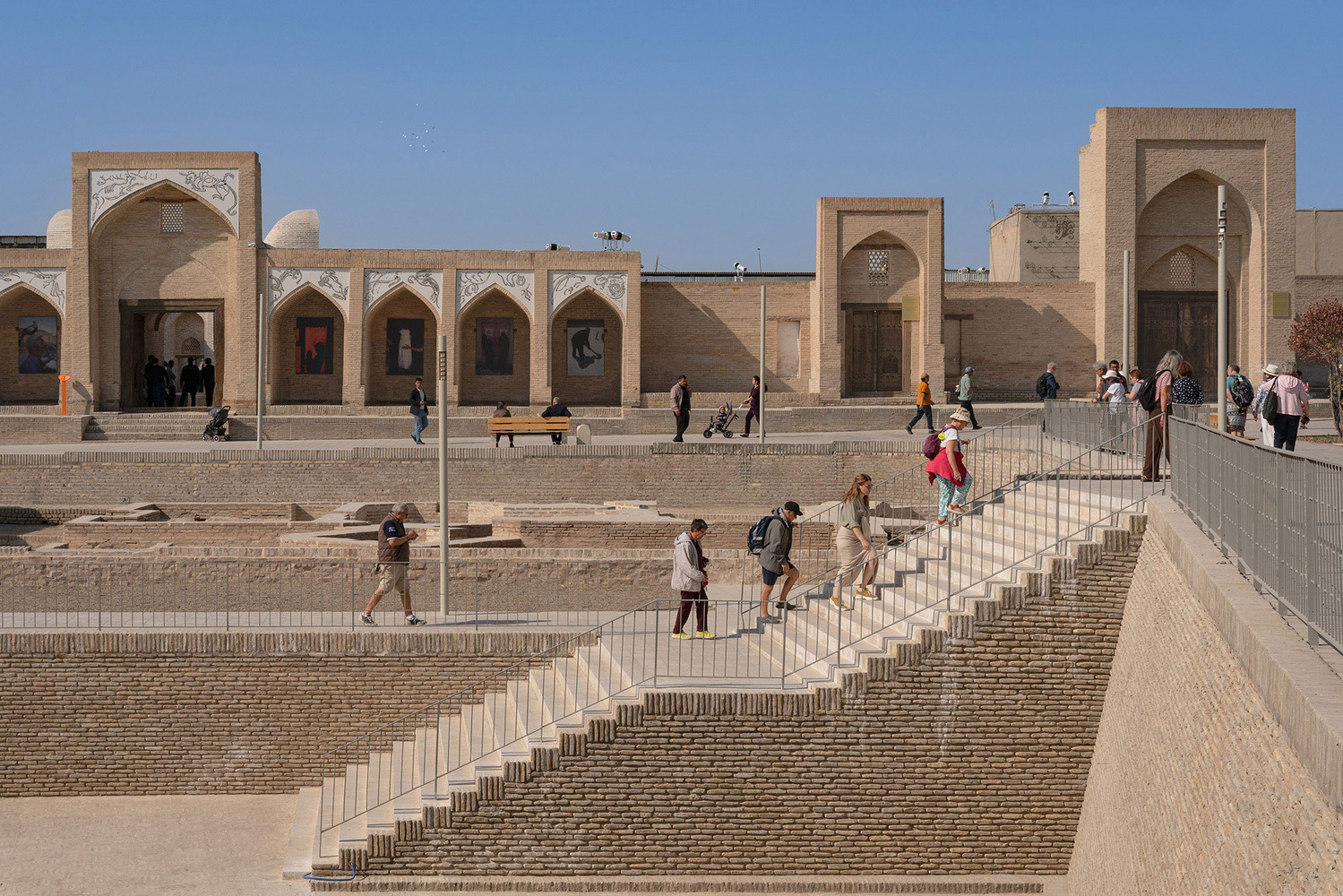
A 2026 travel report from Hilton identified "inheritourism" as a notable trend for the new year ― with 66% of travelers surveyed by the hotel brand saying that their parents have influenced their choice of accommodations, 60% saying they guided their choice of loyalty programs and 73% saying they shaped their general travel style.
Travel
fromCN Traveller
1 month ago7 wonders of Europe for 2026
Europe has never been short on spectacle. Yet beyond the headline cities and endlessly recycled itineraries lies a quieter, deeper continent; one that's best encountered through patience and a willingness to detour from the obvious itinerary. Our 7 wonders of Europe for 2026 in Europe are not places that beg for attention. Instead, they reward those prepared to explore more than a few miles from the nearest airport and linger a little longer than planned.
Travel

World news
fromThe Art Newspaper - International art news and events
1 month agoSyria's Hasakah Museum-occupied by military for more than a decade-to finally open
Al-Hasakah now has a completed archaeological museum, previously used by military forces, poised to open and aid social healing after regime forces withdrew.
fromMail Online
2 months agoMystery of Egypt's pyramids deepens as hidden megastructure revealed
More than 200 scans from multiple satellites, including Italy's Cosmo-SkyMed and the US-based Capella Space, showed uniform results suggesting massive pillars about 65 feet in diameter wrapped in spirals and plunging nearly 4,000 feet deep. Those pillars appear to end in 260-foot cubic chambers beneath all three pyramids and the Sphinx, which Biondi described as 'huge chambers' measuring roughly 260 feet in length and width.
History
fromMail Online
1 month agoMysterious symbols spanning the globe hint at a lost civilization
His investigation began after identifying recurring giant T-shapes, three-level indents, and step pyramids carved into ancient stones worldwide. 'These specific symbols that are built in different size proportions, and the symbols are found in ancient stones around the world, are not supposed to exist; no cultures are supposed to have any cross-platform,' LaCroix explained. The symbols appear in locations ranging from Turkey's Van region to South America and Cambodia.
History
fromThe Art Newspaper - International art news and events
2 months agoWorld's oldest known rock art discovered in Indonesia
Archaeologists have discovered what they believe is the world's oldest known rock art, in a cave off the island of Sulawesi, Indonesia. The hand stencil has been dated to at least 67,800 years ago, making it 1,100 years older than the earliest example of rock art that was known about before this, produced in Spain by Neanderthals. The Sulawesi work may, its finders say, provide insights into the migration of early humans to Australia.
Arts
fromThe Art Newspaper - International art news and events
1 month agoWhen it comes to restitution, how can museums solve a problem like inalienability?
When Thomas Jefferson wrote about the "inalienable" rights of man in the US Declaration of Independence 250 years ago, it's possible he lifted the term from the French. And long before it was ever used as an adjective to describe human rights, it defined royal property. To this day, "inalienability" remains a cornerstone of public collections in France-and many other countries-impacting museums and their ability to deaccession, including for purposes of restitution.
Arts
Arts
fromThe Art Newspaper - International art news and events
2 months agoBritish Museum reports record-breaking year for finding treasure in the UK
UK metal detectorists recorded a record 79,616 archaeological finds in 2024, including 1,540 treasures such as a 179-coin hoard and a Roman vehicle fitting.
Arts
fromThe Art Newspaper - International art news and events
2 months agoMuseum wall texts are an art in their own right-but will they survive the digital age?
Museums should balance providing contextual wall text and inviting wordless, personal interpretation to make art accessible and meaningful to diverse visitors.
[ Load more ]