#historical-films
#historical-films
[ follow ]
#film-preservation #film-production #cinema-history #academy-awards #film-criticism #european-film-awards
#georges-melies
Independent films
fromwww.npr.org
1 month agoThe first appearance of a robot on film has made its way to the Library of Congress
A lost 1897 Georges Melies film featuring an early robot character has been discovered in Michigan and acquired by the Library of Congress, representing the first robot science fiction story on film.


fromAnOther
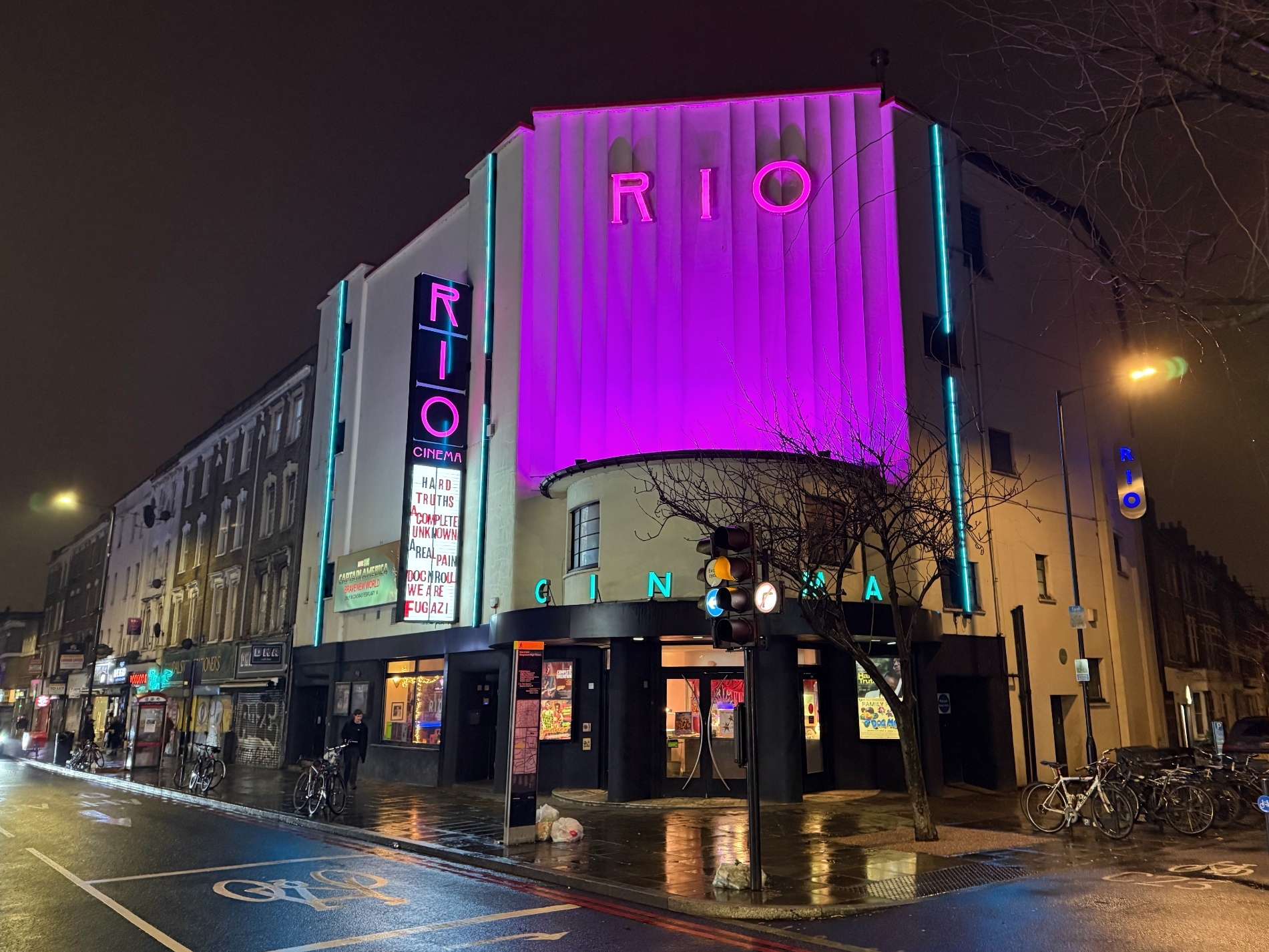
3 weeks ago10 Reinvigorating Spring Films to Add to Your Watchlist This Season
Set on the blossom tree-lined fringes of Hyde Park in London, Herbert Wilcox's black-and-white rom-com blows in like a fresh spring breeze. The film charts the will-they-won't-they romance between Richard (Michael Wilding), a wealthy lord masquerading as a butler, and Judy (Anna Neagle), the niece of the family who employs him.
Film
#academy-awards
Independent films
fromThe Independent
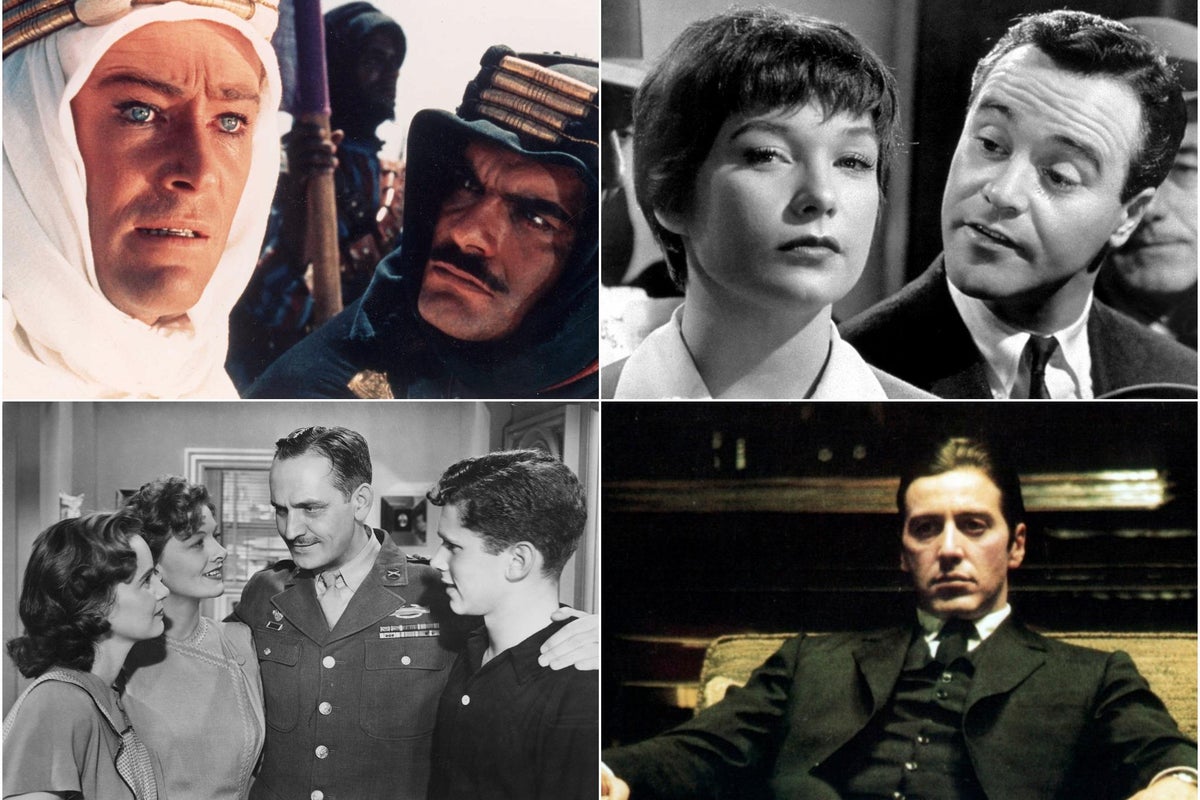
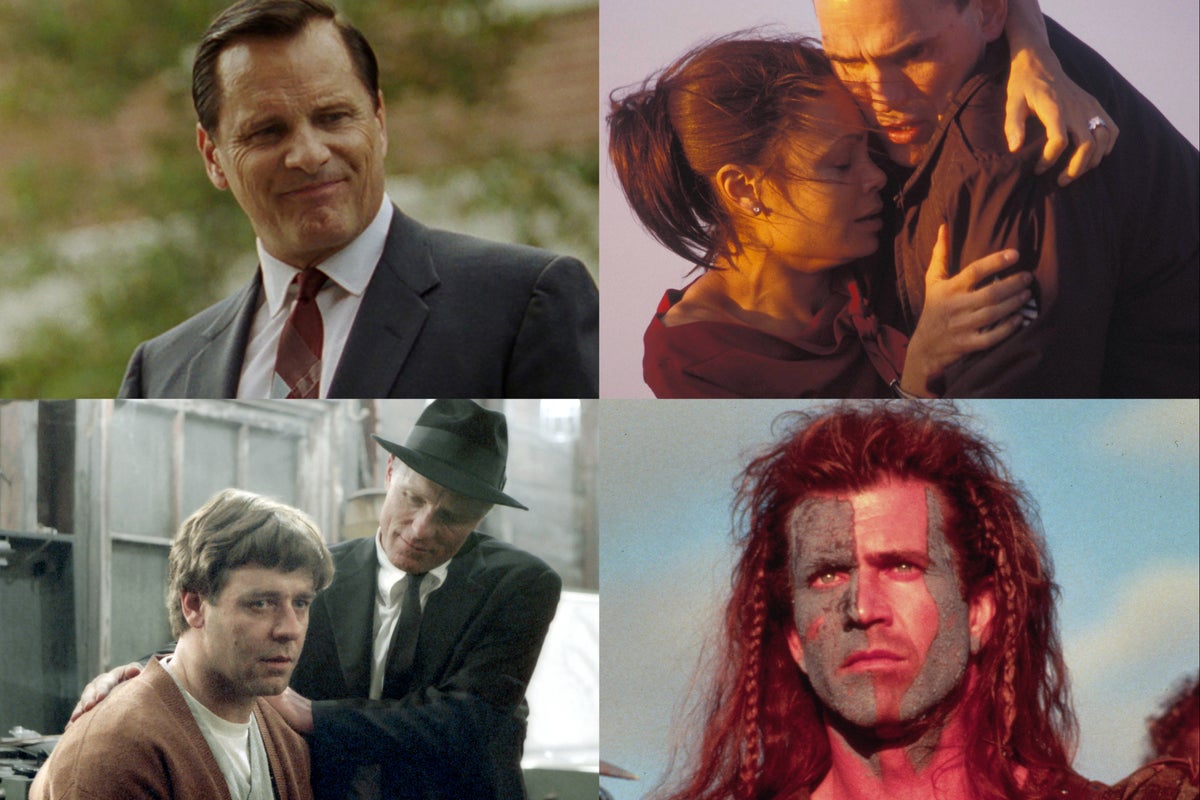
1 month agoThe greatest Best Picture winners in Oscars history
Best Picture Oscar winners remain widely available and reliable indicators of films with lasting cultural impact, though the Academy shows consistent blind spots by avoiding foreign language films, comedies, and genre pictures.
Independent films
fromwww.theguardian.com
1 month agoYou cannot unsee it': what happened next for this year's Oscar documentary nominees?
2025 brought exceptional nonfiction films to the Oscar slate despite distribution challenges, showcasing documentaries on courage, systemic oppression, and personal resilience through innovative filmmaking methods.
from48 hills
1 month agoScreen Grabs: It's all Greek (and Irish and French) to us - 48 hills
This weekend sees the start of the 23rd San Francisco Greek Film Festival, which since 2004 has provided a local showcase for new screen work from the "cradle of Western civilization" still most associated with its contributions to arts and ideas in the ancient world. This latest edition brings together eight fictive features, sixteen documentaries of various length, and nine narrative shorts.
Film
fromVulture
1 month ago17 Movies With Exclamation-Point Titles, Ranked!
During a junket interview with OutNow, Gyllenhaal explained that the punctuation mark was included to represent the "whole lot of energy" that comes out when the historically muted Bride of Frankenstein is finally allowed to speak. That's all well and good, but to viewers the titular exclamation point is less of a metaphor and more of a golden arrow saying, "This movie is going to be crazy."
Film
fromwww.theguardian.com
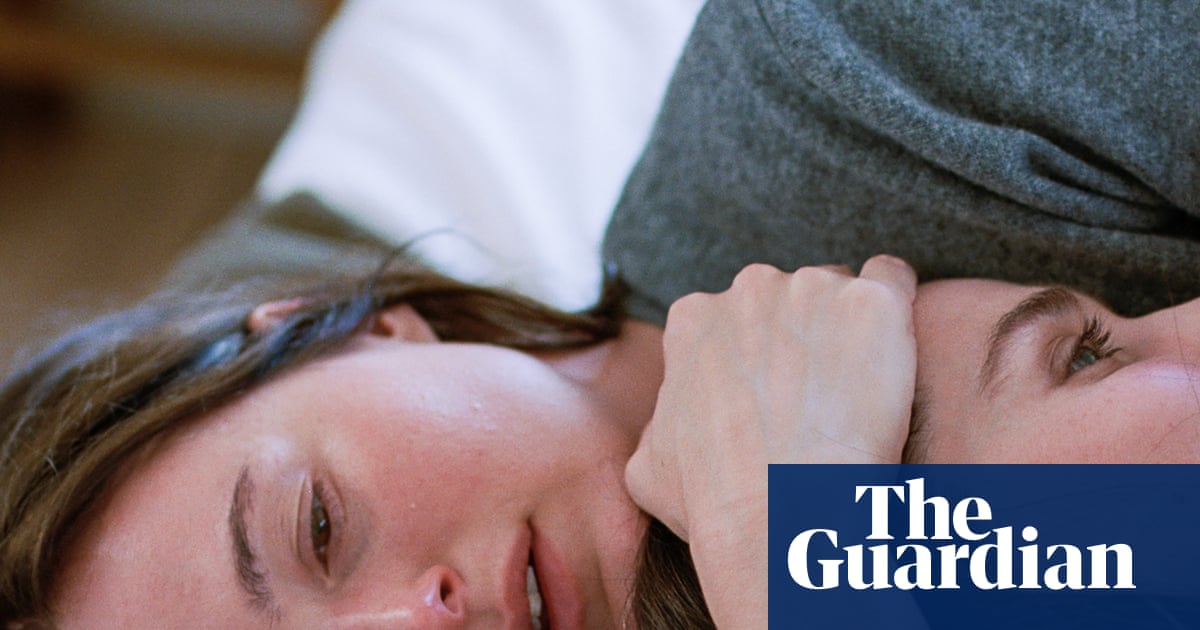
2 months agoTop of the props: meet the unsung heroes behind the memorable objects in your favourite films
It's nice that you are asking about props, because they're not really acknowledged, says Jode Mann, a TV prop master in Los Angeles. When Mann worked on the children's comedy show Pee-wee's Playhouse in the 1980s, she got a call from its star, Paul Reubens, who said he was nominating her for an Emmy. It was only after Mann told her mother and promised to thank her if she won that Reubens called back to say he couldn't nominate her because there's no category for you.
Film
fromwww.theguardian.com
1 month agoThe Last Kings of Hollywood by Paul Fischer review the rise and reign of Spielberg, Lucas and Coppola
Using the diary recollections of Coppola's wife, the late Eleanor Coppola, who was also disconsolately aboard and feeling thoroughly shut out of the alpha male chatting and joshing, Fischer shows our three dishevelled deities dizzied and stunned and even weirdly depressed by their staggering global acclaim.
Film
fromwww.theguardian.com
2 months agoWe thought Midnight Cowboy might end everybody's career': the diverse, disruptive, Oscar-winning cinema of John Schlesinger
The esteemed film-maker was licking his wounds: his most recent picture, Far from the Madding Crowd, which imbued its 19th-century rural characters with an anachronistic King's Road style and panache, had flopped stateside. Childers approached the date with mixed feelings. He adored Schlesinger's previous movie, the jazzy Darling, starring Julie Christie as a model on the make, and had seen it three times.
Film
Film
fromwww.theguardian.com
1 month agoPeople feel like they're in on the joke': the new wave of pseudo-biopics
Filmmakers increasingly create pseudo-biopics that borrow recognizable elements from real people and events while changing names and details to avoid legal liability and maintain creative freedom.

fromRoger Ebert
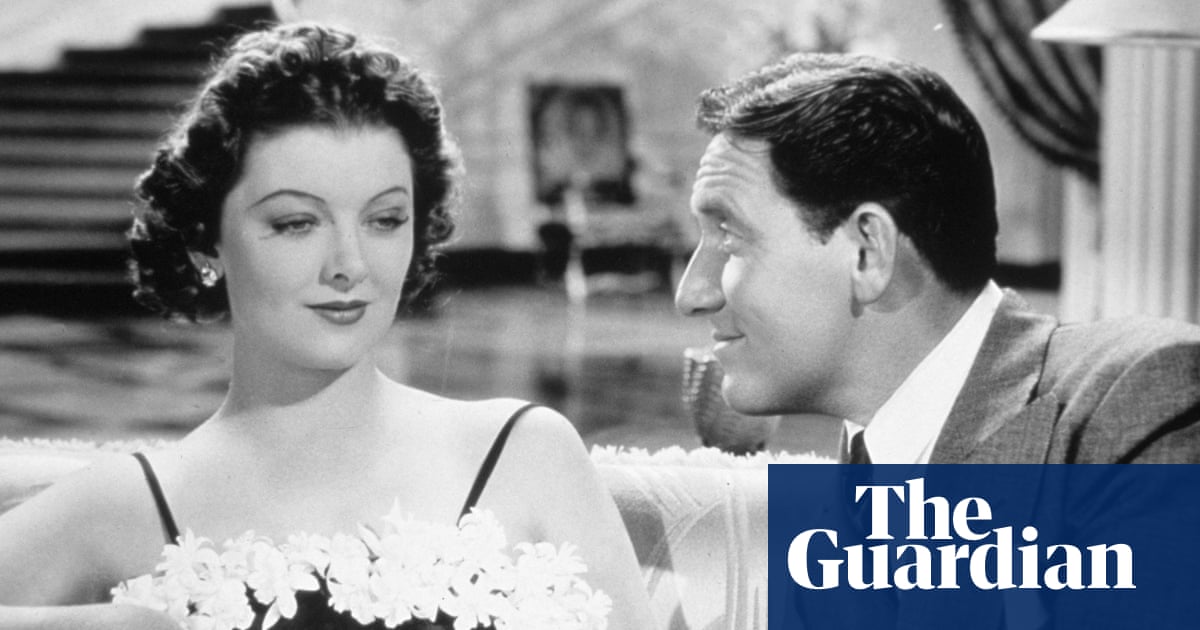
2 months agoThe 17 Best Movies About Radio, Ranked | Features | Roger Ebert
Even in an era of CGI and AI, nothing is more vivid than the intimacy and imagination of radio or more direct than the connection radio has with listeners. I remember when the legendary Stan Freberg drained Lake Michigan and filled it with hot chocolate, a 700-foot mountain of whipped cream, and a 10-ton maraschino cherry. We didn't have to see it. We heard it on the radio. It was Freberg's demonstration of what radio can do better than television.
Film
fromwww.theguardian.com
2 months agoThe arts of war: can Europe's artists embrace the idea of armed pacifism'?
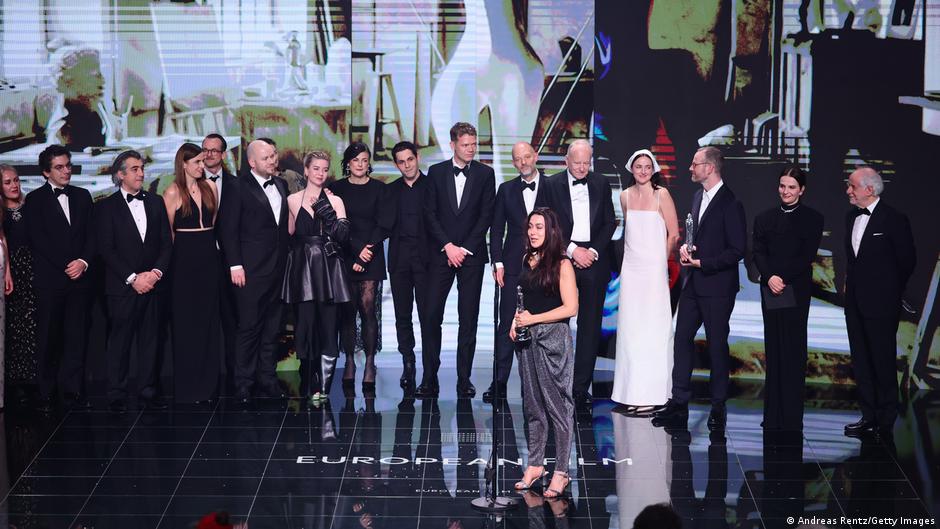
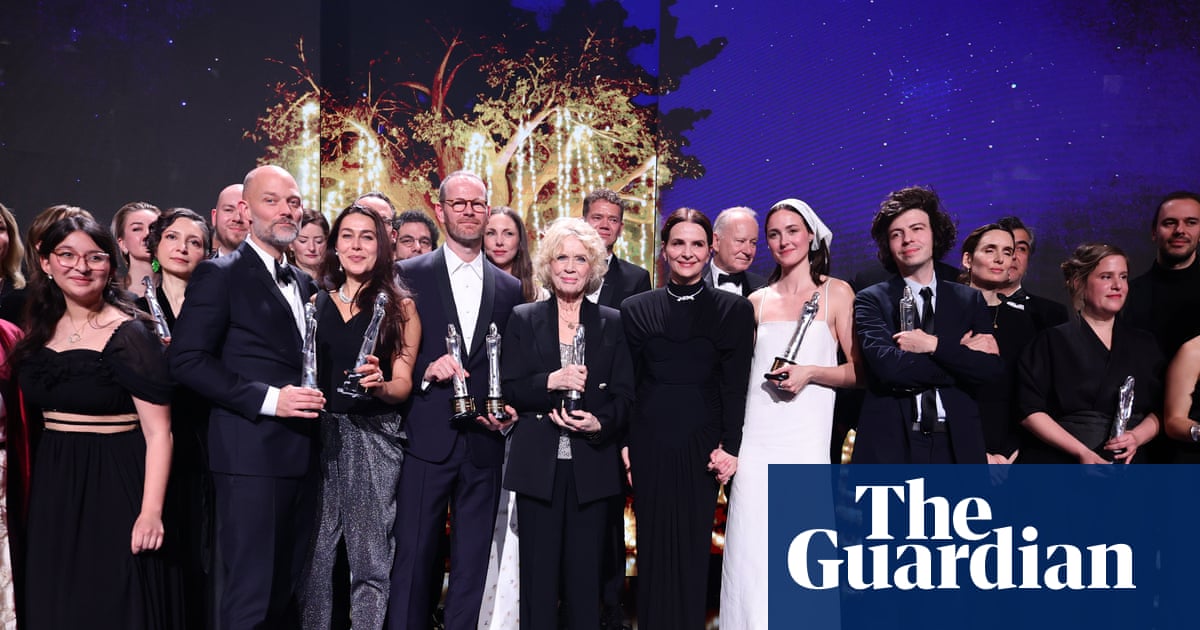
an Act of Killing-style re-enactment of the 1919 conquest of the Adriatic city of what is now Rijeka by a rag-tag army assembled by the proto-fascist dandy-poet Gabriele D'Annunzio. It was precisely the kind of quirky cinematic gem that the European film awards should be there to champion: a film ignored by the main festivals, about an overlooked but relevant episode in history.
Film
[ Load more ]