#ice-budget
#ice-budget
[ follow ]
#climate-change #sea-level-rise #global-warming #renewable-energy #fossil-fuels #environmental-impact #greenland
#climate-change

World politics
fromwww.theguardian.com
5 days agoWorld held hostage by reliance on fossil fuels, Christiana Figueres warns and climate health impacts are mother of all injustices'
Countries' reliance on fossil fuels is causing health impacts from climate change, described as the mother of all injustices.
Snowboarding
fromSnowBrains
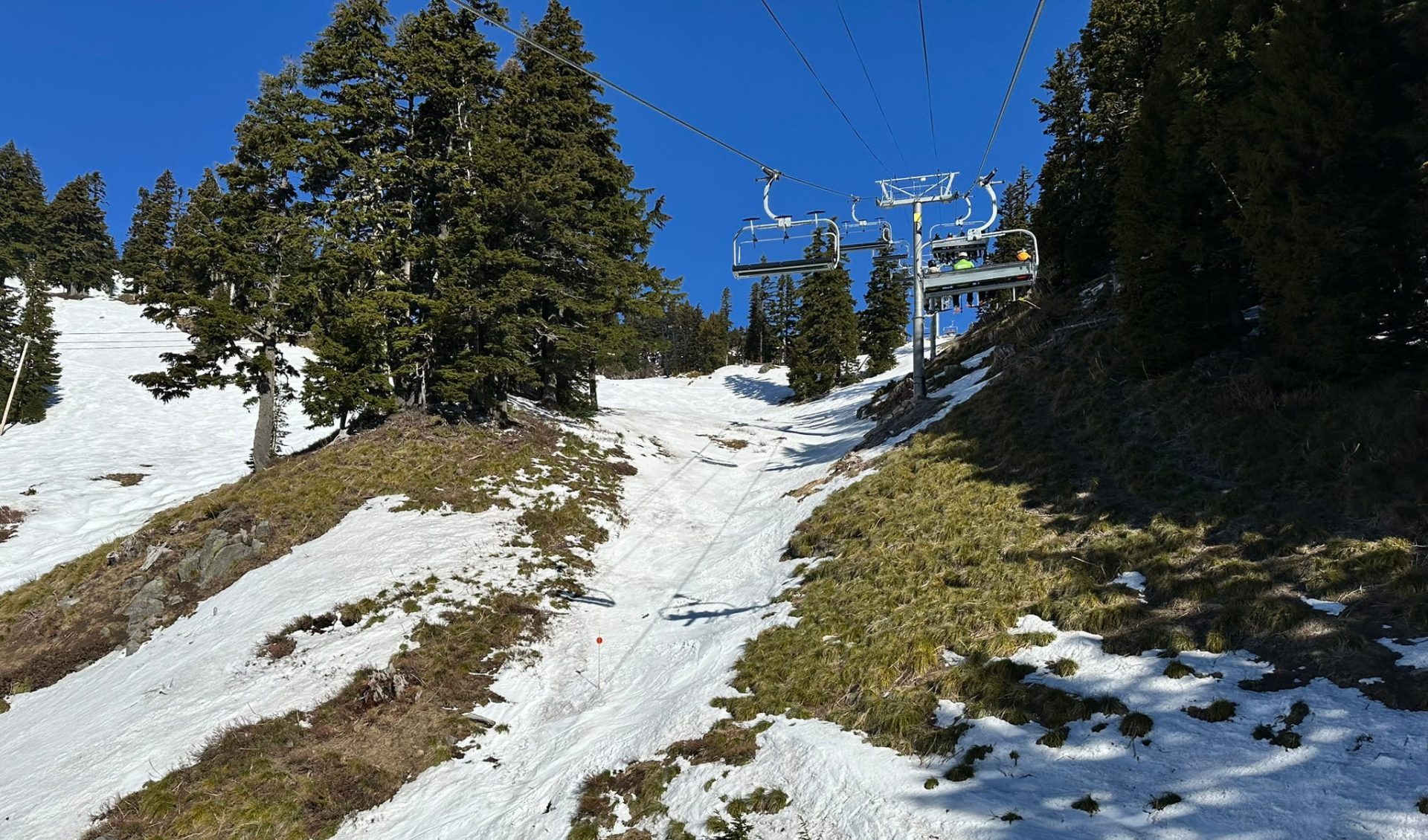
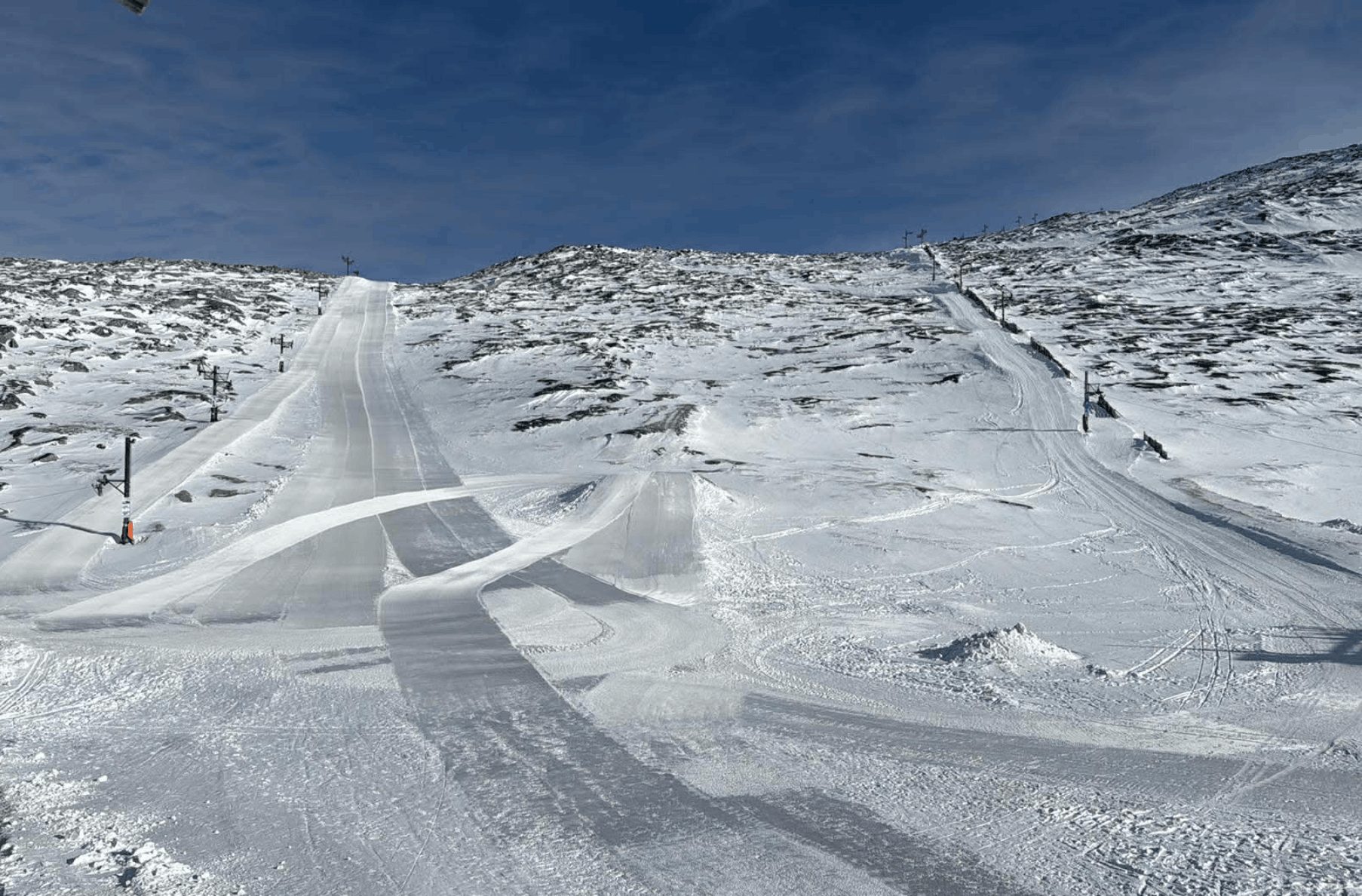
3 weeks agoFor the First Time in 25 Years, Greenland Ski Resort Remains Closed Amid Warmth and Low Snow Totals - SnowBrains
Greenland's Sisorarfiit Skiliften ski resort failed to open for the first time in 25 years due to record-breaking warm temperatures and insufficient snowfall.
World politics
fromwww.theguardian.com
5 days agoWorld held hostage by reliance on fossil fuels, Christiana Figueres warns and climate health impacts are mother of all injustices'
Countries' reliance on fossil fuels is causing health impacts from climate change, described as the mother of all injustices.
fromwww.aljazeera.com
4 days agoGlobal energy crisis is the mother of all crises': Turkish energy minister
We are going through what we might call the mother of all crises. The world has witnessed many oil crises in the past 50 years, such as the post-COVID-19 crisis and following geopolitical tensions.
Europe news
World politics
fromLondon Business News | Londonlovesbusiness.com
5 days agoMiddle East energy shock could reshape global system by 2050 - London Business News | Londonlovesbusiness.com
Prolonged disruption to Middle East energy supplies could halve oil and gas import dependence by 2050, shifting demand towards electrification and renewables.


fromwww.kaltblut-magazine.com
4 weeks agoThe Climate Crisis
At a young age, I learned quickly how oil wealth and power could burn the land while people struggled. I saw heat rise off the streets, the Nile strained, and the air thickened with injustice. In my teenage years, through Aotearoa, being on the edge of the Pacific, I felt the ocean breathing heavy, swallowing the shores of islands that have done the least to cause this harm.
Photography
fromWIRED
1 month agoThe Data Centers Have Arrived at the Edge of the Arctic Circle
The facility once produced paper, the raw material of the newspaper information age. Now, Borlänge will produce the raw material for AI and the next information age. This declaration by EcoDataCenter's CEO Peter Michelson symbolizes the transformation of industrial sites into critical infrastructure for artificial intelligence development and deployment.
European startups
fromwww.theguardian.com
5 days agoNon-survivable': heatwaves are already breaching human limits, with worse to come, study finds
When scientists applied a new model of human survivability that takes into account the body's ability to function and stay cool depending on age, they found all six events had seen non-survivable periods for older people who could not find shade.
Environment
fromWIRED
2 months agoThe ICE Expansion Won't Happen in the Dark
ICE has designs on every major US city. It plans to not only occupy existing government spaces but share hallways and elevator bays with medical offices and small businesses. It will be down the street from daycares and within walking distance of churches and treatment centers. Its enforcement officers and lawyers will have cubicles a modest drive away from giant warehouses that have been tapped to hold thousands of humans that ICE will detain.
US politics
fromNature
6 days ago'Net zero' isn't madness: the staggering economic costs of climate change
The overarching message of The Economics of Climate Change: The Stern Review was that failing to invest in mitigating climate change would exact an alarmingly high price, estimated between 5% and 20% of global GDP per year.
Environment
fromThe Local Germany
2 months agoWill the ice ever melt in Germany this winter?
In Berlin, hospitals and clinics and working nonstop to treat a surge of patients with injuries from falling on icy pavements. Surgeons have been working through the night to cope with the influx, with many patients suffering broken bones, concussions and even near-paralysis from falls according to reporting in the Berliner Zeitung. Meanwhile, on Thursday night alone, police in Hanover and the surrounding region recorded 37 traffic accidents due to slippery roads, though thankfully only one person was slightly injured.
Miscellaneous
fromThe Atlantic
1 month agoThe Blind Spot at the Top of the World
He had flown in from Mar-a-Lago and, he told me, was there to observe. The next day, he watched as Åsa Rennermalm, a Rutgers University professor who studies polar regions, sat onstage with European foreign ministers and spoke out against cuts to U.S. science funding. "A leading US Arctic scientist is on stage absolutely ripping her country to the delight of the audience," Dans wrote on X. "Embarassing." He punctuated his post with an American-flag emoji.
US politics


fromState of the Planet
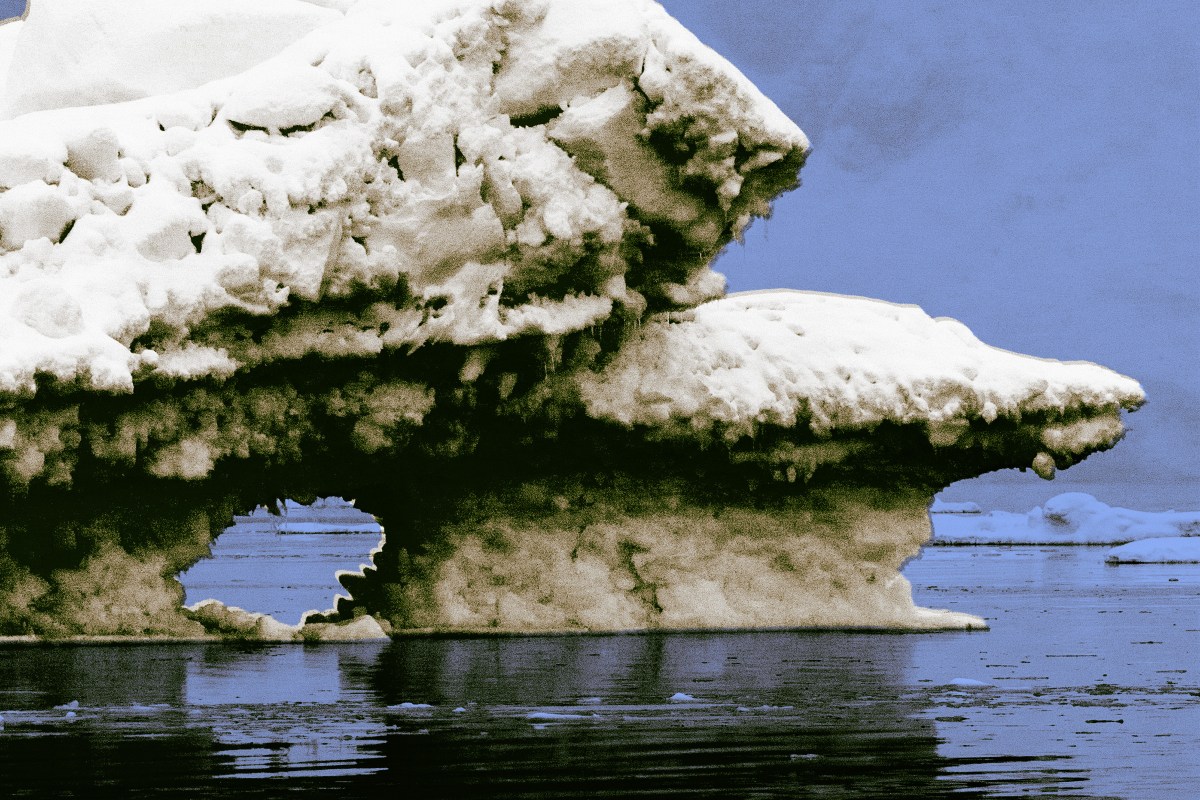
2 months agoSea Levels Are Rising-But in Greenland, They Will Fall
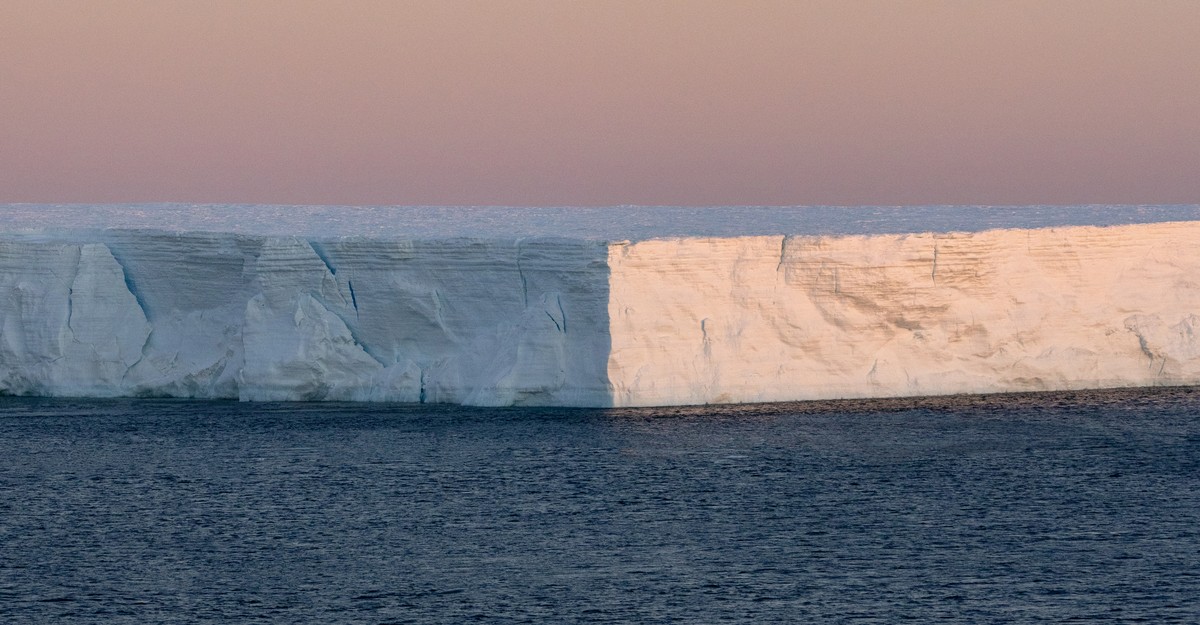
That seemingly paradoxical dynamic results from several factors. Foremost among them is the rebound of land beneath the Greenland Ice Sheet, a mile-thick body of glacial ice that covers 80 percent of the island and is being lost to melting at a rate of roughly 200 billion tons each year. As the ice sheet loses mass, the land beneath rises.
Science
Environment
fromState of the Planet
1 month agoAntarctica Undergoes 'Greenlandification' As Ice Melt Accelerates
Antarctica's ice sheet is undergoing rapid destabilization similar to Greenland's, with accelerating surface melt, ice shelf collapse, and grounding line retreat driven by oceanic and atmospheric warming.
fromNature
1 month agoThe world is getting hotter faster - its pace nearly doubled in the past decade
Because the past three years have shattered temperature records, researchers have been exploring whether global warming is accelerating, and if so, why. Many scientists agree that the rate at which it is increasing has picked up. This is mainly because of a reduction in air pollution following the introduction of fuel regulations for international shipping (which has resulted in fewer pollutant particles that reflect sunlight into space and seed insulating clouds).
Environment
Environment
fromMail Online
1 month agoGlobal warming has accelerated significantly since 2015, study reveals
Global warming has accelerated to 0.35°C per decade over the past 10 years, double the 1970-2015 rate, threatening to exceed the 1.5°C Paris Agreement limit before 2030 without urgent CO2 emission reductions.
fromenglish.elpais.com
2 months agoArctic warming Trump dismisses reaches record highs, stoking interest in Greenland
Climate change which U.S. President Donald Trump calls the greatest con job ever perpetrated in the world is precisely what is driving the push to gain control of Greenland, an ambition openly declared by Trump. Human-caused global warming is reaching record levels in the Arctic region. This triggers ice melt, opening new shipping routes that major powers want to control, as well as theoretically easier access to the island's resources minerals and fossil fuels.
Environment
fromState of the Planet
2 months agoUnexpected Climate Feedback Links Antarctic Ice Sheet With Reduced Carbon Uptake
Ice-sheet retreat lined up with low algae growth over the past ~500,000 years, implying less CO₂ uptake in parts of the Southern Ocean during warm periods. The study points to iceberg-delivered, iron-rich sediments from West Antarctica during warm intervals, not windblown dust. The iron-bearing minerals in these sediments were highly weathered and not readily bioavailable to marine algae. If WAIS keeps shrinking, similar sediment delivery could weaken Southern Ocean carbon uptake, creating feedback that could amplify climate change.
Environment
fromMail Online
1 month agoAntarctica's worst-case climate scenario laid bare
Changes in the Antarctic do not stay in the Antarctic. Though Antarctica is far away, changes here will impact the rest of the world through changes in sea level, oceanic and atmospheric connections and circulation changes.
Environment
Environment
fromwww.scientificamerican.com
2 months ago2025 Wasn't the Hottest Year on Record. Earth Is Still Barreling to the Climate Brink
Global average temperatures have exceeded 1.5°C above preindustrial levels for three consecutive years, putting the world on track to breach the Paris Agreement limits.
fromFast Company
2 months agoA critical climate trend just reversed-driven by crypto and data centers
After two years of declines, United States greenhouse gas emissions increased in 2025-a change driven by increased electricity use, due in part to data centers and cryptocurrency mining, as well as cold winter temperatures that meant homes required more heating. Emissions increased 2.4% in 2025, according to preliminary data from the research firm Rhodium Group. That's higher than the country's GDP growth, which increased by a projected 1.9%.
Environment
fromThe Nation
2 months agoClimate Hushers Need to Get Real
"Let's be realistic." That's the advice coming from a growing number of voices in climate circles in the United States. In October, billionaire Bill Gates argued that a global temperature rise of 2 degrees Celsius is unavoidable and not a " super bad outcome"-a view unlikely to be shared by the millions of people whose homes would be destroyed by the resulting killer storms and rising seas.
Environment
Environment
fromwww.independent.co.uk
2 months agoIn the Arctic, the major climate threat of black carbon is overshadowed by geopolitical tensions
Arctic shipping soot accelerates sea-ice melt, worsening global warming and weather, while The Independent seeks donations to fund on-the-ground journalism without paywalls.
[ Load more ]