#illustration
#illustration
[ follow ]
#contemporary-art #photography #street-art #digital-art #surrealism #concept-art #visual-art #graphic-design


fromdesignyoutrust.com
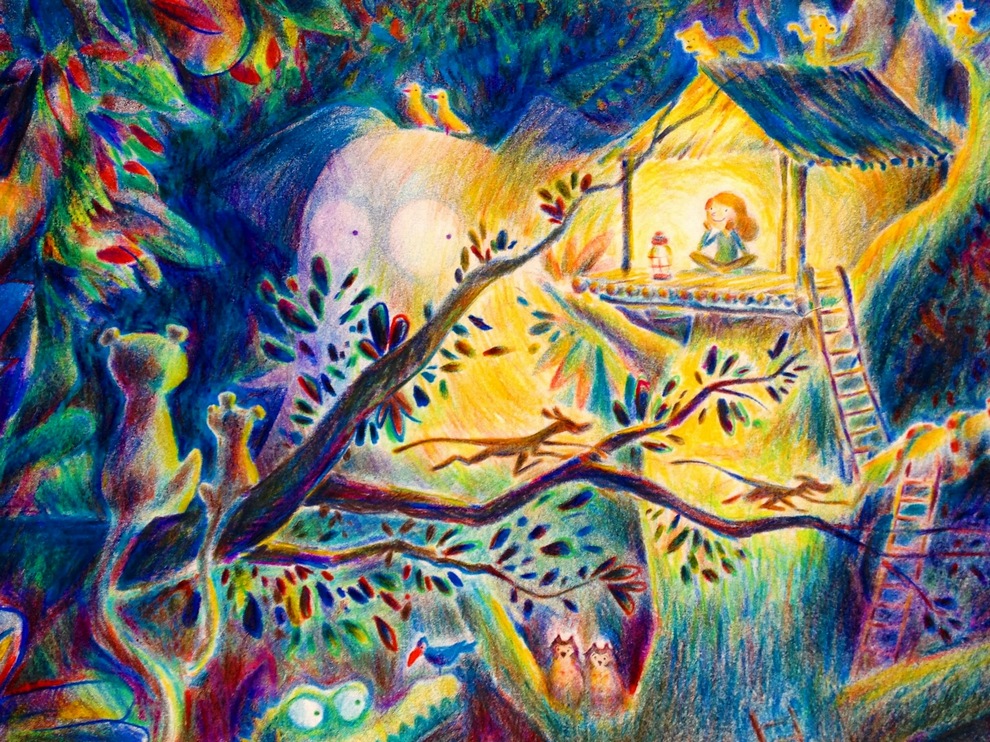
4 days agoDreamlike Cityscapes And Starlit Longing: The Enchanting Magical Realism Of South Korean Illustrator Jungsuk Lee
Jungsuk Lee's paintings blend wistful figures and starry nights, creating dreamlike scenes that evoke nostalgia and a sense of longing for fleeting moments.
Graphic design






fromBOOOOOOOM!
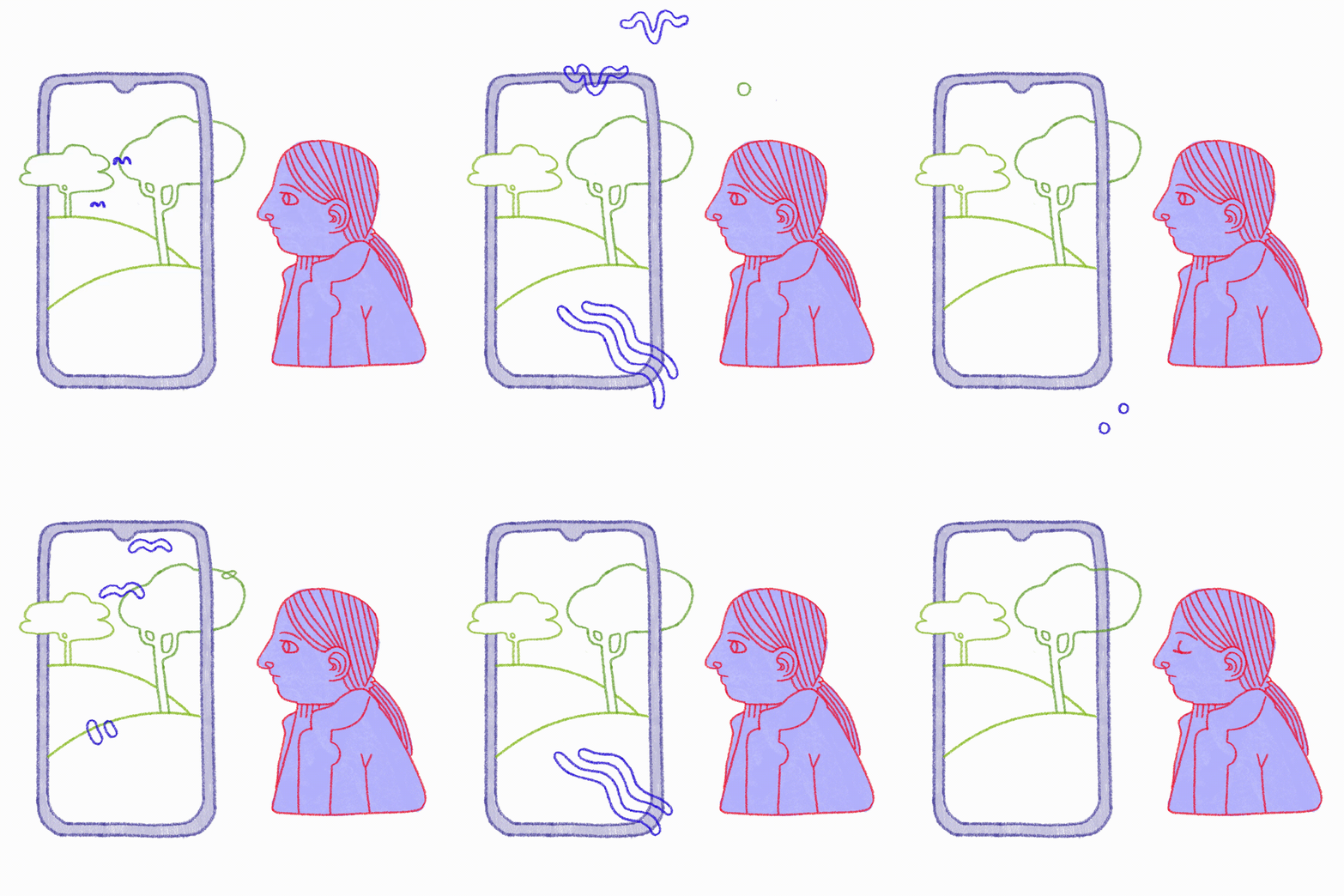
3 weeks agoIllustrator Spotlight: Kristina Tzekova
My drawing practice revolves around capturing quiet, ephemeral moments found in films, music videos, and internet culture. By creating these small sequential panels, I seek to stretch these moments to their limit, aiming to slow time down and reveal a soft, meditative beauty within the digital ephemeral.
Graphic design
fromBOOOOOOOM!
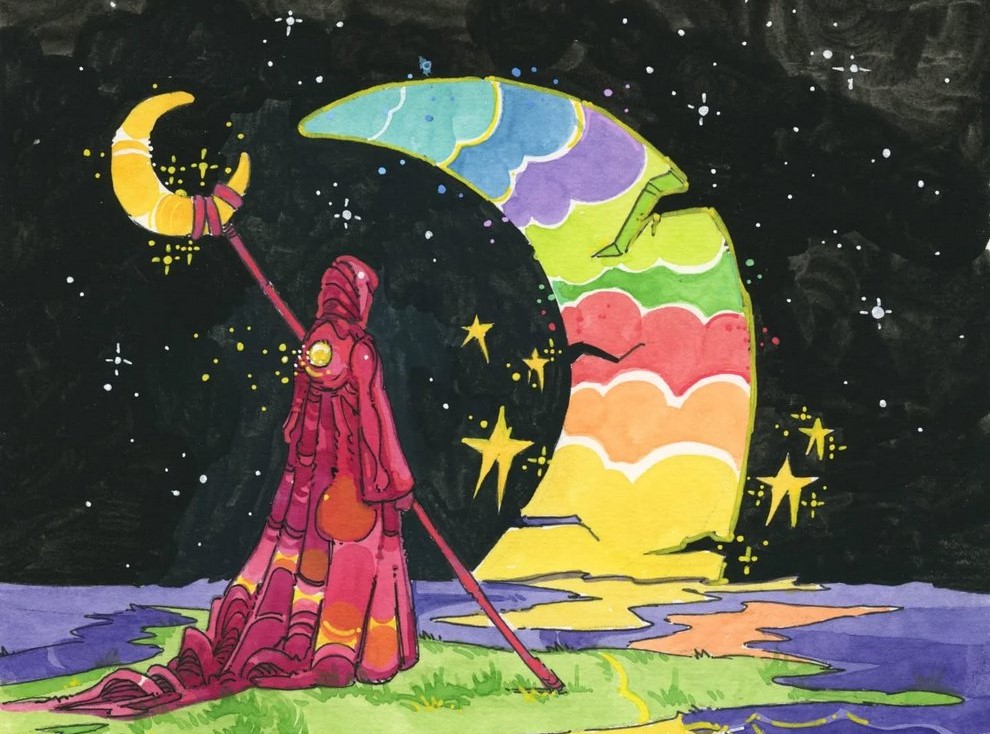
1 month agoIllustrator Spotlight: Cezar Berje
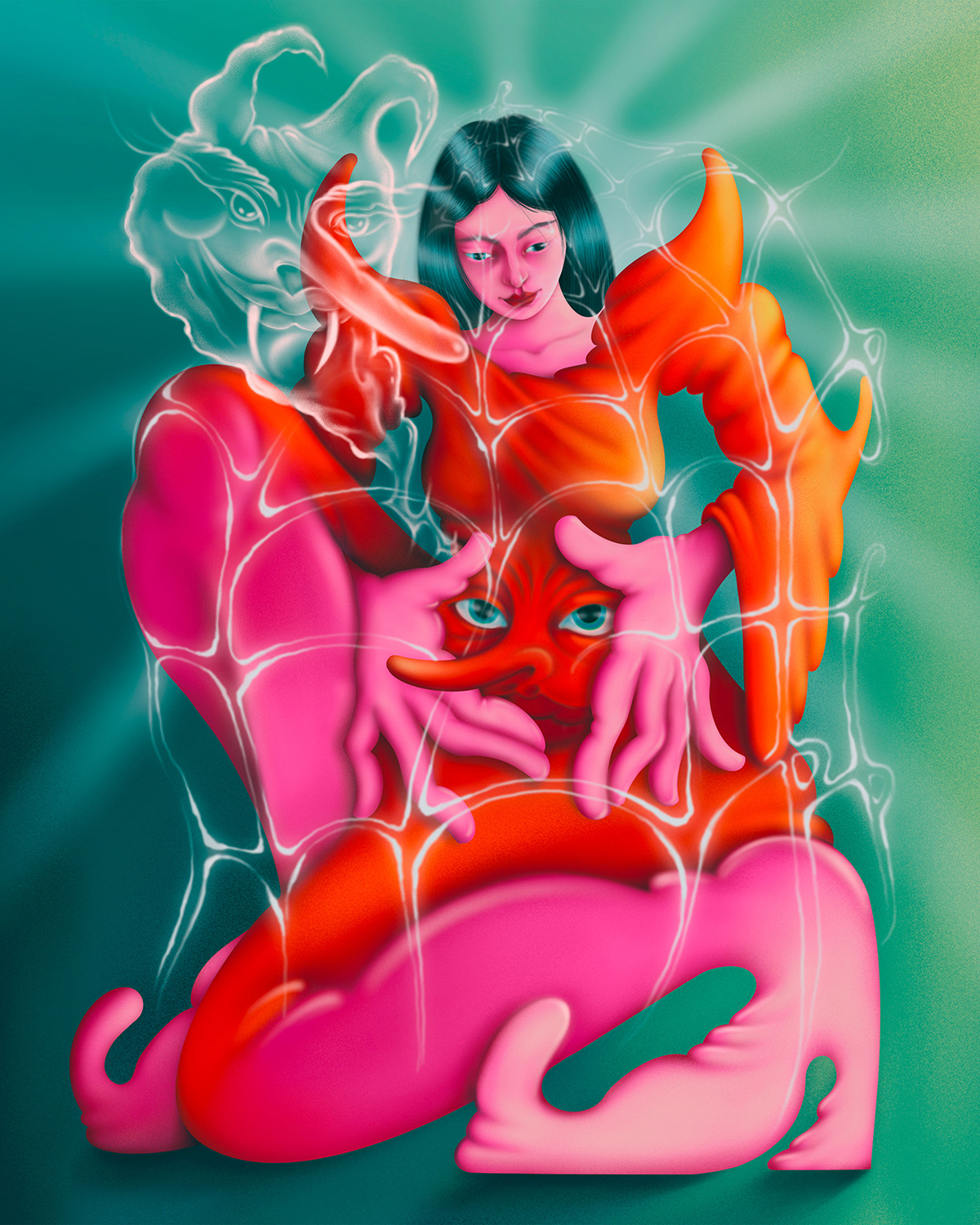
Cezar Berje's visual approach is a mix of chaos-vibrant colours, symbols, and new age psychedelia. His illustrations often suggest universes within universes, with each part of the image telling its own story through symbols and references.
Graphic design
#contemporary-art
Arts
fromdesignyoutrust.com
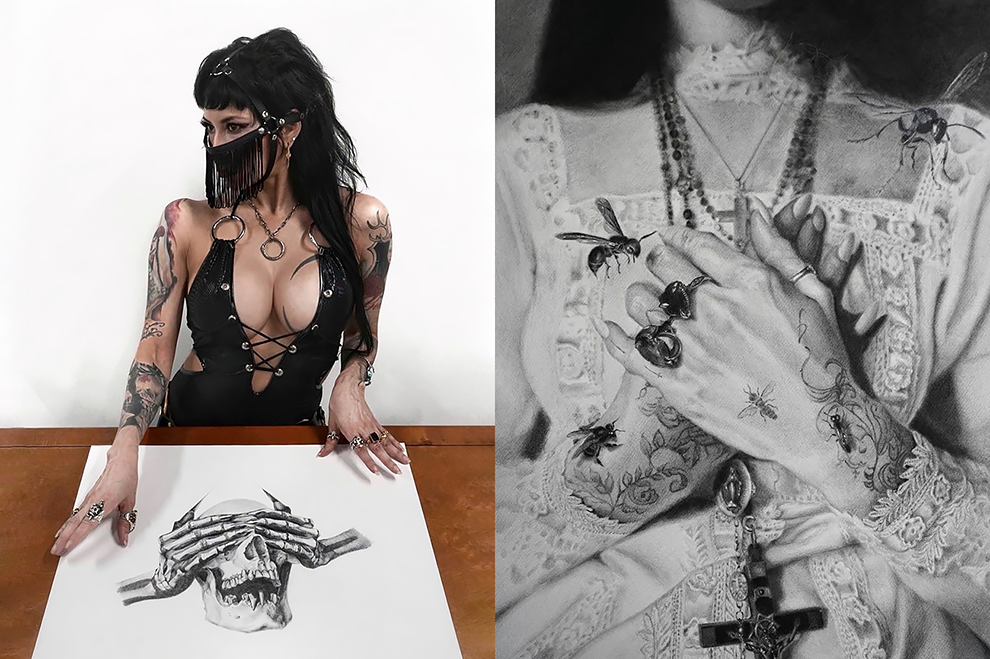
2 months agoStunning Dark Occult Art By Los Angeles Illustrator And Anesthetist Lizz Lopez
Global contemporary visual art showcases varied mediums, inventive techniques, and socially engaged, playful projects spanning photography, sculpture, illustration, street art, and design.
Graphic design
fromBOOOOOOOM!
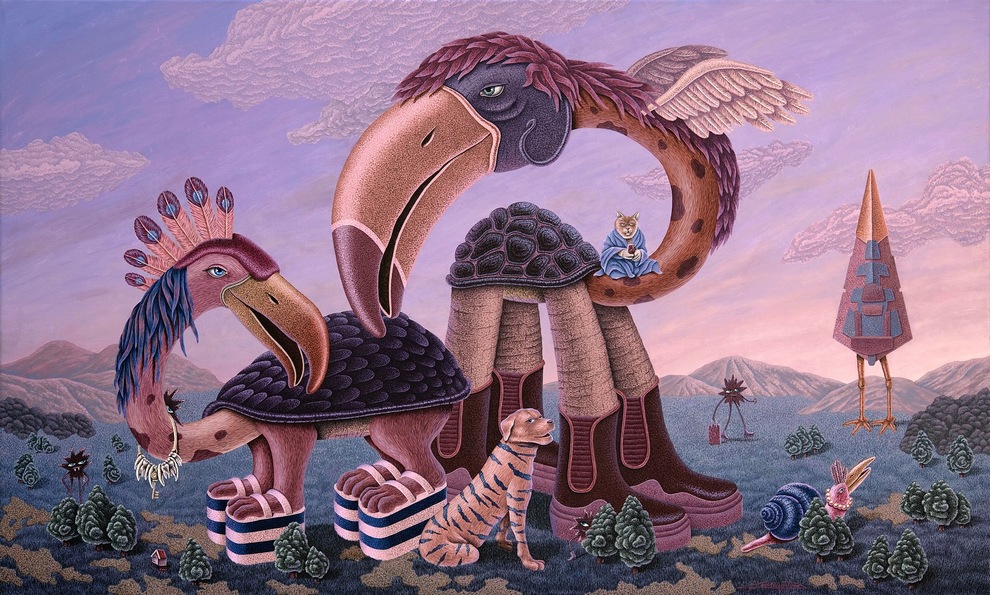
1 month agoIllustrator Spotlight: Starrenco
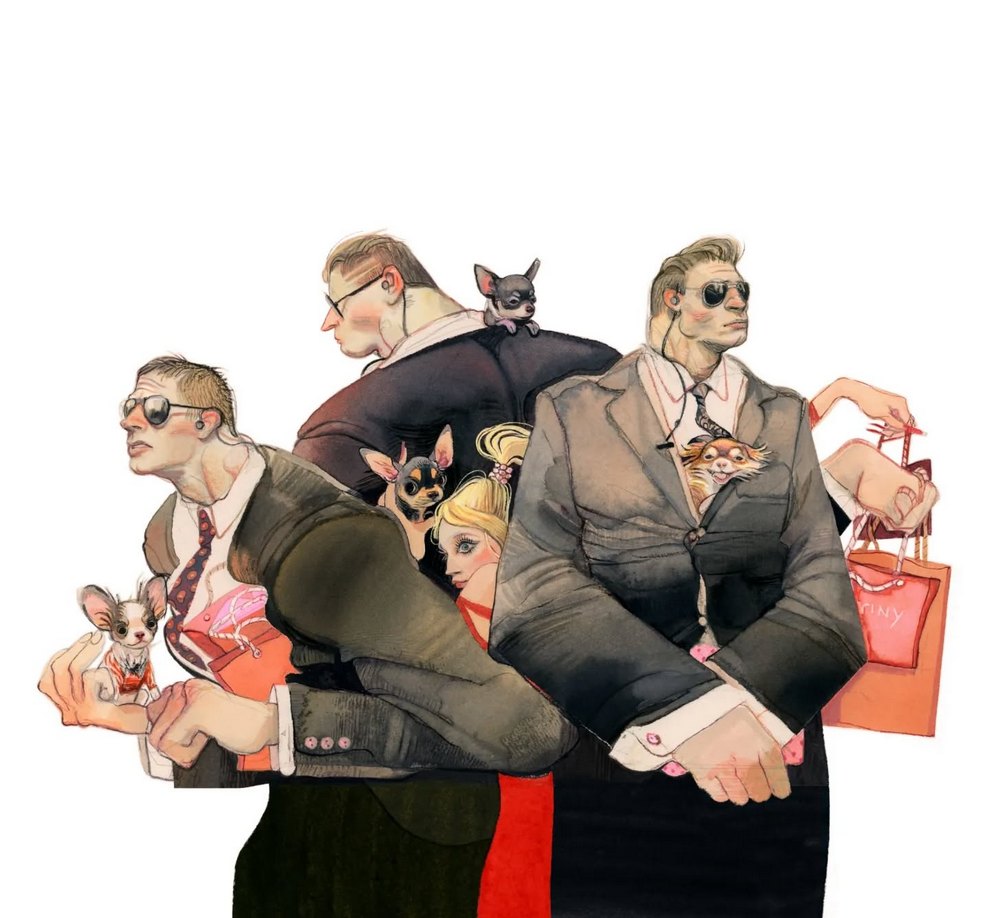
Italian illustrator Starrenco creates distorted, imaginative worlds grounded in reality, using drawing as a method of personal investigation to explore inner landscapes and reveal hidden meanings through intuitive creative processes.
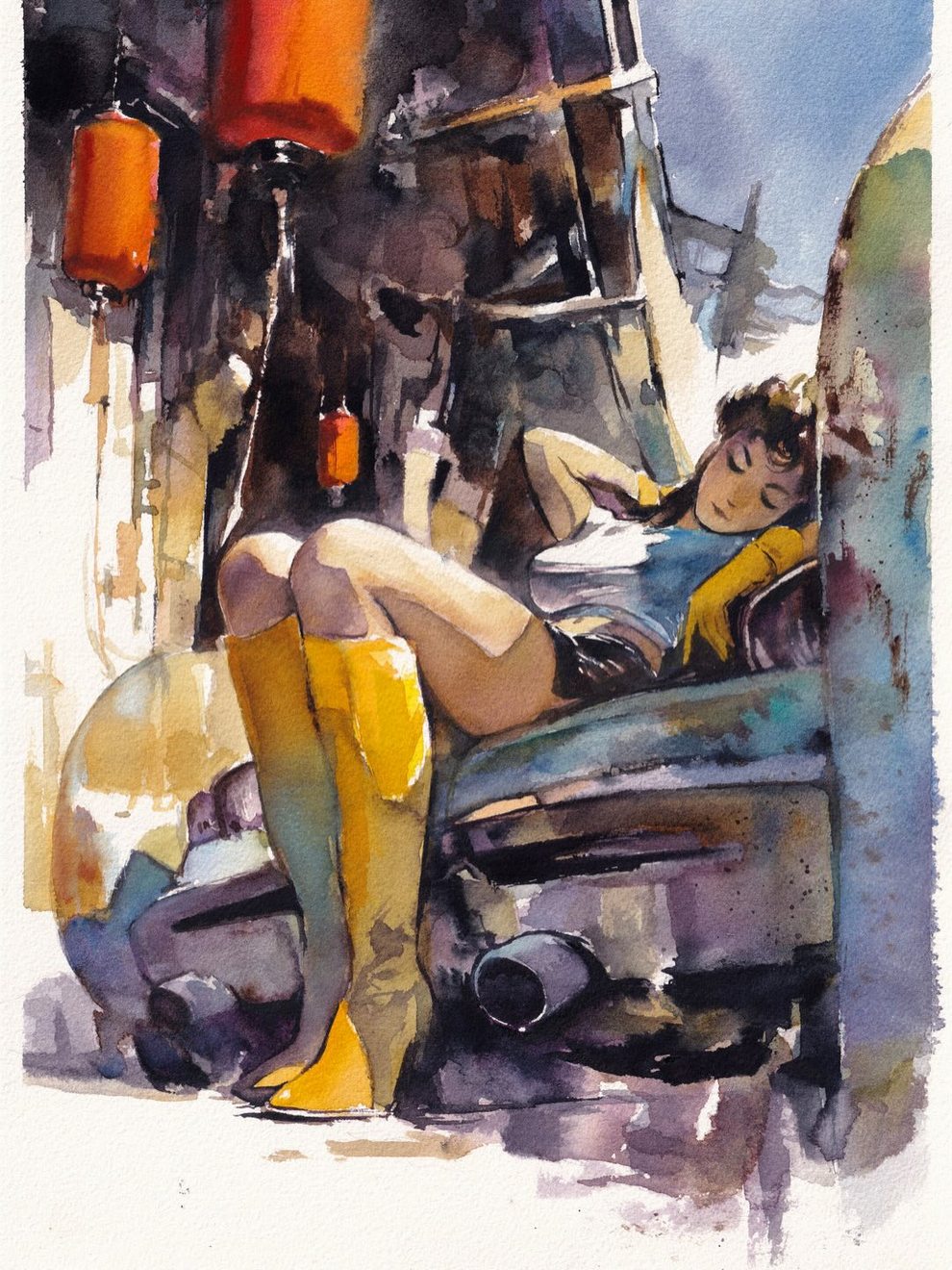
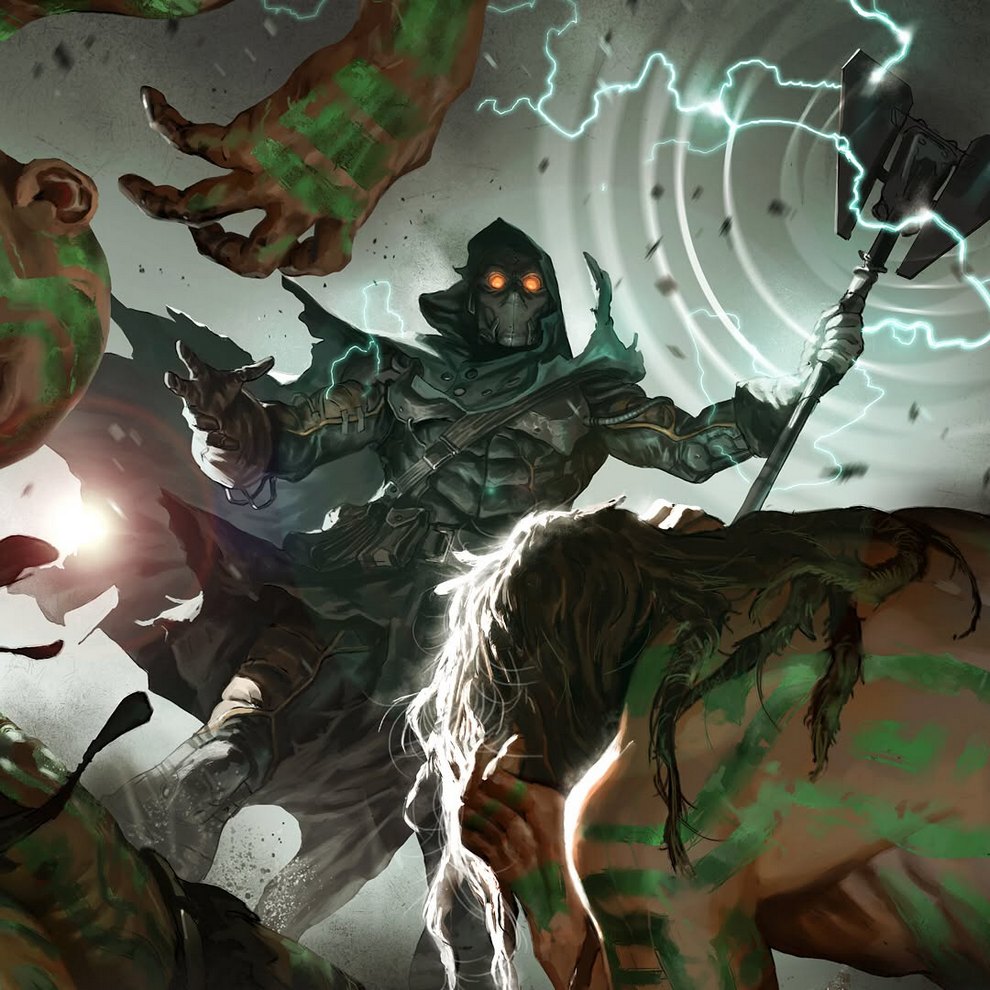
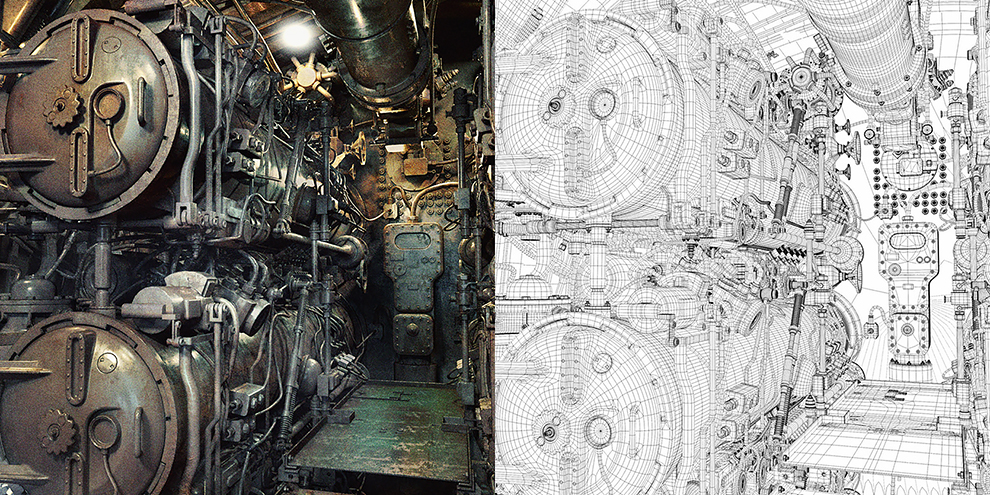
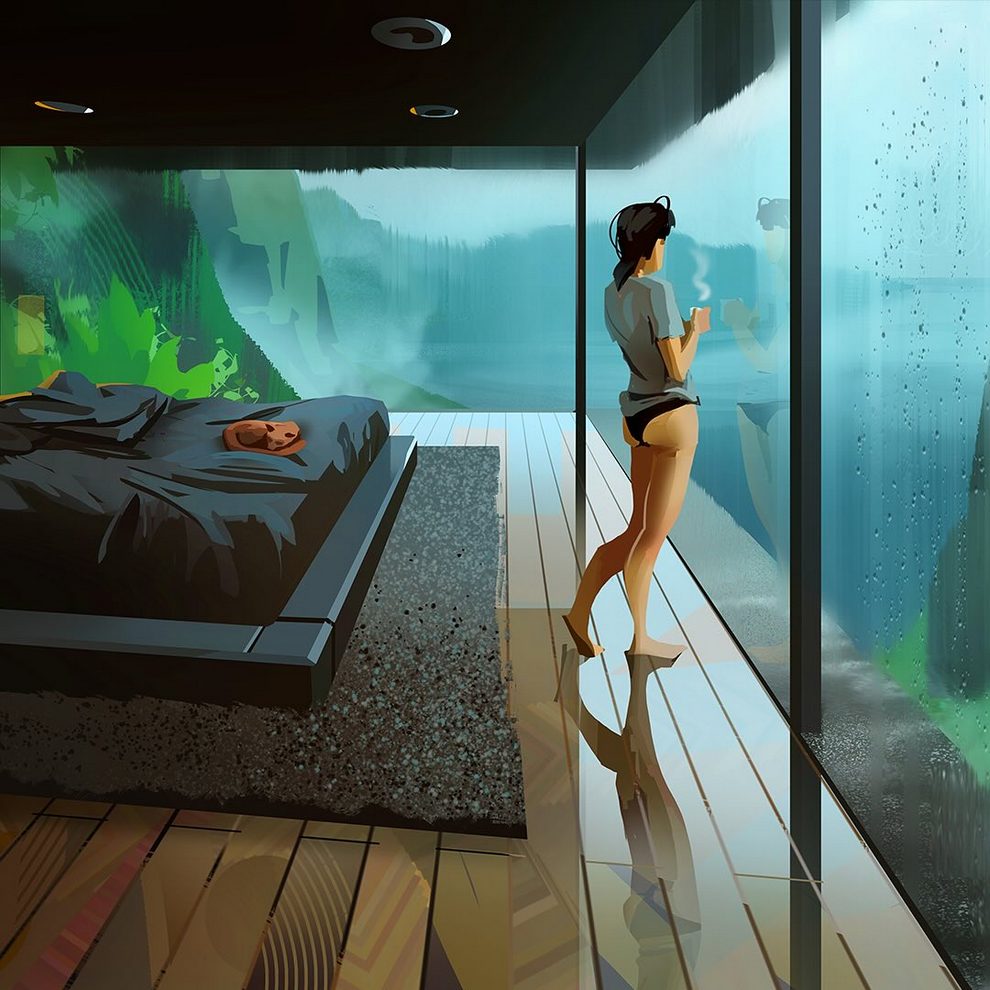

fromItsnicethat
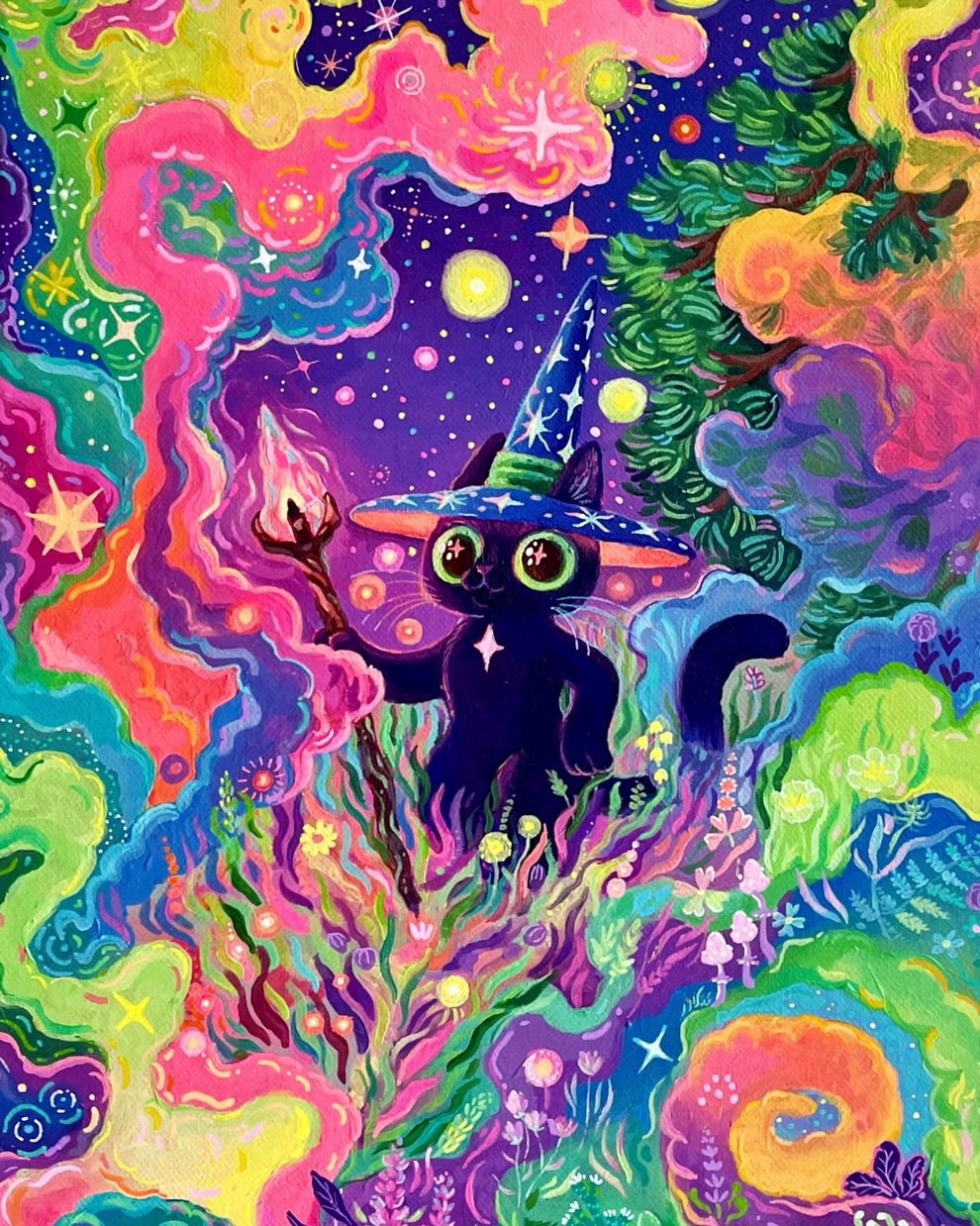
2 months agoLife is in constant motion in Chiara Xie's kinetic and flowing illustrations
In illustrator Chiara Xie 's work, everything is in motion. Rooted in a deep reverence for vitality, Chiara is fascinated by "the rhythm that flows through a scene", lingering like a suspended breath, and other times "surging as a vibrant, agile current of motion". It's not hard to know what she means: every illustration is filled with motion, arcs of light and air bouncing off every corner.
Graphic design
Arts
fromdesignyoutrust.com
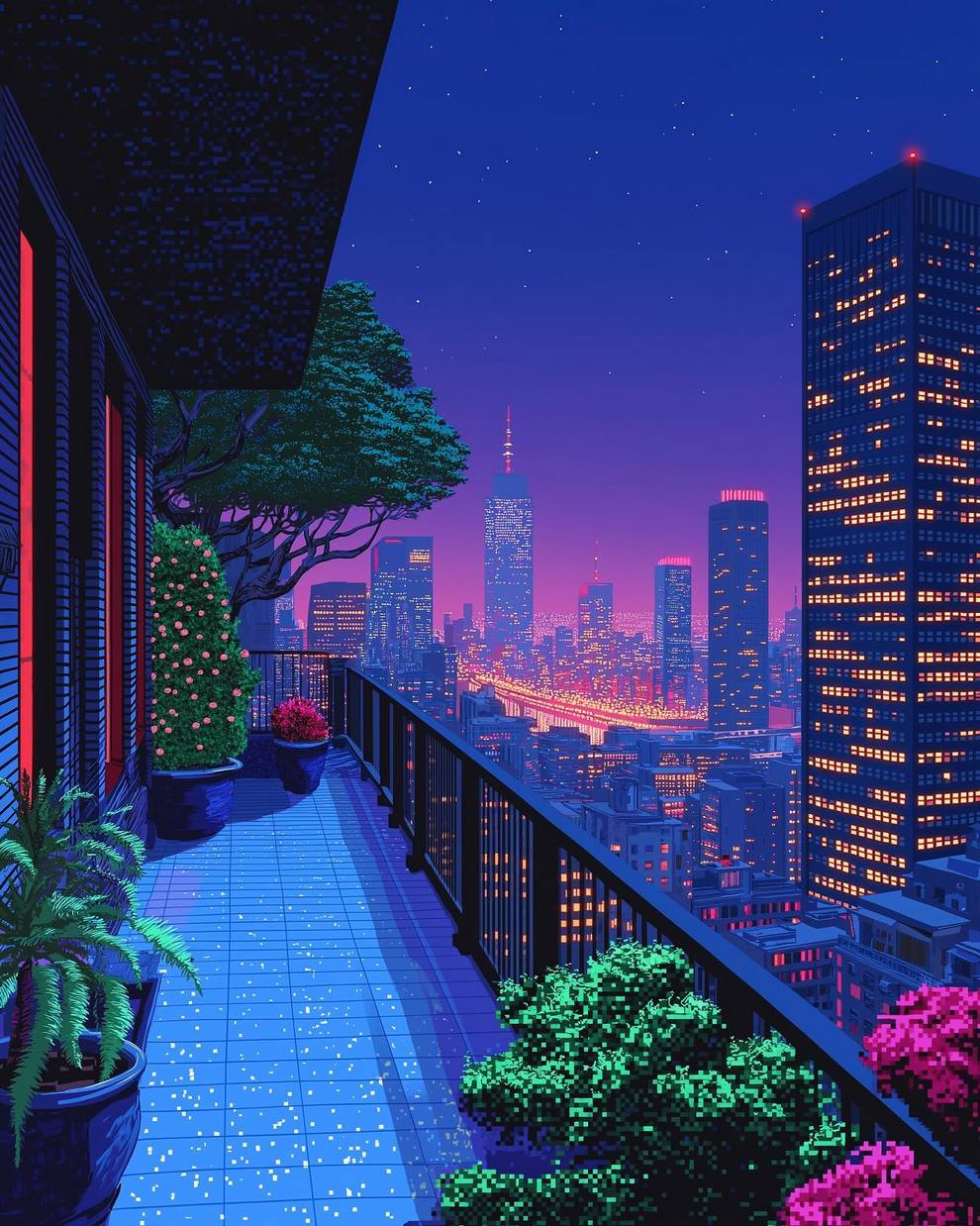
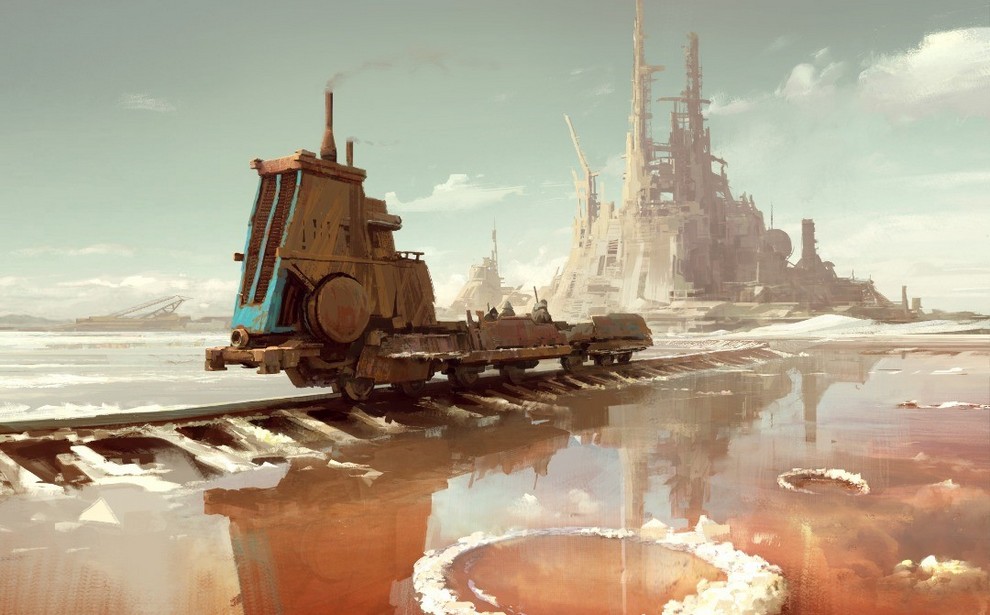
2 months agoStunning Hyperdetailed Urban Worlds Of Novanoxone That Look Like Frames From A Scifi Movie
Contemporary visual art from international creators spanning pandemic-themed projects, surreal and nostalgic illustrations, murals, graffiti photography, editorial edits, and concept/game art.
Graphic design
fromdesignyoutrust.com
2 months agoElegance and Realism in Early 20th-Century Dutch Art of Willy Sluiter
Contemporary visual art and design are showcased through political photomontage, AI-generated imagery, playful illustrations, reimagined logos, and evocative watercolor and concept artworks.
fromItsnicethat
2 months agoRylee Hollis uses dreamy watercolour textures to paint cowboy dogs and punk mohawks
Well known for its unique texture and unpredictable nature, this Texas-born and Toronto-based illustrator somehow gets a leash on it, creating semi-airbrushed, dreamy and playful scenes between eccentric characters and luminous colours. Dense with subjects and textures, Rylee's compositions explode with action and motion - like in The Cartoon Saloon, anthropomorphic animal cowboys drink, play cards and draw their pistols in a beautiful gradient that captures a moment where the dusty saloon is lit up by the firing of a revolver.
Design
fromItsnicethat
2 months agoLeo Flugler's whispery graphite comic tells the story of a female boxer struggling against sexism
"It works for me best to draw analog, edit digitally and add text or colour my drawings in a second step. But for this I already need to know the text elements, so it usually takes me really long to figure out the different elements before I can really start working and puzzle everything together," says Leo. "Most often I work with already existing stories (not strictly texts) and love to do lots of research and deep dives to find links and parallels in other stories. It's important to add historical context and give the stories more dimension."
Books
Arts
fromdesignyoutrust.com
3 months agoFabien Merelle Masters Ink And Watercolor To Craft Pyjama-Clad Figures Teetering On Absurd Family Edges
A diverse collection of contemporary and vintage visual art, illustrations, posters, and provocative campaigns spanning pop culture, horror, urban, and political themes.
fromItsnicethat
3 months agoFeng Yitong illustrates the surreality of living between cities
Feng Yitong is a Berlin-based illustrator from Xi'an, China whose comic and hand-drawn imagery addresses migration, cultural shifts and embodied experiences in heavy, tactile forms of oil pastels. Using skills learned from her bachelors and masters degrees in illustration at the Berlin University of the Arts, she sketches her emotive scenes, then scans before using a light table to transfer them onto A4 and A3 paper. Coloured with oil pastels, she achieves her sharp visual effects by using kitchen cloths to remove or mix thick marks to create defined edges and distinct segments of her dense images.
Berlin
fromItsnicethat
3 months agoFaber Editions' type-led cover design system is breathing new life into old books
Those he saw as "most successful" had a "bold typographic and/or illustrative treatment" which in turn "countered the dominance" of the branding strip that ran down the side. "This realisation led me to define some rules for the designs of the individual covers that tried to ensure that the covers would never feel overwhelmed by the branding system," says Pete. "The core rule was that the Editions would essentially be typographic covers, or typographically-led covers in terms of the hierarchy between type and image."
Typography
Arts
fromdesignyoutrust.com
3 months agoHeavy Charcoal Shading And Dramatic Light Make Daniel Alvarez's Drawings and Illustrations Feel Pulled From Dreams
Daniel Alvarez's contemporary black-and-white illustrations use charcoal, graphite, and digital media to depict minimalist, emotionally charged figures and surreal scenes evoking introspection and tension.
fromwww.creativebloq.com
3 months agoCheck out this artist's unique takes on famous character designs, from Alice in Wonderland to Hellboy
Based in Brazil, Arthur Randolpho is an illustrator who has worked across comics, games and books, and now aspires to be a character designer for animation projects. Working both digitally and using traditional watercolours and pencils, he says his biggest inspirations are Carter Goodrich, Nico Marlet, Matias Bergara and Cory Loftis. Below he shares four examples of his work: an original character design and three unique reinterpretations of well-known characters.
Arts
Photography
fromdesignyoutrust.com
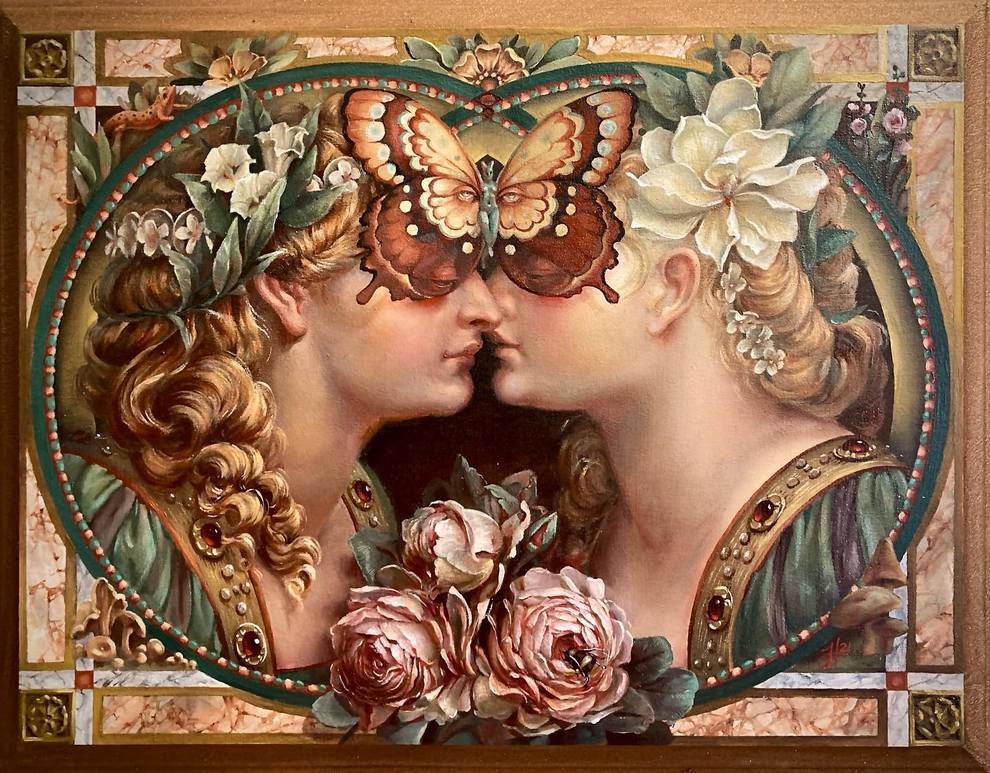
3 months agoMeet Aleardo Villa, The Master of Belle Epoque Elegance
Artists and AI practitioners reinterpret history, popular culture, and urban life through digital, photographic, illustrative, and street-art techniques, blending nostalgia, surrealism, and social critique.
[ Load more ]