#surrealism
#surrealism
[ follow ]
#art #illustration #contemporary-art #fashion #schiaparelli #photography #leonora-carrington #salvador-dali


Graphic design
fromHi-Fructose Magazine - The New Contemporary Art Magazine
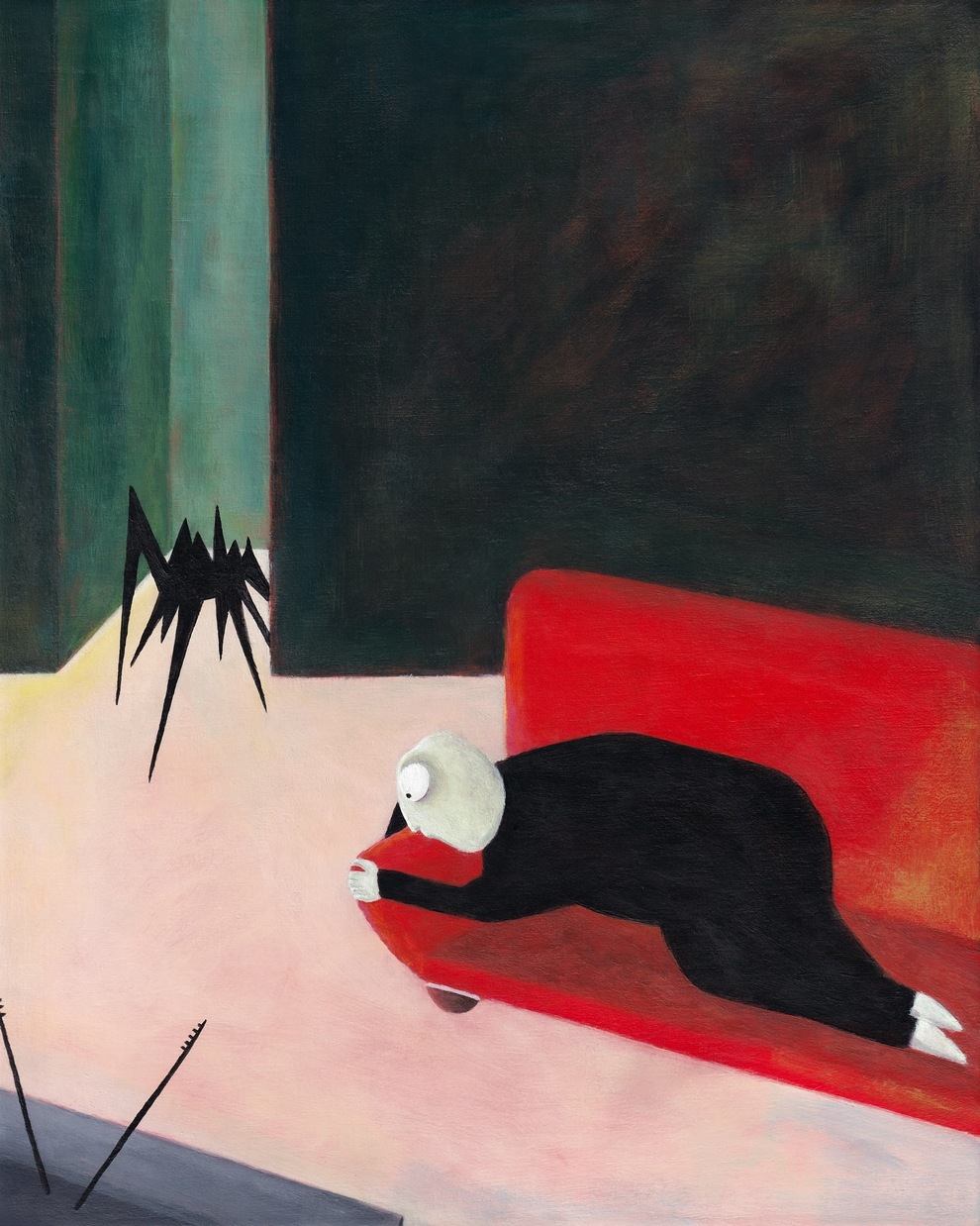
3 days agoSHOHEI Ochiai Flattens consumer products into Surrealistic Childlike paintings - Hi-Fructose Magazine
Ochiai’s paintings use layered materials and hands-on corrections to create surreal, memory-like scenes with visible texture and depth beyond photos.
fromFast Company
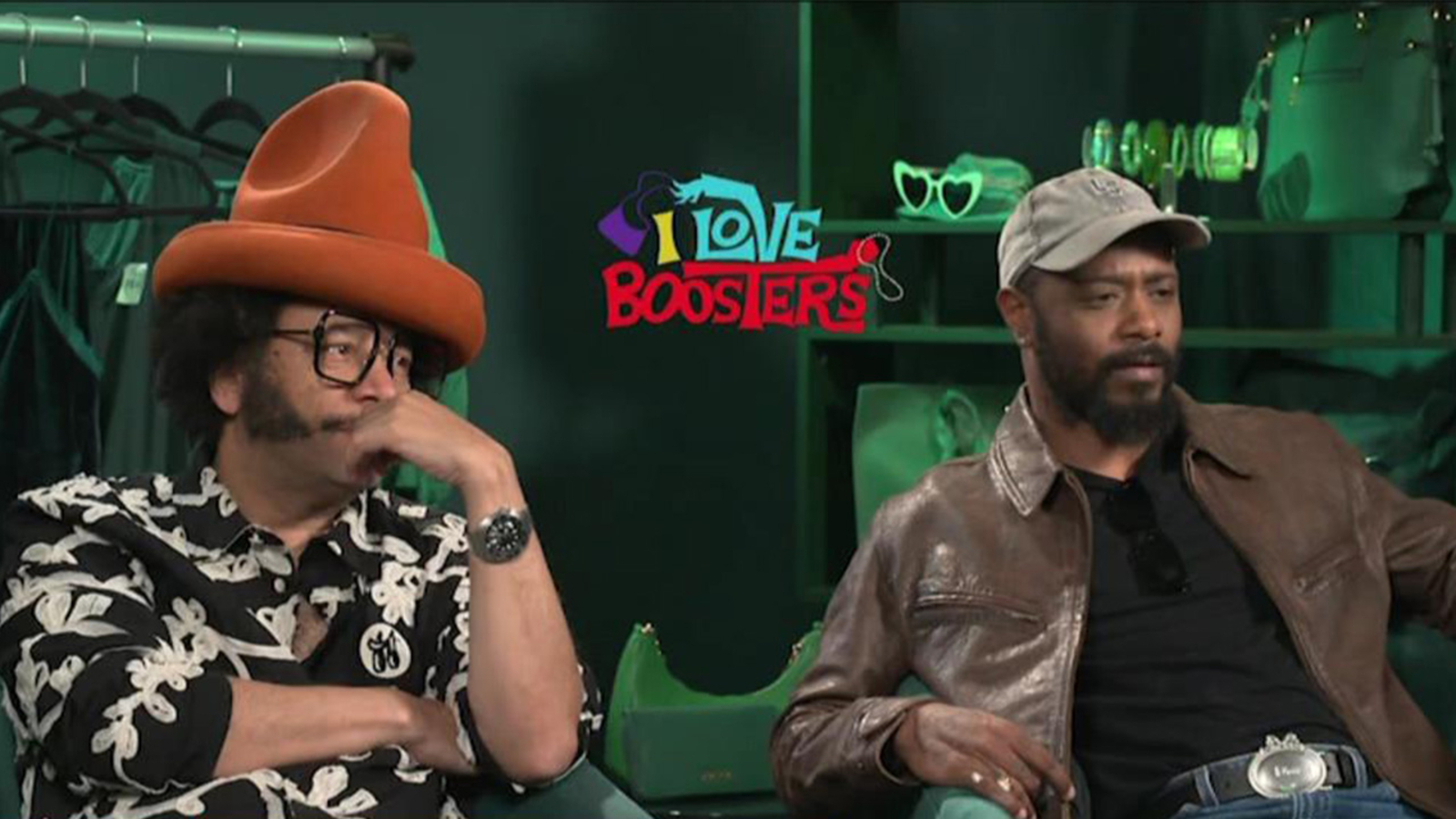
4 days agoHow the costume designer of 'I Love Boosters' brought color back to Hollywood
Color is so key, because it helps create worlds. The Oscar-nominated costume designer keeps finding herself depicting the multiverse: For the Best Picture-winning 2022 movie Everything Everywhere All at Once, she costumed characters across dimensions, from the muted realism of everyday life on Earth to a chaotic mishmash of colors and patterns for the film's mind-bending finale.
Fashion & style
Arts
fromThe Art Newspaper - International art news and events
5 days agoRocked on their heels: how exhibitions can change the course of artists' lives
A 1936 MoMA exhibition profoundly expanded Dorothea Tanning’s sense of possibility, leading her to pursue Surrealism and connect with émigré Surrealists in New York.
fromBig Think
6 days agoThe Dali trick: The strange psychology of becoming who you want to be
“Hey mate, what's your name? What are you here to study? Cool, cool. Fancy a drink?” Ben was an archetype. He was an artsy, romantic sort who wore loose knitwear and an Alibaba scarf he'd bought from a souk in Morocco. Authentically Bedouin, handmad e.
Writing
#fashion


Fashion & style
fromThe Art Newspaper - International art news and events
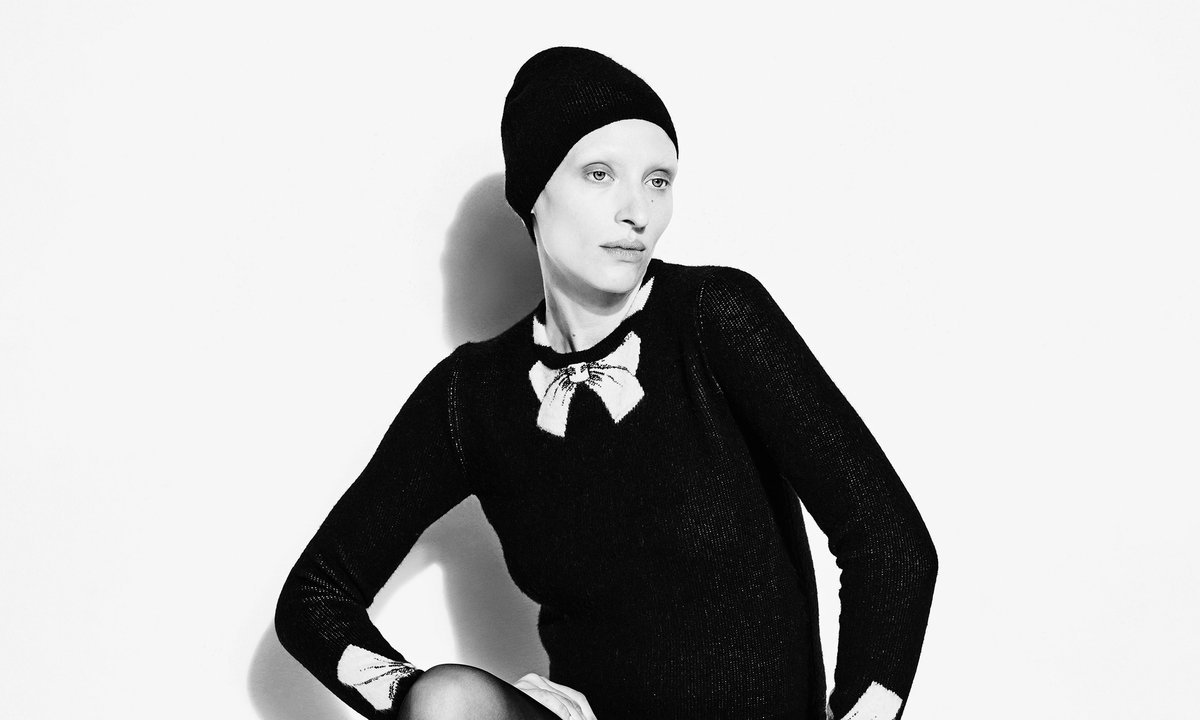
1 month agoV&A exhibition honours designer Elsa Schiaparelli's unique synthesis of fine art and fashion
Schiaparelli's innovative designs transformed fashion by integrating art movements, making her a pivotal figure in 1920s and 1930s Paris fashion.
Arts
fromdesignboom | architecture & design magazine
2 months agoschiaparelli's UK museum debut at the V&A brings together dali, man ray, and picasso
The V&A's exhibition redefines fashion as art, showcasing Elsa Schiaparelli's influence on couture and avant-garde practices through her surrealist collaborations.
fromIndieWire
1 week agoHow Aleshea Harris Combined Influences from Across History to Create Her Tragic, Absurd Debut 'Is God Is'
When the playwright and now film director Aleshea Harris began writing the script for " Is God Is," she was on food stamps; subletting an apartment in North Hollywood; and working multiple jobs, including teaching at California Institute of Arts where she'd gotten her MFA in 2014 and moonlighting as an associate at David's Bridal. "I was so broke," Harris, now 44, said in a recent video interview with IndieWire.
Film
#schiaparelli
Fashion & style
fromSleek Magazine
2 weeks agoElsa Schiaparelli: The Woman Who Turned Fashion Into Art Elsa Schiaparelli: The Woman Who Turned Fashion Into Art
Schiaparelli fashion merges art and craftsmanship, with museum displays tracing innovation from the 1920s to today through original designs and reinterpretations.
Arts
fromwww.theguardian.com
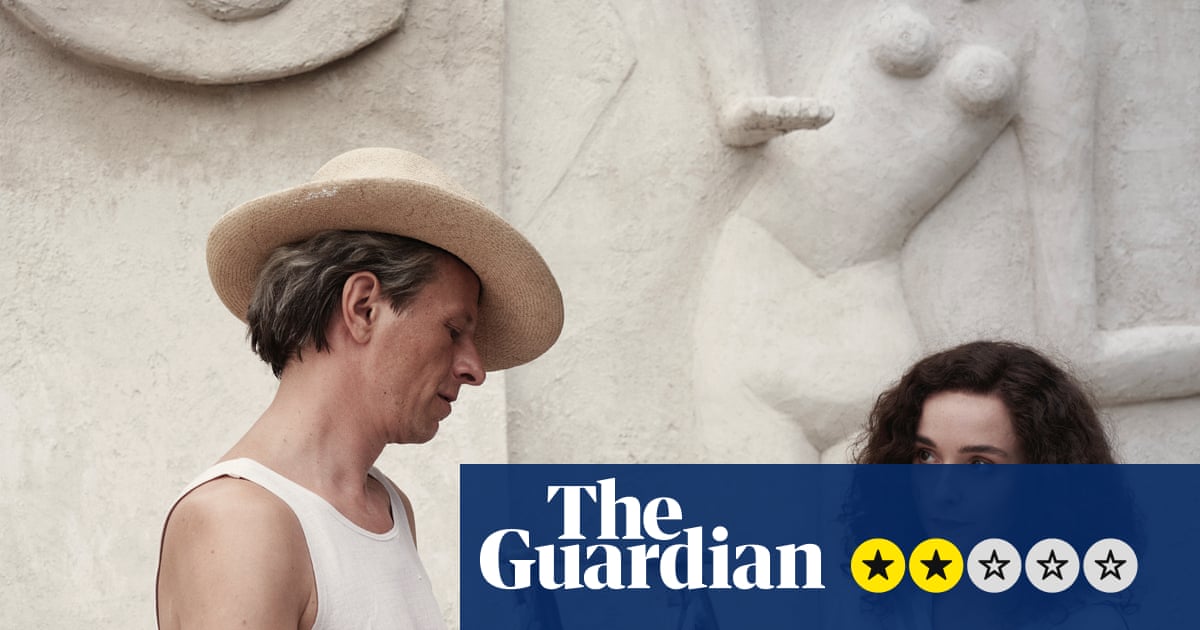
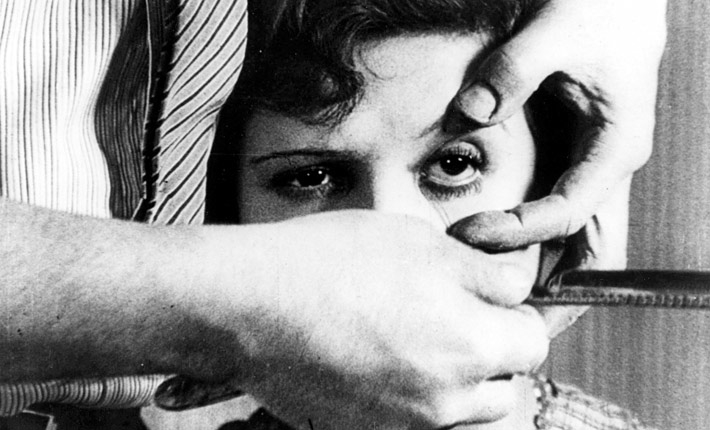
2 months agoSchiaparelli review it's cocktail o'clock with fashion's surreal goddess who out-lobstered Dali and turned a polar bear pink
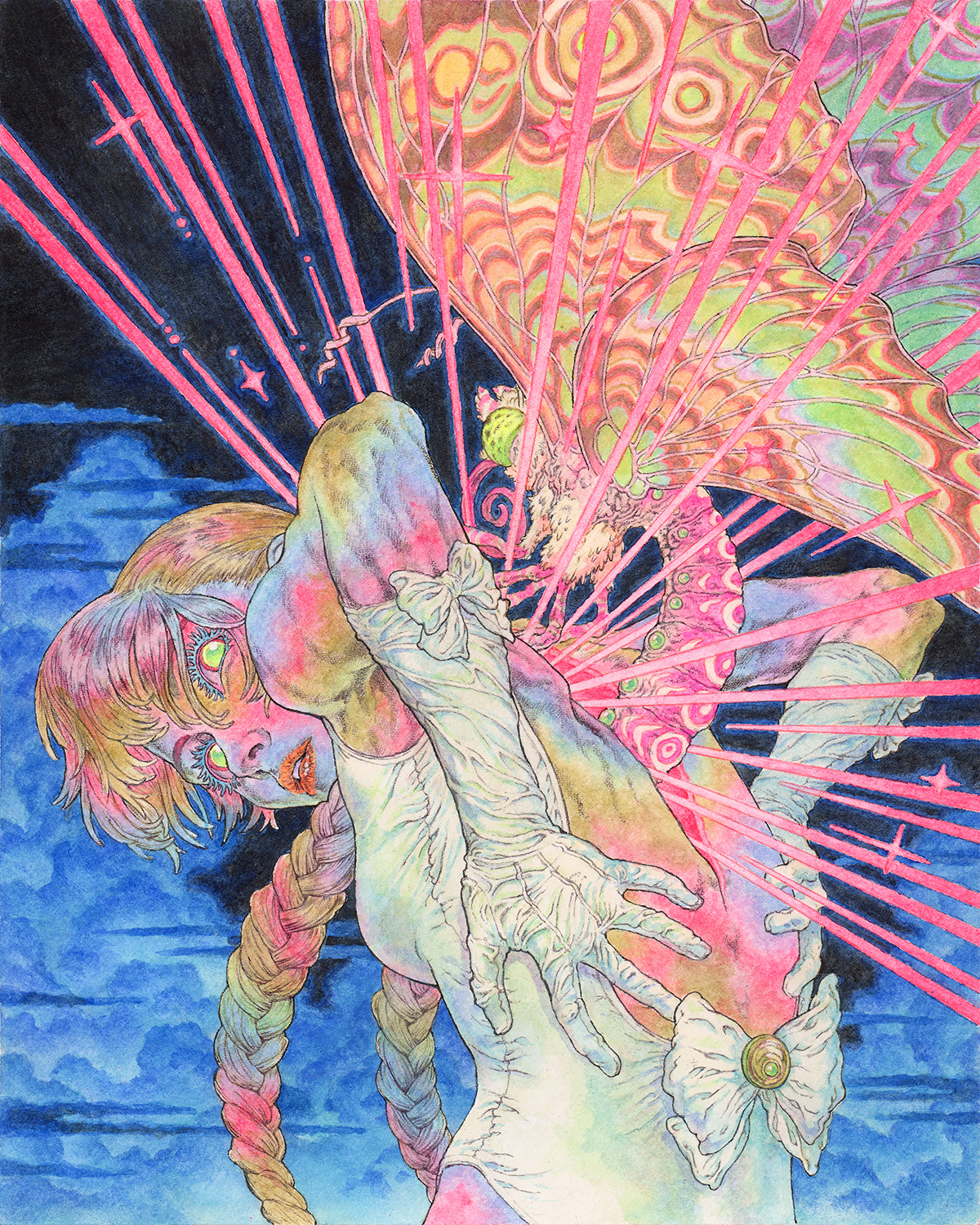
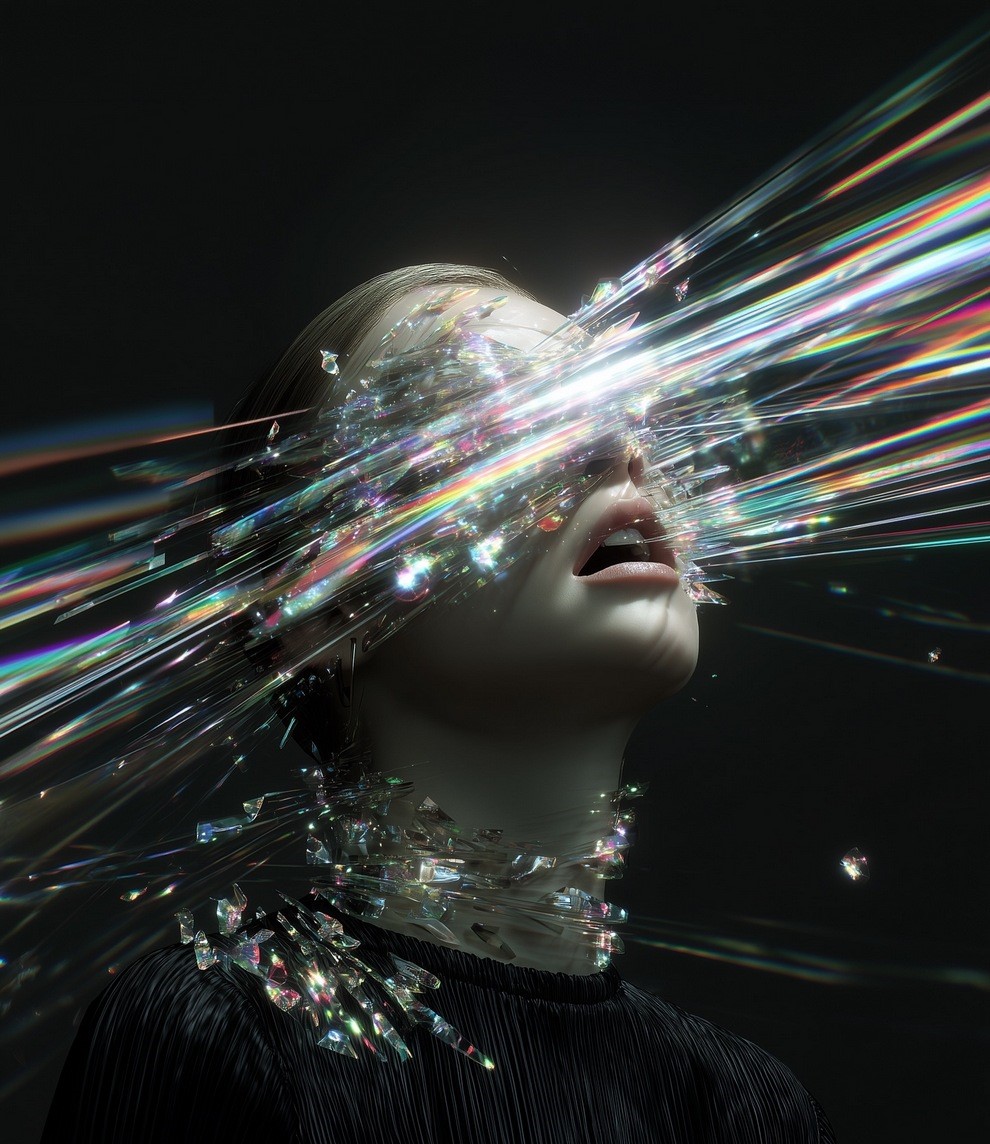
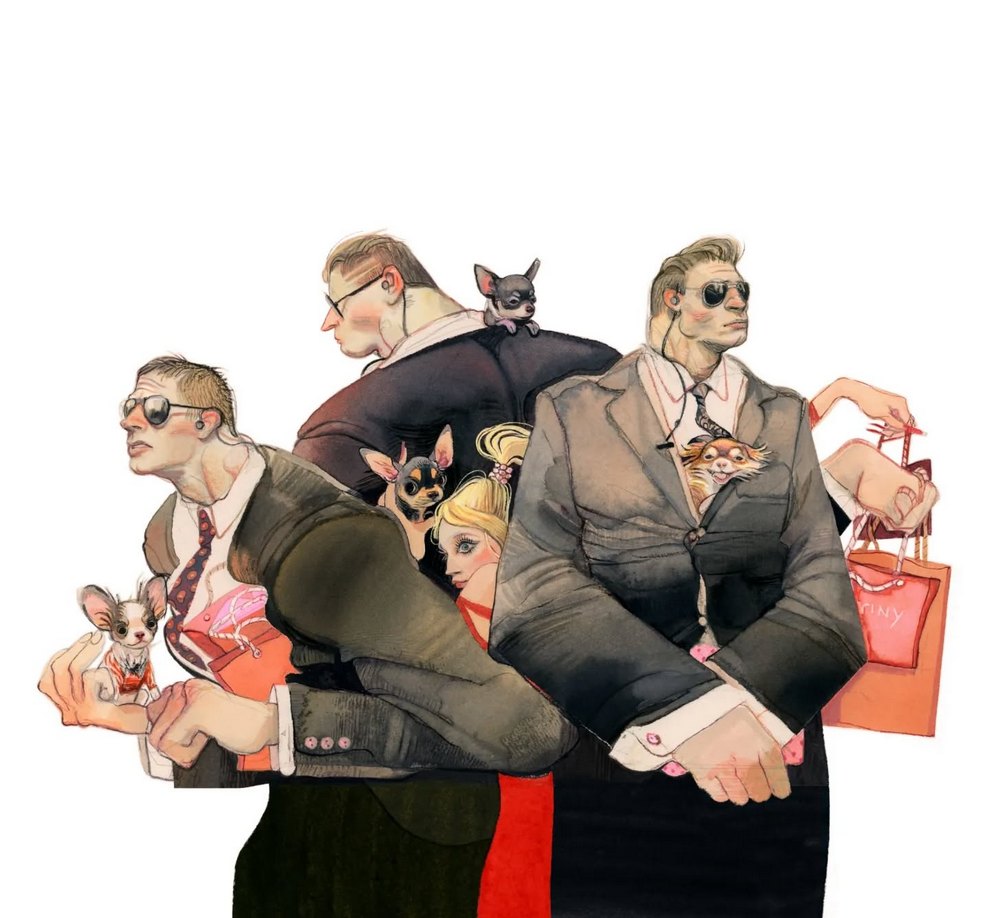
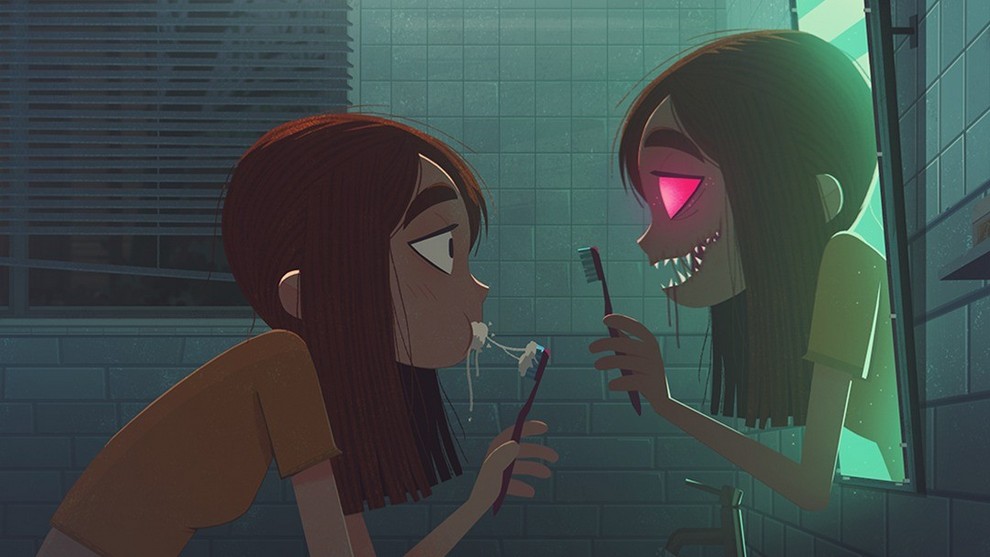
Schiaparelli's fashion show showcases surrealism through innovative designs that blend art and clothing, creating a whimsical and avant-garde experience.
#digital-art
Graphic design
fromItsnicethat
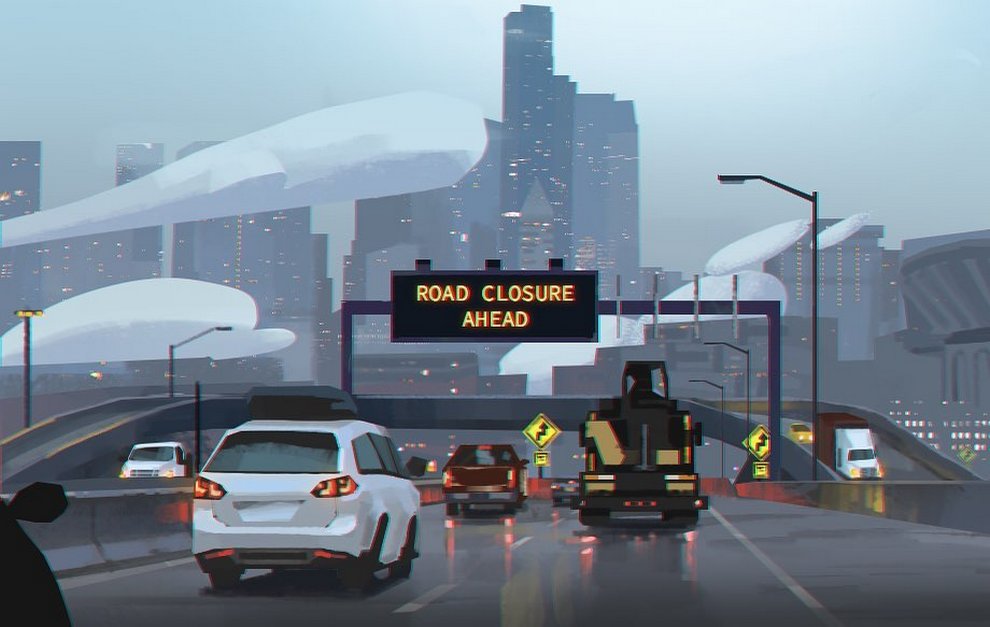
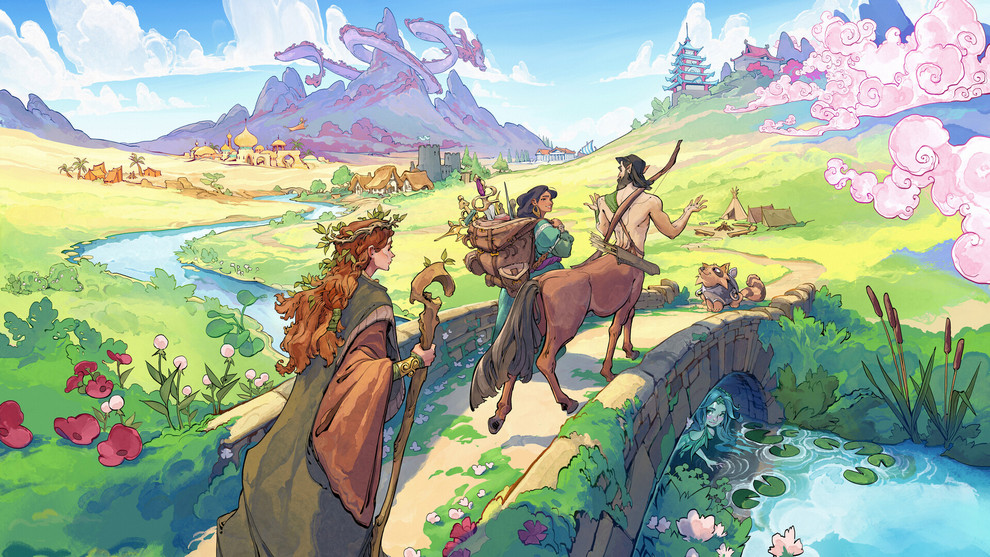
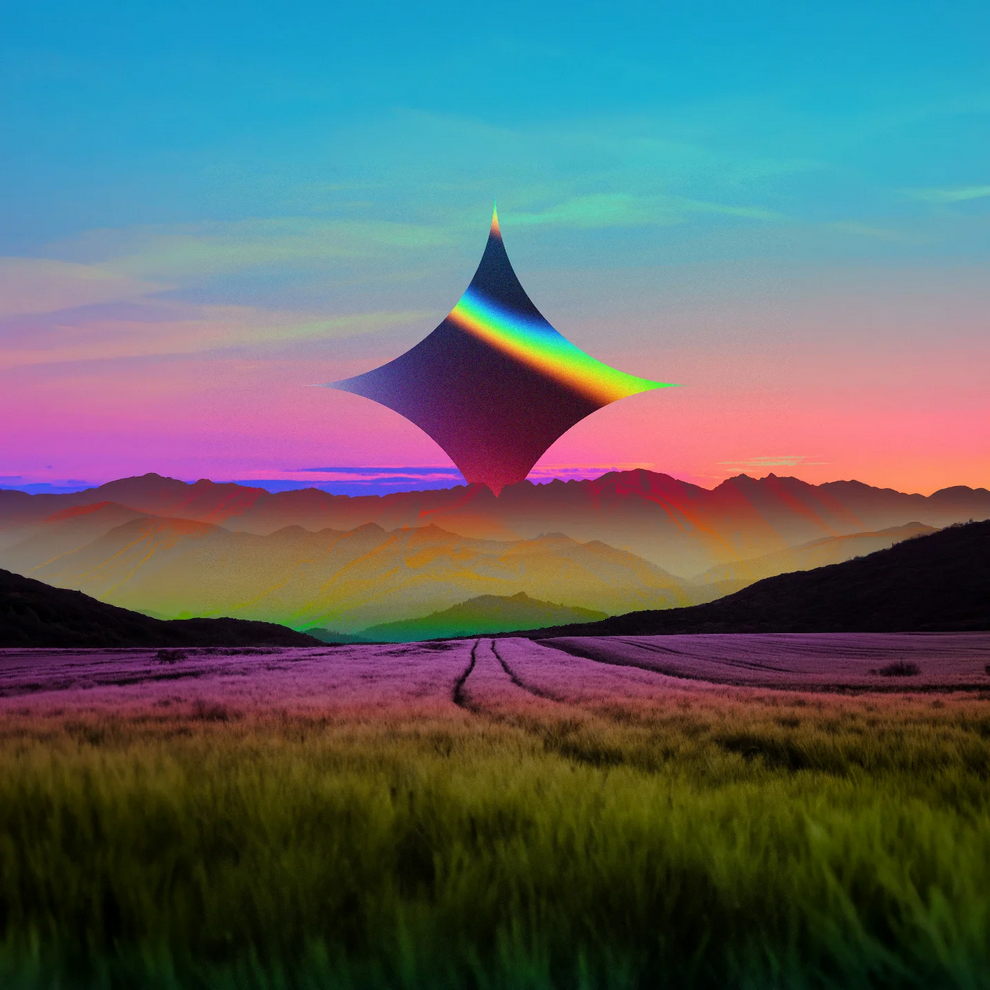
4 weeks agoWelcome to artist Yunbomu's sticker-bombed dream worlds, complete with strange symbols and eye floaters
Yunbomu creates digital art that blends organic textures with surreal dreamlike elements, exploring themes of subconscious and emotional healing through visual expression.
Graphic design
fromItsnicethat
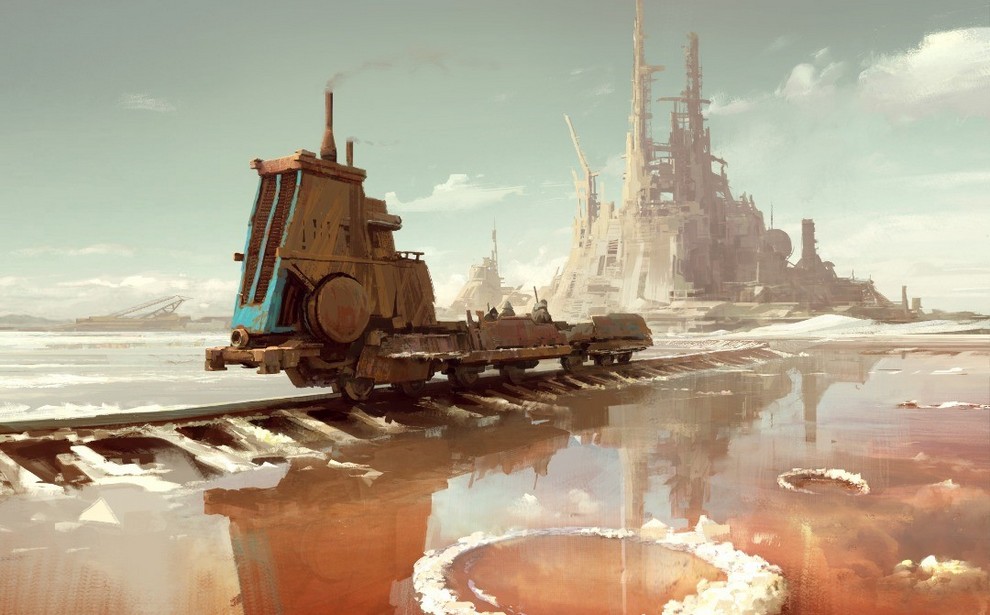
4 weeks agoWelcome to artist Yunbomu's sticker-bombed dream worlds, complete with strange symbols and eye floaters
Yunbomu creates digital art that blends organic textures with surreal dreamlike elements, exploring themes of subconscious and emotional healing through visual expression.

fromArtnet News
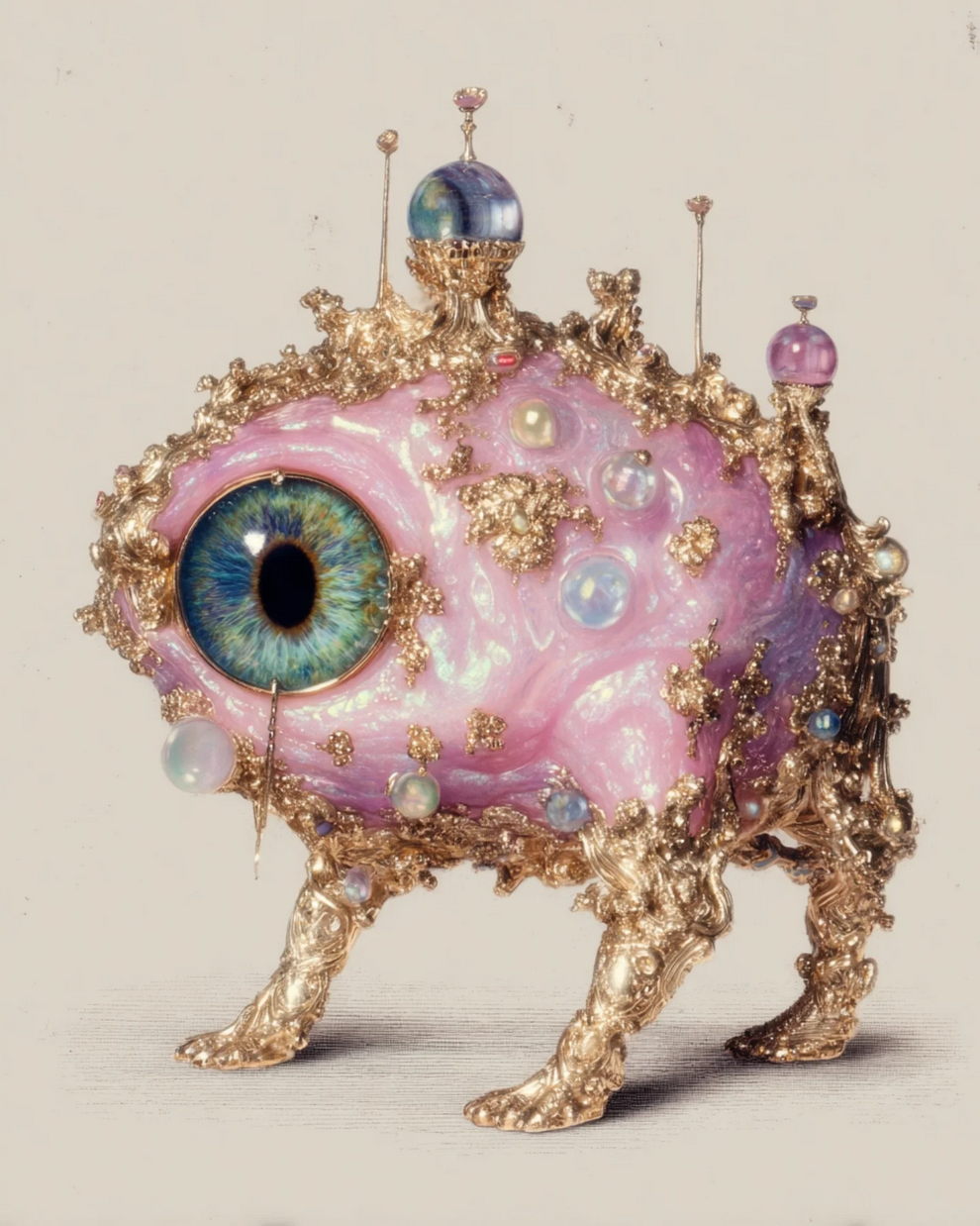
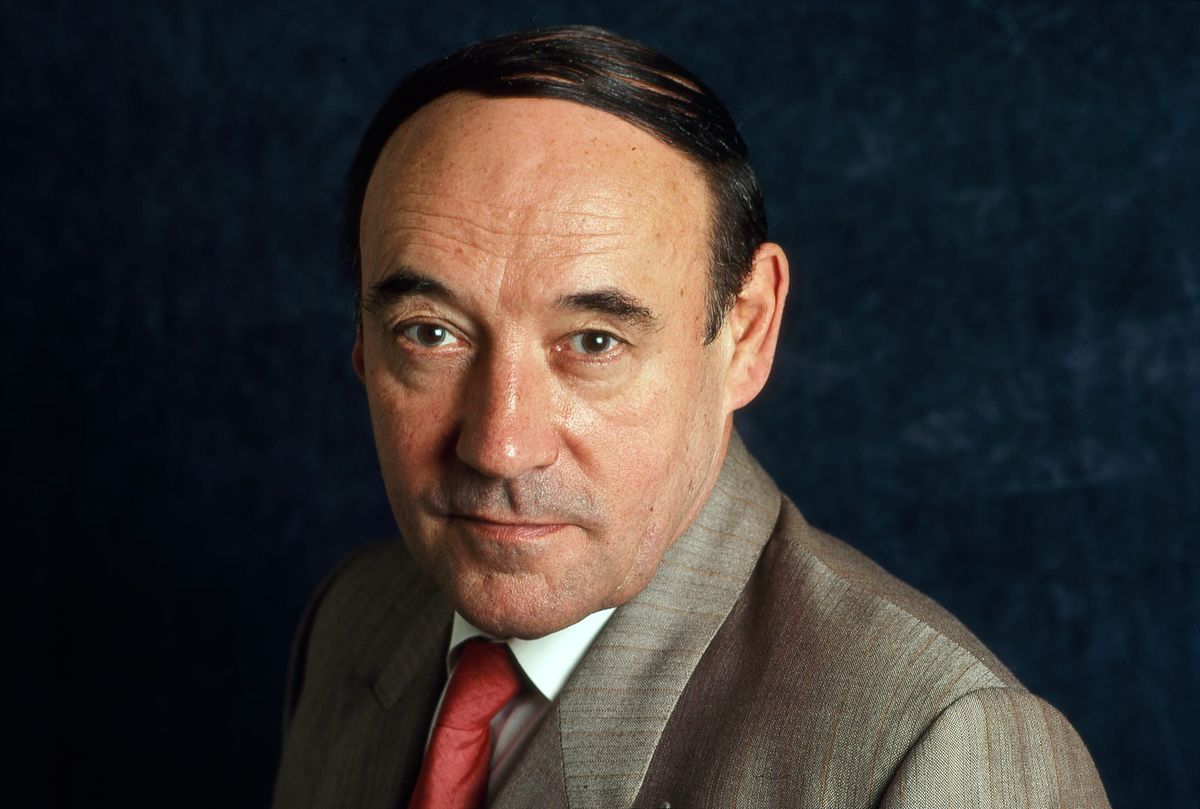
1 month agoThe Personal Collection of 'Last Surrealist' Enrico Donati Heads to Auction
"I love the paintings of Enrico Donati as I love a night in May." This sentiment from André Breton reflects the deep admiration he had for Donati's work, emphasizing the emotional connection to the art.
Arts
Arts
fromThe Art Newspaper - International art news and events
1 month agoMarcel Duchamp at MoMA, Dorothea Tanning book, Leonora Carrington at the Freud Museum, London-podcast
Three artists connected to Surrealism are highlighted, including exhibitions and publications about Marcel Duchamp, Dorothea Tanning, and Leonora Carrington.
Arts
fromThe Art Newspaper - International art news and events
2 months agoDali painting that inspired Schiaparelli dress to be shown in UK for first time
Salvador Dalí's Necrophiliac Spring (1936), previously unseen in the UK, debuts at the V&A's Schiaparelli exhibition, having inspired her iconic Tears Dress (1938).
fromHyperallergic
2 months agoThe Canonization of Frida Kahlo
With an emphasis on the reception of Kahlo's work across times and cultures in the past century, the exhibition blasts apart any crystallized conception of the artist until no easily digestible singular figure emerges. That is, indeed, the point.
Arts
Arts
fromArtnet News
2 months agoThis Small Dorothea Tanning Painting Sold for $120,000 per Square Inch-and Set a New Record | Artnet News
Dorothea Tanning's 1942 painting sold for $6.26 million at Christie's London, setting a new auction record and nearly doubling her previous high from four months earlier.
#literary-fiction
Books
fromPortland Mercury
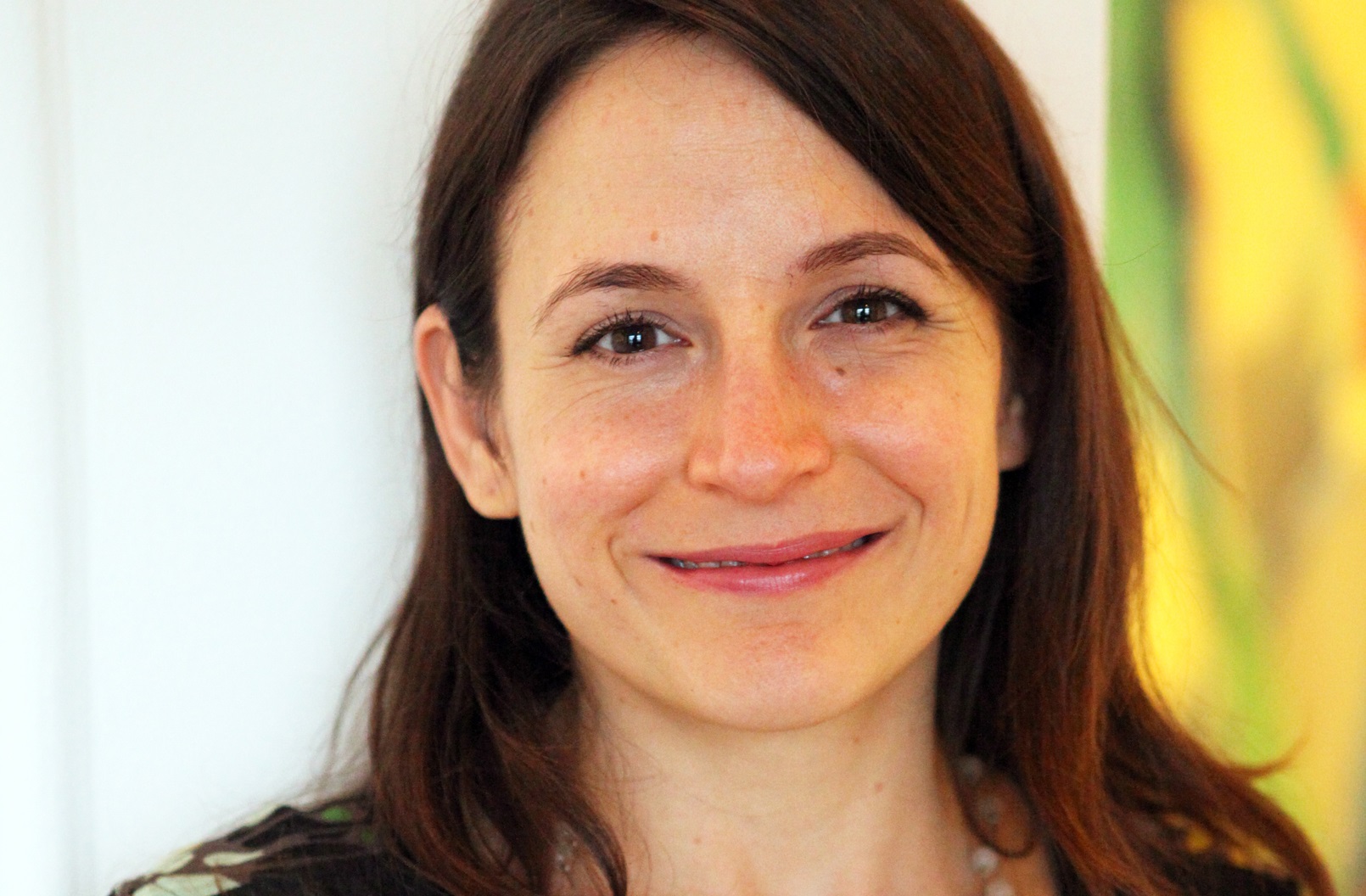
2 months agoKevin Sampsell's New Novel Looks at the World Through a Baby in the Night
A two-year-old narrator perceives his world without stereotypes or cynicism, searching for his departed father whom he believes is the Moon while encountering homeless relatives and learning compassion through innocent observation.
Books
fromPortland Mercury
2 months agoKevin Sampsell's New Novel Looks at the World Through a Baby in the Night
A two-year-old narrator perceives his world without stereotypes or cynicism, searching for his departed father whom he believes is the Moon while encountering homeless relatives and learning compassion through innocent observation.
fromItsnicethat
2 months agoDiogo Potes' paintings take poetic licence to a whole new level
When I'm painting, I try not to look at too many things so I don't become overly influenced. But we can't really escape ourselves. There are imaginations from other people that I love. Diogo's work is a colourful combo of Alejandro Jodorowsky's strange filmic palettes, Japanese sci-fi and vintage posters.
Graphic design
fromArtnet News
2 months agoSalvador Dali's Largest Work Is Going Under the Hammer in Paris
Composed of 13 panels and four canvases, and measuring 65 by 100 feet, the set was produced in 1939 for Bacchanale, a performance that Dalí called his "first paranoiac-critical ballet." It premiered at the Metropolitan Opera on November 9 of that year. The set is widely considered to be Dalí's largest painting, and its central motif contains an image of the Mount of Venus.
Arts
Miscellaneous
fromdesignyoutrust.com
2 months agoBeautiful Occult Hand Embroidery By Adipocere, Weaving Macabre Maidens And Danse Macabre On Line
Melbourne embroidery artist Adipocere creates intricate macabre illustrations on natural linen, blending innocence with unsettling melancholy through occult and surrealist themes exploring death, impermanence, and existential concepts.


fromwww.theguardian.com
3 months agoAs If by Isabel Waidner review surreal doppelganger story
As the trophy takes the form of an elusive UFO, Corey Fah an outsider unfamiliar with the baffling inner workings of the system is unable to collect or even confirm the award. Waidner has said that the novel was partly inspired by the experience of winning the Goldsmiths prize for their previous work Sterling Karat Gold, and by the ephemeral nature of success, with its unfamiliar contexts of social power and opportunity.
Books
fromArtnet News
3 months agoHow Wifredo Lam Made Surrealism More Surreal Than the Surrealists | Artnet News
An exhibition of Wifredo Lam is about as safe a bet as the Museum of Modern Art can place and still plausibly say that it's a bet on expanding the canon. The Cuban artist is one of the most famous painters of the 20th century, featured in almost every single key show about Surrealism. MoMA acquired his famous painting The Jungle in 1946, a few years after he made it.
Arts
fromColossal
3 months agoSzilveszter Mako's Surreal Photographs Reconstruct the Boundaries of Portraiture
Szilveszter Makó 's enigmatic photographs carry layers of mystery and introspection. Standing inside curious block-like backdrops and lain against two-dimensional fields of color and texture, his subjects seamlessly meld into stories in which every detail carries intention. Taking inspiration from art history, the Milan-based artist references Surrealism and grotesque art through his use of chiaroscuro effects via light exploration and contrasting earth tones.
Arts
fromOregon ArtsWatch * Arts & Culture News
3 months agoNo place like home: A road trip through a father and daughter's nightmares * Oregon ArtsWatch
To pass the time, the pair play a game they've shared since Daughter's childhood, triumphantly rattling off palindromes - words that read the same backwards and forwards, such as "m-o-m," "d-a-d," "s-i-s" and "r-a-c-e-c-a-r." As the game gets increasingly complex ("name now one man"), it becomes clear that Dana's play is a dark palindrome itself, where circling dialog and damaging relationship dramas repeat themselves.
Arts
fromdesignyoutrust.com
3 months agoStunning Mistfilled Forests And Broken Trees Painted In Oldmaster Style by Martin Voigt
The Good, the Bad, the Mischievous: Cool Illustrations by Max Grecke Artist Draws Faces He Sees In Everyday Objects Lithuanian Artists Creates A Tiny Urban Project With City Signs The Graphic Designer Reworking Fashion's Most Iconic Logos Meet Yang Qi, Main Character Designer On 'Black Myth Wukong' Awesome Dad Turns Daughter's Eyepatch Into Art With Amazing Drawings This Artist Removes Make-Up From The Dolls To Give Them A More Realistic Look
Arts
Arts
fromdesignboom | architecture & design magazine
3 months agohotel roma: nicole cherubini exhibits surrealist ceramic sculptures at friedman benda
Nicole Cherubini's Hotel Roma features hand-built ceramic sculptures combining collage-like motifs, layered glazes, and Surrealist/feminist themes referencing Leonora Carrington and wartime resilience.
fromItsnicethat
3 months agoWeronika Marianna's flowing animations depict the natural world in constant motion
After quite impulsively tackling a frame-by-frame sequence of an animated figure merging into a mountainscape using paint on paper a few years ago, the artist started her journey into analogue animation and it's "a rabbit hole I never want to leave", she says. "This sense of continuous, boundaryless flow underpins both my life and my work. In animation, I have found the most compelling way to interpret the world being in constant motion."
Film
fromColossal
3 months agoBruno Pontiroli Tests the Boundaries of Familiarity in His Uncanny Wildlife Paintings
The artist is known for his absurdist paintings of animals with overly long legs, contorted bodies, or myriad mutant-like heads or limbs. They're often set amid woodlands or meadows evocative of 18th- and 19th-century academic landscape paintings or depictions of formal hunts. Instead, both domesticated and wild animals graze as normally as they would without dozens of heads or udders attached in unnatural places around their bodies.
Arts
fromItsnicethat
3 months agoJana Frost's set designs are "inspiration for fever dreams" made with an A3 printer
London-based, multidisciplinary artist Jana Frost is making "inspiration for fever dreams". Merging fashion photography with collage-art sensibilities, Jana employs cut-out animations, large-scale installations and a directorial style that prioritises several elements coming together to build physical, dreamlike environments. In a nutshell, Jana takes the aesthetic of pop-up books and makes them life-sized, turning dream imagery into physical reality. Sourcing public domain images from libraries and archives, Jana reworks materials then unifies them - and in the process, creates photographic works that play with time.
Arts
fromwww.amny.com
3 months agoDreams full of voltage: Karina Lumiere's abstract works electrify the art scene amNewYork
Karina Lumiere paints like someone who trusts color more than language. Her work does not whisper its intentions. It glows, pulses, seduces. This is abstraction born not from theory, but from devotiondevotion to intuition, to sensation, to the unapologetic power of hue as an emotional instrument. Her path to abstract expressionism was never academic. It unfolded in solitude, shaped by meditation and spiritual practice, where listening became more important than learning and presence eclipsed instruction.
Arts
Arts
fromdesignyoutrust.com
4 months agoRobert Reimann Turns Synthography Into Surreal Fine Art Where Prompts Meet Hand And Lens
A wide-ranging showcase of contemporary visual art and photography spanning surrealism, digital and AI art, conceptual sculptures, documentary photography, and inventive fashion and design.
Arts
fromHi-Fructose Magazine - The New Contemporary Art Magazine
4 months agoPainting From The Inside Out With Christian Van Minnen - Hi-Fructose Magazine
Paintings juxtapose bruised, tumorous flesh with forbidden fruits and gummy forms to create disorienting, alluring yet repulsive surrealist imagery.
[ Load more ]