#imagination
#imagination
[ follow ]
#creativity #storytelling #childhood #photography #surrealism #child-development #memory #mental-simulation #art

fromdesignboom | architecture & design magazine
2 weeks agohow wutopia lab's 'magical realism' turns everyday spaces into ethereal interior atmospheres
Wutopia Lab treats architecture as a medium for constructing parallel realities inside the everyday, spaces where imagination is embedded into ordinary urban life.
UX design

fromenglish.elpais.com
1 month agoBarbie's wedding to ChatGPT and why imagination is in danger
Imagination, the ability that allows us to mentally represent things that are not directly perceived by our senses, is on the decline. It's one of the effects that new technologies have had on our minds, and public discourse appears to have all but forgotten it as a key cognitive resource.
Psychology
fromwww.theguardian.com
1 month agoDaunting, inspiring, comforting, terrifying: the writers who can make silence as eloquent as words
A vision lay before him: Fleet Street blanketed with snow, silent, empty, pure white, and, at the end of it, the huge and majestic form of Saint Paul's Cathedral. It was a spellbinding moment: the great thoroughfare temporarily devoid of carts and carriages, the cathedral looming blurrily out of the still-falling snowflakes a real-life snow globe.
London
fromThe Independent
2 months agoGood Luck, Have Fun, Don't Die is the work of a very angry filmmaker - review
The value of imagination - the real, human stuff AI could never hope to touch - has been put to the test with Gore Verbinski's Good Luck, Have Fun, Don't Die. It's ideologically flawed, structurally jumbled, and a little too enamoured of its dystopian predecessors (shades of Terminator and Edge of Tomorrow here). But it's also sort of wonderfully personal, cranky and spiked - like an affronted hedgehog trying repeatedly to ram your shin.
Film
fromSilicon Canals
3 months ago8 signs you're more imaginative than 95% of people, according to psychology - Silicon Canals
I've been thinking about this a lot lately, especially after reading Rudá Iandê's new book " Laughing in the Face of Chaos: A Politically Incorrect Shamanic Guide for Modern Life ". His insights about how "our emotions are not barriers, but profound gateways to the soul-portals to the vast, uncharted landscapes of our inner being" got me reflecting on imagination and how it shapes our inner worlds.
Psychology
fromPsychology Today
3 months agoHow Curiosity and Imagination Sustain Long-Term Love
We recently participated in a weekend symposium focused on the intersections of imagination, neuroscience, art, and psychedelics at the UC San Diego Imaginarium. Viewing our couples' therapy work from this perspective was exciting and inspiring, and it reaffirmed something we have always known: The couples that stay vibrant, resilient, and deeply connected are the ones that remain curious about each other and creative and imaginative about their relationship. They don't just love one another. They are present and mindful, and they imagine and play together.
Relationships


fromwww.theguardian.com
6 months agoScaring my kids is really fun but it's also how I teach them to navigate a dangerous world | Christian White
She could have told me the truth, that the paint was graffiti. Instead, she told me the rocks were a species of monster called bloodsuckers, and that at night they came alive to eat children who were foolish enough to stray outside after dark. I believed her with all my heart. Why wouldn't I? She was my nan!
Writing



fromBig Think
8 months agoThe thought experiments that test your life, not your logic
In that sense, it's not so different from a lab experiment, where researchers set the stage and observe what unfolds. The aim of these often fantastical scenarios is just as serious: to test, stretch, or even shatter our intuitions about how the world works.
philosophy
fromDefector
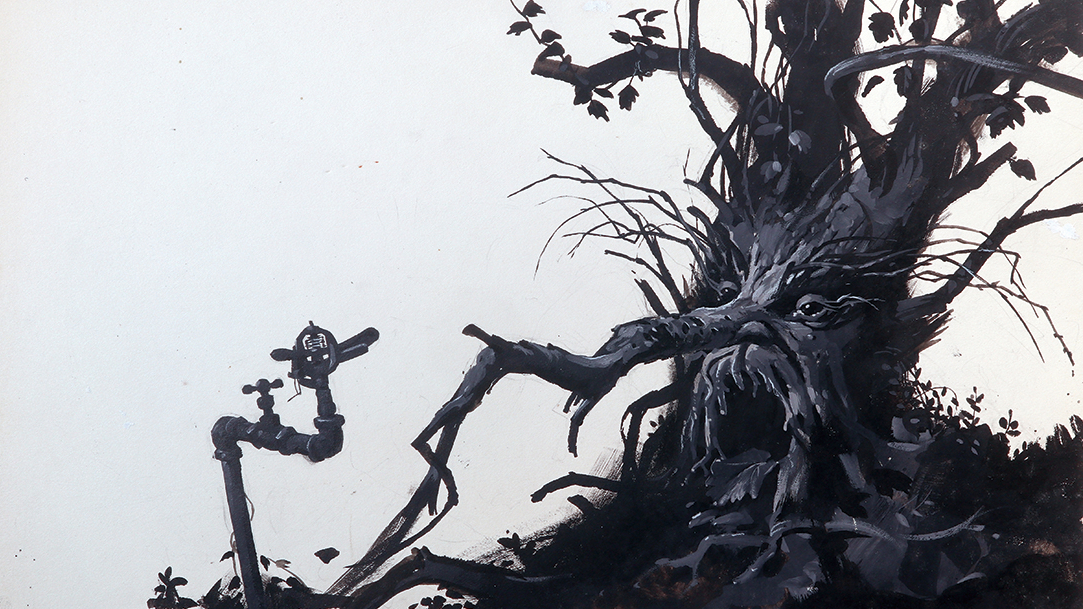
9 months agoCalvin And Hobbes's Gruesome Snowmen Were A World All Their Own | Defector
Bill Watterson captured the private derangement of the average 6-year-old boy, creating an imaginative world filled with monsters, adventures, and absurdities that resonate deeply with readers.
California

fromPodcaster News
10 months ago8 Kids Podcast Launch Listening Challenge To Turn Up The Volume On Summer Fun - Podcaster News
"Summer shouldn't mean pressing pause on imagination and growth. With the Summer Listening Challenge, we're inviting kids to lean into their curiosity, and keep their minds sharp all season long - no screens required." - Jody Murphy, Summer Listening Coordinator and Co-creator of Dorktales Storytime.
Roam Research
fromFlowingData
11 months agoInternet Roadtrip, where the community votes where to go at each step
Agarwal's Internet Roadtrip engages users with a unique participatory navigation experience.
Users influence the journey through voting on directions and radio stations.
The roadtrip combines fun, imagination, and innovative tech.
[ Load more ]