World news
fromwww.dw.com
1 week agoIs the US deepening its military involvement in Nigeria?
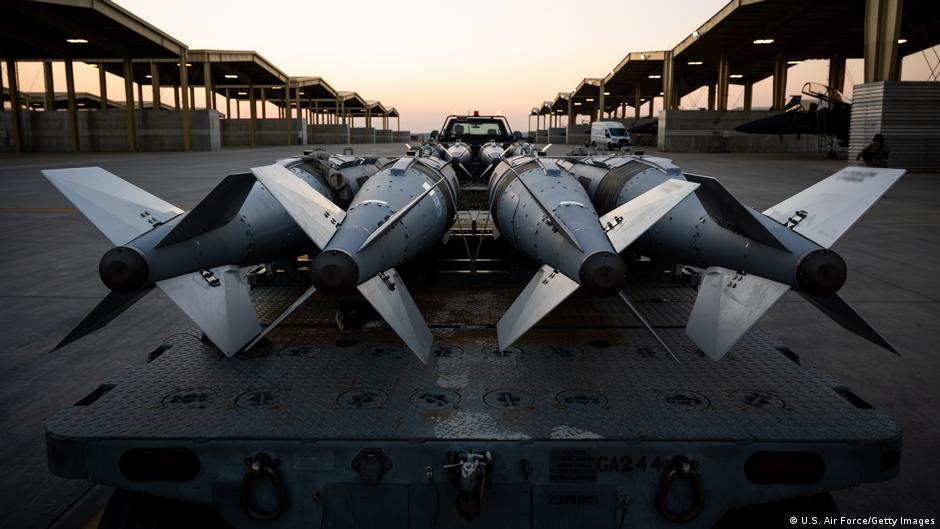
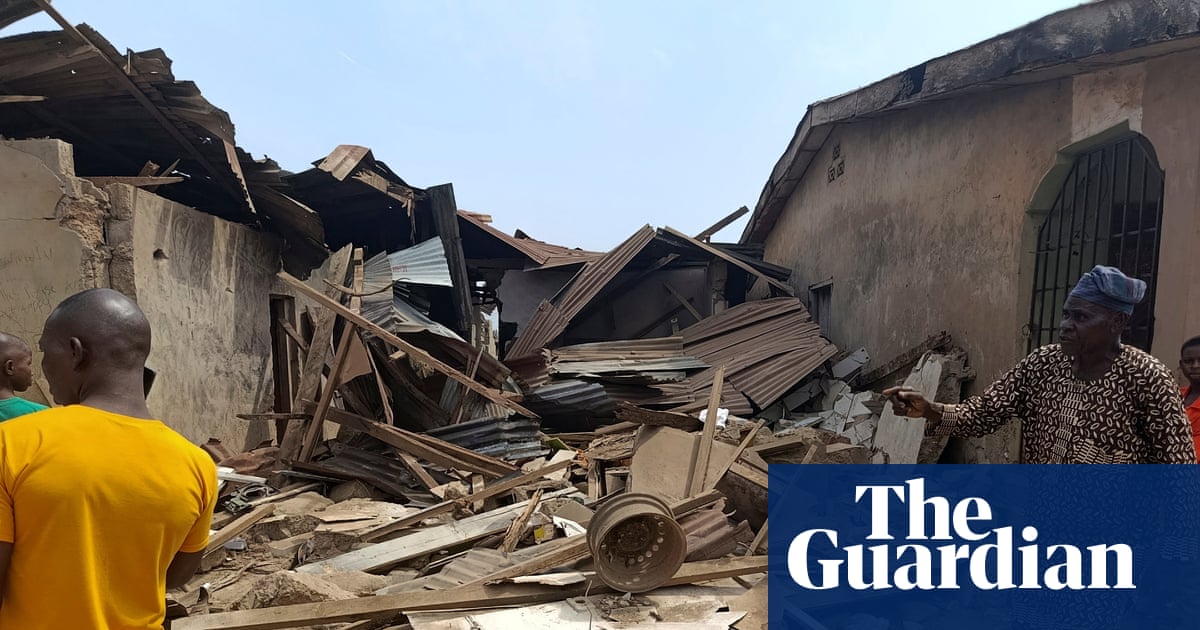
US and Nigeria conducted joint airstrikes in Nigeria’s northeast, killing at least 175 IS fighters, including the group’s global second-in-command.
Al-Maliki, a Shiite Muslim who had been prime minister since 2006, was largely seen as responsible for sectarian tensions in Iraq of the kind that resulted in Sunni Muslims welcoming IS. He's also often blamed for the fact that, as the IS group arrived, the Iraqi military didn't fight back. Years of corruption and mismanagement meant the army was understaffed and underequipped. Soldiers just dropped their guns and fled.
More than 1 million people have been displaced, many of them two, three or even four times. Neither the Mozambican army nor a Rwandan intervention have managed to quell the insurgency, which has ravaged northern Mozambique since October 2017, when militants from Islamic State-Mozambique, an affiliate of the main IS group in the Middle East, carried out their first attacks, in Mocimboa da Praia in Cabo Delgado province in the north-east.
A decade on from deadly attacks in Paris, the world's two most notorious jihadist groups Islamic State (IS) and Al-Qaeda have significantly evolved and their branches still pose a global security threat, especially from Africa, analysts say. With strong central leadership, the groups were once able to train and then send commandos into Europe to carry out attacks such as the November 13, 2015 strikes in Paris that left 130 people dead.