#japan-philippines-military-cooperation
#japan-philippines-military-cooperation
[ follow ]
#iran #strait-of-hormuz #pakistan #china #us-military #us-iran-relations #diplomacy #international-law





fromLondon Business News | Londonlovesbusiness.com
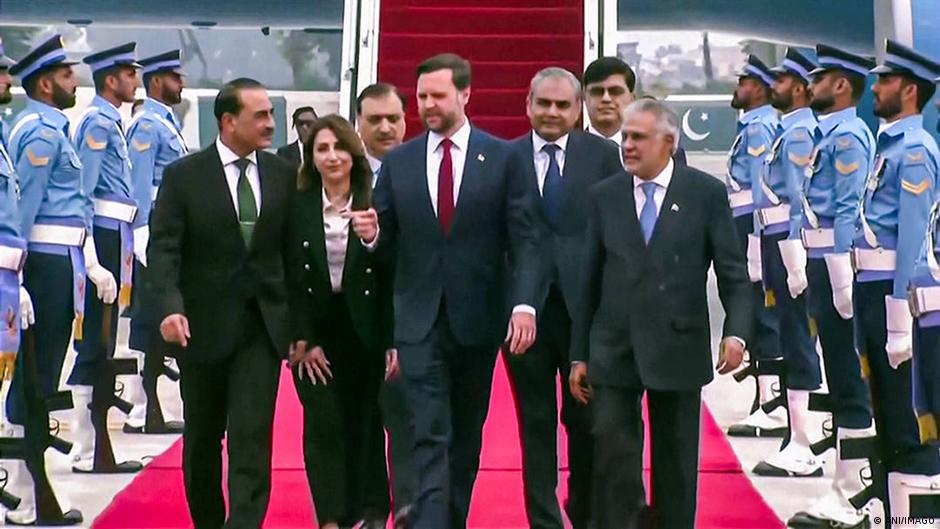
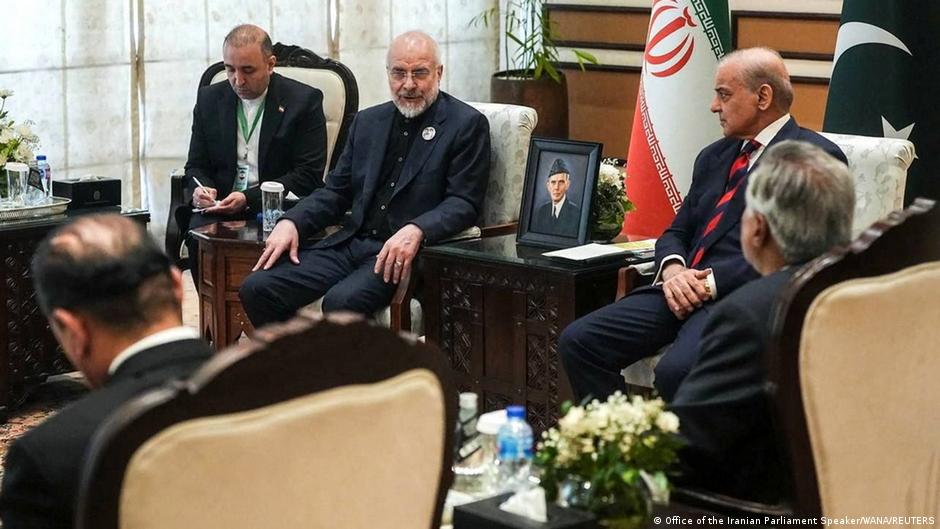
1 day agoTrump claims Iranian navy is 'obliterated' grip near Hormuz is tightened - London Business News | Londonlovesbusiness.com
President Trump stated that Iran's naval forces were 'lying at the bottom of the sea' and warned that any ships approaching the blockade would be 'immediately ELIMINATED.' He compared the blockade enforcement to US counter-narcotics operations at sea.
World news

fromThe Atlantic
5 days agoChina Watches Trump Blink
The Iranian choke hold on the Strait of Hormuz evidently had a lot to do with it. By cutting off roughly one-fifth of the world's oil supply over the past five weeks, Iran's blockade of that narrow waterway caused an energy crisis and fears of a global recession that the White House could not abide for long.
World politics
fromThe Atlantic
6 days agoA New Geopolitical Reality Is Here
The E-3 Sentry, with its distinctive rotating radar dome, is a flying command center that allows American forces to see and coordinate the battlefield. In recent weeks, Iran destroyed one on a runway in Saudi Arabia and reportedly damaged another.
World politics
fromwww.aljazeera.com
2 months agoPentagon downplays China threat: What it means for US allies
The major shift in the NDS lies in the shifting approach of the US Defense Department, which considers security of the homeland and Western Hemisphere its primary concern. The document noted that the US military would be guided by four central priorities: defend the homeland, push allies around the world away from reliance on the US military, strengthen defence industrial bases and deter China as opposed to a policy of containment.
US politics
fromwww.theguardian.com
2 months agoNot delivering any Aukus nuclear submarines to Australia explored as option in US congressional report
A new United States congressional report openly contemplates not selling any nuclear submarines to Australia as promised under the Aukus agreement because America wants to retain control of the submarines for a potential conflict with China over Taiwan. The report by the US Congressional Research Service, Congress's policy research arm, posits an alternative military division of labour under which the submarines earmarked for sale to Australia are instead retained under US command to be sailed out of Australian bases.
US politics
fromwww.aljazeera.com
3 weeks agoUS East Asian allies in legal quandary as Trump seeks help in the Middle East
Trump is expected to raise the issue of warships when he meets with Japanese Prime Minister Sanae Takaichi at the White House on Thursday, according to Al Jazeera correspondent Jack Barton. People do expect him to put pressure on Takaichi again to send warships to the Strait of Hormuz. It makes sense in a way because Japan is so dependent on energy supplies from the Middle East.
World politics

fromwww.dw.com
2 months agoChina helps save Filipino sailors near South China Sea shoal
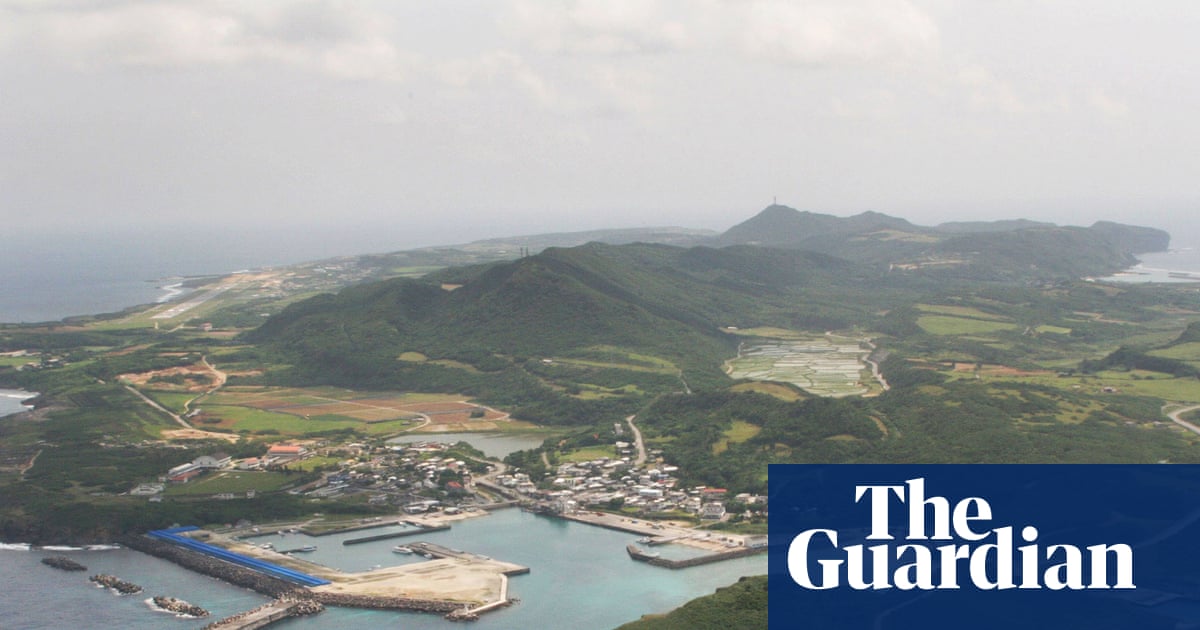
The Chinese Coast Guard launched a rescue effort to save Filipino sailors near the disputed Scarborough Shoal after their cargo ship capsized with 21 people on board. China and the Philippines were searching for survivors in the South China Sea on Friday after a vessel carrying 21 Filipinos on board capsized near the disputed Scarborough Shoal. "Two nearby Chinese Coast Guard vessels immediately went to help with rescue upon receiving orders," Chinese military said in an online post.
World news
fromSecurityWeek
2 months agoJapan, Britain to Boost Cybersecurity and Critical Minerals Cooperation as China's Influence Grows
Japan and Britain agreed Saturday to accelerate cooperation on cybersecurity and the supply of critical minerals, as China's influence grows in the region. British Prime Minister Keir Starmer said his visit to Japan comes at a time "when geopolitical, economic and technological shocks are literally shaking the world." Starmer's overnight Tokyo visit comes on the heels of his trip to Beijing, where he and Chinese President Xi Jinping agreed to seek a long-term, stable "strategic partnership."
World news
World news
fromLondon Business News | Londonlovesbusiness.com
1 month agoRussia and Iran launch joint naval drills as the region is on a war footing - London Business News | Londonlovesbusiness.com
Russia and Iran began joint naval exercises in the Gulf of Oman and northern Indian Ocean, signaling increased military coordination amid U.S.-Iran tensions.
fromwww.dw.com
1 month agoWhy is Indonesia sending thousands of troops into Gaza?
Just a few days before the president of Indonesia was supposed to go to Washington for the first meeting of the so-called "Board of Peace," a council created and chaired by US President Donald Trump, the spokesperson for the Indonesian military made a controversial announcement. Army spokesperson Donny Pramono said Indonesia was ready to deploy as many as 1,000 soldiers to Gaza by April, and could increase that to 8,000 by the end of June this year.
World news
fromwww.aljazeera.com
2 months agoASEAN does not recognise Myanmar's elections as of now': Philippine FM
Philippine Foreign Secretary Theresa Lazaro said on Thursday that ASEAN has not endorsed the three phases of the elections that were held in Myanmar, which concluded last weekend. Lazaro was speaking after hosting ASEAN's first major ministerial meetings this year in the central Philippines city of Cebu, where the Myanmar crisis was high on the agenda. Asked in a news conference if the bloc did not recognise the elections, Lazaro said yes, as of now.
World politics
[ Load more ]