#jazz-history
#jazz-history
[ follow ]
#jazz #music #live-music #cultural-heritage #improvisation #new-orleans #record-store-day #music-venues



London music
fromwww.theguardian.com
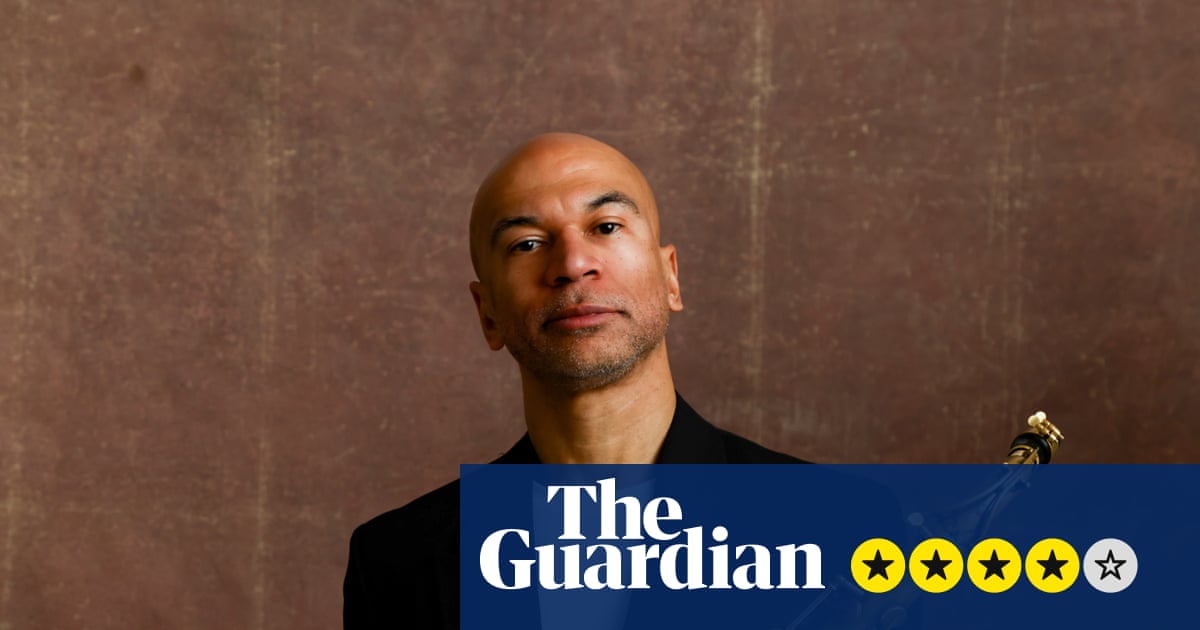
5 days agoAdd to playlist: the disaster-baiting jazz-rock brinkmanship of Taupe and the week's best new tracks
Taupe's third album, Waxing | Waning, showcases their unique blend of noise, humor, and improvisation, solidifying their reputation as a formidable live band.
fromOpen Culture
1 week agoA Newly Discovered Recording Lets You Hear Delta Blues Legend Robert Johnson in Stunning Clarity
Dylan describes his first encounter with Johnson's music, stating, "From the first note the vibrations from the loudspeaker made my hair stand up. The stabbing sounds from the guitar could almost break a window. When Johnson started singing, he seemed like a guy who could have sprung from the head of Zeus in full armor."
Music
NYC music
fromBrooklynVegan
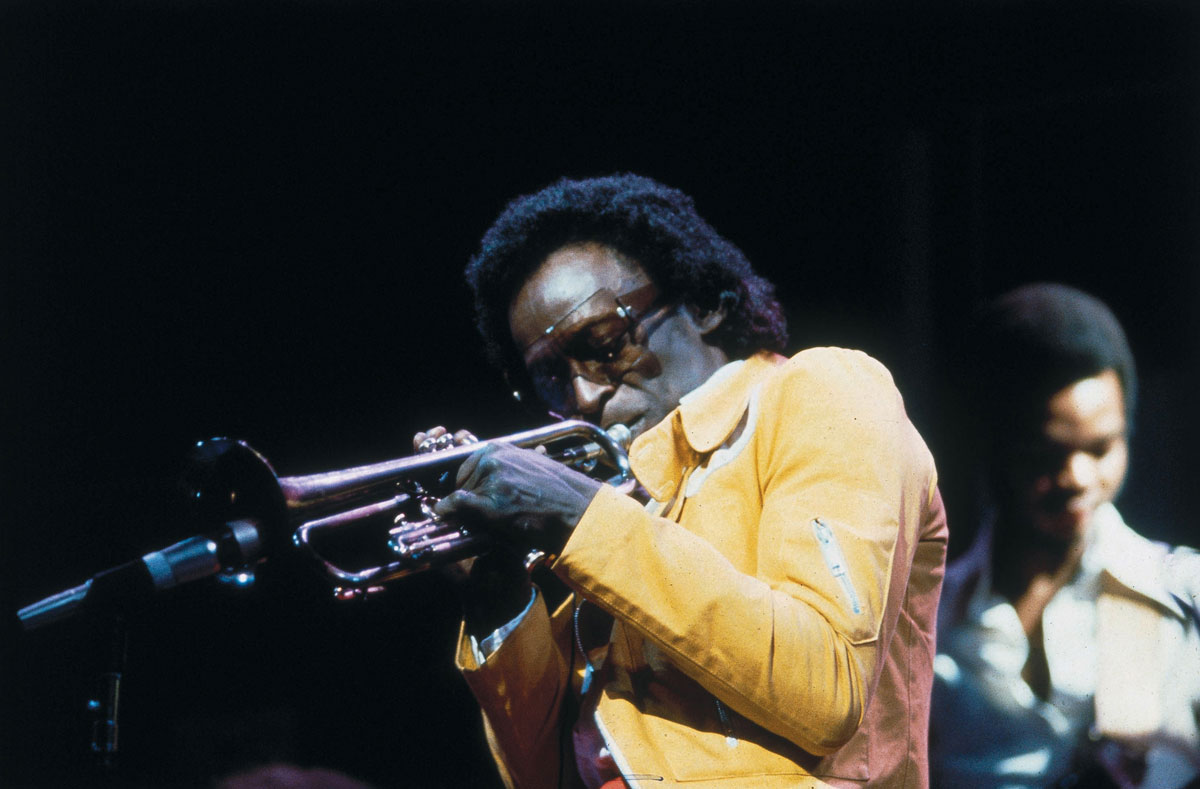
1 week agoNewport Jazz Fest has Angine de Poitrine, Herbie Hancock, Thundercat, Little Simz, Flea, Coltrane & Miles tribute, Vulfpeck, more
Newport Jazz Festival 2026 features headliners Herbie Hancock, a tribute to Coltrane & Miles Davis, and Vulfpeck, with diverse artists performing.
Parenting
fromOpen Culture
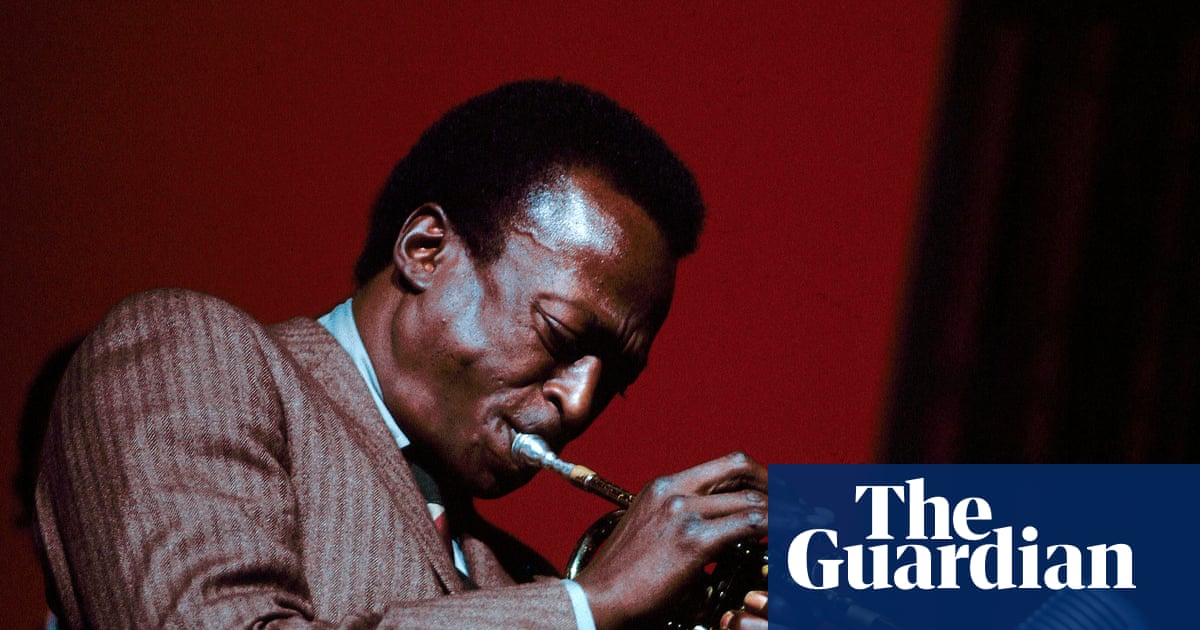
2 months agoHerbie Hancock Explains the Big Lesson He Learned From Miles Davis: Every Mistake in Music, as in Life, Is an Opportunity
Mistakes should be framed as valuable, creative learning opportunities rather than binary failures, especially when guiding perfectionist children.
fromHigh Country News
2 months agoHow community organizers are amplifying Oregon's Black music history - High Country News
When Norman Sylvester was 12, long before he garnered the nickname "The Boogie Cat" or shared a stage with B.B. King, he boarded a train in Louisiana and headed west, toward the distant city of Portland, Oregon. He'd lived all his life in the rural South, eating wild muscadine grapes from his family's farm, fishing in the bayou and churning butter at the kitchen table to the tune of his grandmother's gospel singing.
Social justice

fromAdvocate.com
2 months agoThe lush life of Billy Strayhorn, the gay Black man who was Duke Ellington's 'right arm'
Even if you're just a casual jazz fan, you probably recognize "Take the A Train," Duke Ellington's swinging theme song. Or you've heard the melancholy ballad "Lush Life" sung by Nat King Cole, by Linda Ronstadt during her Great American Songbook era, or by Lady Gaga on the album she recorded with Tony Bennett. Both of those - and many other tunes - were written by a gay man, musician, composer, and arranger Billy Strayhorn.
Music
Berlin music
fromwww.amny.com
1 month agoMeet the BLCK Madonna: Jazz singer Ana Hoffman redefining reverence and Black womanhood | amNewYork
Ana Hoffman adopted the moniker The BLCK Madonna to reclaim the Italian term's original meaning of reverence toward dignified women, while discovering over 300 historical Black Madonnas in European churches.
fromwww.theguardian.com
1 month agoAct Black: posters of Black Americans on stage and screen in pictures
Many of these posters are the only surviving proof of certain shows, with no recordings of plays, and certain films, having been lost over time. They offer a history of Black Americans trying to counter harmful stereotypes and provide vital and humanizing contributions to a growing Black culture.
Arts
fromUntapped New York
1 month agoJazz & Gin Soiree at The Urbane Arts Club - Discount
Celebrated by the BBC as one of the city's top 8 literary destinations, The Urbane Arts Club is more than just a venue-it's a vibrant hub for culture and creativity. Through an eclectic mix of literary launches, musical showcases, and theatrical performances, it fosters an environment rich in conversation and artistic expression.
NYC music
fromHyperallergic
1 month agoLisette Model's Silenced Jazz Pictures
Fearing for her safety, Lisette Model buried her photos of artists like Billie Holiday and Louis Armstrong, but a new book reveals them to the world. Lisette Model was targeted by the FBI during the Red Scare, like so many other leftist Jewish refugees. The book is one front, not least because of the systematic exclusion of women from art historical narratives and institutions.
Arts
fromSPIN
2 months agoRagger Take Ragtime to the Warp Zone - SPIN
"Many found the music offensive, the dancing objectionable, and the popularity of both with young people verging on a mental health crisis." So writes music historian Susan C. Cook about ragtime, the heavily syncopated ancestor of jazz that arose in the late 1800s. Like all things, ragtime's subversiveness faded over time, and, a century later, the works of Scott Joplin and other practitioners had been relegated to carnivals and fairs, their jaunty piano melodies now evoking quaint notions of old-timey fun.
Music
fromPitchfork
2 months agoKelan Phil Cohran & Legacy: African Skies
At the turn of the 1960s, when free jazz was making its initial seismic impact, multi-instrumentalist Phil Cohran-he later added the name Kelan-was living in Chicago and playing trumpet for Sun Ra's Arkestra. He contributed to crucial recordings by the band during his tenure, including We Travel the Space Ways, but Cohran was a restless autodidact who never stuck with any one project for long.
Music
fromThe Local France
2 months agoFrench 'Free Jazz' pioneer Michel Portal dies aged 90
Michel Portal, a French pioneer of European modern jazz and a prolific writer of film music, has died aged 90, his agent said on Sunday. A multi-instrumentalist at home with the clarinet, saxophone, Argentine bandoneon and Hungarian taragot, Portal died on Thursday, said Marion Piras, one of his representatives. His 1965 album, Free Jazz, was considered a landmark in Europe's efforts to end American domination of the genre.
Music
[ Load more ]