#kami-rita
#kami-rita
[ follow ]
#japan #travel #japan-travel #cherry-blossoms #tourism #japanese-architecture #climate-change #craftsmanship
Renovation
fromYanko Design - Modern Industrial Design News
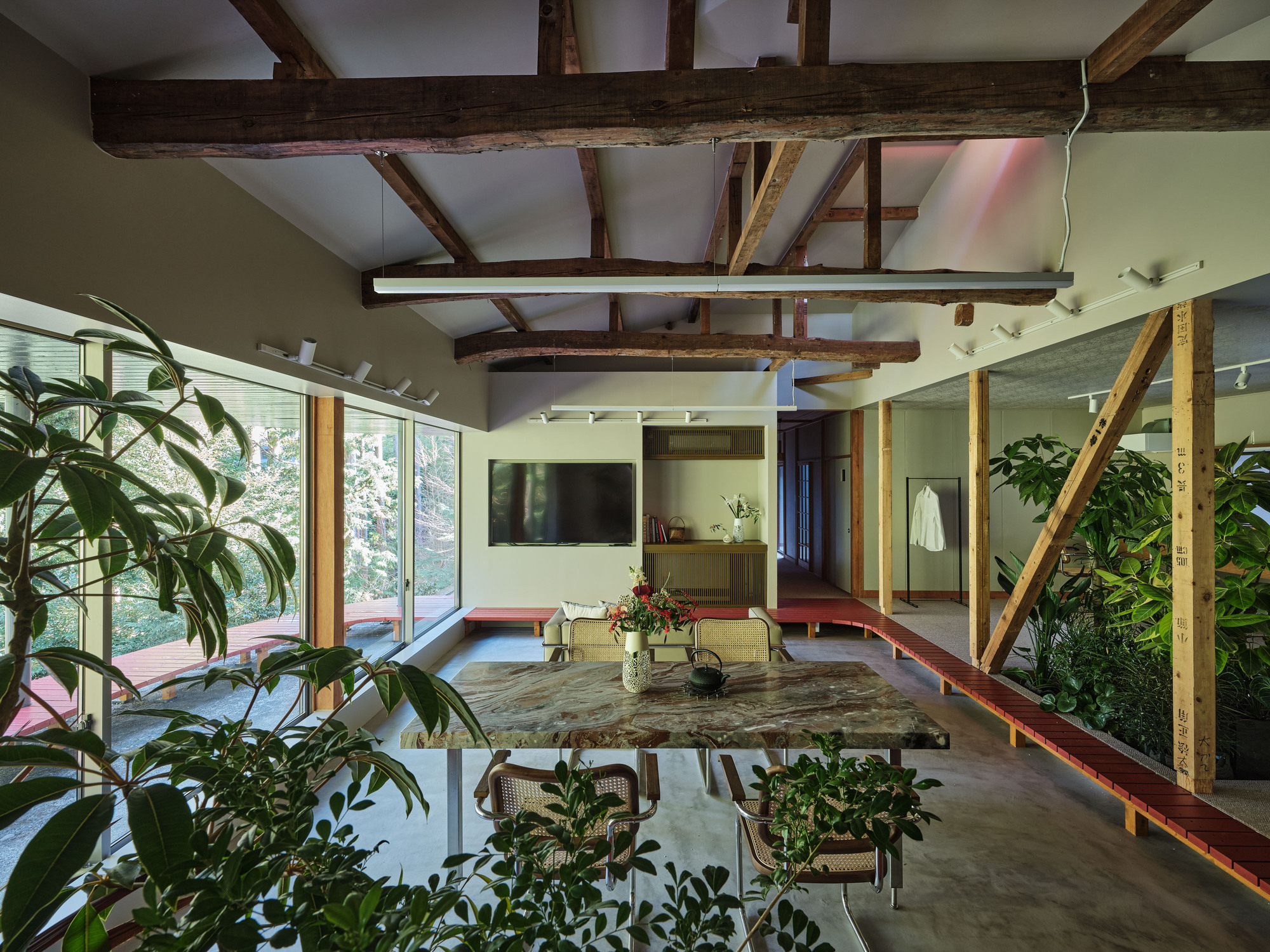
1 week agoGenji Kyoto Is a Hotel You Read Like a 1,000-Year-Old Book - Yanko Design
Genji Kyoto is a boutique hotel designed by Geoffrey P. Moussas, emphasizing the integration of architecture and nature inspired by historical Japanese aesthetics.


Wellness
fromwww.7x7.com
1 month agoThis Sonoma spa is one of the few places on the entire continent to try this Japanese treatment.
Cedar enzyme baths, originating from 1940s Japan, use fermented hinoki wood, rice bran, and fungal catalyst to generate therapeutic heat reaching 150 degrees Fahrenheit, with Osmosis Day Spa Sanctuary being the first North American location offering this treatment.
Skiing
fromBusiness Insider
1 month agoI visited popular spots like Tokyo and Kyoto during my trip to Japan, but my favorite stop was a town I'd never heard of
Hakone, a mountain town near Tokyo, offers natural hot springs and cultural experiences that provide memorable alternatives to Japan's major tourist destinations.
Design
fromYanko Design - Modern Industrial Design News
1 month ago8 Best Japanese Spring Home Upgrades That Make Tiny Rooms Feel Like a Wabi-Sabi Sanctuary - Yanko Design
Japanese design philosophy emphasizes deliberate minimalism where less means intentional rather than empty, achieved through functional objects rooted in craft traditions and spatial intelligence.
Travel
fromMail Online
1 month agoJapan resident reveals how to beat the cherry blossom crowds
Japan's cherry blossom season attracts millions of visitors annually, but expert strategies can help travelers avoid crowds and experience the blooms more authentically by embracing flexibility and exploring local areas.
Renovation
fromYanko Design - Modern Industrial Design News
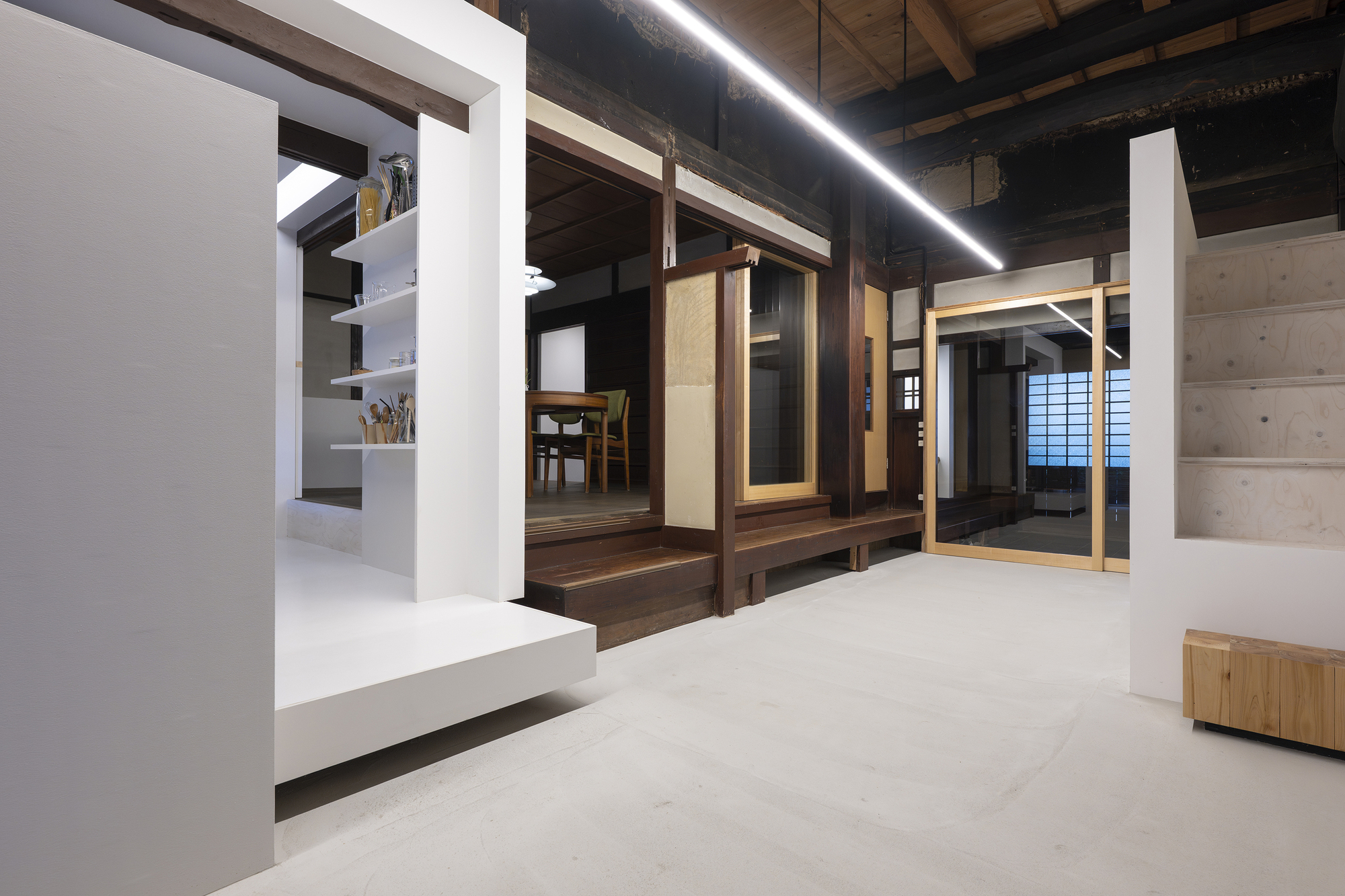
1 month agoThis Crumbling Kyoto Home Was Rebuilt as a Wabi-Sabi Sanctuary - and Every Detail Is Intentional - Yanko Design
A Kyoto renovation restores a traditional Sukiya residence by removing decades of alterations, creating livable spaces that honor historical principles while serving contemporary needs.
Berlin
fromTravel + Leisure
1 month agoThe 9 Best Museums in Tokyo-With Ancient History, Stunning Architecture, and Dazzling Immersive Exhibits
Tokyo contains nine exceptional museums ranging from prestigious national institutions to specialized collections, with the National Art Center standing out for its architectural design and diverse rotating exhibitions.
SF music
fromFuncheap
1 month agoShakuhachi Concert inside Japanese Tea Garden (Golden Gate Park)
Shakuhachi master Masayuki Koga performs traditional Japanese music at Golden Gate Park's Japanese Tea Garden Pagoda on March 7th, emphasizing spiritual connection and authentic listening beyond analytical control.
Gadgets
fromYanko Design - Modern Industrial Design News
2 months agoPilot Just Turned a 400-Year-Old Japanese Craft Into Living Art - Yanko Design
Arita porcelain vases coated with Pilot's thermochromic ink reveal a celadon glaze when heated, creating unique, time-based color transformations that return as they cool.
fromdesignyoutrust.com
2 months agoThis Artist Creates Superhero and Comic Watercolors With Traditional Japanese Motifs
Justin Bieber for Calvin Klein Spring 2015 Ad Campaign In A Parallel Universe: Artist Exposes Sexism By Switching Up Gender Roles In Old-School Ads Russian Blogger Makes Parodies Out Of Celebrity Photos, And More Than 20,000 Followers On Instagram Approve 10 Famous Movie Titles Written Using Negative Space The World of Modern Graphic Design & Typography by Kyle Kemink Chinese Tech Companies Hiring 'Pretty' Girls to Motivate Male Employees by Chatting, Playing Ping Pong and Buying them Breakfast
Typography
fromNature
2 months agoHow 'forest bathing' keeps lungs healthy
During the COVID-19 pandemic, Italian scientists documented something interesting: in areas with more trees per capita, the number and severity of COVID-19 cases were lower than in places with fewer trees, even when accounting for differences in human population density. This work is part of a growing body of research around the world investigating whether time spent in forests and nature can provide protection from infections, such as COVID-19 and pneumonia; inflammatory conditions, such as asthma, emphysema and bronchitis; and even cancer.
Public health
Psychology
fromSilicon Canals
2 months agoThe Japanese concept that explains why chasing happiness makes you miserable - Silicon Canals
Ikigai emphasizes purpose-driven living over pursuing fleeting happiness, reducing anxiety by focusing on meaningful daily activity rather than constant pleasure-seeking.


fromArtnet News
2 months agoBritish Museum's 'Samurai' Show Reveals the Untold Story of Women Warriors
The show, simply titled " Samurai," dives into the myth of the samurai and how it came to be, to teach viewers how this fierce warrior class emerged during the early medieval period in the 1100s and evolved over the next few centuries to become an elite class of bureaucrats. The exhibition also examines portrayals of samurai in modern-day popular culture, and how that compares to reality. Yes, the samurai started out as fierce fighters, but their identity is much more complex than that.
Arts
fromPsychology Today
2 months agoKintsugi: The Japanese Art of Being Remade
Kintsugi 金継ぎ is known as the Japanese art of putting broken things back together, like broken pottery, using materials mixed with powdered gold and other elements. Instead of hiding damage, this technique celebrates the restoration of an object once viewed as broken, flawed, or imperfect. This same process can be seen as a metaphor for addiction recovery. Even for people with addiction who willingly choose recovery, there's an element of being remade that can't be ignored. Addicts often go through a period of denial.
Mental health
fromKotaku
1 month agoIkoku Nikki Is The Must-Watch Anime Of The Season
You've got your obvious bangers, such as Frieren: Beyond Journey's End and Jujutsu Kaisen, but there are at least twenty weekly releases currently airing that are worth watching. Hell's Paradise, Fate/Strange Fake, Sentenced to Be a Hero, My Hero Academia: Vigilantes, Trigun Stargaze, Golden Kamuy - I could go on, and that's without including the stuff that just finished airing, such as Spy x Family and To Your Eternity.
Television
fromwww.theguardian.com
1 month agoThe tragedy of Punch the monkey: why do mother animals abandon their offspring?
He has been filmed multiple times being dragged and chased by older Japanese macaques inside the enclosure. Early clips showed him wandering alone with the toy after being pushed away by other monkeys, and clutching it tightly while being harassed. Viewers were briefly relieved when later videos emerged of another monkey grooming and comforting him. However, just days later, new footage showed Punch once again being targeted this time dragged aggressively in a circle by a much larger monkey.
Science
Relationships
fromwww.theguardian.com
2 months agoThe moment I knew: as soon we parted I realised Hitomi was the one. I waited years to see her again
A chance ferry meeting with Hitomi led to months of shared travel, simple rural life in Miyazaki, and growing affection born from her kindness and cheerfulness.
Remodel
fromdesignboom | architecture & design magazine
2 months agohaniyasu house: AATISMO renovates home for ceramic artists with cavernous clay additions
AATISMO's Haniyasu House unites two-generation ceramic living and making in a low, earthen, open-plan home closely integrated with Kamakura's slope and soil.
LGBT
fromwww.theguardian.com
2 months agoThe place that stayed with me: I was cautious in showing my queerness, until a night spent dancing at a Tokyo gay bar
A gay man navigates internalised homophobia shaped by faith and family while negotiating identity, public affection norms, and intimacy during travel.
fromwww.theguardian.com
2 months agoCosmic Princess Kaguya! review trippy anime adapted from Japanese folk dives into virtual reality popworld
Cosmic Princess Kaguya! is an adaptation of a Japanese folk tale, the story of a princess from the moon discovered inside a bamboo stalk in a poor rural village. A decade ago, Studio Ghibli adapted the tale into a gorgeously animated movie with a traditional, lovingly hand-painted feel. This film could not be more different, a trippy, high-energy, techno anime set in the near future, half of it in a virtual reality world and TikTok-ifed with emojis and stickers exploding all over the screen.
Film
fromYanko Design - Modern Industrial Design News
1 month agoThese Sculptural Japanese Lamps Come in 100 Colors for $150 - Yanko Design
Designed by Michael Kritzer, an industrial designer with Red Dot, iF, and Cannes Lions awards to his name, Dollights are inspired by creative Kokeshi dolls, those beautifully varied Japanese wooden figures that range from traditional to wildly expressive. The connection isn't literal. You won't mistake these for dolls on a shelf. But the DNA is there in the proportions, that satisfying relationship between a rounded head and a tapered body, the way each silhouette feels like it has its own quiet personality.
Design
fromAeon
2 months agoThe Japanese ethics of 'ningen' dethrones the Western self | Aeon Essays
In Rinrigaku, Watsuji argues that ethics is the study of what it means for us to be human. How we think about the nature of human existence, he says, dictates the ways in which we understand our ethical values. Hence, he criticises Western philosophical conceptions of the modern subject, arguing that the Western rendering of subjectivity is both problematic and foreign
Philosophy
fromwww.independent.co.uk
2 months agoHalf of Japan's samurai were women, groundbreaking exhibition at British Museum says
From reproductive rights to climate change to Big Tech, The Independent is on the ground when the story is developing. Whether it's investigating the financials of Elon Musk's pro-Trump PAC or producing our latest documentary, 'The A Word', which shines a light on the American women fighting for reproductive rights, we know how important it is to parse out the facts from the messaging.
History
Travel
fromTravel + Leisure
1 month agoA Beautiful Historic Theater in Kyoto Just Reopened As One of Japan's Most Exciting New Hotels-and We Were the First to Stay
Imperial Hotel Kyoto transforms the historic 1936 Yasaka Kaikan theater in Gion into a luxury hotel, preserving its cultural heritage while offering exceptional hospitality and unobstructed views.
fromMedievalists.net
2 months agoFrom Medieval Moon Princess to Anime Icon: The Many Lives of Princess Kaguya - Medievalists.net
The Tale of the Bamboo Cutter tells of an elderly bamboo cutter who discovers a tiny, radiant girl inside a glowing stalk of bamboo. He and his wife raise her as their own daughter, naming her Kaguya-hime. As she grows, she becomes extraordinarily beautiful, attracting suitors from across the land. Five noblemen seek her hand in marriage, but she tests them by assigning each an impossible task-such as retrieving the Buddha's stone begging bowl or the jewelled branch of Mount Hōrai. Each suitor fails.
History
Travel
fromTravel + Leisure
2 months agoHow to Travel to Japan on a Budget-Delicious Food and Iconic Sights Included
Visiting Japan can be affordable with advance planning, flexible travel dates, smart flight comparisons, favorable exchange rates, and strategic choices for transportation, accommodations, and activities.
fromBusiness Insider
2 months agoI didn't want my family's old house in Japan to sit empty - so I turned it into a cafe
I grew up visiting this house. It originally belonged to my grandfather's older sister, and whenever I traveled down from Iwate, the northern prefecture in Japan where I grew up, this was where the family gathered. Later, I worked as a rehabilitation consultant at hospitals in Osaka and Yokohama. I moved, but this place was always in the back of my mind.
Renovation
fromYanko Design - Modern Industrial Design News
2 months ago7 Best Japanese-Designed Valentine's Gifts That Look $1000+, But Cost Half That - Yanko Design
Japanese design has spent centuries perfecting the balance between restraint and richness. These seven gifts embody that philosophy, where every material choice and geometric decision carries intention. From transparent polycarbonate that frames music like sculpture to hand-planted bristles that honor century-old brush-making techniques, each piece reflects the considered craftsmanship that typically commands luxury prices. The precision is palpable, the materials exceptional, yet the cost remains accessible.
Design
[ Load more ]