#kansas-winter-forecast
#kansas-winter-forecast
[ follow ]
#winter-storm #power-outages #weather #travel-disruptions #weather-forecast #snowfall #snow-accumulation
fromSnowBrains
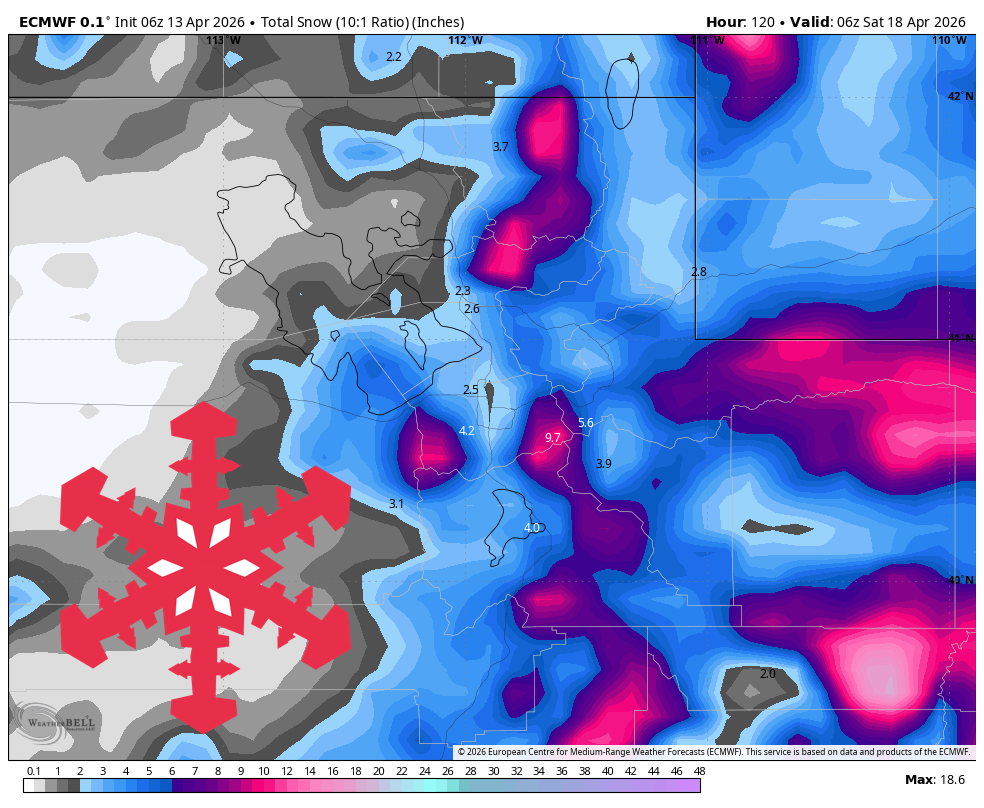
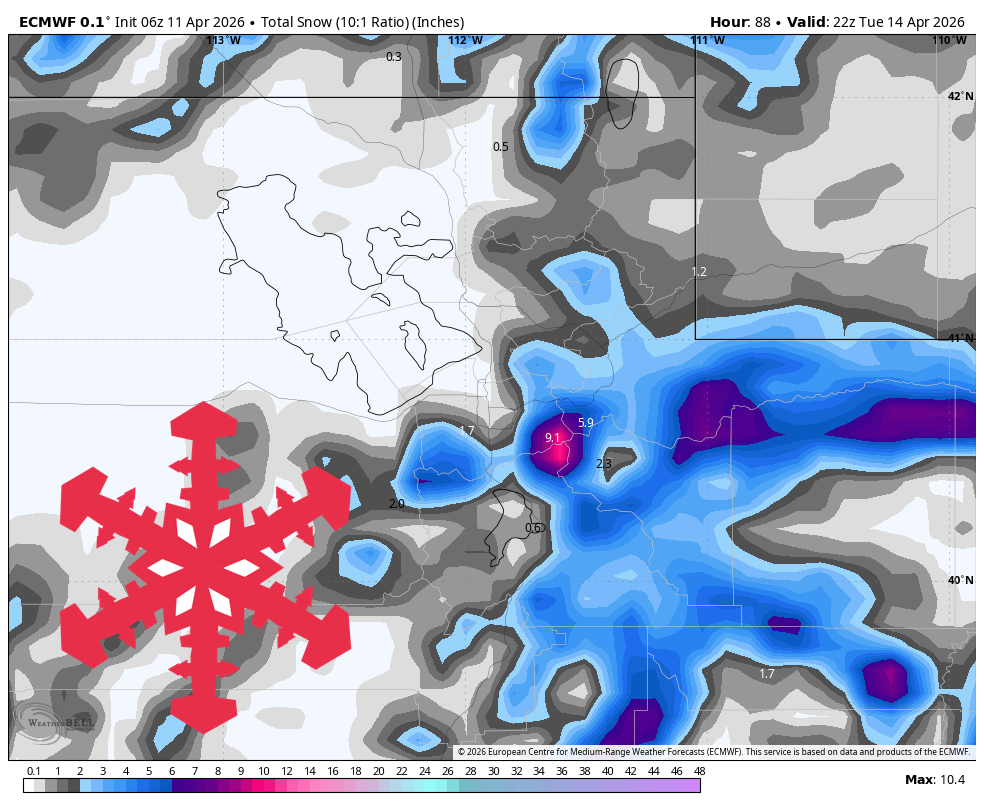
7 hours agoSnowBrains Forecast: Up to 1 Foot for Colorado Through Saturday - SnowBrains
The storm already underway across most of the state keeps snow going through today, then winds down overnight and early Wednesday. The guidance is well clustered on that timing and on snow levels holding between 6,500 and 8,500 feet while it is snowing.
Snowboarding
US news
fromwww.theguardian.com
4 weeks agoTriple-threat megastorm' to scatter snow, high winds and thunder across US
A major March megastorm will impact nearly 200 million Americans with severe snow, damaging winds, tornadoes, and flooding, ranking among the most impactful US weather events of the year.
Environment
fromwww.scientificamerican.com
3 weeks agoNebraska is battling its largest wildfires in history. Worse may be yet to come
Nebraska experiences its largest wildfires in history, burning 800,000 acres with at least one death, driven by extreme heat, low humidity, high winds, and severe drought.


Chicago
fromwww.aljazeera.com
1 month agoTwo killed as tornadoes sweep across US Midwest in latest extreme weather
Supercell thunderstorms struck Illinois and Indiana, producing at least four tornadoes that killed two people and injured nine others, with extensive infrastructure damage across the region.


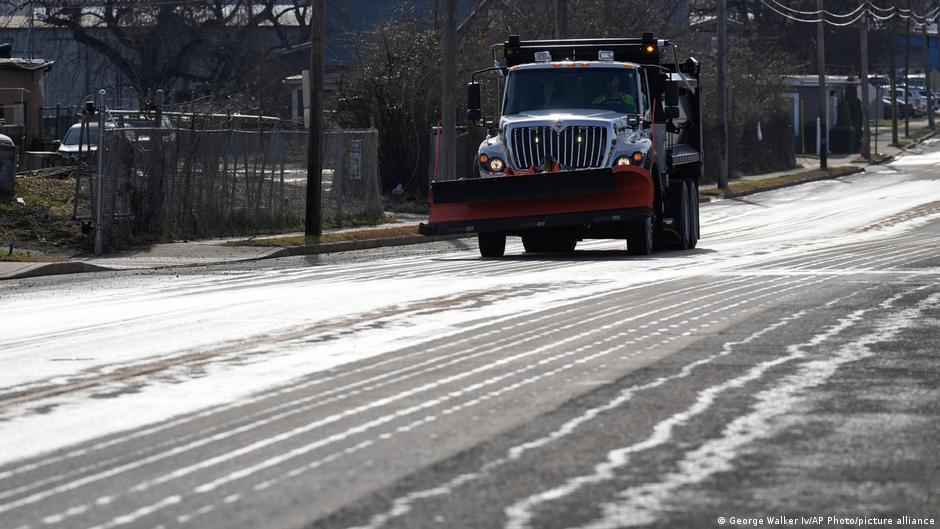



fromSnowBrains
1 week agoWinter Collapsed: Colorado and Utah Just Logged Their Worst Snowpack Ever - SnowBrains
By April 1, the state's long-term snow data showed conditions unlike anything previously recorded. Of the 64 manual snow course sites in Colorado with records stretching back more than 50 years, 60 either tied or set their lowest April 1 readings ever observed.
Snowboarding

fromSFGATE
2 months agoReal Estate Market Trends in Wichita, KS: Prices Fall - December 2025
In December, Wichita's active listing count impressively climbed by 13.7% year-over-year, reaching 998 homes on the market. This remarkable increase surpassed the national average gain of 12.1%. Notably, the number of newly listed homes in Wichita fell by 8.3% compared to the previous year, hinting at a tightening supply of fresh inventory amid the overall growth in active listings. This dynamic revealed that while a greater selection of homes was available compared to last year, fewer new options were entering the market,
Real estate


Snowboarding
fromSnowBrains
3 weeks agoSnowBrains Forecast: Springlike, Mostly Dry Pattern for Colorado Through Sunday - SnowBrains
Colorado ski resorts face warm, dry spring conditions through Sunday with afternoon temperatures in the upper 40s to 60s, minimal snowfall, and periodic ridge winds of 25-40 mph.
Snowboarding
fromSnowBrains
4 weeks agoSnowBrains Forecast: Warm, Windy, Mostly Dry Northern Rockies Through Monday - SnowBrains
A strong spring ridge brings warm, dry conditions through Friday with fast snow softening and high snow levels, followed by a weaker cold front bringing cooler temperatures and minor snow refresh over the weekend.
fromSnowBrains
1 month agoSnowBrains Forecast: 2 Feet Plus in the Midwest Through Tuesday - SnowBrains
Sunday and Monday bring the main event, and the models are tightly converged on a long-duration storm with heavy snow, strong northeast to north winds, and the best totals centered on northern Wisconsin and northern Lower Michigan. The main spread is not storm timing but exactly where the most intense band parks and how much the snow densifies Sunday afternoon, especially at the lower Michigan and southern Wisconsin hills.
Snowboarding
Snowboarding
fromSnowBrains
1 month agoSnowBrains Forecast: Windy Friday, Then Up to 3 Feet in the Midwest by Tuesday - SnowBrains
A major Saturday night through Monday storm will bring 15-34 inches of snow across the Midwest and northern Lower Michigan ski areas, with Friday's clipper providing 3-7 inches of wind-worked snow before conditions improve midweek.
fromSnowBrains
1 month agoSnowBrains Forecast: 6-10 Inches for the Midwest Through Friday Night, Bigger Sunday Storm Brewing - SnowBrains
Confidence is highest from Thursday night through Friday night, when guidance is tightly clustered on a fast clipper crossing the Upper Midwest with snow spreading west to east and peak rates overnight. Lutsen, Giants Ridge, Whitecap, Mount Bohemia, and the northern Lower Michigan hills should land near 4″-9″, while Granite Peak looks more borderline with wetter 3″-4″ totals and snow levels briefly rising toward 1,800 feet.
Snowboarding
fromwww.theguardian.com
2 months agoBomb cyclone brings freezing temperatures and snow to millions in US
A bomb cyclone produced freezing temperatures across a large portion of the US from the Gulf coast to New England, bringing heavy snow to North Carolina where two were killed in storm-related conditions, and setting records in Florida, where officials warned of ice and falling iguanas. About 150 million people were under cold weather advisories and extreme cold warnings in the eastern portion of the US,
Environment
Snowboarding
fromSnowBrains
1 month agoMountain Weather Update: Is Winter Over? Chris Tomer Answers the Question on Everyone's Lips - SnowBrains
A high-pressure dome will create a dry spell across southern ski regions while northern Rockies and Pacific Northwest receive significant snow through early April.
Snowboarding
fromSnowBrains
1 month agoSnowBrains Forecast: Wet Early Snow Then Variable Conditions for Colorado - SnowBrains
Mountain snowfall peaks through Thursday with heavy wet snow and strong winds, followed by uncertain lighter accumulations and a return to warmer, quieter conditions by the weekend.
[ Load more ]