#karin-dreijer
#karin-dreijer
[ follow ]
#electronic-music #charli-xcx #robyn #pop-music #music #lykke-li #sexistential #the-afterparty #new-album #rock-music
fromKALTBLUT Magazine
1 week agoHande Yener and Madrigal Ignite the Music Scene with "Ego": A Captivating Berlin-Filmed Collaboration - KALTBLUT Magazine
The collaboration marries Yener's distinctive vocals with the punchy sound of Madrigal, resulting in a contemporary track that resonates with emotional complexity.
Berlin music
.png)


.jpg)

fromKALTBLUT Magazine
2 weeks agoEmbrace the Transformation: Faravazs "Butterfly" EP Soars with Empowering New Video - KALTBLUT Magazine
Butterfly unfolds across four unique versions of the same song, each exploring different genres and emotional depths while maintaining a cohesive melody and lyrics.
Berlin music

fromThe Nation
4 weeks agoThe Intermediate States of Eliane Radigue
Her slowly shifting synthesizer compositions and quiet, meditative pieces for acoustic instruments continue to inspire a deep immersion in their audiences, and her recordings and writings have influenced multiple generations of musicians worldwide.
Berlin music


from48 hills
1 month agoLucrecia Dalt: 'How lucky are we to land at the core of this vibration?' - 48 hills
Some of the stories I have regarding love are giving myself into the impossible. It doesn't matter if I have to move overseas if I have that intuition in my heart. That spirit of stepping into the unknown runs through A Danger to Ourselves, the latest album from the Colombian-born composer and sound artist.
Music production
#lykke-li

Music
fromConsequence
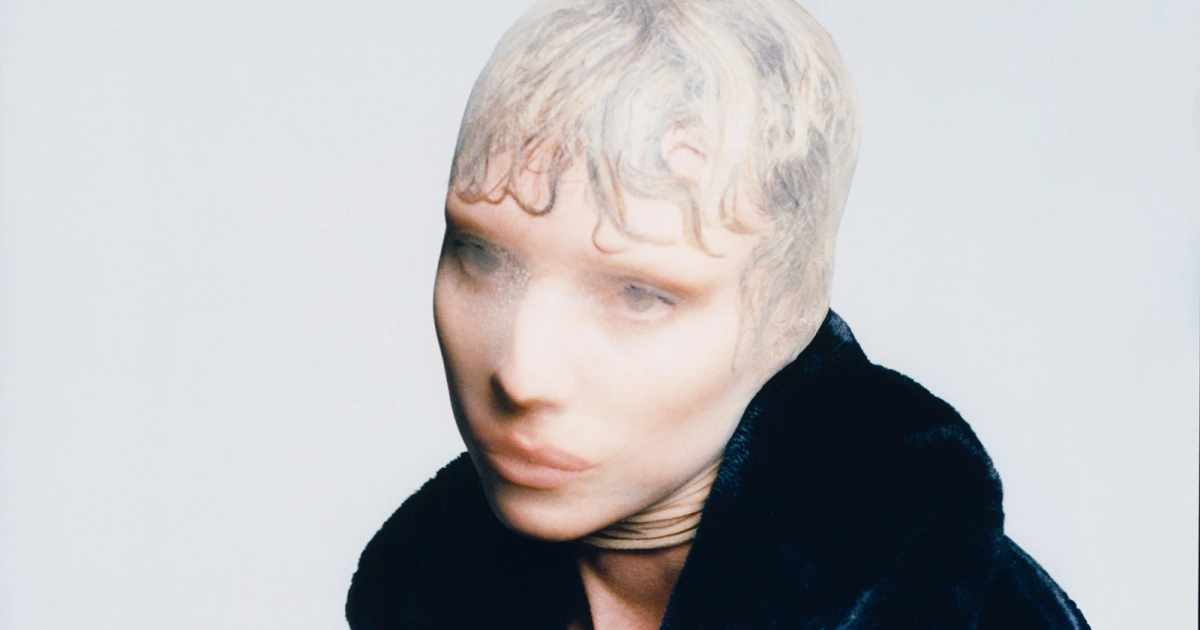
1 month agoLykke Li Releases "Knife in the Heart, A Self-Described "Brutalist Nursery Rhyme Anthem"
Lykke Li releases 'Knife in the Heart,' an emotionally intense single featuring a 17-piece string orchestra, addressing global turmoil and human connection as her first album in four years approaches.


Music
fromConsequence
1 month agoLykke Li Releases "Knife in the Heart, A Self-Described "Brutalist Nursery Rhyme Anthem"
Lykke Li releases 'Knife in the Heart,' an emotionally intense single featuring a 17-piece string orchestra, addressing global turmoil and human connection as her first album in four years approaches.


Music production
fromKALTBLUT Magazine
1 month agoSound of the Week: Robert Baxter & Sweatbaby - ICY (TAKE IT OFF) - KALTBLUT Magazine
Robert Baxter is an Australian pop artist gaining momentum with 'ICY (TAKE IT OFF)', achieving significant streaming growth and radio rotation while authentically representing the queer community through fearless genre-bending music.
fromPinkNews | Latest lesbian, gay, bi and trans news | LGBTQ+ news
1 month agoA*Teens on reuniting and their Eurovision hopes: 'It's fun to be in our bubble!'
Formed in 1998 to celebrate the 25-year anniversary of ABBA winning Eurovision with 'Waterloo', teens Amit Paul, Dhani Lennevald, Marie Serneholt and Sara Lumholdt entered A*Teens as an ABBA tribute group. But after their slew of ABBA covers reached the top 40 around the world - 'Mamma Mia' hit number one in their homeland - the group decided to stick about for a bit, releasing original hit singles.
Music
fromKALTBLUT Magazine
2 months agoMonotronic Maps Two Years of Sound and Experience in "Waiting for You" - KALTBLUT Magazine
The work behind "Waiting for You" by Monotronic spanned two years and several geographic mindsets. Its songs were built in the contained spaces of an East Village apartment and the open humidity of Tulum, initially seeming like disparate projects with no clear direction. Only in retrospect did their shared disposition come into focus. This is an album about the slow work of self-knowledge, which here looks less like an epiphany and more like the gradual acceptance of a particular signal,
Music
fromPitchfork
2 months ago12 New Albums You Should Listen to Now: Charli XCX, Feng, and More
When director Emerald Fennell needed to hire a musician to score her Wuthering Heights adaptation, only one person came to mind: Charli XCX. Not only did the British pop star accept the offer, but she used her soundtrack to capture love in all of its grandiose, moody, and elusive ways. As she described the soundtrack on her Substack, it's a "dive into persona, into a world that felt undeniably raw, wild, sexual, gothic, British, tortured and full of actual real sentences, punctuation and grammar."
Music
fromPitchfork
2 months agoGaute Granli: Rosacea
"I just make stuff until it sounds right," said Norwegian experimental musician Gaute Granli in a 2021 interview, when asked about his creative intentions. His answer is both evasive-what would it mean, when crafting deliberately confrontational art, to release something you think sounds wrong?-and an accurate description of a practice shaped by enigmatic instincts. Granli's curious new album Rosacea has a nebulous atmosphere all its own.
Music
Music
fromYanko Design - Modern Industrial Design News
2 months agoKorg Phase8 Is a Cyberpunk Kalimba for Producers Who Are Bored of Regular Synths - Yanko Design
Korg Phase8 is a tactile tabletop instrument using electromagnetic hammers and acoustic pickups to enable 'Acoustic Synthesis' and encourage physical interaction to shape sound.
Music
fromKALTBLUT Magazine
2 months agoChoosing the Artificial Over the Real in Dash Hammerstein's "Noise Machine" - KALTBLUT Magazine
Dash Hammerstein blends Americana songwriting and filmmaking to create intimate, melody-driven songs and film scores that mix folk-pop sensibility with subtle production flourishes.
fromPitchfork
2 months agoBjork: "Human Behaviour"
A teenage Björk, in defiance of her stuffy music schooling, had studied not only Cage but also the radical turn-of-the-century composer Arnold Schoenberg, whose early operas developed a voice that flickered, glissando-style, between boisterous singing and speech. Schoenberg called the technique sprechstimme, but when you hear it performed now-even if not in Björk's own, meagerly bootlegged rendition of his Pierrot Lunaire-the style has arrived in the timeless preserve of the Björkian.
Music
fromPitchfork
2 months agoA Sofia Kourtesis DJ Kicks Is on the Way
DJ-Kicks is a series that shaped how I think about DJing and listening. I played the DJ Koze mix an unhealthy number of times, to the point where it basically lives in my DNA now. Those mixes taught me that the best ones aren't about showing off; they're about taking people on a journey. They move, twist and surprise you. They give you goosebumps when you least expect it.
Music
[ Load more ]