#lucca
#lucca
[ follow ]
#travel #italy #italian-cuisine #tuscany #italian-culture #archaeology #puglia #olive-garden #romantic-comedy #rome








fromdesignboom | architecture & design magazine
2 weeks agorenaissance church in piacenza glows with scenographic lights in davide groppi's exhibition
The central nave of Sant'Agostino becomes the spine of the exhibition, as the designer divides the space using white, geometric volumes through freestanding architectural forms that visitors can move through.
SOMA, SF
fromArchitectural Digest
2 weeks agoIn an Ancient Italian Town, This 592-Square-Foot Home is Spread Across Six Levels
"It was in really bad shape, but I sensed its potential," he says. When his future client, a Swiss teacher who fell in love with the Italian Riviera, walked into his office, even she was skeptical. "Many people were," he continues. "It was an abandoned and damp property, but I convinced her. Now she's happy."
Renovation
fromArtnet News
1 week agoThe Sistine Chapel Is Coming to a Mall in Suburban New Jersey
"We are thrilled to bring this immersive experience to New Jersey. Whether you're an art-lover, history enthusiast, or someone encountering this masterpiece for the first time, this exhibition allows you to experience Michelangelo's genius in an intimate and unforgettable way."
Arts
:max_bytes(150000):strip_icc()/TAL-ponte-vecchio-TODOFLORENCE0923-9abdcf5bd9ff42dfb04fbeeb2f69f001.jpg)
Travel
fromConde Nast Traveler
3 weeks agoIn Venice With My Mom and Sister, Discovering the Joy of a Cross-Generational Trip
Family vacations with aging parents and siblings become increasingly precious as life circumstances change, making intentional travel together a meaningful priority before it becomes impossible.
Washington Nationals
fromDefector
4 weeks agoNobody's Having More Fun Than The Italians | Defector
The World Baseball Classic uses flexible nationality rules allowing players to represent countries through lineage and citizenship, creating amusing rosters like Team Italy's Italian-Americans defeating Team USA.
fromRemodelista
3 weeks agoScavolo Borgo Hotel: A Restored Historic Tuscan Village Retreat
Working with architect Lorenzo Giordano, the team approached the project as a thoughtful rehabilitation. An aluminum rooftop sits lightly on old masonry; new terrazzo floors by Cuor di Roccia meet terracotta tiles; steel stair housings pair with restored plaster and arched openings. The contrasts are deliberate, revealing each layer of the site rather than hiding it.
Renovation
Travel
fromTravel + Leisure
4 weeks agoI Lived in Italy and This Lesser-known Island With Dreamy Coastlines, a Gelato Boat, and a Confetti-colored Fishing Village Is My Favorite Seaside Destination
Ponza, an extinct volcanic island off Italy's coast, offers authentic Mediterranean experiences with minimal international tourism, attracting Romans for centuries while remaining overshadowed by more famous destinations.
Higher education
fromHarvard Gazette
1 month agoLike seeing art of Roman chapels in technicolor for first time - Harvard Gazette
Students learned centuries-old stucco sculpting techniques through hands-on practice, gaining deeper understanding of Renaissance and Baroque artists' material choices and creative processes.
History
fromMedievalists.net
1 month agoMedieval Bronze Doors by Donatello Return to Florence After Restoration - Medievalists.net
Donatello's fifteenth-century bronze doors have been restored and returned to the Old Sacristy of San Lorenzo in Florence, showcasing innovative sculptural techniques and Medici family patronage.
Travel
fromBusiness Insider
1 month agoMy favorite gem in Italy is just an hour from Venice. It's packed with stunning scenery and feels like stepping into a fairy tale.
Bassano del Grappa offers authentic Italian culture, local cuisine, and scenic beauty with fewer tourists than major Italian cities like Venice.
Travel
fromTravel + Leisure
1 month agoThis Italian City Is the Birthplace of Lasagna-and It's Home to the World's Longest Covered Walkway
Bologna, a northern Italian city near Florence, is renowned for its medieval food heritage, oldest Western university, UNESCO-designated music scene, and vibrant culture centered on conviviality and shared meals.
Berlin food
fromBusiness Insider
1 month agoI've traveled to all 20 regions in Italy - but I'll always return to this one in the south
Basilicata, a sparsely populated southern Italian region between Puglia and Calabria, offers beautiful beaches, dramatic landscapes, and authentic local cuisine with significantly fewer crowds than other Italian destinations.
History
fromOpen Culture
1 month agoRome in 1890 Captured in Color Photographs: The Colosseum, Forum, Trevi Fountain & More
English gentlemen completed their education through the Grand Tour of Europe, primarily Italy, which profoundly influenced Romantic poets like Byron and shaped their artistic vision of classical civilization in ruins.
fromApartment Therapy
1 month agoThis Soothing Italian Philosophy Transforms the Way I Do Everything
"Piano piano" is an old Italian saying that sounds nonsensical, but is actually full of wisdom, especially if you, like me, are finding yourself wishing away these frigid winter days and hoping spring and summer gets here fast. These days, I've found myself rushing from one thing to the next, frustrated at the smallest things, from post office lines to just missing my train. And I'm ready to make a change.
Mindfulness
fromApartment Therapy
2 months agoWhile Traveling in Italy, I Learned the Easiest Coffee Upgrade I Now Do Every Morning
On my last trip, in Bologna, I found yet another way to enjoy Italian coffee (beyond ordering a doppio). One memorable café topped its coffees with fruit powder-infused whipped cream. They were listed under a section on the menu appropriately named "caffe della gioia" (yes, "joy coffee"). These joyful mugs are topped with a generous mountain of whipped cream that can be folded with fruit- or nut powders, like pomegranate, pistachio, orange, wild berries, and aniseed.
Coffee
fromTravel + Leisure
1 month agoThese Are the 10 Types of Restaurants You'll Find in Italy-and Why You Need to Know the Difference
Historically speaking, an osteria was a spartan, no-frills establishment where people would go to have a drink. The original osterias date all the way back to the Roman Empire. If you go to Ostia Antica or Pompeii, you find the osterias of the era. They were like bed-and-breakfasts, with rooms for rent above the dining room where people could listen to music.
Dining
fromTasting Table
2 months agoThis Cheesy Italian Fried Dough Is One Of Florence's Favorite Street Foods - Tasting Table
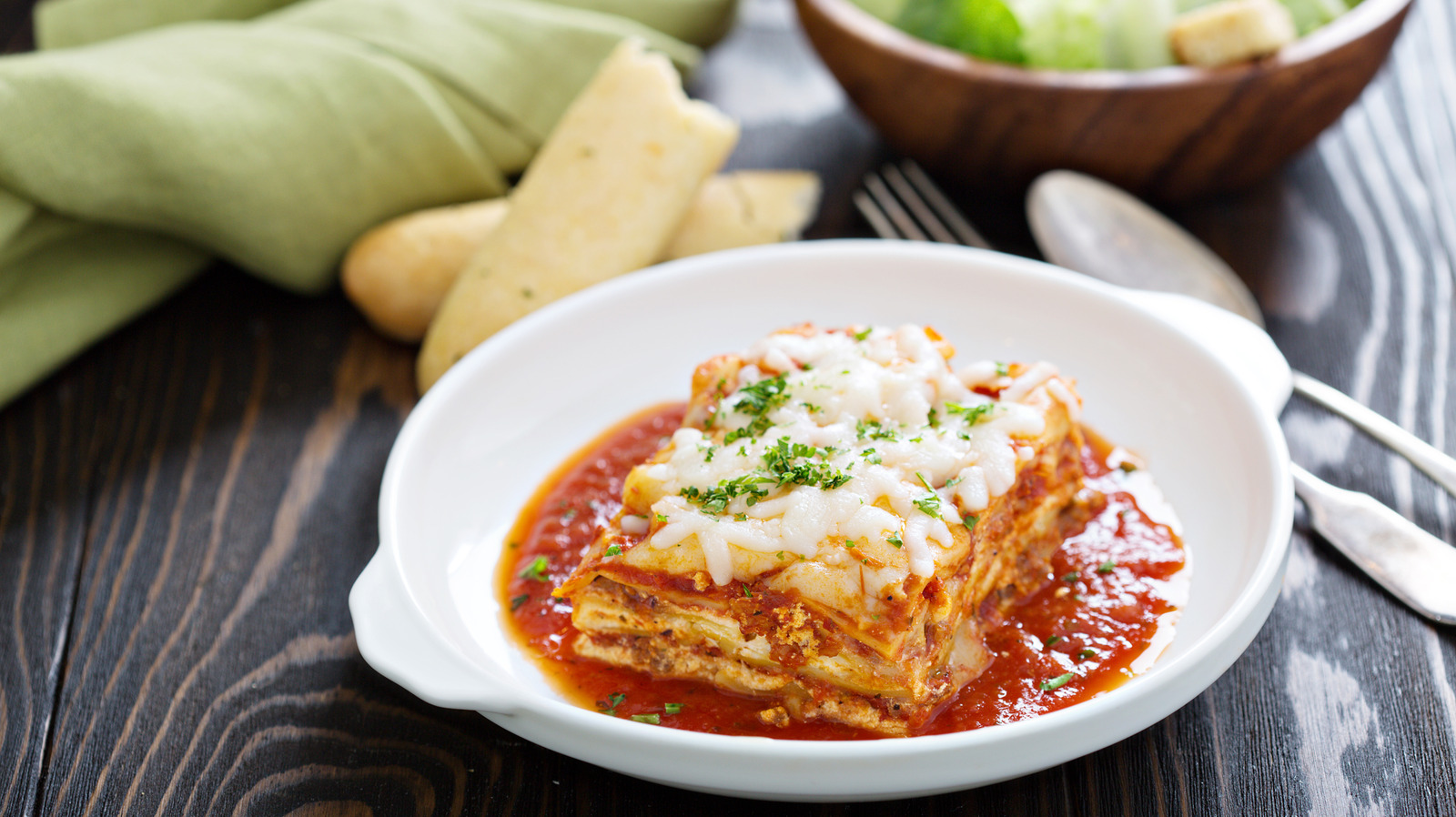
This coccoli, which can be a street food or restaurant appetizer, is truly an icon in Florentine - a term that simply means "from Florence" - fare. The word "coccoli" translates literally to "cuddles," and these fried dough balls do indeed feel like warm little hugs. They're about the size of dumplings; served hot, they've got a crispy exterior to crack into - with just the right amount of grease - where you'll find both fluffiness and chewy doughy-ness all at once.
Food & drink
Miscellaneous
fromwww.theguardian.com
1 month agoItaly's famous Lovers' Arch collapses into the sea on Valentine's Day
The iconic Lovers' Arch in Sant'Andrea, Melendugno collapsed on Valentine's Day after storm surges and intense rainfall, reflecting severe coastal erosion linked to stronger medicanes.

fromArchitectural Digest
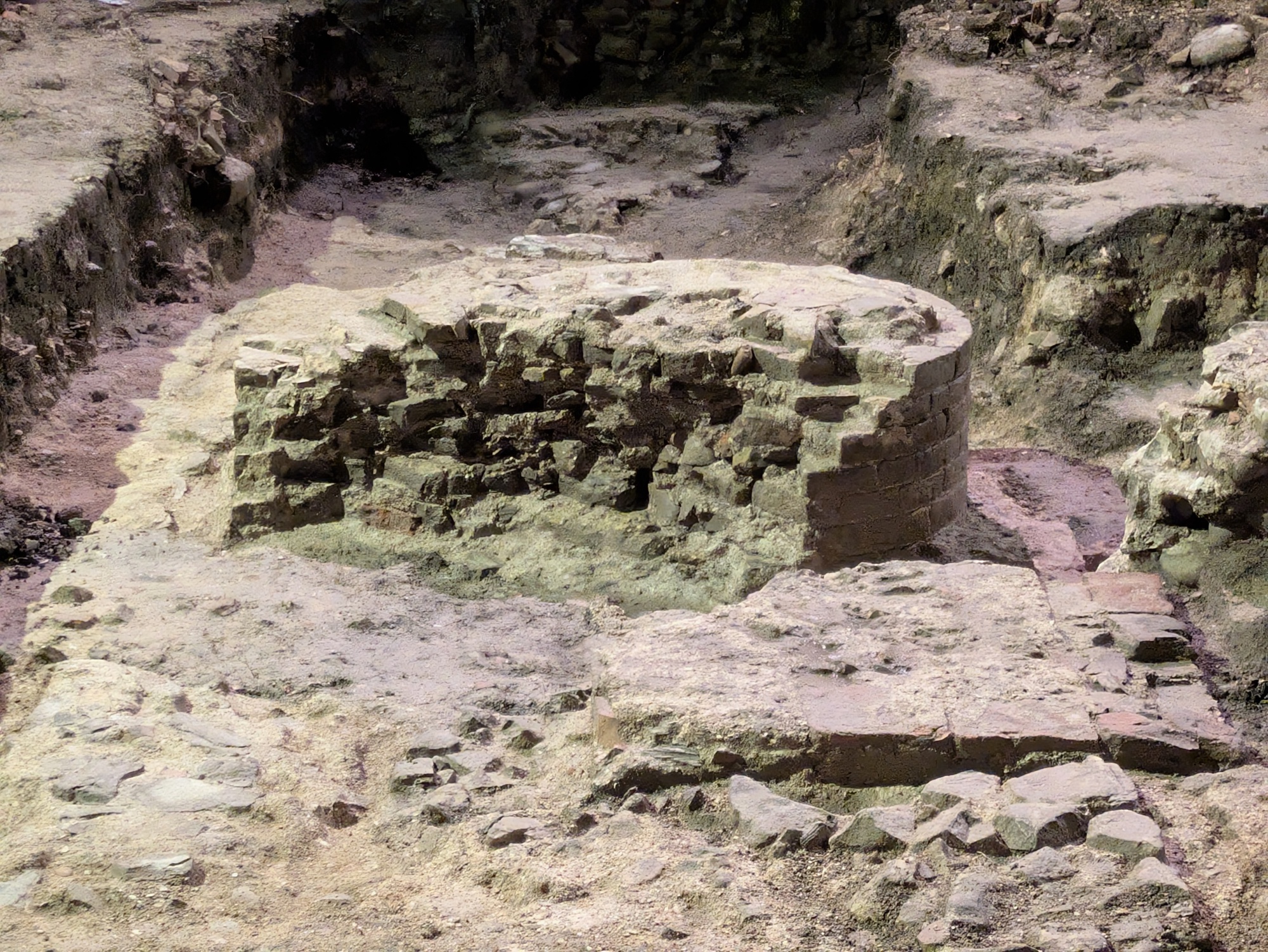
1 month agoPalmarola Island Is the Secret Italian Paradise You've Never Heard Of
Among the Pontine Islands, Palmarola emerges as an unspoiled, scenically unique land. You'll find no big luxury resorts, loud clubs, or lines of restaurants. There aren't even any paved roads, or an established electrical grid-and there's certainly limited telephone coverage, so forget working from home. However, the lack of modern amenities means less traffic and crowds.
Travel

fromSilicon Canals
2 months agoGoodbye to tourist traps: the small towns locals say capture the real spirit of Italy - Silicon Canals
Last summer, I found myself in Venice during peak tourist season. The crowds were suffocating. Every piazza felt like a theme park, every restaurant seemed designed for Instagram rather than actual dining. Standing on the Rialto Bridge, packed shoulder to shoulder with thousands of other visitors, I couldn't help but wonder: is this really Italy? That question stayed with me long after I returned to London.
Travel
fromTasting Table
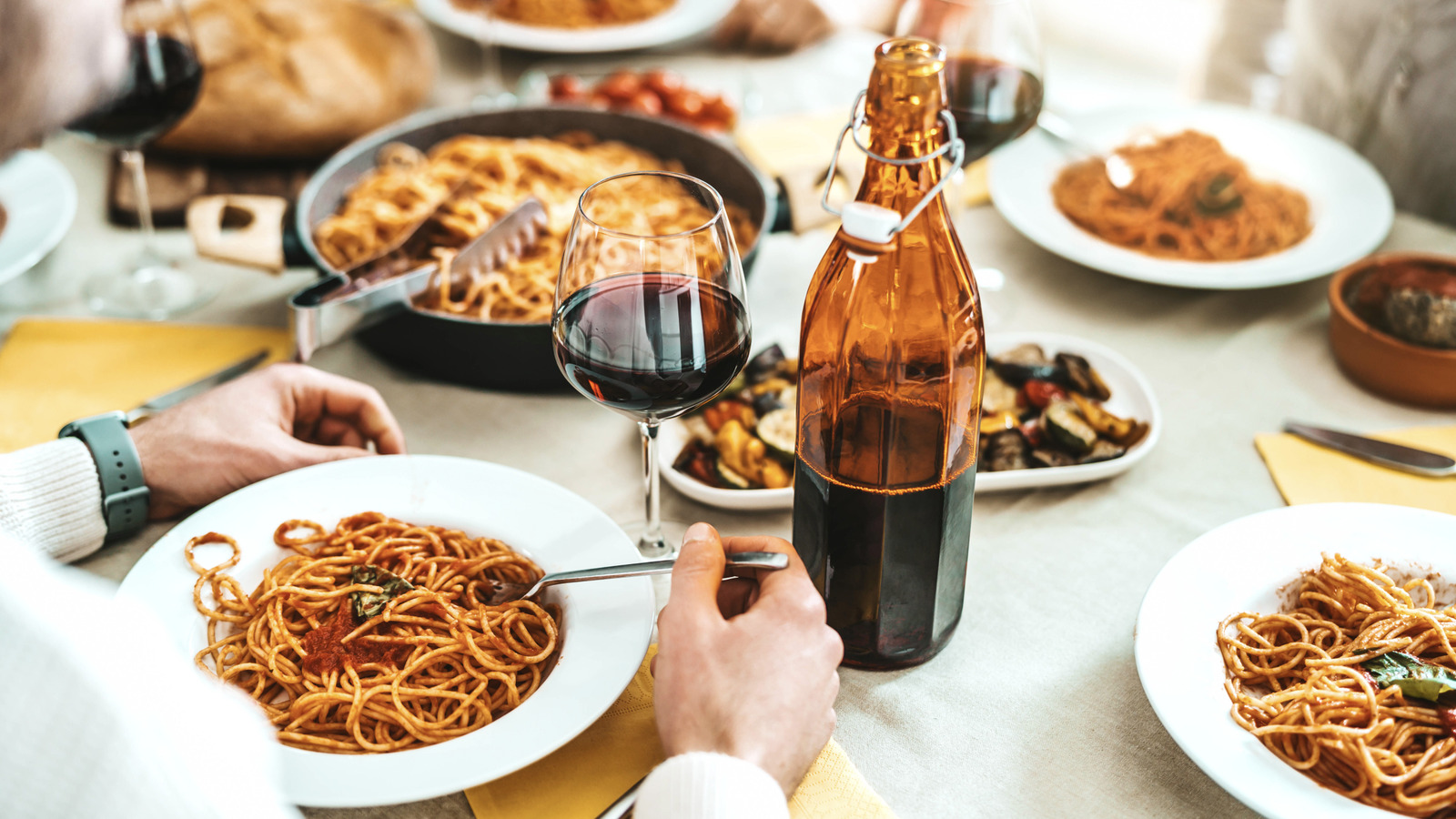
2 months agoThe Best Wine Pairings For 10 Popular Types Of Pasta Sauce - Tasting Table
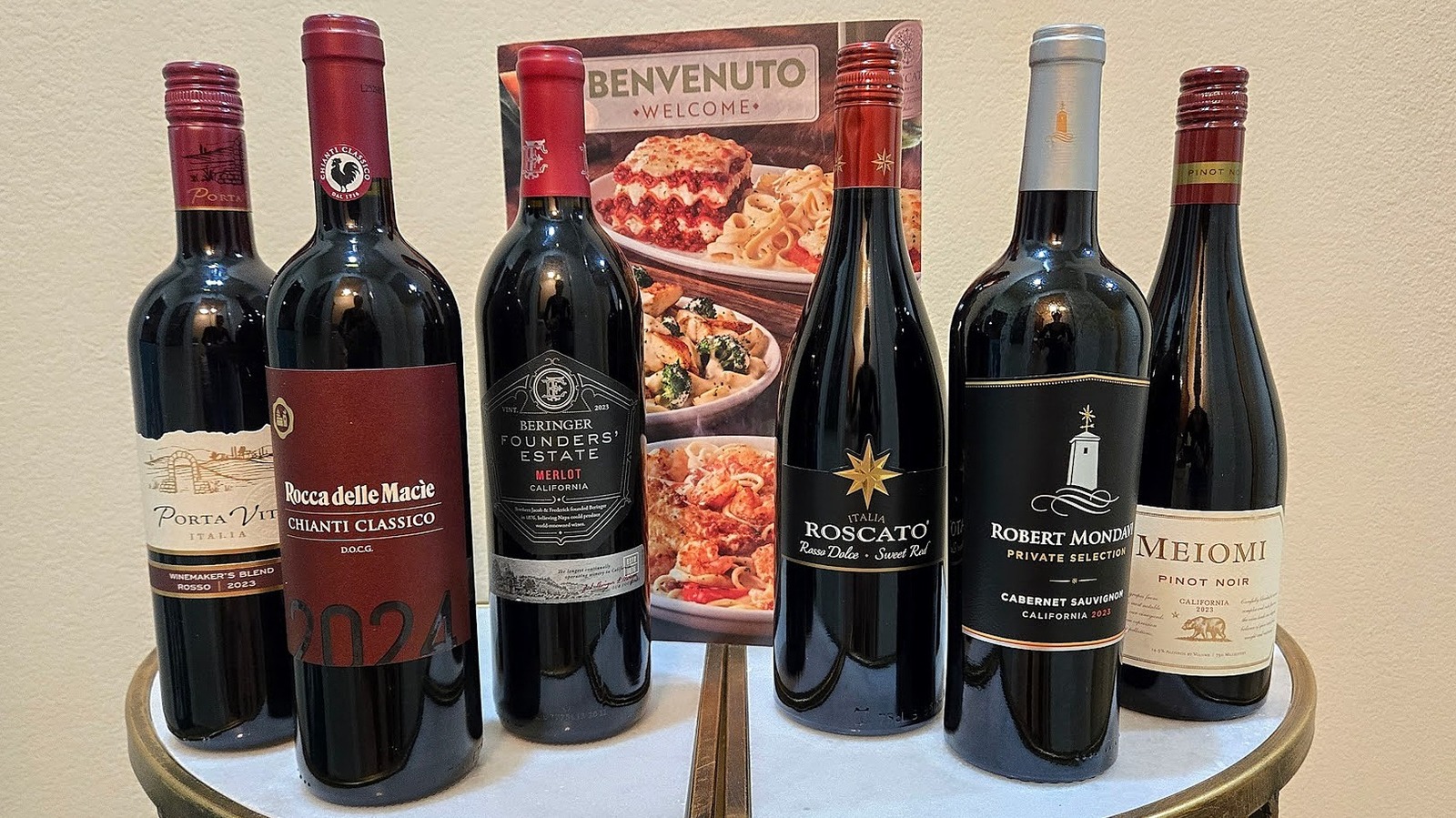
Of course, pasta is incredibly versatile and can be transformed into dishes showcasing an endless array of flavors. So when you're looking to pair your pasta meal with a glass of wine, it's important to consider what type of sauce you'll be using to ensure the ingredients work well with the wine. While some pasta sauces are more flexible to pair with, others require a bit more care to ensure the flavors aren't overwhelmed, muted, or negatively impacted.
Wine
fromwww.dw.com
1 month agoItaly: Remains of St. Francis displayed in Assisi
For the first time in nearly eight centuries, the general public was able to see the remains of one of the Catholic Church's best-known saints. The patron saint of Italy's remains have been resting in a stone sarcophagus for centuries. On Saturday, the coffin was ceremoniously transferred from the crypt to the lower church of the Basilica of St Francis of Assisi. The display will last one month and end on March 22.
History
fromConde Nast Traveler
2 months agoThe Charms of Venice in the Winter
A gloriously clear day cold enough to warrant a coat and gloves yet brilliantly sunny-light shimmering on the water like Christmas baubles and a sky so blue that the tides appeared joyously high. Rainbows entered my suite at the exquisite Venice Venice Hotel; a snowy white heron perched itself on the railing of the balcony, seemingly as enchanted by the activity on the canals as we were; a pianist dressed in a long printed cape that swept the floor played into the night.
Travel
Food & drink
fromwww.theguardian.com
2 months agoA local's guide to Milan: the city's best restaurants, culture and green spaces
Simone Barlaam, Milan-born Paralympic swimmer, is a 13-time world champion, Paris 2024 multi-medalist, Milano Cortina ambassador and local guide sharing favourite Milan spots.
History
fromThe Art Newspaper - International art news and events
2 months agoSex, love and gladiators: Pompeii graffiti found in corridor highlights residents' passionate side
Newly deciphered Pompeii graffiti reveal sexual encounters, love notes, insults, gladiator imagery, and multicultural soldiers, illustrating violent, intimate, and cosmopolitan everyday life.
fromwww.theguardian.com
1 month agoAvignon warmed our bones and fed our souls': readers' favourite early spring trips to southern Europe
Saint-Jorioz in Haute-Savoie will provide a springtime lift for your spirits. On the shore of Lake Annecy, it's a short bus ride from the city of Annecy, but less busy and with superior lake and mountain views. Hike to the surrounding peaks, towards the lesser-known Col de l'Arpettaz, or cycle on the excellent greenways. Relax by the cool blue alpine water. Behind you lies the underrated Les Bauges Unesco Geopark. The department only joined France in 1860, and has its own Italian-influenced regional cuisine.
Travel
Travel
fromBusiness Insider
2 months agoAs a travel planner, I rarely recommend Paris or Rome. Instead, I swear by these 5 European gems.
Five European destinations—including Liverpool, Cinque Terre, and Porto—offer musical heritage, coastal scenery, historic charm, and distinctive culinary experiences every traveler should experience.
Travel
fromwww.theguardian.com
1 month agoThe most quietly romantic town we have ever visited' the enduring charm of Chiavenna, Italy
Chiavenna is an overlooked Lombardy town offering picturesque alpine scenery, historic frescoed streets, chestnut woods, crotti, and extensive hiking and cycling trails.
[ Load more ]