#italian-cuisine
#italian-cuisine
[ follow ]
#restaurant-opening #pasta #culinary-experience #cooking #food-culture #restaurant-closure #pizza #fine-dining

fromABC7 Los Angeles
2 days agoWATCH: National Geographic shares 'Tucci In Italy' Season 2 trailer for Emmy-nominated series
In Italy, food is never just food. It's memory, identity and, sometimes, a full-blown argument. This season, we explore how the past continues to shape the present, one region and one extraordinary meal at a time.
Television


fromwww.businessinsider.com
2 weeks agoThe most iconic Italian restaurant in every state
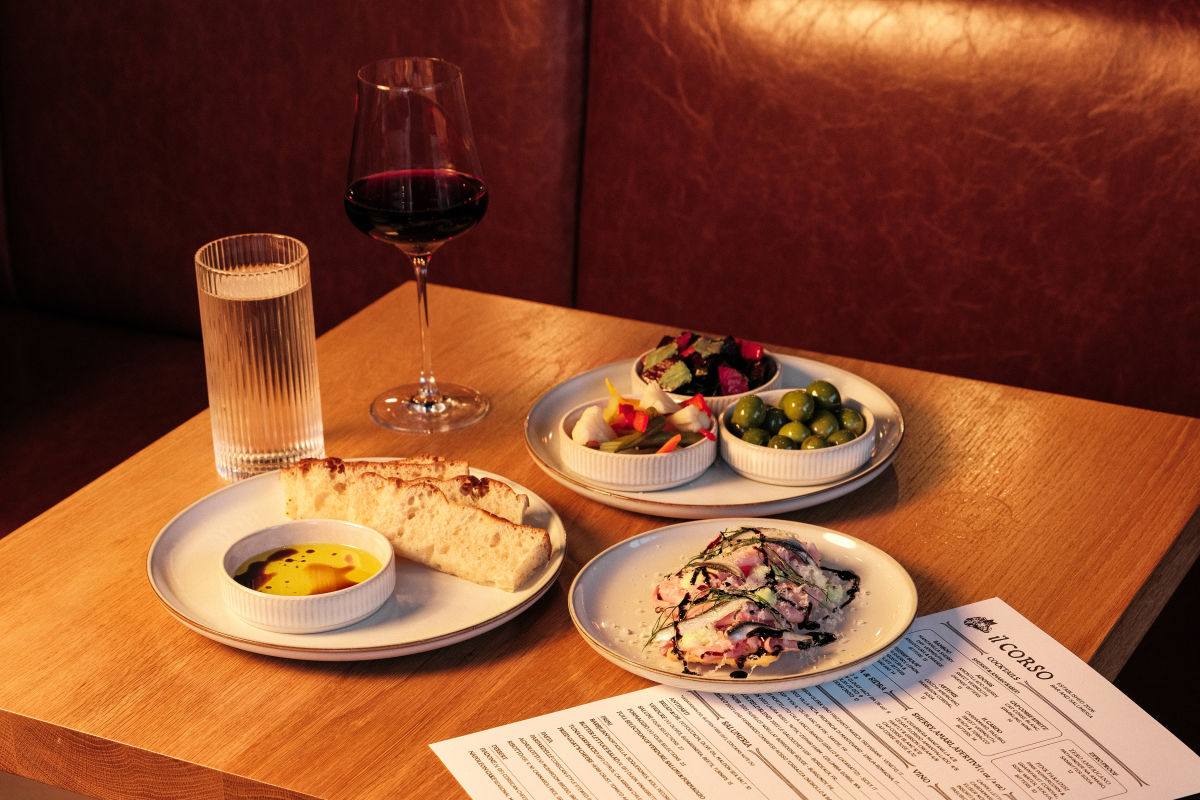
Gianmarco's Restaurant is a Birmingham staple founded by a father-and-sons trio who have brought generations of Italian family recipes to the city for nearly 20 years. The upscale yet welcoming spot is known for handmade pastas, fresh seafood, and signature dishes, such as veal Parmesan and house-made gnocchi, all served in an intimate, old-world setting.
LA food
LA food
fromTasting Table
2 weeks agoJulia Child Bolstered Lasagna's Flavor With An Unexpected Citrus Ingredient - Tasting Table
Julia Child revolutionized lasagna with her unique recipe, incorporating unconventional ingredients like dried orange peel and saffron, challenging traditional Italian cuisine.
fromTasting Table
2 weeks agoI Lived In Rome For Years. This Is The Italian Food Rule Americans Break Most Often - Tasting Table
The act of scooping up leftover sauce, oil, or butter from your dish with bread is so ingrained into Italian culture that there's actually a name for it: Fare la scarpetta, which translates to 'make the little shoe.' The bread, which is dragged around the plate to collect every last bit of flavor, is a cherished part of the dining experience in Italy.
Madrid food



Miami food
fromFood & Beverage Magazine
4 weeks agoDiscover Luma: The New Italian Dining Gem in Miami
The Ritz-Carlton Key Biscayne reopened in December 2025 with Luma, a modern Italian restaurant led by Executive Chef Patrizio La Gioia, featuring handmade pastas and Josper oven cooking overlooking the Atlantic Ocean.

fromLos Angeles Times
1 month agoThree ex-Horses chefs have created L.A.'s true pop-up of the moment
Tuna carpaccio arranged in a circle arrived first, the slices beaming ruby like sun through stained glass. Radicchio leaves had been dressed with kefir and gorgonzola, the tart and the sweet funk offsetting the bitter. Clams, splashed in bright and herby broth, were paired with a narcotic mound of thin fries.
LA food
fromwww.theguardian.com
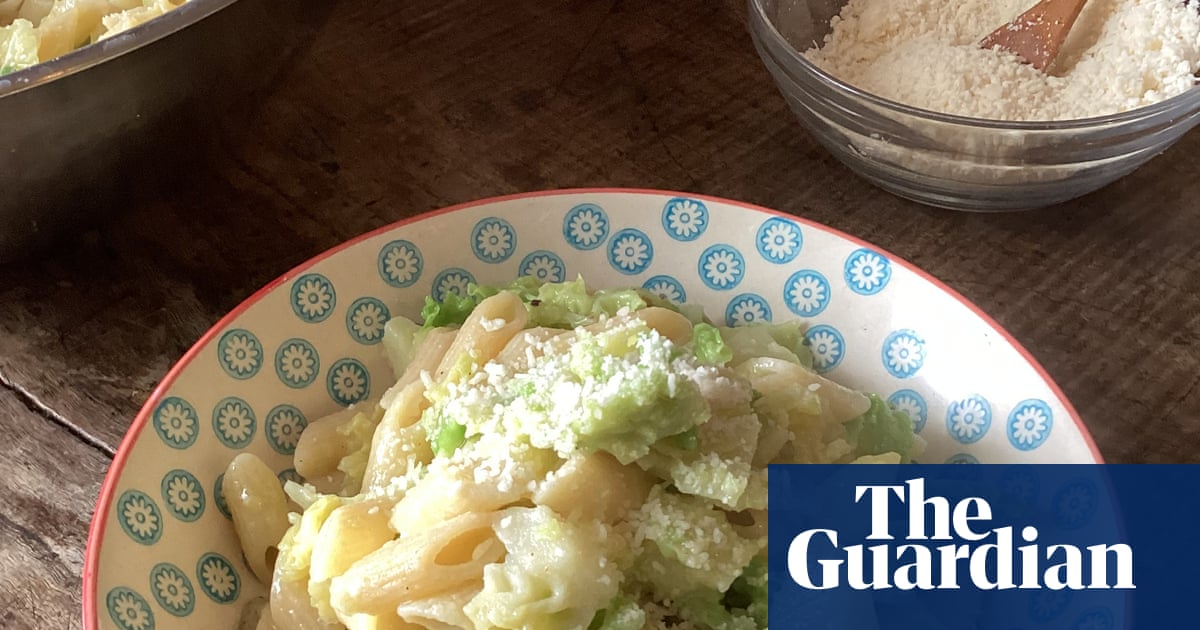
1 month agoRachel Roddy's recipe for risotto in bianco | A kitchen in Rome
That functions as a sort of highly flavoured and fatty stock cube that can be added to soups and stews. The best place to keep your precious rinds is in a plastic bag or airtight container in the freezer, which also preserves flavour and stops them drying out, until they're pulled out and added directly to whatever needs a boost, or to make one of the nicest, most delicately flavoured and cheesy broths.
Cooking

fromTasting Table
1 month agoThis Seattle Spot Is Washington's Best Italian Restaurant, According To Customers - Tasting Table
Chef Sabrina Tinsley and her husband, Pietro Borghesi, were on a mission to offer northern Italian food, specifically from the Emilia-Romagna region of the country, and that's exactly what they have done. Emilia-Romagna is where some of Italy's most iconic ingredients are produced, including Parmigiano Reggiano, balsamic vinegar, prosciutto di Parma, and mortadella.
Food & drink
Pittsburgh Steelers
fromTasting Table
1 month agoThe Hole-In-The-Wall Pizzeria Generations Of Pittsburghers Continue To Love - Tasting Table
Fiori's Pizzaria, a 47-year-old family-owned Italian restaurant in Pittsburgh, serves hand-tossed pizzas and traditional Italian dishes with a thick, doughy crust and distinctive cheese blend that has made it a beloved community cornerstone.
Travel
fromTravel + Leisure
1 month agoThis Italian City Is the Birthplace of Lasagna-and It's Home to the World's Longest Covered Walkway
Bologna, a northern Italian city near Florence, is renowned for its medieval food heritage, oldest Western university, UNESCO-designated music scene, and vibrant culture centered on conviviality and shared meals.
fromTasting Table
1 month agoGuy Fieri Said 'This Is The Way To Do It' After Trying These Old-School Meatballs - Tasting Table
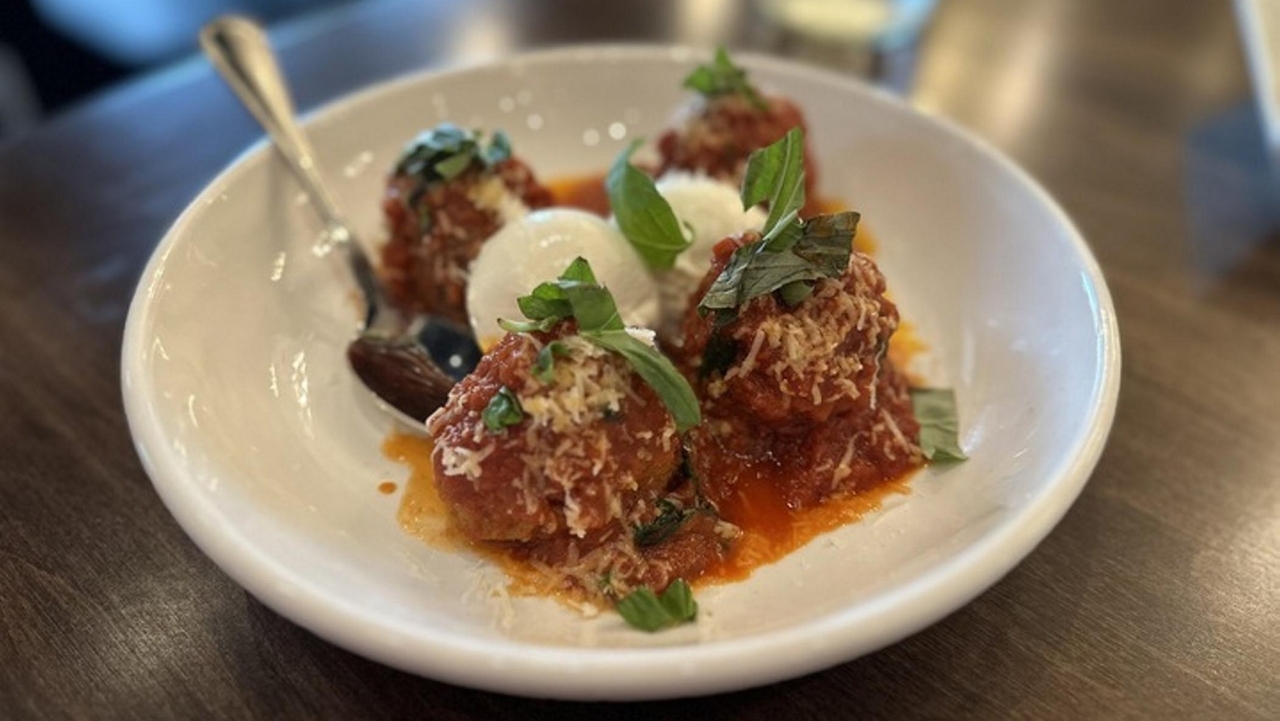
The behind-the-scenes look at the kitchen shows how the chef prepares the meatballs - first by chopping and stuffing frozen veal into a meat grinder. White Italian bread, milk, and egg - classic meatball ingredients - pair with sheep's milk cheese, scallions, caramelized onions, Italian seasonings, and more to form the base of the meatballs.
Food & drink
E-Commerce
fromEntrepreneur
1 month agoThis Mom's 'Almost Like Magic' Side Hustle Averages $12K a Month - And She Got the Idea While Shopping at Whole Foods
Federica Mercuriello identified a market gap for fresh, perfectly portioned pasta and sauce kits made in Italy, invested $40,000 to launch Sausly, and achieved $12,000 monthly revenue with projected $400,000 annual revenue.
fromConde Nast Traveler
1 month agoThe Best Meatballs Do Not Exist, and Other Lessons I Learned in Italy
The "best" meatballs do not exist, at least according to Elvira, who is not technically a nonna. Though she did fit a particular American idea of the "nonna" with her stern rebukes about the tiny departures I took from her meatball recipe. She had hurried over to her daughter's friend's home on a Thursday night with short notice when she learned that a journalist would be in Rome trying to find the absolute best way to make Roman-style meatballs.
Cooking
NYC food
fromTasting Table
1 month agoOne Of JFK Jr.'s Favorite NYC Restaurants Is Still Nearly Impossible To Book - Tasting Table
Rao's in East Harlem operates on a 'table rights' system where most of its 10 seats are permanently reserved for original patrons, making reservations nearly impossible to obtain despite over a century of acclaimed Italian cuisine.
fromEater Portland
1 month agoDimo's in Kerns Excels at Multi-Hyphenate Italian Dining
Depending on what door you use and when you get there, Dimo's can be a pizzeria, a deli, a supper club, or a sit-down Italian restaurant. Splitting focus like that usually leads to compromises on quality, but Dimo's inexplicably excels in every department. Dimo's Italian Specialties (the door on the right) operates in deli mode from 11 a.m. to 4 p.m. Wednesday through Sunday, and switches to a dinner menu starting at 5:30 p.m. Thursday through Sunday.
Food & drink
fromBoston Magazine
1 month agoA Massive Suburban Italian Restaurant Is Reborn
How does a suburban mainstay keep things fresh after over a decade? Rebrand, renovate, and double down on private events. Burlington's Tuscan Kitchen reopens on February 20 as Sorella, "the cool younger sister" of the previous restaurant, says owner Joe Faro. With a lighter, modernized design, bigger bar, and more space for parties, it's "an energized, contemporary look" at what Faro's growing Italian-food empire, Tuscan Brands, is today.
Food & drink

fromTasting Table
1 month agoOne Tangy Ingredient Gives This Classic Italian Sauce A Gourmet Edge - Tasting Table
Italian cuisine is among the most famous in the world, and for good reason. Iconic dishes like pizza and pasta are fan favorites no matter where you are in the world. And these two categories of Italian food in particular showcase the most classic Italian sauce, red sauce. Red sauce can be a stewed tomato sauce or a simple marinara sauce. While traditional recipes uphold strict standards that ban certain ingredients, an unconventional yet gourmet upgrade to Italian tomato sauces is balsamic vinegar.
Food & drink
[ Load more ]