#media-ownership
#media-ownership
[ follow ]
#press-freedom #political-influence #cbs-news #editorial-independence #murdoch-family #bari-weiss #layoffs





Media industry
fromwww.mediaite.com
1 month agoJon Stewart Marvels at Breathtaking' Trump Corruption' and Makes Stunning Prediction About CNN Takeover
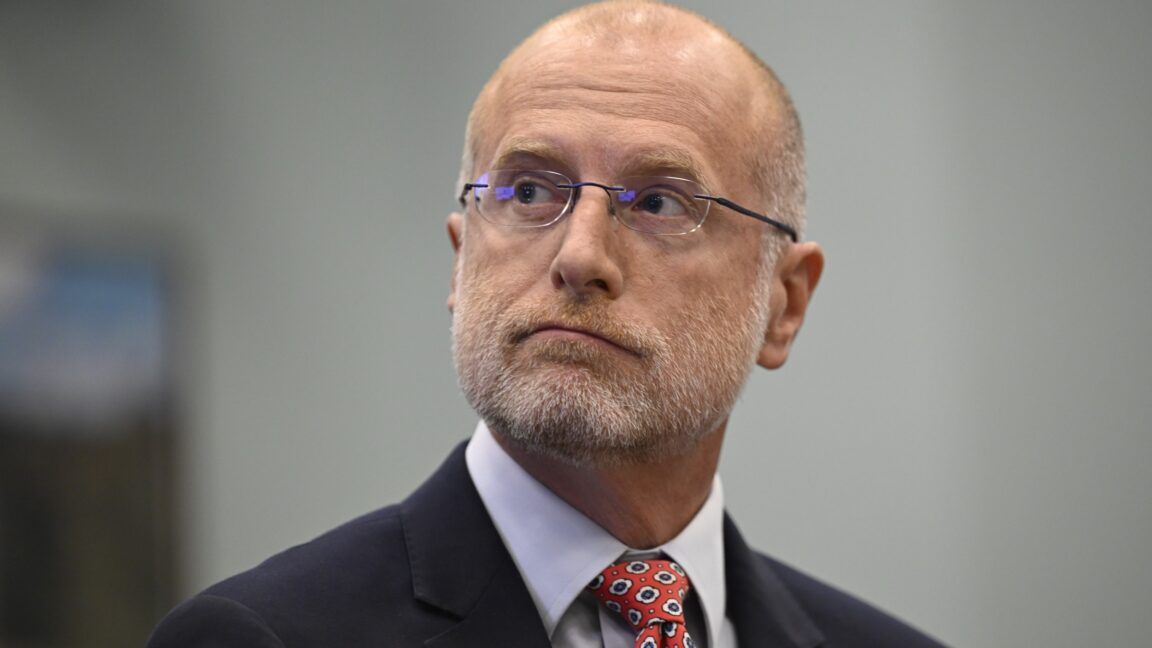
Jon Stewart warns that Trump could pressure David Ellison to hand over media properties to Trump's family after Ellison acquires Warner Bros. Discovery, citing potential FCC approval leverage and Trump's personal animosity toward CNN.
#editorial-independence
Media industry
fromwww.mediaite.com
1 month agoCNBC Host Grills David Ellison on Whether CNN Will Be More Beholden to the Trump Administration' After He Buys It
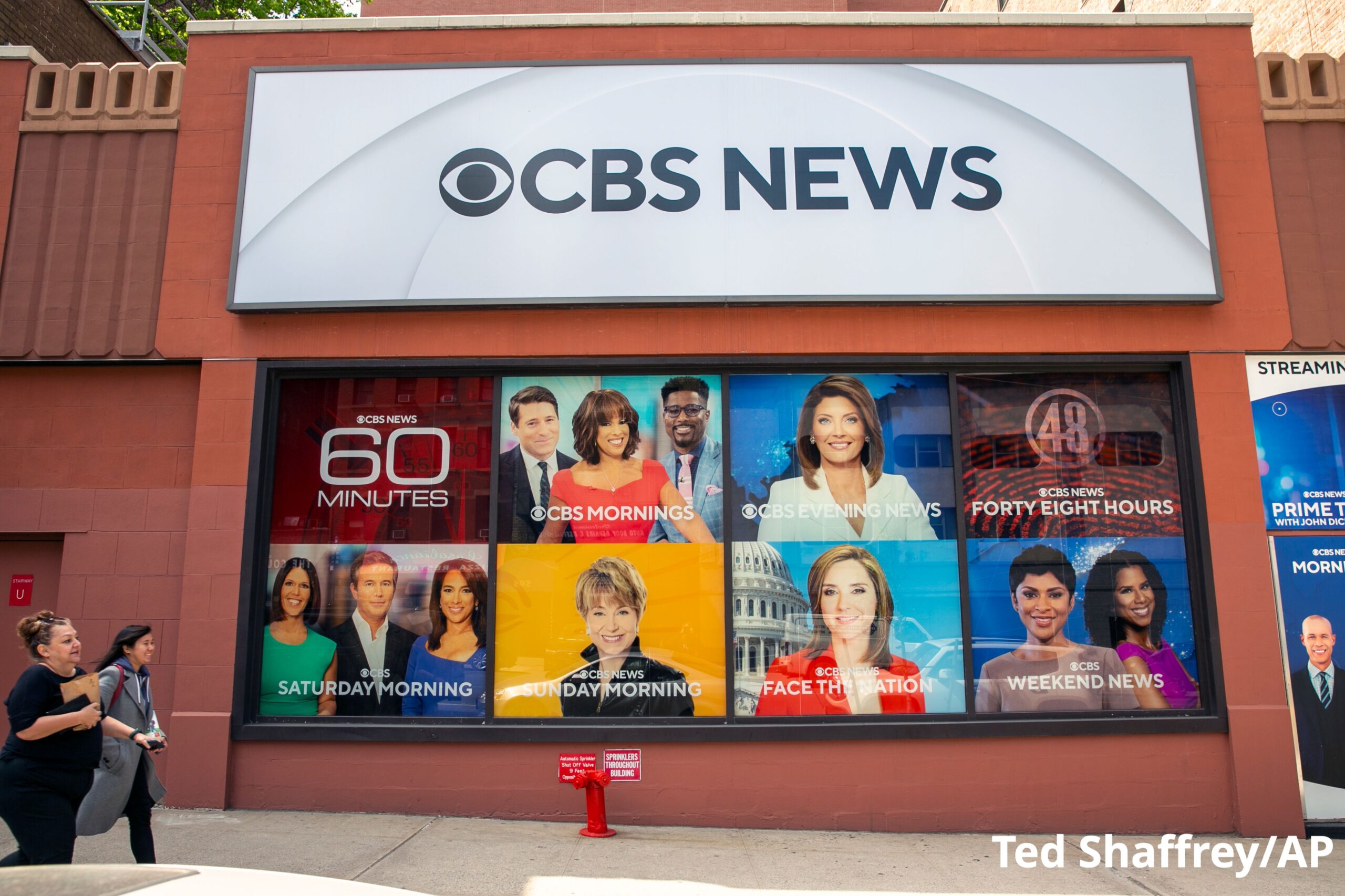
David Ellison pledges editorial independence at CNN while facing concerns about potential Trump administration influence following his CBS takeover.
fromwww.theguardian.com
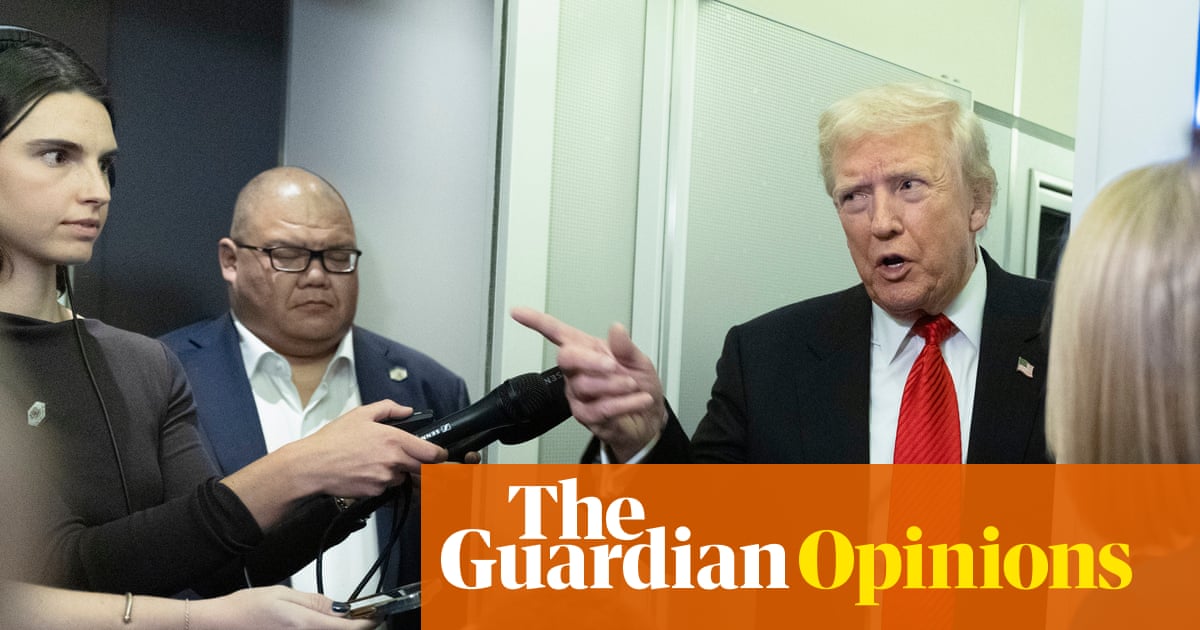
1 month agoTrump just got much closer to bringing CNN to heel | Margaret Sullivan
For many years, Donald Trump has trashed CNN and has taught his loyal followers to do the same. During the 2016 presidential campaign, angry chants of CNN sucks! reverberated at his campaign rallies, and he still jumps at every opportunity to disparage star CNN journalists such as Kaitlan Collins. He charges that the cable network is dishonest and biased against him.
US politics
fromwww.mediaite.com
1 month agoCNN Isn't About to Go MAGA. But It Does Need Fresh Ideas
A sitting president publicly signaling that he wants CNN sold is corrosive. It is abnormal for the White House to treat the ownership of a major news network as a matter of personal interest. When regulatory atmospherics appear to align with presidential preference, that warrants scrutiny.
US politics


Media industry
fromwww.theguardian.com
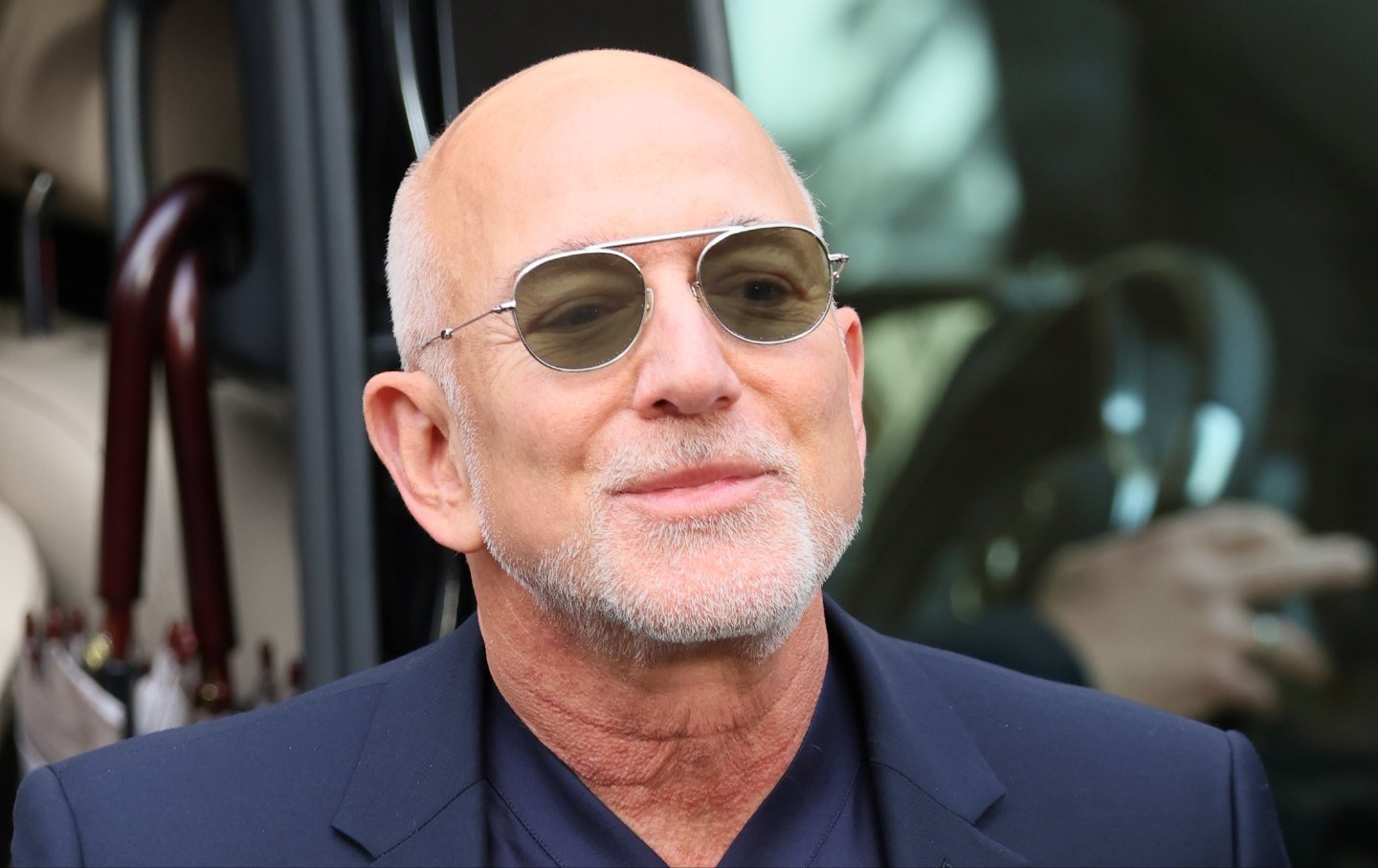
2 months agoLearn this from Bezos and the Washington Post: with hypercapitalists in charge, your news is not safe | Jane Martinson
Bezos' ownership and recent mass layoffs at the Washington Post show how ultra-rich owners can decimate journalism to serve power, influence, or personal interests.

Media industry
fromFortune
2 months agoJeff Bezos' mass layoffs at the Washington Post a 'case study in near-instant, self-inflicted brand destruction,' former editor says | Fortune
The Washington Post eliminated one-third of its staff, closing sports, several foreign bureaus, and books coverage in major newsroom cuts.


fromPoynter
3 months agoFlorida billionaire takes control of Lee Enterprises, easing debt and reshaping its leadership - Poynter
This transaction strengthens the Company's balance sheet and reflects the Board's determination to take decisive action. With improved financial stability and a clear governance framework in place, the focus can now be on disciplined execution and long-term value creation.
Business
fromwww.mediaite.com
3 months agoCBS News Announces We Love America' Revealing Lost Authority
One has drawn outsized attention: We love America. And we make no apologies for saying so. That reaction is the story, not the value itself. For most of broadcast history, such a declaration would have been unnecessary. Patriotism was implied. It lived in the authority of the anchor chair, the cadence of the broadcast, and the institutional confidence of the networks. Love of country was not a value statement. It was the background condition.
Media industry
Media industry
fromwww.mediaite.com
3 months agoGeorge Clooney Torches CBS, ABC for Caving to Trump Lawsuits And Trashes Bari Weiss
CBS and ABC settled defamation suits brought by President Trump, a decision criticized as enabling diminished journalistic accountability and harming public ability to discern reality.
fromThe Atlantic
3 months agoStop Defending Bari Weiss
The year is 2029. President Alexandria Ocasio-Cortez, having spent years raging against Fox News as a propaganda organ whose very operation is illegal, has found a pressure point to control it. She enables its sale to owners who are friends of hers, and whose business depends on regulatory favors she has made a practice of doling out to allies. As the new editor in chief of Fox News, the owners install Tim Miller, a skeptic of conservatism who has never previously worked in television news.
US politics
fromenglish.elpais.com
4 months agoMedia and political earthquake in Italy over sale of La Repubblica' and La Stampa', the two main opposition newspapers
La Repubblica and other media outlets belonging to the GEDI group, such as the Italian edition of the Huffington Post and three radio stations (M20, Deejay, and Capital), could end up in the hands of the Antenna group, headed by Greek businessman Theodore Kyriakou, a conservative and ally of U.S. President Donald Trump. Kyriakou is also a partner in Greece of Saudi Crown Prince Mohammed bin Salman, whose PIF fund holds a 30% stake in Antenna Greece BV.
Miscellaneous
fromwww.theguardian.com
4 months agoIt's the media's job to hold power to account. This year, too many got into bed with it instead | Arwa Mahdawi
Almost a decade ago I decided to quit my well-paid job in advertising in order to pursue a precarious career in freelance journalism. The merits of that decision are up for debate but the real stupidity is in how I quit my job: I wrote a rather cringeworthy column for the Guardian about my meaningless job in advertising and publicly proclaimed that I'd decided to quit.
Media industry


fromFuturism
4 months agoBrace for Disaster as the Washington Post Launches an AI-Generated Podcast
As such, the Washington Post announced this week that it's launching an AI-based podcast service that allows listeners to pick their own format and even their own disembodied AI host. The "Your Personal Podcast" is now available to users on the newspaper's mobile app as of today - but whether anybody will pick up on the company's offer to be inundated with potentially misinformed AI slop remains to be seen.
Media industry
UK politics
fromwww.theguardian.com
4 months agoUnelected power' of ultra-rich is reshaping British politics, report claims
Unelected influence in Britain has grown alongside rising wealth concentration, driven by ultra-rich power, increased political donations, more appointed Lords, and concentrated media ownership.
fromwww.theguardian.com
4 months agoLord Rothermere's Telegraph takeover extends rightwing's reach over British media
As the dust settles from the battle for the ownership of the Daily Telegraph, one man has been left standing: Lord Rothermere, whose family have been a mainstay of British newspapers for more than a century. This is a very British stitch-up, said Lionel Barber, the former editor of the Financial Times. Lord Rothermere has played a very astute poker hand, he's shown patience and he's the big winner.
Media industry
fromwww.independent.co.uk
5 months agoTelegraph sale collapses as RedBird pulls out of 500m deal to buy newspaper
From reproductive rights to climate change to Big Tech, The Independent is on the ground when the story is developing. Whether it's investigating the financials of Elon Musk's pro-Trump PAC or producing our latest documentary, 'The A Word', which shines a light on the American women fighting for reproductive rights, we know how important it is to parse out the facts from the messaging.
Media industry

Miscellaneous
fromIndependent
5 months agoDenis O'Brien sued by lawyers over 'unjustified attack' in press release which 'suggested they acted for IRA'
Two solicitors, Darragh Mackin and Gavin Booth, say Denis O'Brien's press release unjustifiably defamed them over a report on media ownership concentration.
fromPoynter
5 months agoA few months into its new era, '60 Minutes' still feels like '60 Minutes' - Poynter
Here's another that aired Sunday night: correspondent Bill Whitaker reported on Trump's battles with elite universities over accusations of liberal bias and antisemitism. He has threatened to cut their federal funding for research. If Trump were to follow through on more of those threats, it could jeopardize research into potentially life-saving advances in medicine and severely limit scientific progress. Harvard scientist Don Ingber told Whitaker, "We are truly putting the brakes on scientific innovation in this country at a time when our ostensible adversary, China, is going faster and faster and faster."
US politics

Media industry
fromwww.npr.org
6 months agoThe Root returns to Black ownership. Here's how Ashley Allison is reimagining it
Black-owned media face unique and shared financial strains—declining ad revenue, uncertain digital models, smaller audience share, and subscription limits—forcing closures, downsizing, or reinvention.
fromNieman Lab
6 months agoMSNBC and Bari Weiss's CBS News both just laid out their journalistic principles - and they're fascinatingly different
1. Journalism that reports on the world as it actually is. 2. Journalism that is fair, fearless, and factual. 3. Journalism that respects our audience enough to tell the truth plainly - wherever it leads. 4. Journalism that makes sense of a noisy, confusing world. 5. Journalism that explains things clearly, without pretension or jargon. 6. Journalism that holds both American political parties to equal scrutiny. 7. Journalism that embraces a wide spectrum of views and voices so that the audience can contend with the best arguments on all sides of a debate.
Media industry
Arts
fromOregon ArtsWatch * Arts & Culture News
6 months agoRead our 2024-2025 annual report and discover our impact far beyond the state * Oregon ArtsWatch
Independent local journalism sustains high-quality arts and news coverage, defying corporate pressures while expanding readership, donations, and coverage amid threats to truth and funding.
fromBusiness Matters
7 months agoForester de Rothschild to sell 400m stake in The Economist in biggest ownership shake-up in a decade
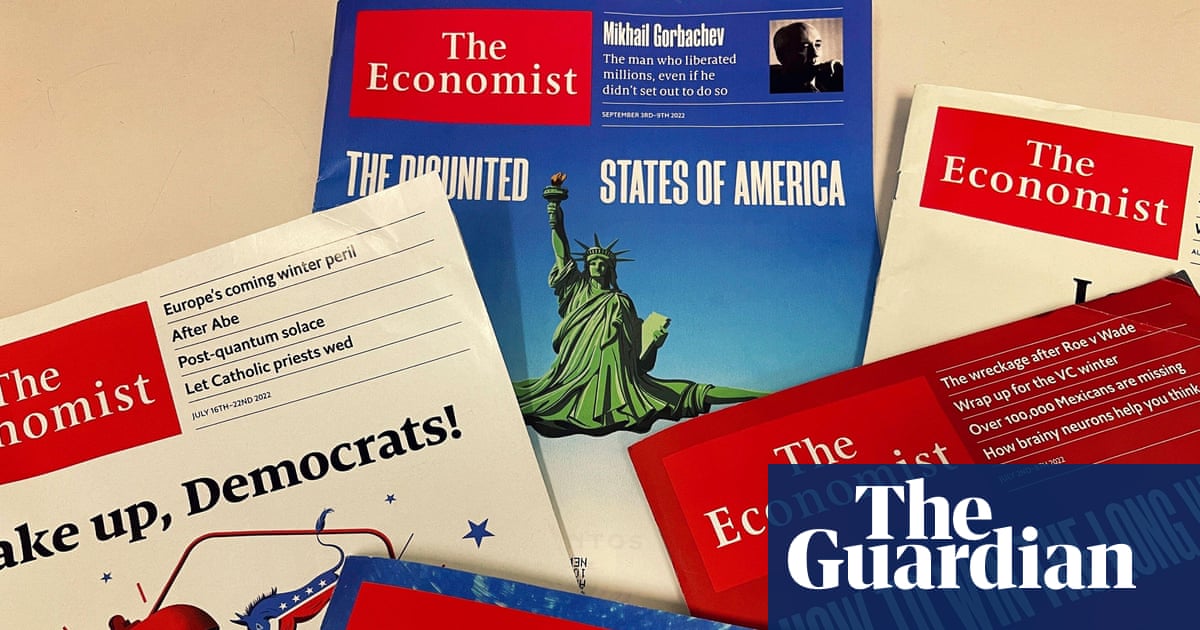
Lynn Forester de Rothschild is preparing to sell her 20 per cent interest in The Economist, paving the way for the most significant change in the 182-year-old publication's ownership since 2015. The British-American financier, 71, has appointed investment bank Lazard to oversee the process, which remains at an early stage. The stake, made up of voting shares, could fetch as much as £400 million based on current valuations of the premium media group.
Media industry


fromwww.theguardian.com
9 months agoMinisters refuse to name companies that lobbied them over foreign ownership of UK newspapers
The government's recent adjustment to foreign ownership laws for British newspapers, allowing 15% foreign ownership, reflects ongoing tensions around media influence and transparency.
UK news
[ Load more ]