Apple
fromComputerworld
1 month agoThe new M5-based MacBook Air is built to last - and perform
The new MacBook Air features the M5 chip, enhancing performance with faster CPU, GPU, memory, and SSD storage.
On paper, Positron's next-gen Asimov accelerators, no doubt named for the beloved science fiction author, don't look like much of a match for Nvidia's Rubin GPUs. Yet, the Arm-backed AI startup boasts its inference chip will churn out five times as many tokens per dollar while using one-fifth the power of Nvidia's latest accelerators to do it. Those are certainly some bold claims, which the company contends are possible because the chip was designed to support large-scale inference workloads.
It's important to note that this was all tested on the X2 Elite Extreme configuration, which comes with six additional CPU cores over the standard X2 Elite. There were no X2 Elite systems to test, so we don't know what those multi-core scores will be. I've been told that GPU performance will also scale up on the X2 Elite, but we don't yet know how much faster the X2 Elite Extreme is over its sibling.
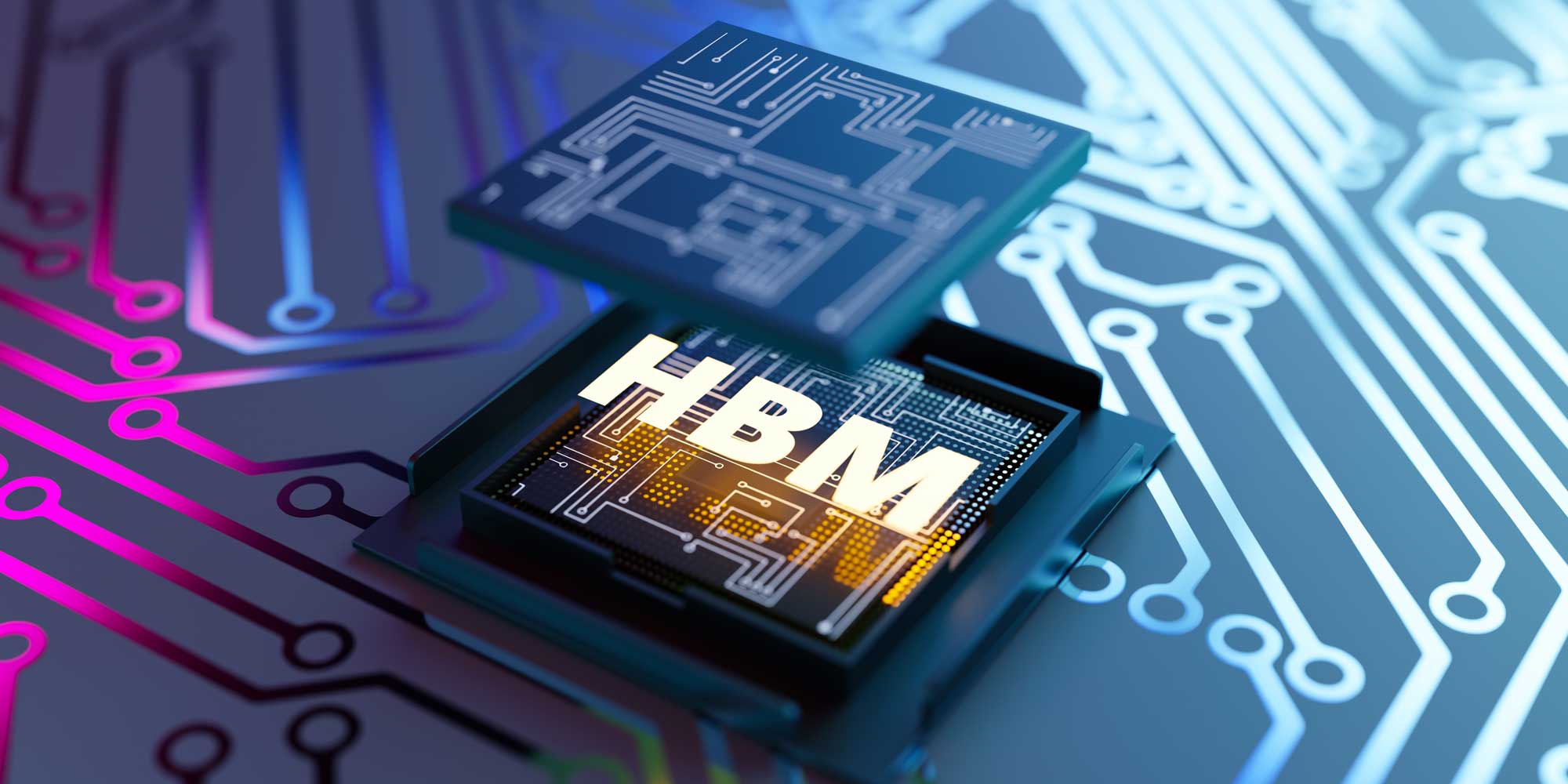
AI workloads are already expensive due to the high cost of renting GPUs and the associated energy consumption. Memory bandwidth issues make things worse. When memory lags, workloads take longer to process. Longer runtimes result in higher costs, as cloud services charge based on hourly usage. Essentially, memory inefficiencies increase the time to compute, turning what should be cutting-edge performance into a financial headache.