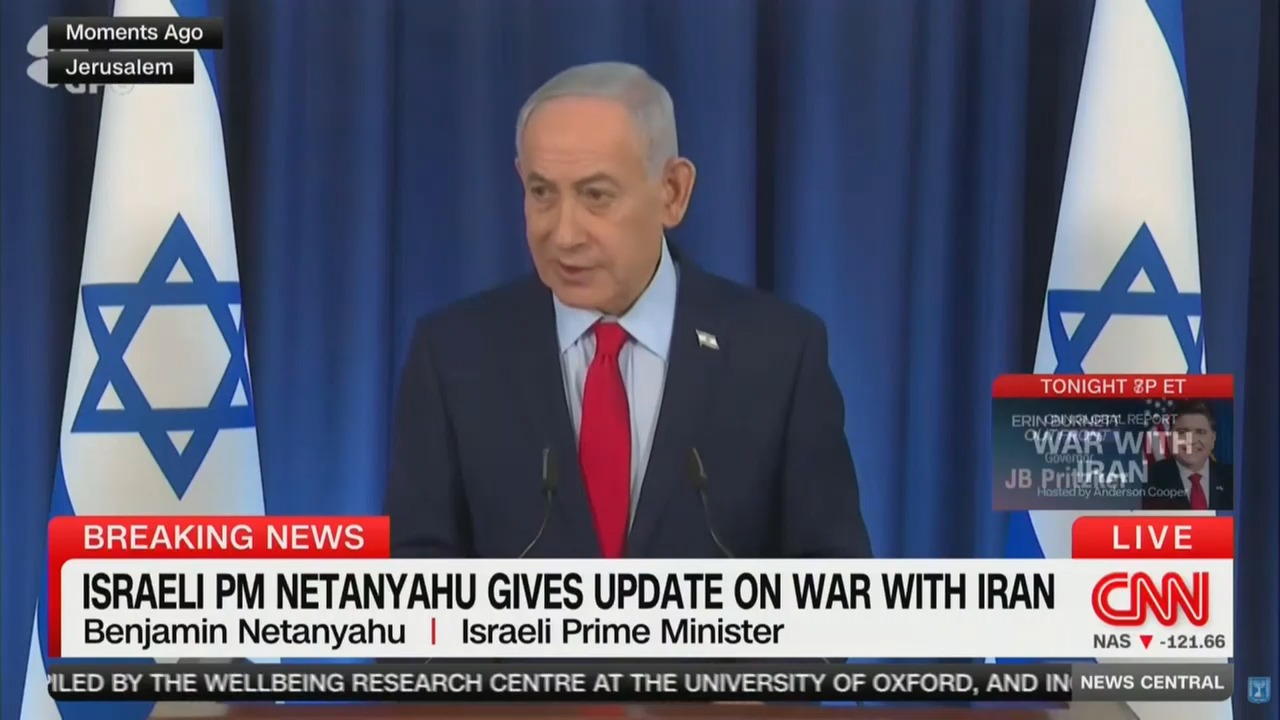
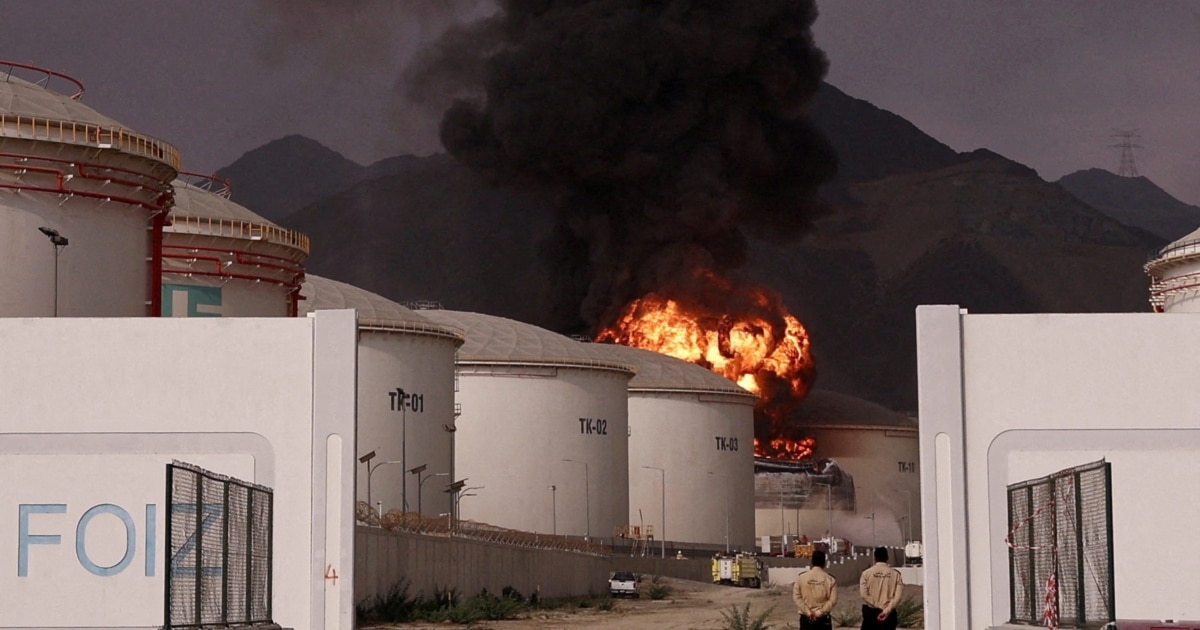
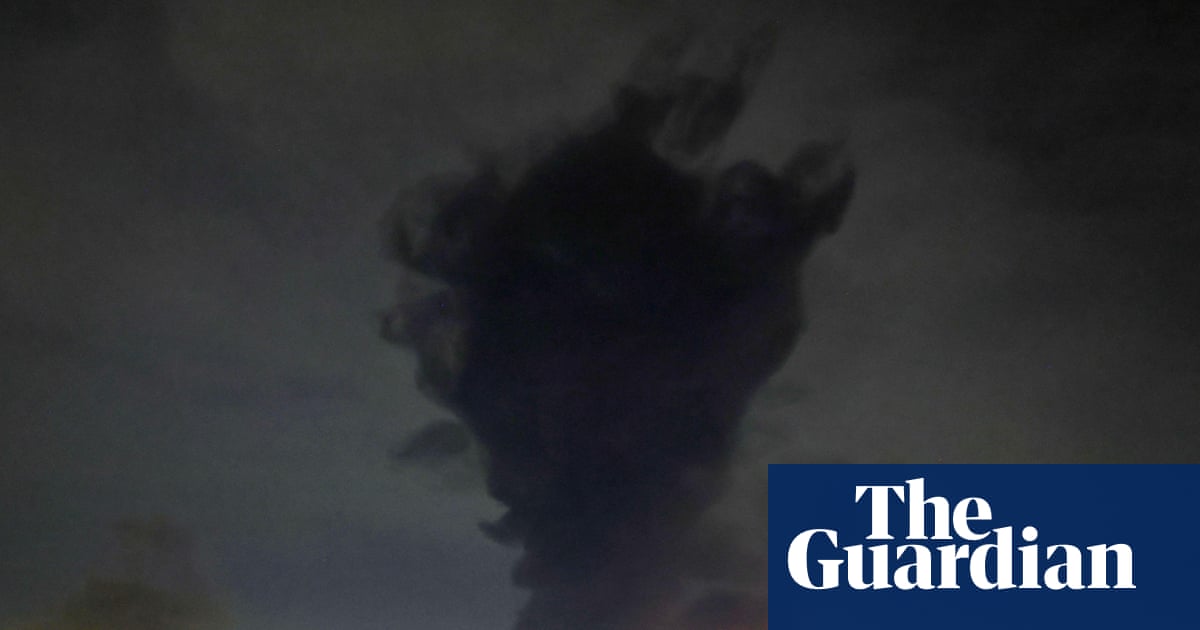
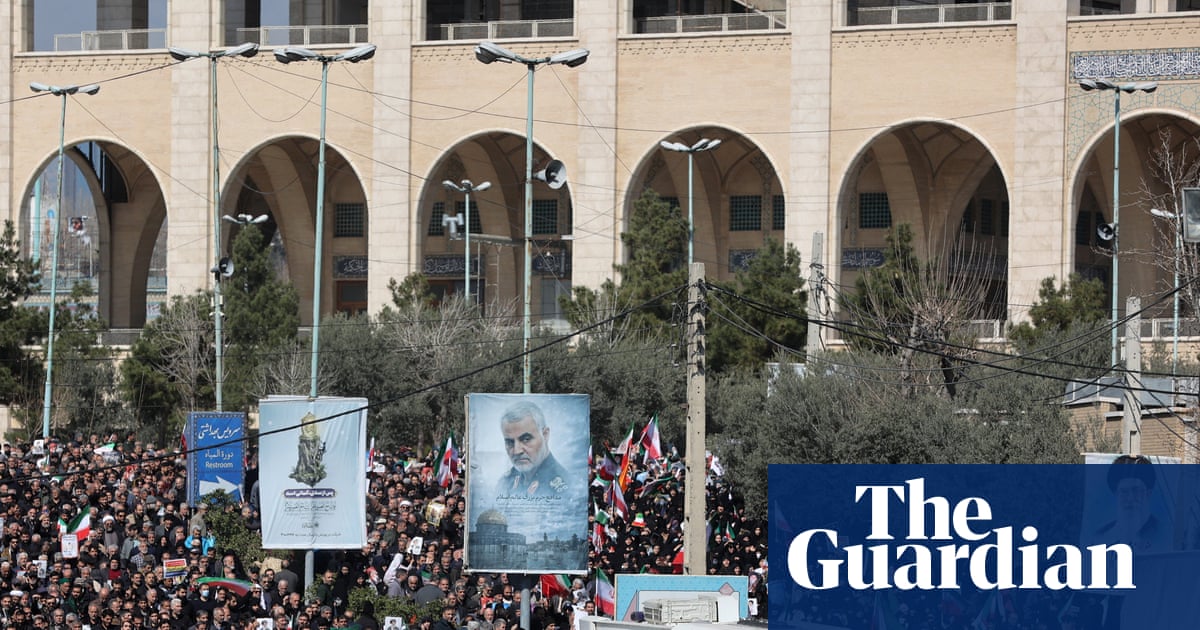
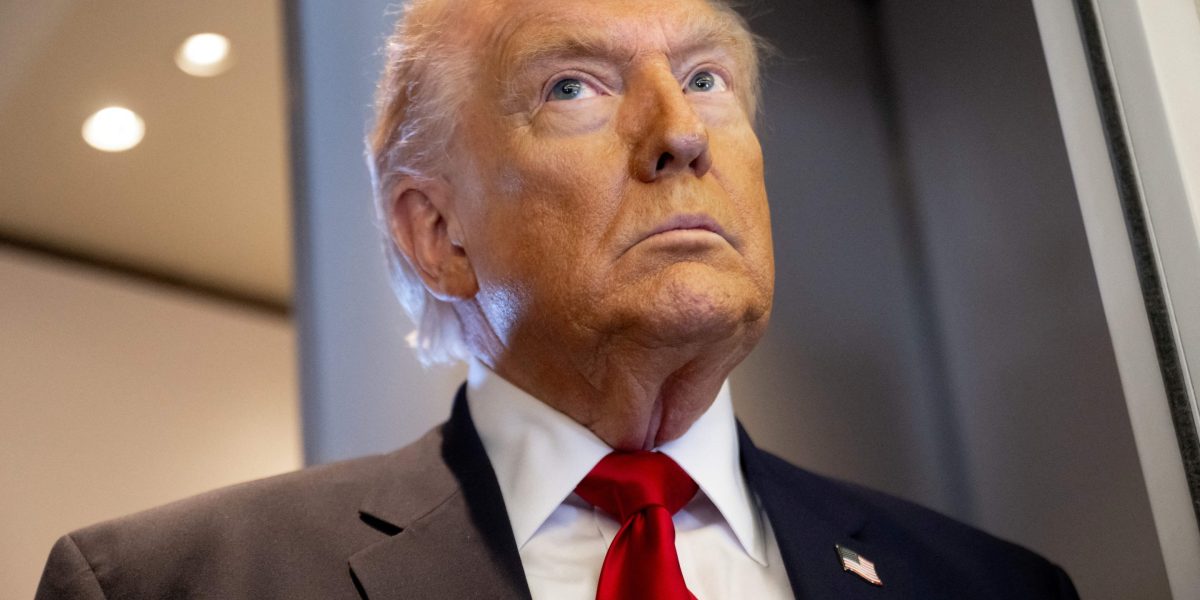
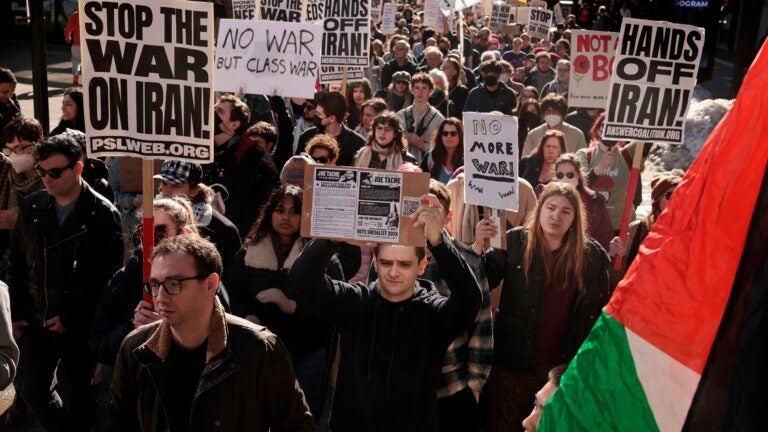
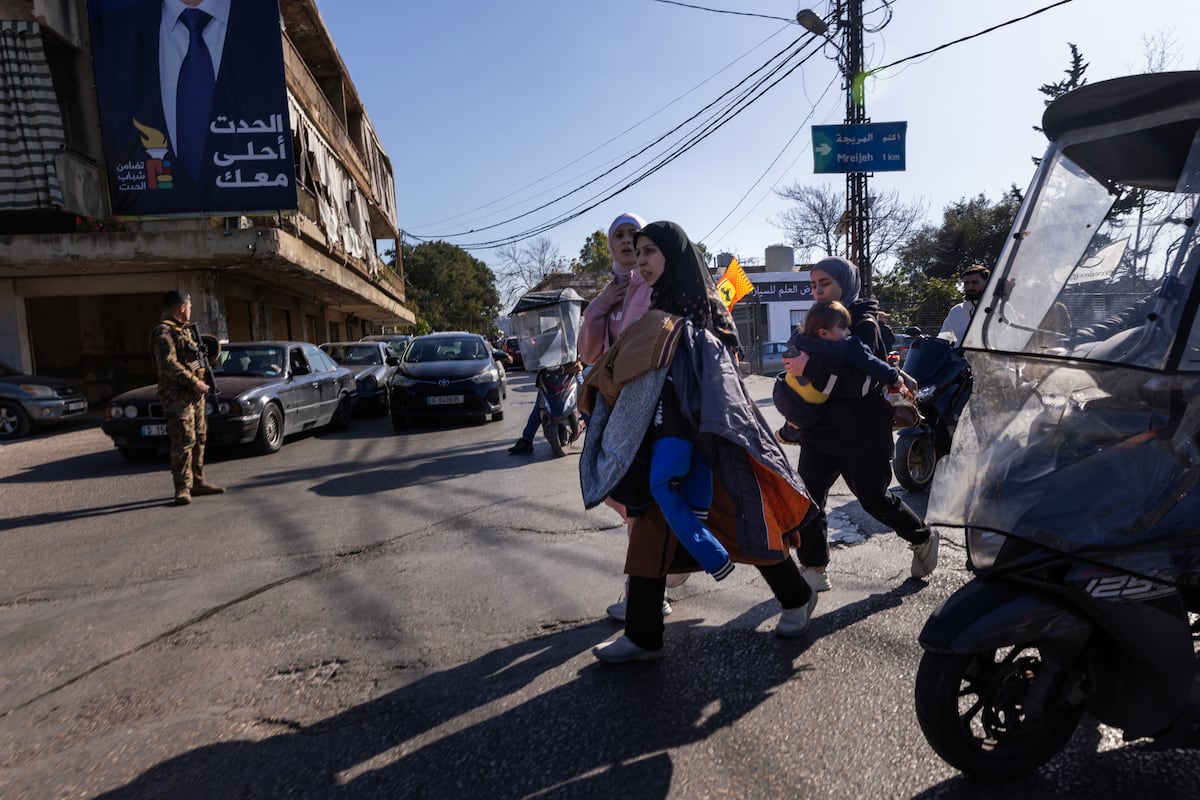
The U.S. and Israel conducted attacks on Iran early Saturday after weeks of negotiations and the biggest military build-up since the war in Iraq. The airstrikes follow the 12 Day War last June, when the U.S. joined Israel's air campaign to target Tehran's nuclear facilities. While President Donald Trump had reportedly considered limited attacks on the regime, sources told CNN that the U.S. involvement was "not a small strike."
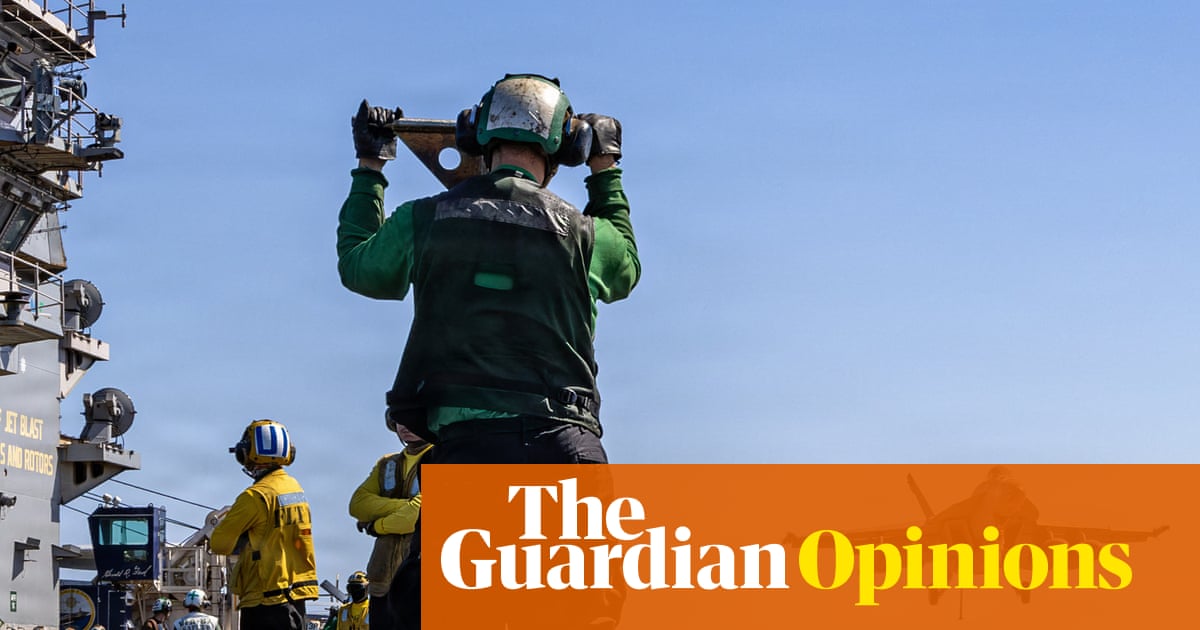
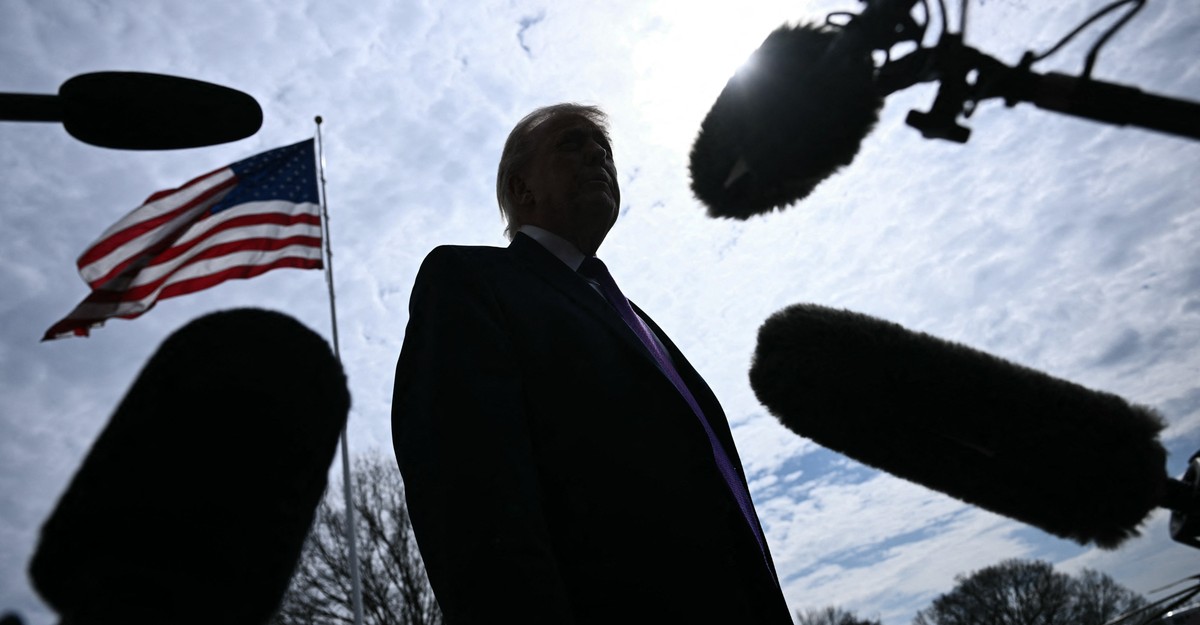
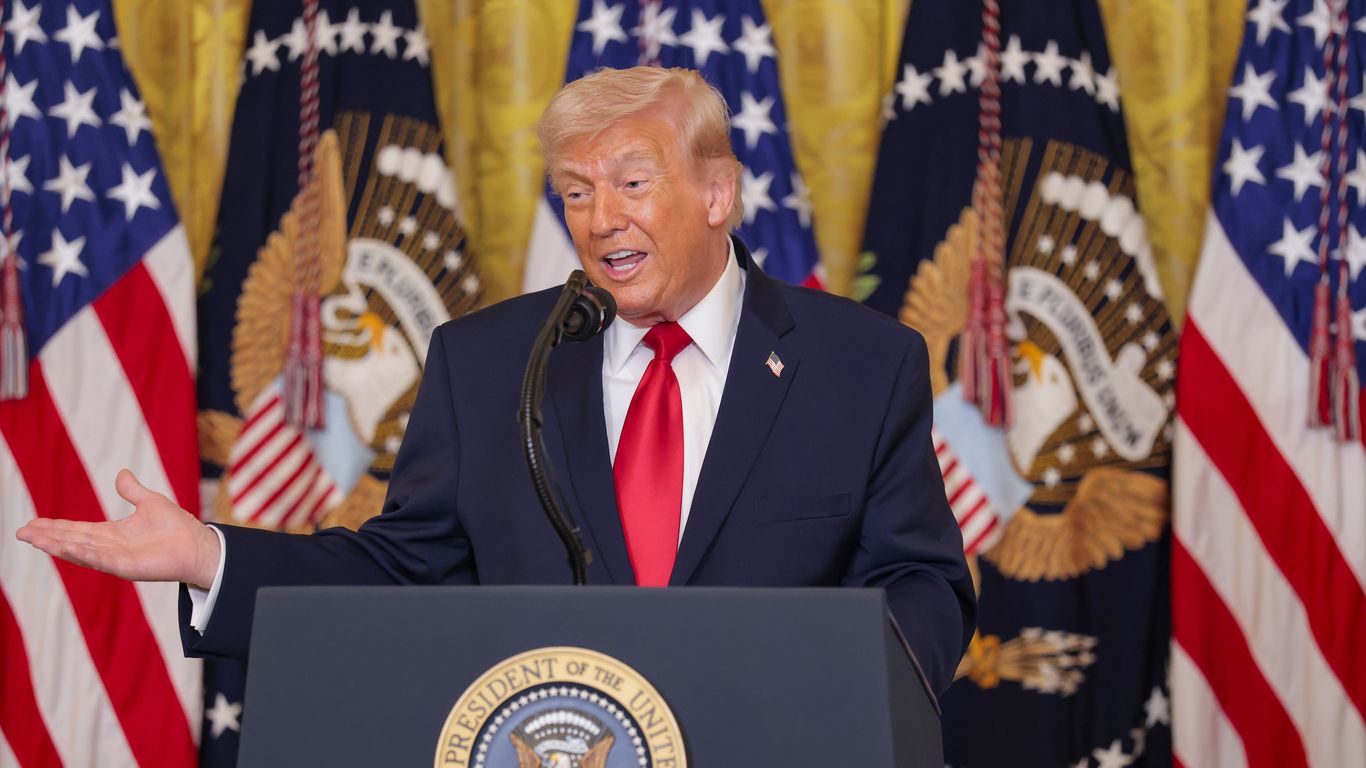
Fast forward to the present day, and Trump is threatening an even bigger attack, and backing up the threat with a large-scale movement of US military assets, including an aircraft carrier, towards Iranian waters. Trump says that these threats are his way of convincing the Iranians to agree to a deal reported to include demands to effectively end Iran's nuclear programme, limit its ballistic missile programme, and stop support for allies across the Middle East.
The shadow fleet used by Russia, Iran and Venezuela to avoid western sanctions and ship cargo to customers including China and India is exploding in its scale and scope, and there are concerns that efforts to counter it are drawing closer to dangerous military confrontations. Complicating the issue is that Russia has begun putting its own flag on some former shadow fleet tankers, in an open challenge to Europe.
In recent months, Trump has dispatched covert CIA operatives to Venezuela, vowed to crack down on the country's drug gangs, sought mass deportations of Venezuelans from the US, sent the world's largest aircraft carrier to the region, as well as 15,000 troops and fighter jets and also sunk dozens of alleged "drug boats," leading to a reported 87 deaths. But how has it come to this?
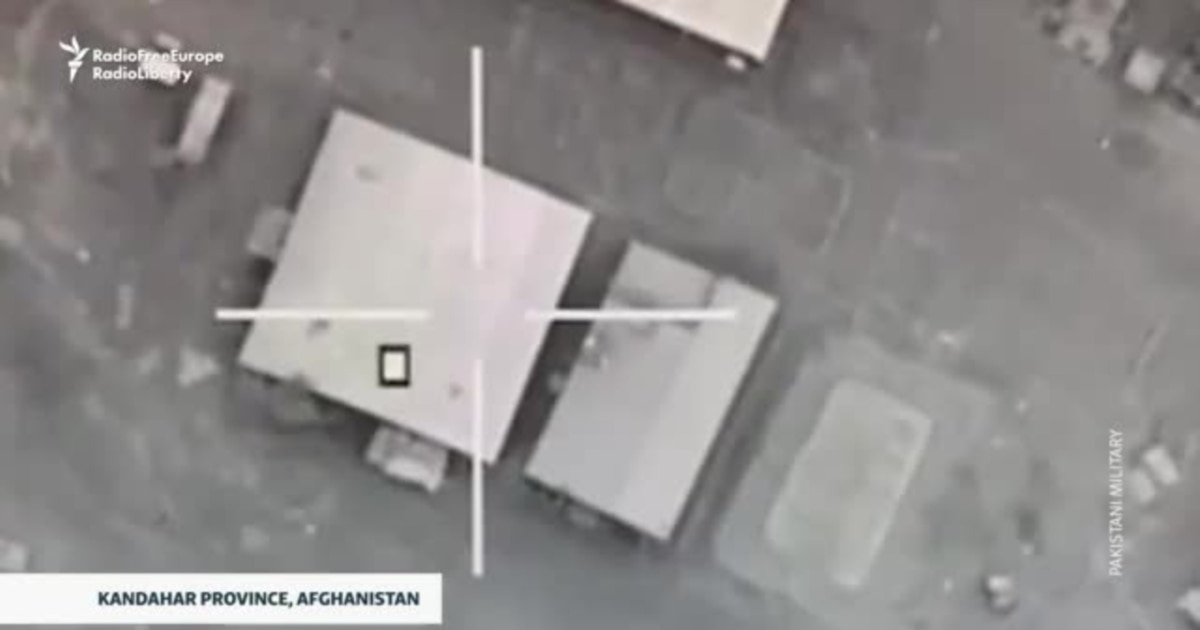
In May after four days of fighting with Pakistan, Indian Prime Minister Narendra Modi declared any future act of terror will be treated as an act of war by his government. New Delhi had blamed Islamabad for an attack in Indian-administered Kashmir's Pahalgam in April that killed 25 tourists. Islamabad denied India's allegations, but in early May, India launched aerial attacks deep inside Pakistani territory, sparking a brief but intense air war in which the South Asian neighbours bombed each other's military bases.
Israel has breached the Gaza ceasefire with Hamas, killing dozens of Palestinians. Israel says it's returned to the Gaza ceasefire after launching a wave of air strikes on Sunday, killing more than 40 Palestinians. It blamed Hamas for the breach, saying its fighters were responsible for an attack that killed two Israeli soldiers. Hamas denies breaking the ceasefire. The violence was a reminder for Palestinians that Israel is willing to suspend peace, and unleash its firepower, whenever it sees fit.