#miniature-vinyl
#miniature-vinyl
[ follow ]
#vinyl-records #nostalgia #physical-media #bluetooth #record-store-day #music-industry #audio-equipment #vinyl
#vinyl-records


fromYanko Design - Modern Industrial Design News
1 month agoMusic
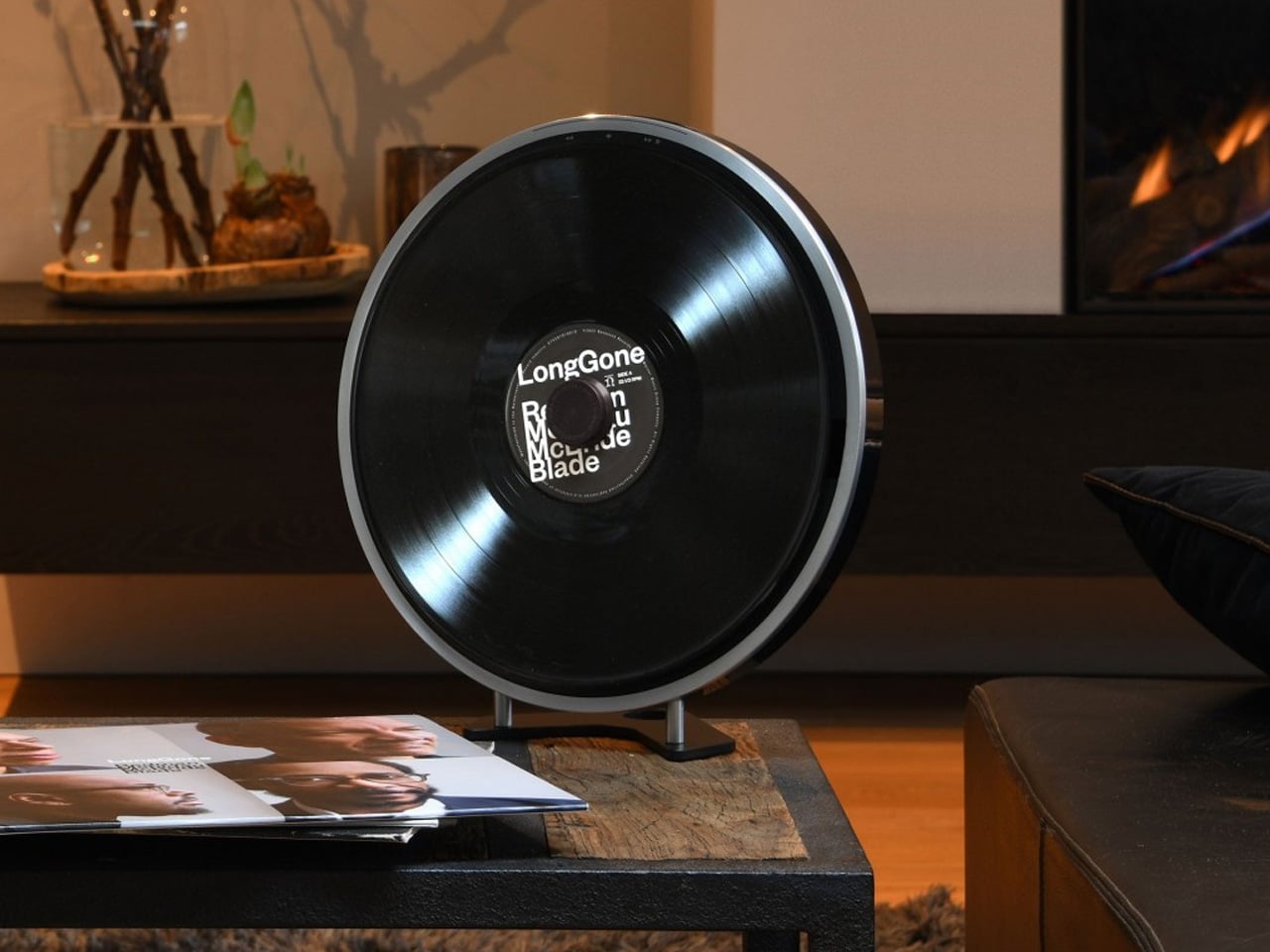
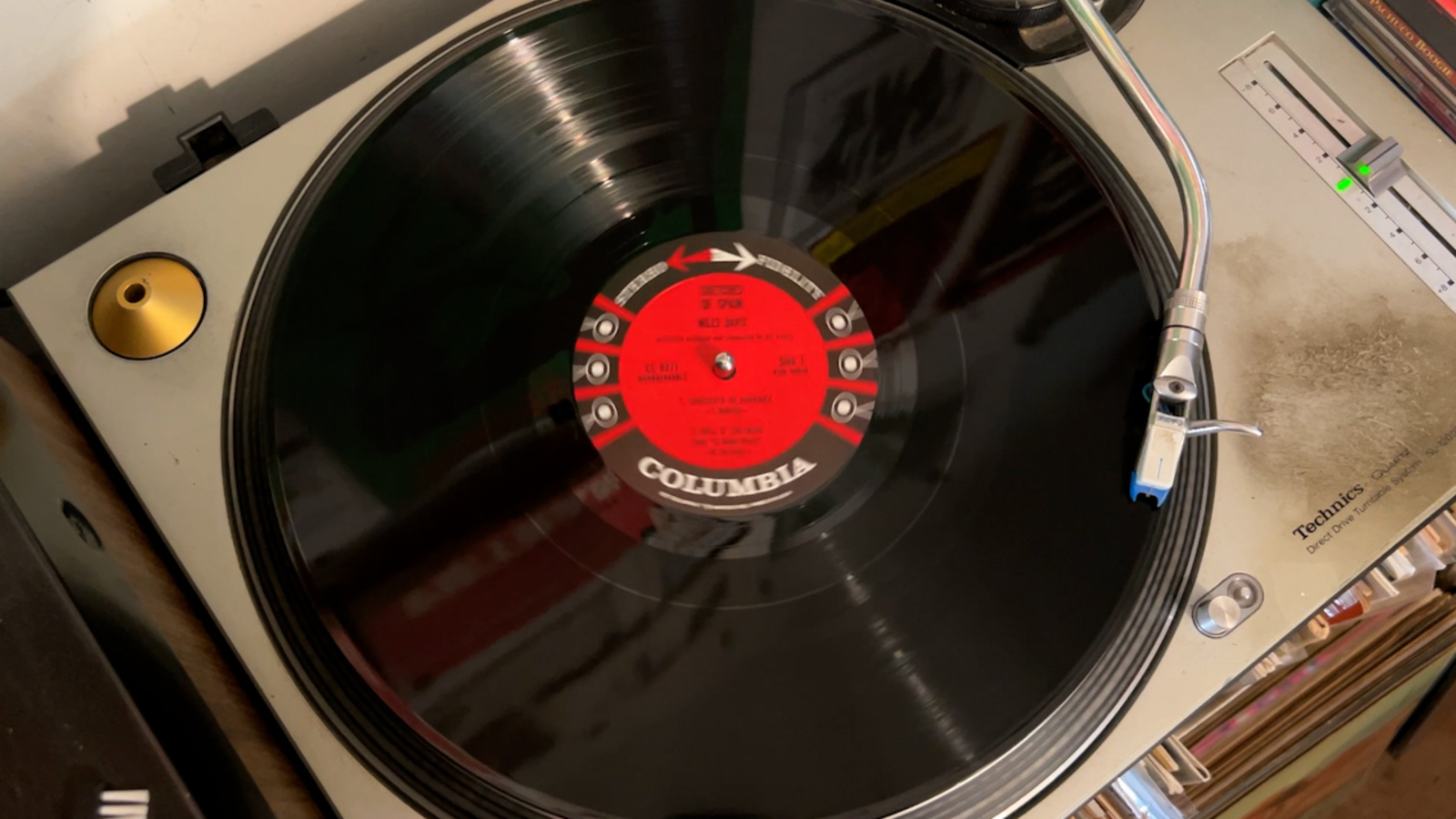
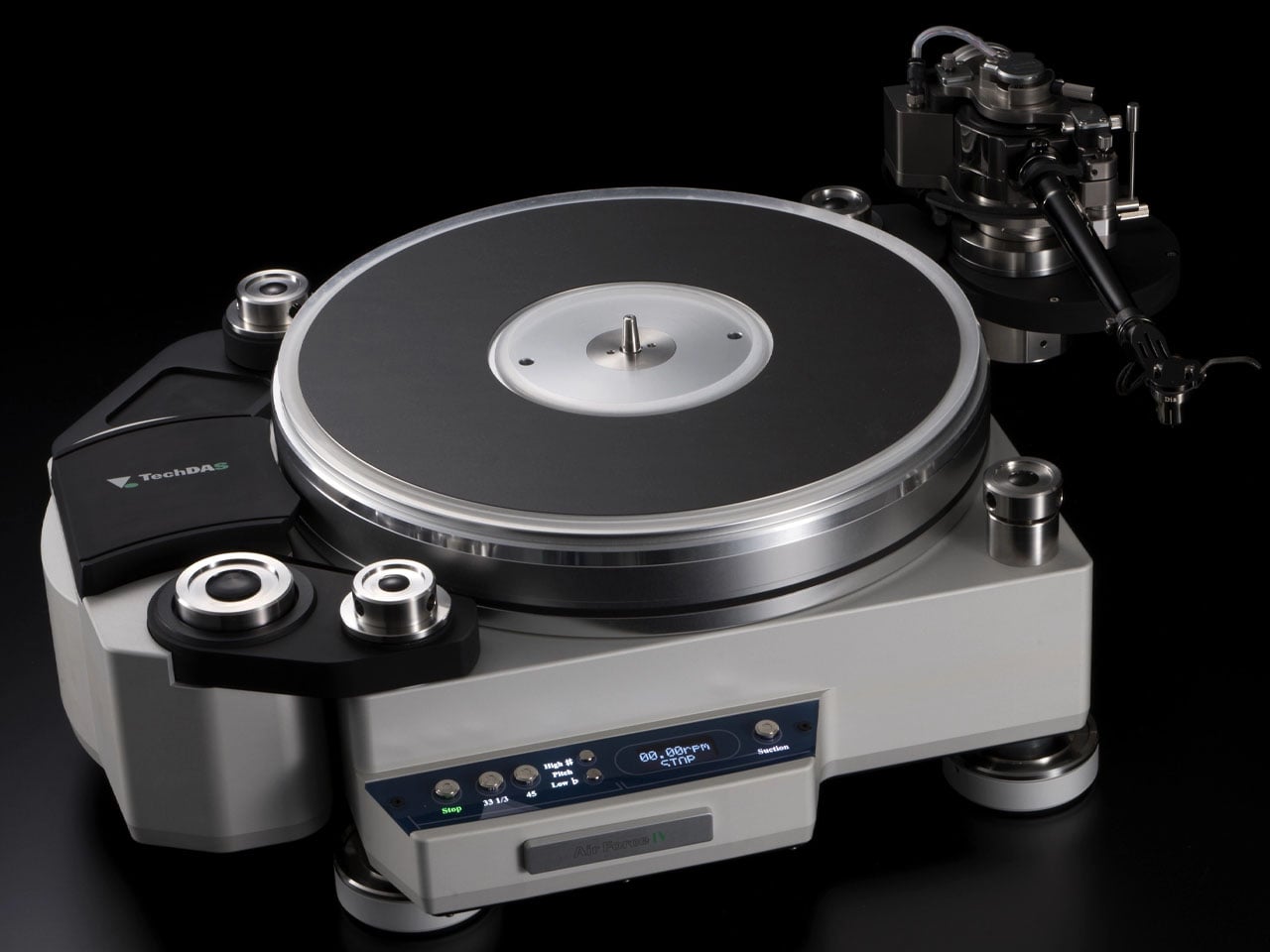
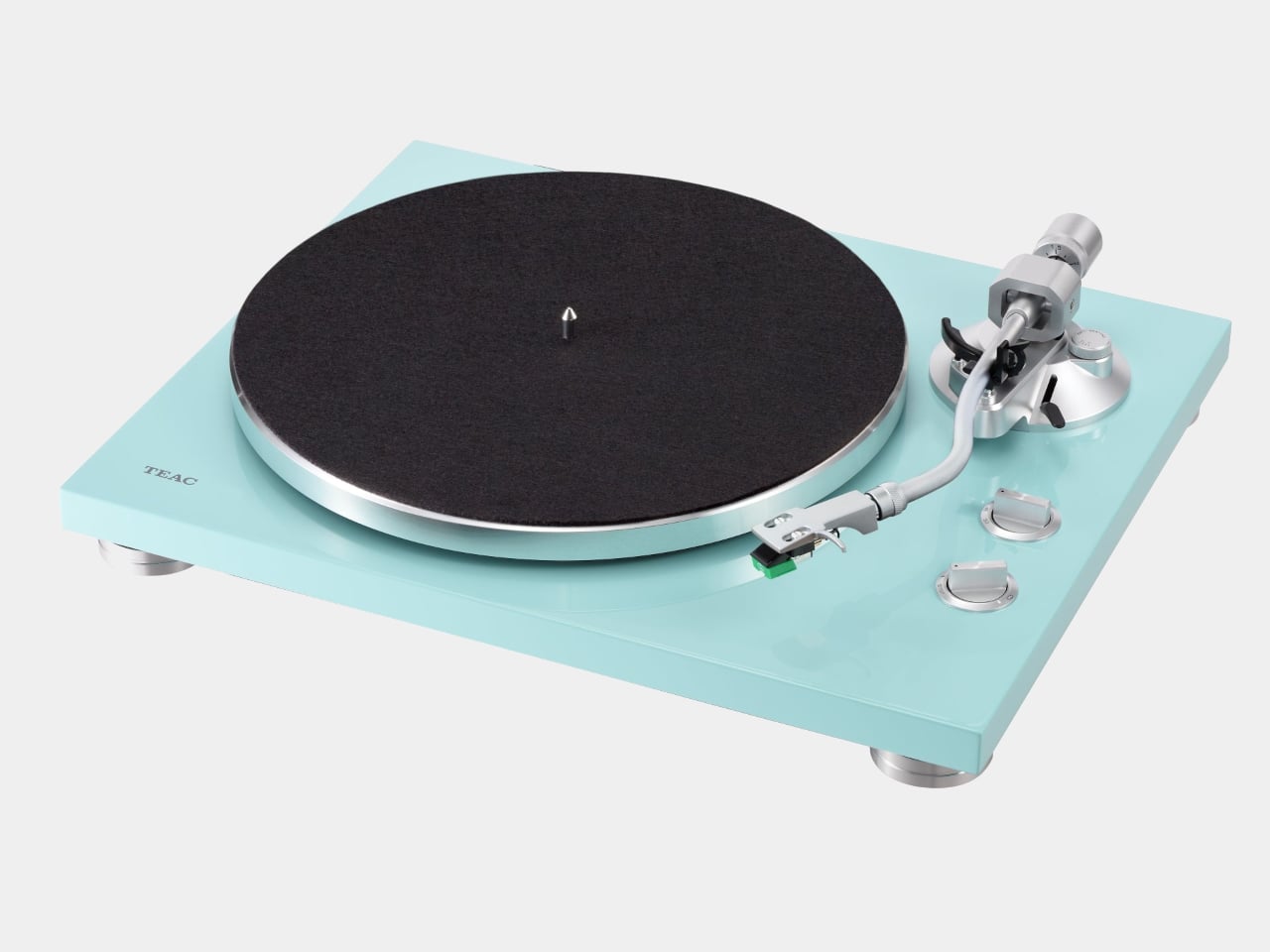
Forget Spotify: These 5 Designer Turntables Are the Real Reason Vinyl Is Having a Moment - Yanko Design
Vinyl's resurgence stems from listeners seeking intentional engagement with music through physical ritual rather than streaming's frictionless convenience.
Writing
fromwww.businessinsider.com
1 day agoI found boxes of my dad's McDonald's memorabilia from the '70s and '80s. I decided to sell them all.
A father's extensive collection of McDonald's memorabilia reflects his career and passion for collecting, revealing hidden treasures during a family downsizing.

fromYanko Design - Modern Industrial Design News
1 week agoThe CD Player Is Back - And These 7 Designs Are Gorgeous - Yanko Design
Streaming hasn't killed physical media. It's made us crave it more. CDs are back in rotation, showing up in record stores, apartments, and design studios with a renewed sense of purpose.
Gadgets
Graphic design
fromdesignboom | architecture & design magazine
1 week agozim & zou recreates vintage boombox and cassette tapes with handmade paper sculptures
Zim & Zou creates vibrant handmade paper sculptures of vintage boomboxes and cassette tapes, showcasing intricate details and a modern artistic approach.
UX design
fromYanko Design - Modern Industrial Design News
1 week agoMUJI-Meets-Cyberpunk Vinyl Record Player Glows Like an Ambient Light and Charges Wirelessly - Yanko Design
Minimalism in product design has become monotonous, prompting a shift towards more expressive and functional designs that enhance interior aesthetics.

fromBoston.com
2 days agoThis Newburyport record store just turned 50. Here's their secret.
"I've been afforded an opportunity to sort of caretake this place into the future. I have customers who've been coming in since the '70s, who have literally explored a lifetime of music - their lifetime of music - right through that store."
Music production
Music production
fromYanko Design - Modern Industrial Design News
1 week agoGadhouse's $99 Miko Is the Cassette Player the Revival Needed - Yanko Design
Cassette tapes are experiencing a significant resurgence, with sales increasing over 440% in the past decade, marking a cultural movement in audio consumption.
fromYanko Design - Modern Industrial Design News
1 month agoLEGO Gave Away This Record Player Set: Now It Sells for $50 - Yanko Design
Every single element in the set is printed, no stickers anywhere, including new tile pieces featuring equalizer bars and musical note graphics that were debuted specifically for this set. The needle swivels and can be tucked behind a small antenna piece when not in use. Flip it around, and there are printed red, white, and grey ports on the back representing stereo channels, details that nobody asked for and that audio enthusiasts will immediately clock.
Design
fromdesignboom | architecture & design magazine
1 week agocasette tape records lo-fi songs from smartphones and replays it using portable retro player
The allure of the project is that the magnetic tape doesn't reproduce audio cleanly because the oxide coating introduces a slight instability in playback speed. But these are the 'flaws' that Iulius Curt is after, allowing the resulting sound to have that lo-fi warmth that's ideal for ambient listening.
Music production
fromdesignboom | architecture & design magazine
2 weeks agowall-mounted vinyl player connects with CD and cassette decks for triple listening session
The TTT-W magnetic modular wall rack is flushed against the wall, featuring four circular magnetic pads that create a vertical design piece, unifying the audio devices.
Music production
Gadgets
fromYanko Design - Modern Industrial Design News
1 month agoGen Z Is Obsessed With These 5 Cassette-Era Gadgets & They Just Got a Full Design Upgrade for 2026 - Yanko Design
Streaming's abundance created a thinner listening experience; cassette-era design principles combined with modern technology offer a solution through intentional, tactile music consumption products.
Parenting
fromBusiness Insider
1 month agoMy mom has been collecting miniatures for 50 years. They have taken over our 1000-square-foot basement.
Celina Myers' mother has collected miniatures since age 14, filling their entire basement with thousands of organized tiny treasures that continue to bring her joy despite physical disability.
fromThe Verge
1 month agoPhilips new audio gear brings back the bright bold colors of the '80s
The collection includes two wireless speakers that both feature Bluetooth 5.5 with Auracast support, an IP67 rating so they can survive the occasional short dunking, 24 hours of battery life, neon colored buttons, and multicolored LED lighting. Cassette tape functionality hasn't been carried forward from Philips' original '80s Moving Sound devices, but both speakers have color LCD screens displaying a stylized animation of spinning cassette reels, and other playback details.
Gadgets


fromSilicon Canals
2 months ago9 things Boomers refuse to throw away that their kids will put straight in the trash without opening - Silicon Canals
My father kept manuals for products we hadn't owned in years, filed alphabetically in a cabinet. When I asked why, he looked at me like I'd suggested burning money. "What if we need to look something up?" The concept of finding any manual online in seconds just doesn't compute for a generation that had to rely on these paper lifelines.
Relationships
fromBored Panda
2 months ago80 Vintage Ads That Show Which Values Changed And Which Stayed The Same Over Time
We might be exposed to more ads and commercials today than ever before in human history, but the idea of advertising itself is certainly not a new concept. According to Instapage, the first signs of advertisements actually appeared in ancient Egyptian steel carvings from 2000 BC. Meanwhile, the first printed ad was published in 1472, when William Caxton decided to advertise a book by posting flyers on church doors in England.
Marketing
fromwww.theguardian.com
2 months agoAnalog is back, and my millennial heart couldn't be happier | Tayo Bero
Usually, my handbag is a medley of digital devices and life essentials my phone, iPad, chargers, keys, tampons. But lately, you're likely to also find a half-done newspaper crossword, a ton of stationery, the book I've restarted three times, and whatever scraps and trinkets I've picked up throughout the day to put in my scrapbook. Analog is back, and it feels like we need it more than ever.
Mindfulness

Design
fromdesignboom | architecture & design magazine
1 month agowooden music cabinet by love hulten plays vertical vinyl and casette tapes in one device
A handcrafted wooden cabinet plays vinyl vertically and stores vertically stacked cassette tapes with color-coded modern controls and retro-modern styling.
Apple
fromEntrepreneur
1 month agoThis Nostalgic Apple Product Is Making a Major Comeback - and You Can Thank Gen Z For It
Gen Z and young adults are purchasing used iPods to escape streaming fatigue and own their music libraries, with prices rising 60% since 2023 and search interest increasing 8% year-over-year.
fromApartment Therapy
2 months agoThe 150-Year-Old Useful Gem Hiding in Every Thrift Store
As someone who loves vintage things, you can find me at my local thrift store regularly. I enjoy stocking my closet with secondhand finds and finding gifts or unexpected storage gems instead of buying them new. The thrill of the hunt is ultimately what keeps me going back time after time. Whether I have 10 minutes or an hour to peruse, flipping through clothing racks and scouring the shelves always brings me joy,
Fashion & style
fromYanko Design - Modern Industrial Design News
1 month agoThe Vintage Apple Computer That Belongs on Every Tech Lover's Shelf, in LEGO Form - Yanko Design
The result, shaped by industrial designer Jerry Manock and powered by Wozniak's engineering genius, was the Apple II: a smooth, warm-beige enclosure that suggested domesticity rather than machinery. It belonged on a desk the way a telephone did. That calculated approachability helped sell millions of units across sixteen years of production.
Apple
Music
fromYanko Design - Modern Industrial Design News
1 month agoThese $40-$299 Cassette Players Just Crushed Spotify's Algorithm - Yanko Design
Cassette player searches have surged over 1,281%, driven by millennials and Gen Z seeking deliberate listening experiences away from algorithmic playlists and infinite streaming options.
Gadgets
fromYanko Design - Modern Industrial Design News
2 months agoSony releases two new Bluetooth turntables to spark Gen Z's love for vinyl - Yanko Design
Sony introduced two easy-to-use Bluetooth turntables, PS-LX3BT and PS-LX5BT, targeting new vinyl listeners with wireless aptX codecs and built-in phono equalizers.
Gadgets
fromYanko Design - Modern Industrial Design News
2 months agoSpotify Record Player brings tactile experience of enjoying vinyls to the streaming world - Yanko Design
A Raspberry Pi-powered desk player uses RFID/NFC, a stepper motor, hall-effect sensing, and 3D-printed parts to play Spotify via miniature vinyl coasters.
Music
fromdesignboom | architecture & design magazine
2 months agovintage reel-to-reel tape player returns as modern wooden synthesizer by love hulten
A wooden RGB synthesizer combines vintage reel-to-reel visual cues with stepper-motor-driven red, green, and blue rotating discs and three stacked keyboard rows.

fromEsquire
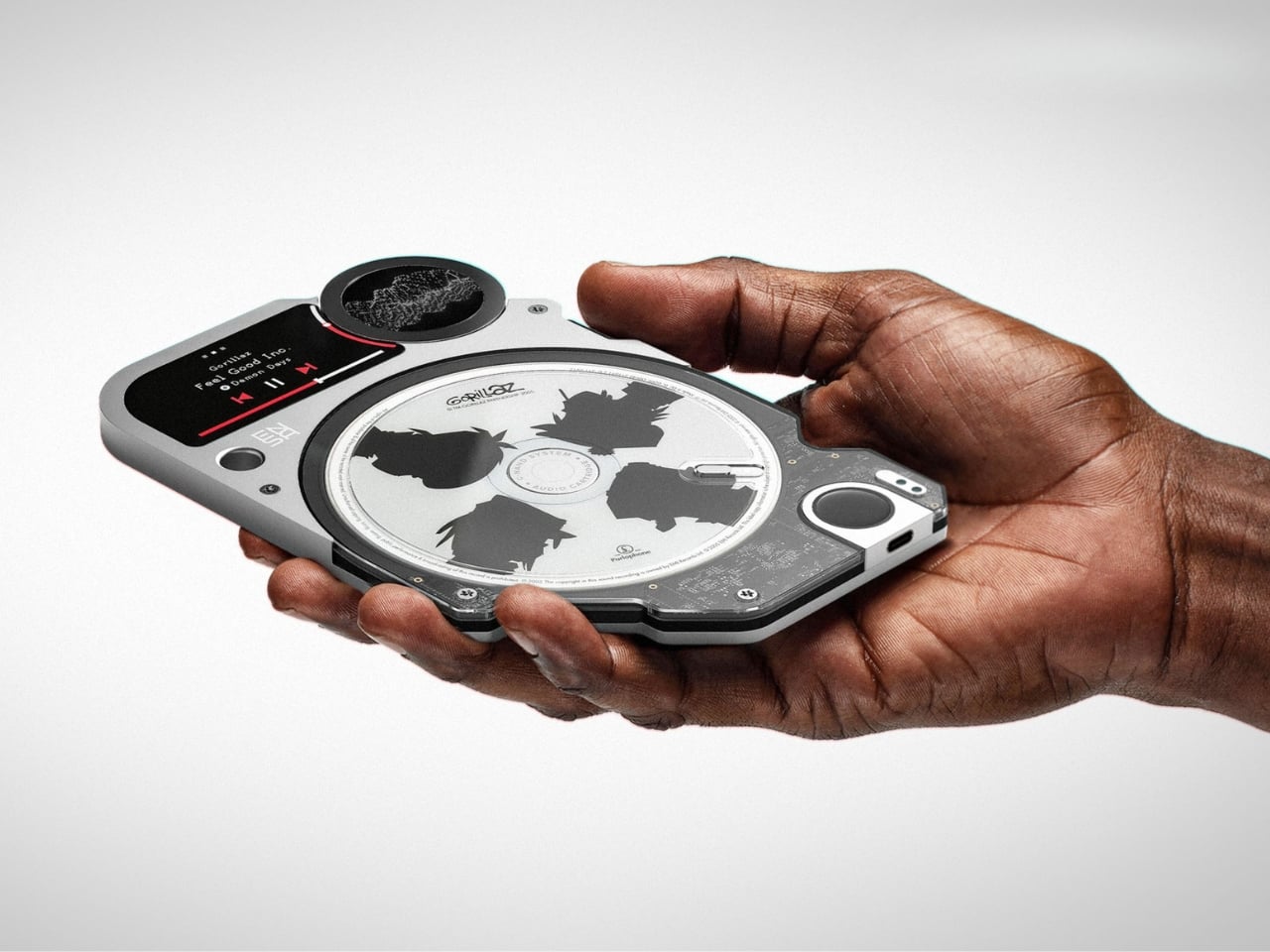
2 months agoThese Portable CD Players Combine Modern Tech and Retro Tactility
Chances are this does exactly what you need. It will play your old CDs, your new CDs, your homemade mixtapes, the whole nine yards. You can even listen wirelessly thanks to onboard Bluetooth. It's got a decent battery life that can last you up to six hours, and it uses a USB-C to recharge. We usually have one of those on hand.
Gadgets
Music production
fromdesignboom | architecture & design magazine
1 month agoelectric guitar-shaped turntable spins vinyl records on frosted platter and wooden base
Clearaudio creates an electric guitar-shaped turntable honoring jazz artist Al Di Meola, featuring high-density wood fiber construction, frosted platter, and advanced vibration isolation through IMS light motor suspension with O-rings.
fromYanko Design - Modern Industrial Design News
2 months agoThe JVC Pyramid TV That Defined Retro Futurism in the 70s Now Wants to Be a LEGO Set - Yanko Design
Before flat screens colonized every wall and surface, televisions had personality. They came in wild shapes and bold colors, designed by people who believed consumer electronics could be sculpture. The JVC 3100R Video Capsule, produced throughout the 1970s, exemplified this philosophy. Its pyramid form and space-helmet aesthetic made it a favorite among collectors of "space-abilia," that peculiar category of objects inspired by Apollo missions and science fiction films.
Gadgets
Gadgets
fromYanko Design - Modern Industrial Design News
2 months agoStunning LEGO Sony Walkman Replica Features a Dockable Cassettes and Wearable Headphones - Yanko Design
A 520-piece LEGO model faithfully recreates the Sony Walkman TPS-L2 from Guardians of the Galaxy, including three buildable cassettes and poseable orange headphones.
[ Load more ]