#omicron
#omicron
[ follow ]
#public-health #vaccination #covid-19 #cdc #measles #vaccines #mpox-clade-i #outbreak #trump-administration #ba32
#mpox-clade-i
Coronavirus
fromNew York Post
4 weeks agoFirst known case of severe mpox virus strain detected in NYC
New York City detected its first case of mpox clade I, a more severe and transmissible strain, in a person with recent international travel, prompting health officials to recommend vaccination for at-risk populations.

Science
fromNature
1 month agoDaily briefing: COVID's origins - what we do and don't know
Horses produce two-toned vocalizations simultaneously using their vocal folds and larynx cartilage to convey complex messages, while AI threatens research programming jobs and Japan approves stem cell therapies with limited trial data.
fromFast Company
2 months agoHow America's WHO exit could affect flu shots, outbreaks, and future pandemics
The U.S. is no longer part of the World Health Organization. After the Trump administration declared its intention to pull the country out of the global public health agency one year ago, on Thursday it formally followed through, ending its commitment to the organization after 78 years. Withdrawing the U.S. from the WHO was one of Trump's day one priorities. Now, after the required one year notice period, the deed is done.
World news
Coronavirus
fromwww.scientificamerican.com
3 weeks agoCOVID probably killed 150,000 more people in its first two years than official U.S. tolls show
COVID-19 deaths in the U.S. during 2020-2021 may have reached nearly one million when accounting for approximately 150,000-160,000 unrecorded deaths, with disproportionate impact on marginalized populations.
fromThe Atlantic
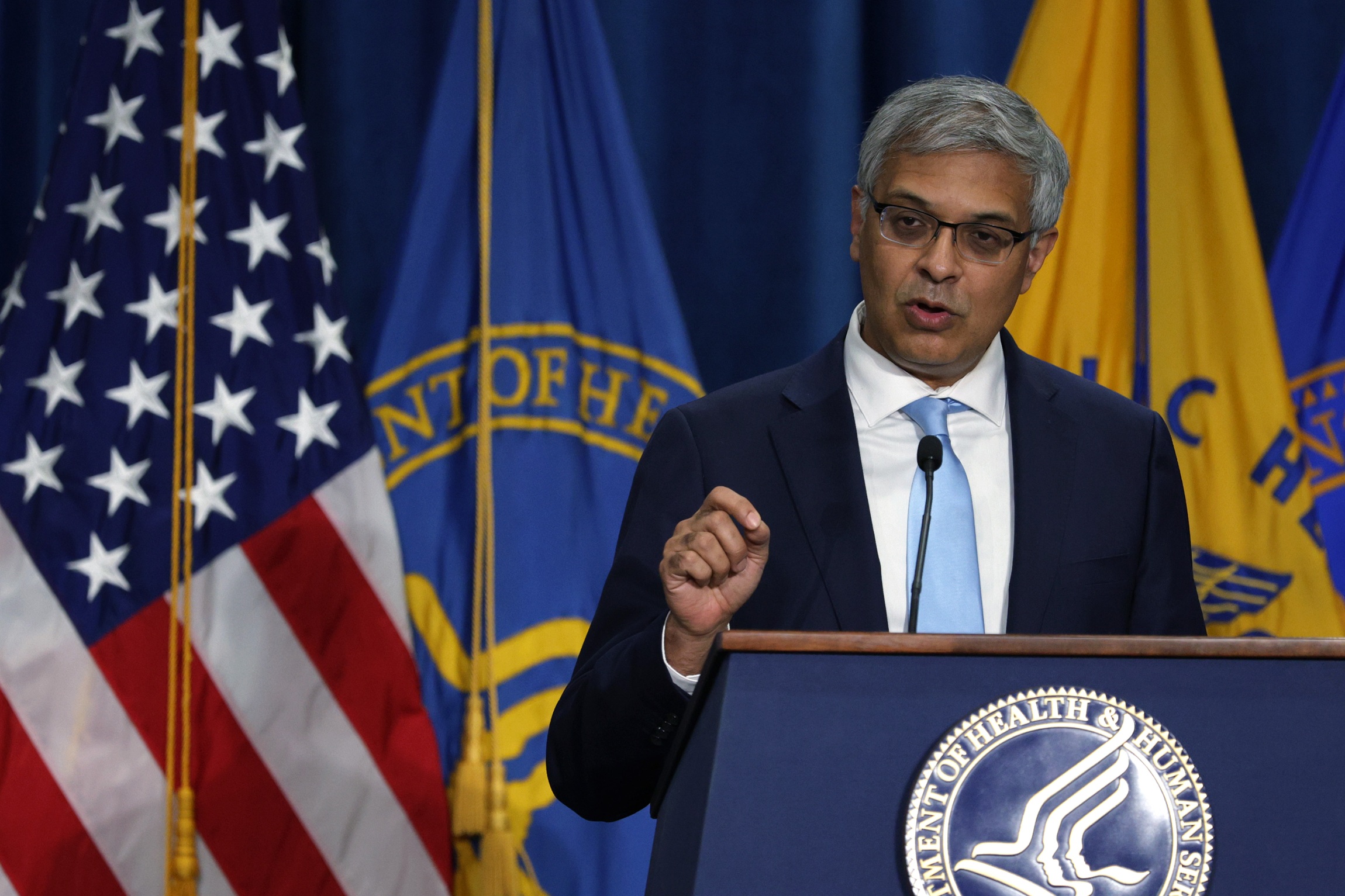
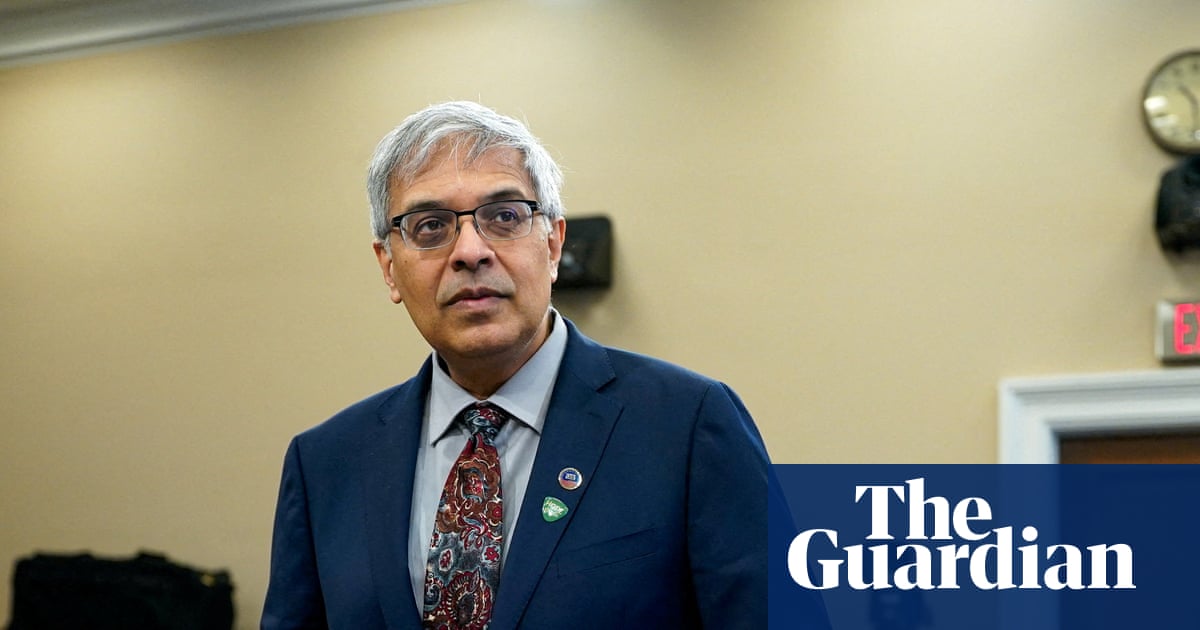
1 month agoWhat Jay Bhattacharya Wants From the CDC
In his first email to CDC staff, he wrote that the federal government's "decisions, communications, and processes" broke the public's trust during the pandemic, and that "acknowledging this reality is a necessary step toward renewal." In practice, the CDC has been undergoing a kind of forced renewal for months.
Public health
fromArs Technica
2 months agoCOVID-19 cleared the skies but also supercharged methane emissions
The remaining question, though, was where all this methane was coming from in the first place. Throughout the pandemic, there was speculation that the surge might be caused by super-emitter events in the oil and gas sector, or perhaps a lack of maintenance on leaky infrastructure during lockdowns. But the new research suggests that the source of these emissions was not what many expected. The microbial surge
Environment
Public health
fromLos Angeles Times
1 month agoA virus without a vaccine or treatment is hitting California. What you need to know
Human metapneumovirus is spreading in California wastewater with increasing concentrations in Northern California communities, though public health officials indicate no immediate alarm is warranted.
fromThe Atlantic
4 weeks agoI Remember a World Without Vaccines
I am open-minded; I believe in integrative practices, and I agree that the medical establishment can be arrogant and unduly influenced by the pharmaceutical industry, which now funds so much of medical research. But I fully understand Scherer's frustration with his interminable discussions with Kennedy about scientific articles.
Coronavirus
Coronavirus
fromArs Technica
1 month agoWe study pandemics, and the resurgence of measles is a grim sign of what's coming
Measles outbreaks impose substantial economic costs through containment, medical expenses, and productivity losses, while declining vaccination coverage threatens control of multiple infectious diseases.
fromwww.theguardian.com
1 month agoViruses don't know borders': US anti-vaccine rhetoric could impact global measles crisis
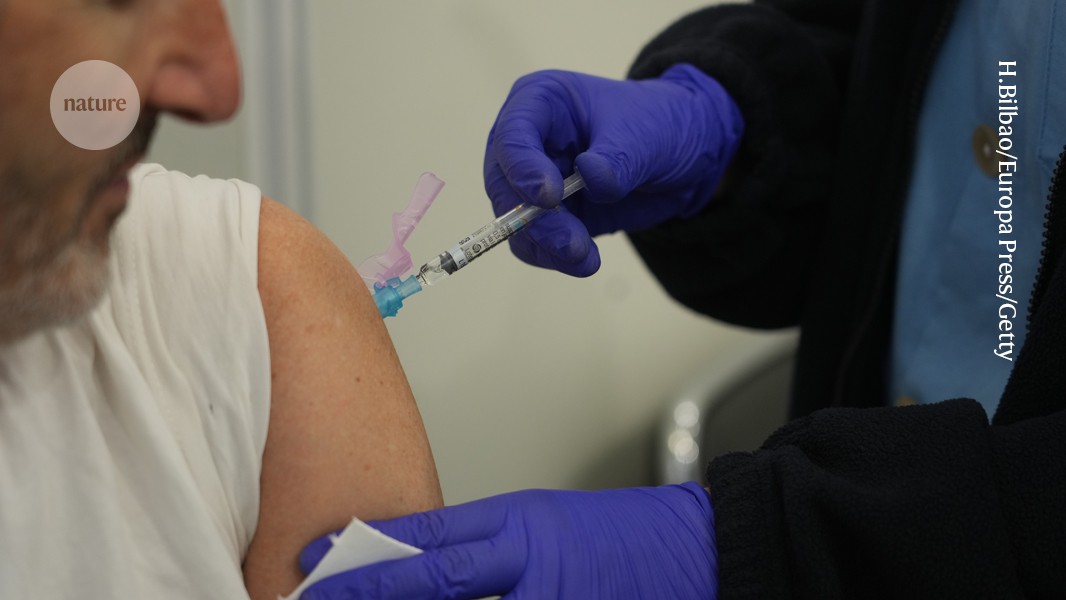
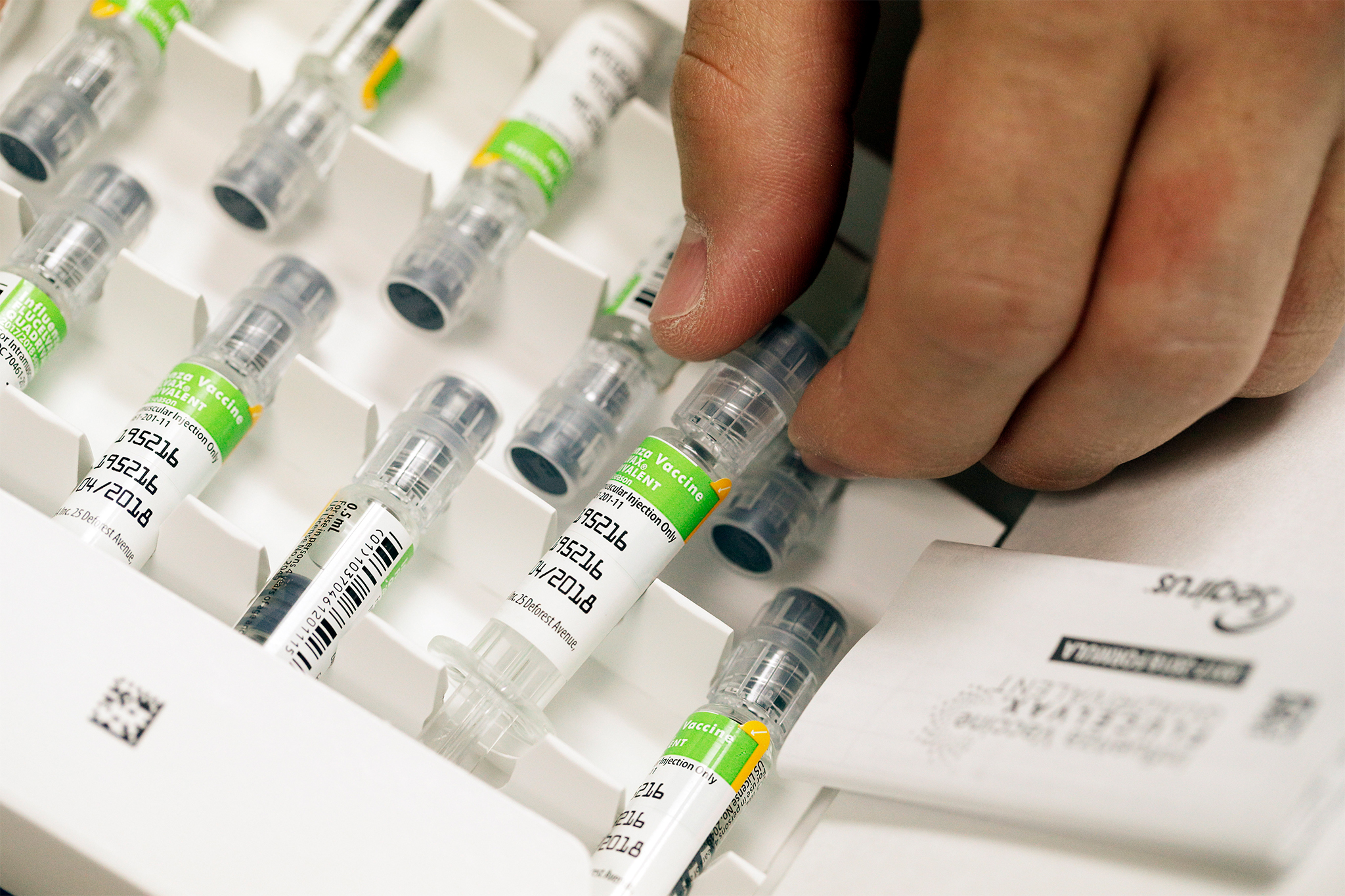
The World Health Organization announced in late January that six European countries: the United Kingdom, Spain, Austria, Armenia, Azerbaijan and Uzbekistan had all officially lost their measles elimination status, which means the virus has been circulating continuously in those countries for more than 12 months.
Public health
#measles-outbreak
Coronavirus
fromSFGATE
1 month agoBay Area health officials warn of measles exposure at Panda Express
A vaccinated measles patient exposed others at a Bay Area Panda Express on two consecutive days, prompting health officials to warn of potential transmission to unvaccinated, pregnant, or immunocompromised individuals.
fromSFGATE
2 months ago'Everyone around you is sick': Winter viruses sweep through Bay Area
If you feel like everyone you know is dealing with a cough, cold and runny nose, it's not in your head. Multiple viruses, not just the flu, are currently circulating near season-high levels in the San Francisco Bay Area, according to wastewater data. Flu tests show seasonal influenza activity continues to be elevated in the region, although it's down from the season-high peak at the end of December, according to the California Department of Public Health.
Public health



fromInsideHook
2 months agoWhat Happens When the CDC Issues Fewer Alerts?
If you're based in the United States, you've probably gotten used to government bodies issuing nationwide alerts - including ones that relate to public health. These have, historically, been good ways for health-conscious people to know what to look out for and for regional public health experts to develop strategies to help keep potential outbreaks contained.Unfortunately, now both individuals and institutions are reckoning with a big question: what to do when those warnings are much smaller in number?
Public health
[ Load more ]