#peonies
#peonies
[ follow ]
#gardening #cherry-blossoms #floral-design #spring #horticulture #nature #home-decor #plant-care #spring-gardening


Brooklyn
fromThe Art Newspaper - International art news and events
1 day agoRestored Victorian greenhouse links Green-Wood Cemetery to its living neighbours
Green-Wood Cemetery, established in 1838, now features a new welcome center to enhance community engagement and appreciation for its historic landscape.
#bluebells
London
fromTravel + Leisure
1 month agoSouthern England Is a Paradise for Gardening Aficionados-Here Are the Most Beautiful Gardens to Visit
Bluebells create breathtaking visual carpets in English woodlands during spring, inspiring poets and garden enthusiasts with their ephemeral beauty and delicate scent.
fromApartment Therapy
6 days agoSkip the Spring Wreath - This Unexpected Thrift Find Is Taking Over Front Doors
"I found this really cute picnic basket at Goodwill for $4.79 and loved the weaving on it," Ana Ochoa from @ana.ochoaliving said in a recent Instagram video. She shared that the basket's straps were on their last legs, and she had the perfect second life in mind for it.
E-Commerce
fromwww.theguardian.com
6 days agoA messy garden is a glorious garden. We need to stop tidying, titivating and paving them over | Emma Beddington
The industrious buzz of bees tackling the dregs of cherry blossom was lawnmower-loud, accompanied by back off peeps from blackbirds nesting in the ivy.
London politics
fromwww.theguardian.com
1 day agoThe art of grafting: joining two plants together to grow as one is horticultural magic
Grafting is the method through which two different plants from the same species or genus are joined together to grow as one. The resulting plant benefits from the qualities of the two different original plants.
Agriculture


fromwww.theguardian.com
4 days agoHouseplant hacks: can a fan help plants repel pests?
Stagnant indoor air is one of the less discussed reasons houseplants struggle. Fungal spots, mould on the compost surface and pest infestations like mealybugs can all be traced back to a room with no airflow.
Renovation
fromTime Out London
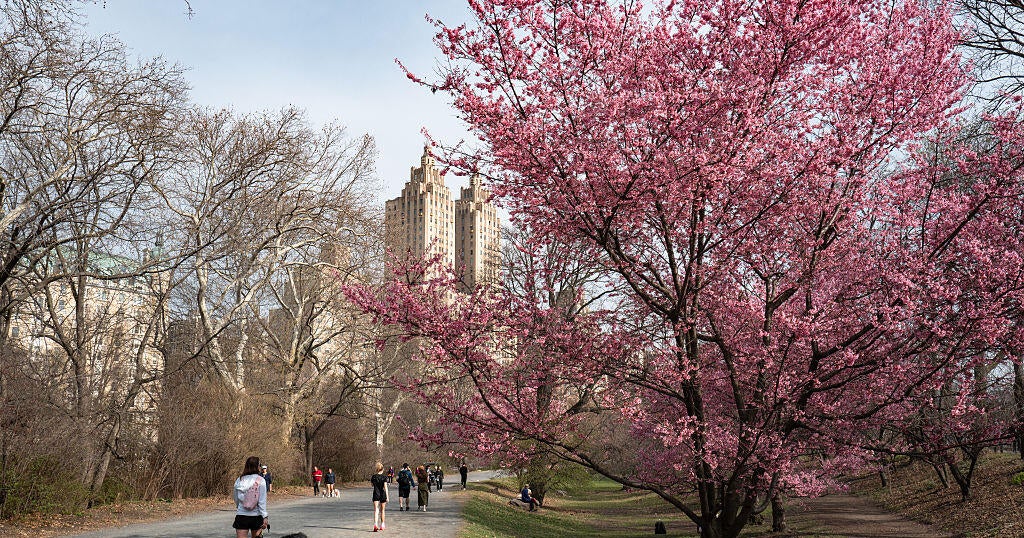
3 days agoThis south London park just got 130 new cherry blossom trees from Japan
Greenwich Park has just introduced a new 'valley of blossom', planting 130 prunus 'sekiyama' cherry trees sourced straight from Japan. These new trees will tower above the park's existing cherry trees, growing to 12 metres high and 8m in spread.
London food
fromianVisits
1 week agoTulip takeover: Hampton Court Palace bursts into bloom as Tulip Festival returns
The tulips gained fame in 1912, when it was widely reported that a tulip with four distinct blooms on one stem had been spotted at the palace, and the following year, it was reported that the palace had its best display in many years.
London

fromNy1
2 weeks agoElectric blue blooms signal spring's arrival at Bronx garden
These are Scilla sardensis, the common name is Glory-of-the-Snow. They are native to the mountains of Western Turkey but are really comfortable growing in almost any condition, as you can see. They are, for us, the real harbingers of spring. We know that once we start to see this electric blue color, the season is starting for us.
Washington DC
fromwww.theguardian.com
1 week agoHouseplant hacks: do eggshells deter fungus gnats from laying eggs?
Crushed clean, dry eggshells, when scattered over the soil, are intended to stop adult gnats from laying eggs and potentially add natural fertilizer. However, they merely sit on the surface, collecting dust, while the gnats remain attracted to the damp compost.
Renovation
Paris food
fromwww.amny.com
1 month agoThe art of flowers at Le Rose Atelier in Flatiron | amNewYork
Le Rose Atelier, a luxury floral shop in the Flatiron District founded by Jennifer Gomezcoello, creates meaningful arrangements that communicate emotion through flower selection, design, and storytelling.
US news
fromwww.npr.org
1 month agoA mysterious floral artist has taken over the New York Botanical Garden
Mr. Flower Fantastic creates large-scale floral art installations featuring everyday urban structures, collaborating with major brands and celebrities while maintaining anonymity to keep focus on his work.
Washington DC
fromTravel + Leisure
4 weeks agoThis West Coast City Is Home to Some of the Nation's Most Beautiful Lilac Blooms Each Spring
Spokane, Washington, earned the nickname 'Lilac City' and hosts an annual festival celebrating over 100 lilac cultivars in one of the West's most important lilac gardens.
Remodel
fromApartment Therapy
1 month agoMartha Stewart Is Using This Holiday Flower for Spring - And Now I Want Them Everywhere
Martha Stewart recommends amaryllis flowers as a spring decorating choice, rotating them from her greenhouse to bring vibrant indoor blooms beyond their traditional holiday season.
Miscellaneous
fromwww.theguardian.com
1 month agoThe best places to buy plants online, according to top gardeners and landscape designers
Online plant nurseries offer wider plant selections and specialized varieties, making them ideal alternatives to local garden centers, especially for those without nearby options or preferring car-free shopping.
San Francisco
fromFuncheap
1 month agoSF's Conservatory of Flowers Free First Tuesdays (Golden Gate Park)
The Conservatory of Flowers in Golden Gate Park houses nearly 2,000 rare and exotic plant species from over 50 countries and offers free admission on the first Tuesday of every month for all visitors.
London food
fromwww.theguardian.com
1 month agoPlant a blossom tree in your garden and feel its magic for years to come
Blossom trees provide year-round garden interest with spring flowers and autumn foliage color, requiring minimal maintenance while offering enduring beauty and seasonal celebration opportunities.
fromThe Nation
2 months agoHow to Build a Moon Garden When the News Is All Horror
To see where the moon melts over the garden,or where the bats flit, or where the air sweetens with pollen and moth-frenzy, I recommend a night walk to discern the perfect patch for it. Under this glow, we could all use a distraction-dig with a silver shovel and choose colors that swoon and moan under our satellite: dusty pinks, baby blue, lavender, white, and butter yellow gems unfurl at dusk until dawn.
Environment
fromNew York Family
2 months agoNYBG Orchid Show: See NYC Bloom Like Never Before - New York Family
Step inside NYBG's Enid A. Haupt Conservatory and be transported to a seemingly alternate universe, where everyday city sights like fire hydrants, pizzerias, taxi cabs, subway stations, construction zones, stoops, everything that screams New York City , are adorned with thousands of meticulously designed flower displays. The result feels like a floral fever dream of sorts. From a brownstone covered in cascades of brightly colored flora to a train station
New York City
fromwww.theguardian.com
1 month agoCountry diary: Our patch of snowdrops is part of the family | Mark Cocker
My mother first planted those same bulbs (or their parents) in her garden, which is half a mile from here, in the 1970s. When she died a decade ago, I took them first to our old house and now to this property. I'd actually forgotten the last transfer: a scoop of both the bulbs and surrounding soil, a short car journey, then a hasty reinterment in a hole on this south-facing slope.
OMG science
NYC real estate
fromWWD
1 month agoFashion's Go-to Florist Opens Studio in the Heart of NYC's NoMad Design District
Kelsie Hayes opened House of Three, a 2,500-square-foot design space in Manhattan's NoMad neighborhood that serves as a creative hub for floral design, events, content creation, and artistic collaboration beyond florals.
Brooklyn
fromBrooklyn Paper
2 months agoThese Brooklyn florists are rethinking Valentine's Day with seasonal blooms * Brooklyn Paper
Seasonal, locally sourced flowers offer a lower-environmental-impact Valentine's alternative to imported roses while supporting local farms and reducing fuel-intensive supply chains.
Agriculture
fromArchitectural Digest
3 years agoWe Asked Experts About the Gardening Mistakes to Avoid This Spring-These Are Their 12 Top Tips
Gardening mistakes are common and costly, but beginners can avoid major pitfalls by starting small, choosing correct locations with adequate sunlight, and understanding plant-specific requirements.
fromTime Out New York
2 months agoNew York Botanical Garden's Orchid Show turns NYC street life into flowers
Opening this Saturday, February 7, and running through April 26, "The Orchid Show: Mr. Flower Fantastic's Concrete Jungle" has transformed the garden's Enid A. Haupt Conservatory into a bloom-laden remix of the city itself. Imagine taxis dripping in orchids, fire hydrants flowering over and everyday street scenes electrified by thousands of plants from around the world. "We're so excited to introduce you to the full diversity of the orchid family," said Jennifer Bernstein, NYBG's CEO, at a press conference on Wednesday.
Environment
Agriculture
fromPortland Monthly
1 month agoA Flower CSA Will Keep You in Portland-Grown Blooms All Season Long
Local flower farms in Portland offer community supported agriculture subscriptions providing weekly fresh blooms at $30-45 per bouquet, an alternative to imported flowers dominating the market.
fromGardenista
2 months agoSnowscape Visit: The Max Family Garden in Brooklyn - Gardenista
There is a strong temptation to stay indoors when the world freezes. But out there in the cold, and especially after snowfall, the brown bones of gardens are suddenly emphasized, outlined in white. Visiting gardens in winter, when leaves and flowers belong to dreams of spring, allows us the thrill of anticipation, the pure pleasure of comparison, and an appreciation of structure, adding layers of understanding to our experience. It also tests our plant identification skills.
Brooklyn
Agriculture
fromArchitectural Digest
1 month agoJohnnie and Sophie Boden Cultivate Their Respective Visions in Their English Garden
Fashion entrepreneur Johnnie Boden and his wife Sophie maintain distinct gardening territories at their 500-acre Dorset estate, with Johnnie cultivating wildflower meadows and Sophie designing ornamental gardens of shrubs and perennials.
fromwww.theguardian.com
3 months agoNow is the perfect time to sort out your garden seeds, the Monty Don way
Lots of pressure at this time of year, isn't there? All those pink cheeks and sweaty brows puffing their way around the park in dusted-down trainers; all those Botivo mocktails (delicious, for what it's worth) as we strive to self-improve during one of the most grisly months of the year. I've never really been one for resolutions, nor time-measured sobriety (amazing how having small children deflates one's desire to drink enough to conjure a hangover).
Environment
fromFuncheap
2 months agoFree Vireya Rhododendron Talk + Door Prize (Atherton)
There is a type of rhododendron which makes a superb container plant, and even performs greatly when pot bound, since many species are epiphytes in nature. https://growplumeriafrangipani.blogspot.com/2011/04/tropical-rhododendron-vireya.html These are vireya rhododendrons. https://scholar.lib.vt.edu/ejournals/JARS/v32n1/v32n1-leach.htm https://rhododendron.org/vireya/index.html https://rhododendron.org/vireya/gallery.htm https://www.rhododendron.org/vireya/archive/StevensNRBGE85.pdf https://www.rhododendron.org/vireya/archive/CallardRSF2011.pdf https://www.rhododendron.org/vireya/history.htm http://scholar.lib.vt.edu/ejournals/JARS/v46n1/v46n1-moynier.htm Many vireya hybrids were created in the Bay Area, especially at the San Francisco Botanical Garden which was the Strybing Arboretum. https://scholar.lib.vt.edu/ejournals/JARS/v45n1/v45n1-morebeck.htm
Agriculture
fromwww.theguardian.com
2 months agoRoses are a proper Valentine's treat especially if you can eat them
Fortunately for me, roses happen to be edible. While technically the entire plant can be eaten, it's best to stick to the petals, buds and hips (as if I had to tell you not to chomp on their thorns and woody stems). Fresh or dried, rose petals can be used to make rosewater or rose syrup, as pretty garnishes for cakes, and to infuse into sweet treats such as ice-cream and panna cotta.
Agriculture
Agriculture
fromBusiness Insider
2 months agoMy rare plants sell for five figures. The business helps me support my extended family, but I work about 100 hours a week.
A mathematician turned rare-plant hobbyist launched a full-time plant business, leaving academia to support an extended family through plant sales.
[ Load more ]