Much of Instagram's video content is organized around transformation-the virtual magic of the before-and-after and clips that show cause and effect. A person makes pasta from scratch in 20 seconds via edits that compress time-intensive labor.
Viewpoints are structures designed for observing the landscape from elevated positions. They act as devices that organize the gaze and establish a direct relationship between the body and the territory.
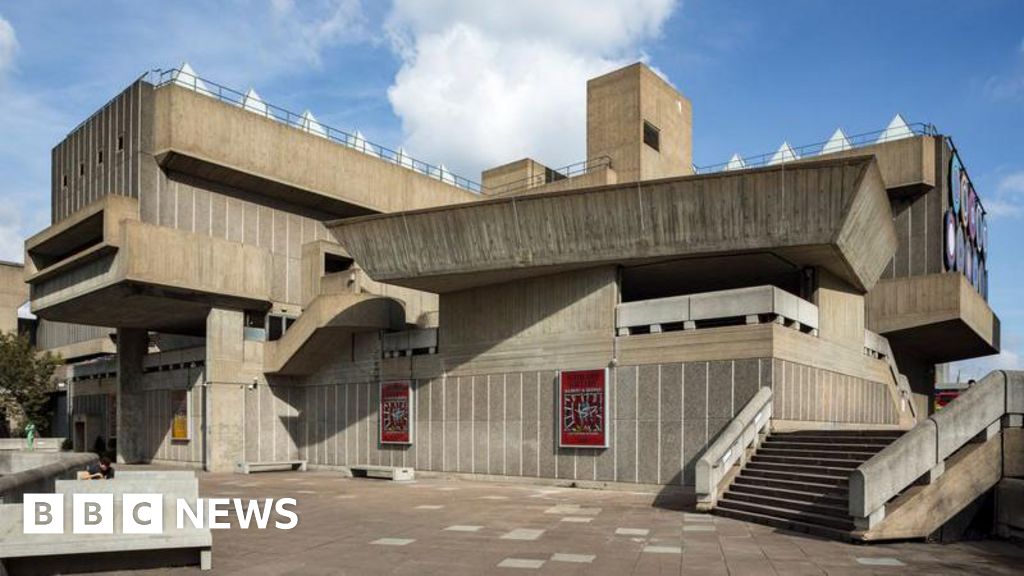
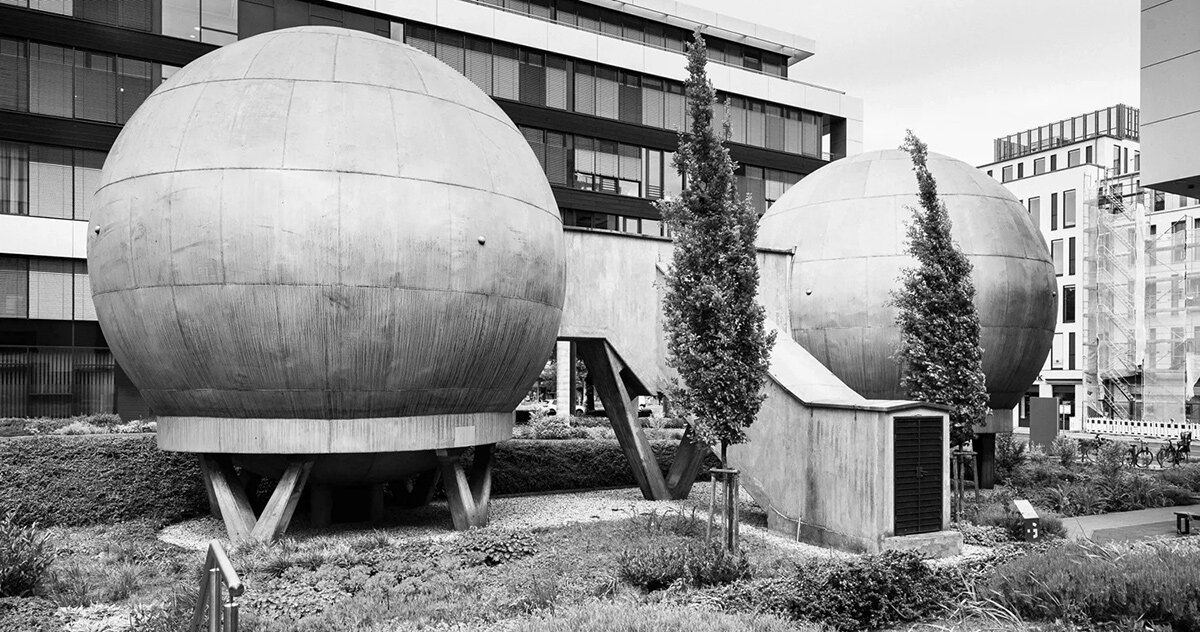
The style is characterized by raw, exposed concrete and bold geometric forms. You've certainly seen it before in many cultural and civic buildings built between the 1950s and '70s. With countless examples spanning countries and continents, the look has both historical significance and remains popular-particularly in residential design-today.
The Architect Elevator is a metaphor-in reality, the company leadership may be sitting on the same building floor as you; my car metaphors could fill an entire book; and " Architecture is Selling Options " has become the anchor of many architecture keynotes. So, at least my world of architecture is full of metaphors.
Decades of research in environmental psychology and building science reveal that indoor conditions can profoundly affect human health and behavior. Lighting influences circadian rhythms and sleep patterns. Air quality impacts cognitive performance and respiratory health. Temperature and acoustics shape comfort and concentration.
Like the chambered nautilus, its shell was a logarithmic spiral. A wall of rough sandstone and aquamarine glass cullet twisted up fifty feet to an oil-drill-stem mast from which a floating roof was hung by the stainless-steel struts of World War II biplanes. You slid in with the humid air from the ravine outside to stroll a terraced garden of pools and plants, over which suspended and carpeted pods for living and sleeping drifted like clouds.
The dream project for me isn't a skyline object or spectacle, it's a long-life system -a project whose structure is reused, materials are upgraded and recycled rather than replaced, and performance improves over time. Where sustainable strategies aren't hidden in basements, or rooftops, but become part of the architectural experience. A dream project would be an urban district reimagined, edited with a scalpel (rather than a sledgehammer) with its declining building stock given a new life through subtle upgrades, modest interventions, and attention to craft and building performance.
Gropius, who from 1919 to 1928 directed the Bauhaus in Weimar and Dessau, designed the house in 1921-22 for lawyer Fritz Otte. The property is considered a dramatic evolution of Gropius's earlier seminal Haus Sommerfeld, which was also located in Berlin, but destroyed in World War II. The Bauhaus founder embraced a forward-looking approach with an unadorned, sharp-edged structure that rejected the heaviness of 19th-century historicism.
According to the jury chaired by Smiljan Radić, the finalist projects are exemplary contributions to the future of European architecture, demonstrating how the discipline can respond simultaneously to specific local conditions and broader social, cultural, and environmental challenges. The selected works range from interventions in former industrial sites, small villages, and peripheral urban areas to carefully calibrated projects within larger cities.
Postmodernism began as a critique of modernism's exhausted promises. By the late 1960s and early 1970s, many designers no longer treated modernism as radical or socially redemptive. Urban renewal projects accelerated the demolition of historic neighborhoods, and landmark preservation battles raised urgent questions about what the United States valued and, ultimately, protected. The loss of major civic icons, including New York's Penn Station, sharpened public awareness that progress often arrives through erasure.
We didn't have any specific guidelines; rather, there was complete trust and a lot of fun. Since they're my friends, we understood each other very well. That creative freedom led to a complete transformation of the small apartment, which is in a modernist townhouse from the 1930s.
Life doesn't pause for grief or fear. You might be going through something devastating but you're still packing lunches, still driving your kids to baseball practice, still showing up to work. One minute I find myself prepping for a whole home presentation and the next minute I'm checking the news, hoping and praying that no one has been killed on the streets today.