#puberty-blockers
#puberty-blockers
[ follow ]
#gender-affirming-care #clinical-trial #transgender-youth #trans-youth-healthcare #transgender-healthcare
#gender-affirming-care

fromPinkNews | Latest lesbian, gay, bi and trans news | LGBTQ+ news
3 months agoMedicine
Six lies transphobes tell about puberty blockers - debunked
Puberty blockers safely postpone puberty in minors, have decades of medical use, and face bans driven largely by misinformation rather than evidence of harm.
LGBT
fromSlate Magazine
1 day agoThe GOP's Most Dangerous New Policy Forced My Family Out of Our Home. I'm Afraid They're Not Done With Us Yet.
A trans clinician and family fled Iowa in 2025 after the state eliminated the LGBTQ Counseling Clinic and restricted gender-affirming care for their trans child.
fromwww.theguardian.com
1 week agoProfessor who reportedly paused UK puberty blockers trial removed over bias claims
Prof Jacob George, who was appointed chief medical and scientific officer at the Medicines and Healthcare products Regulatory Agency (MHRA) in January, raised concerns that led to the Pathways trial being put on hold by the government, according to the Sunday Times. But the regulator announced on Saturday that George would recuse himself from involvement in the trial after gender-critical social media posts made last year emerged.
Miscellaneous

Medicine
fromwww.theguardian.com
2 weeks agoUK clinical trial into puberty blockers paused after medicines regulator raises concerns
The Pathways clinical trial of puberty blockers for children has been paused pending MHRA concerns about unquantified long-term biological harms and a recommended minimum age of 14.
Public health
fromPinkNews | Latest lesbian, gay, bi and trans news | LGBTQ+ news
4 weeks agoNHS closed Tavistock over care complaints - there were only eight
Tavistock's youth gender clinic had eight complaints about gender-affirming care between 2012 and 2022 despite media claims of hundreds of complaints.
fromPinkNews | Latest lesbian, gay, bi and trans news | LGBTQ+ news
1 month agoTrans youth suicides surged following NHS puberty blockers ban
Legal experts at Good Law Project revealed in a Saturday (7 February) report that deaths by suicide among trans youngsters surged to 22 in England between 2021 and 2022. The number is nearly six times higher than reported deaths in 2020-21, according to its freedom of information (FOI) data, with at least four trans and non-binary young people in 2020-21. Comparatively, the number of reported deaths went down by one between 2019-20 and 2020-21.
LGBT

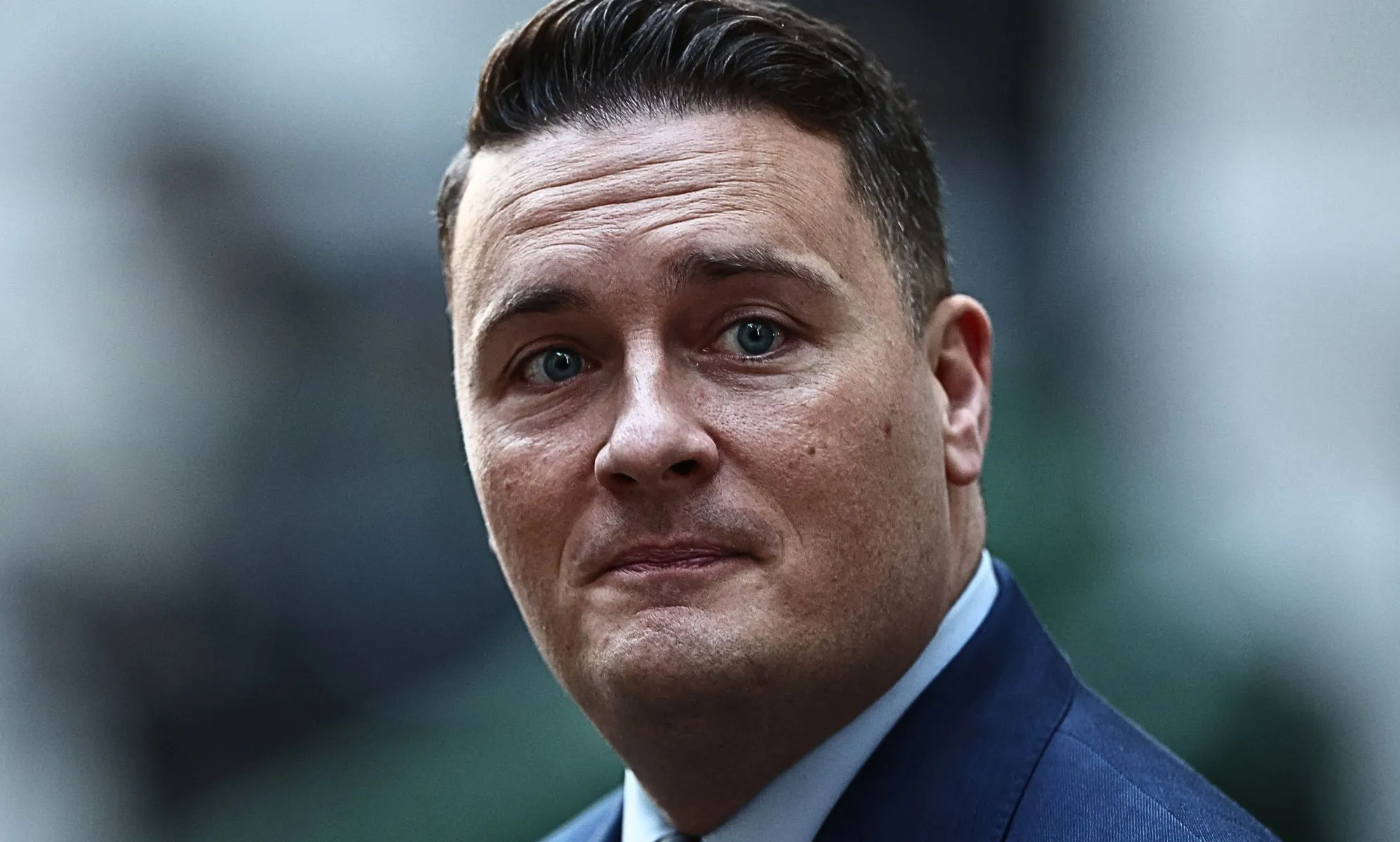
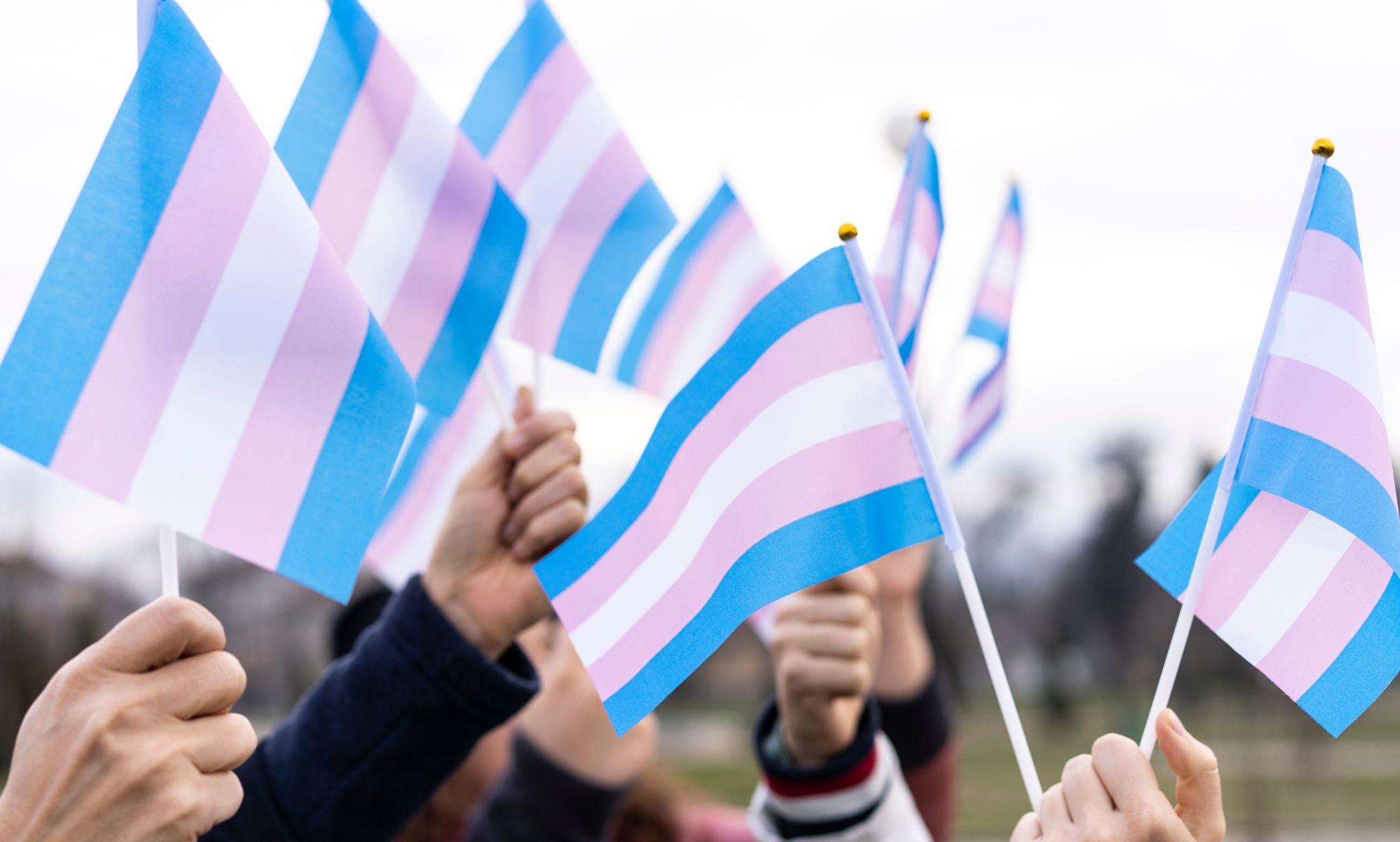
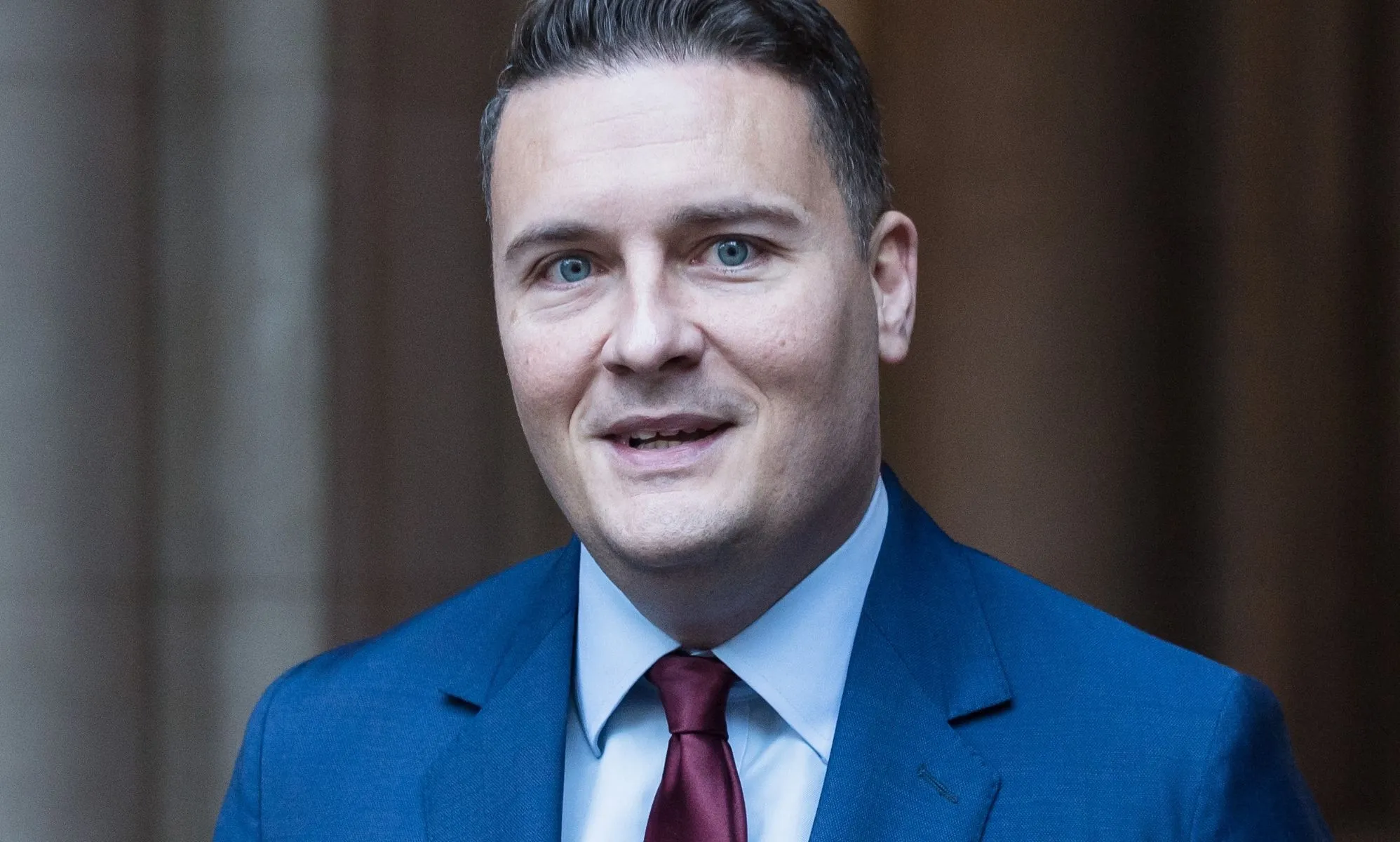
fromPinkNews | Latest lesbian, gay, bi and trans news | LGBTQ+ news
1 month agoPuberty blockers trial violates 'ethical standards', WPATH argues
Three of the world's top trans healthcare organisations have expressed "significant ethical concerns" regarding the UK Government's upcoming puberty blockers trial. The European, World, and US Professional Associations for Transgender Health (EPATH, WPATH, and USPATH) said they believe the NHS PATHWAYS trial conflicts with "internationally recognised ethical standards". Commissioned in the wake of the Government's decision to indefinitely ban puberty blockers for trans young people,
LGBT
fromwww.theguardian.com
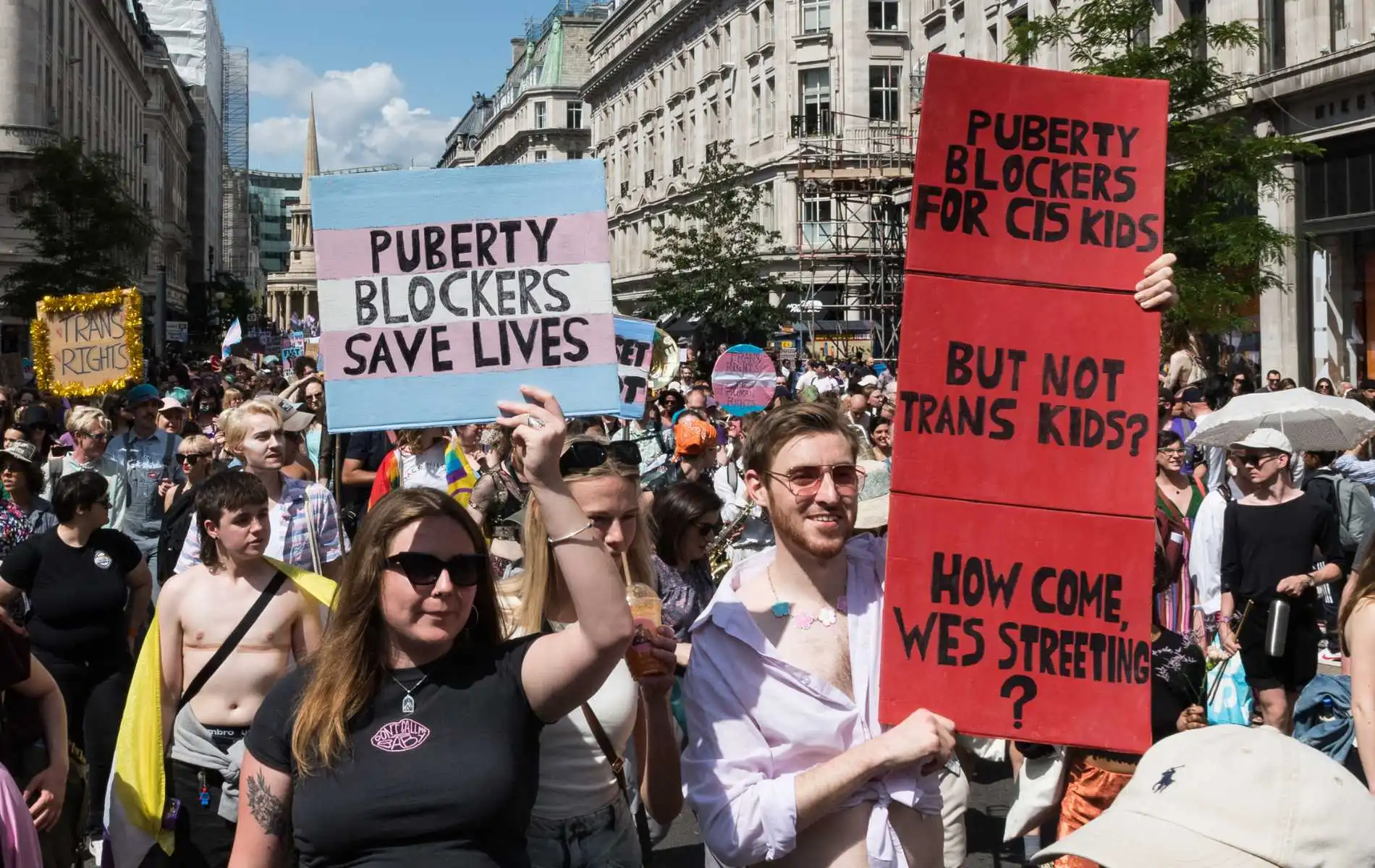
2 months agoWes Streeting calls for cross-party consensus' on gender identity ahead of puberty blocker trial
However, Badenoch and the shadow health secretary, Stuart Andrew, wrote to Streeting on 25 November, saying they were concerned NHS England was supporting a clinical trial involving drugs which halted natural puberty. Cass found remarkably weak evidence the drugs were effective in treating gender-related distress, adding there is no good evidence on long-term outcomes. She has said a trial is the only way forward in the attempt to understand if there are beneficial effects.
UK politics
Public health
fromPinkNews | Latest lesbian, gay, bi and trans news | LGBTQ+ news
3 months agoYoung people to face 'intrusive, distressing' tests in NHS puberty blocker trial
Under a new NHS trial, under-16s must undergo extensive assessments and possible year-long delay to access puberty blockers, with 50 forms and physical examinations.
fromwww.theguardian.com
3 months agoTwo UK clinical trials to assess impact of puberty blockers in young people
However, the 2024 Cass review of NHS gender identity services for children and young people found there was insufficient/inconsistent evidence about the effects of puberty suppression on psychological or psychosocial wellbeing, cognitive development, cardio-metabolic risk or fertility. NHS England subsequently announced children with gender dysphoria would no longer receive puberty blockers as routine practice, with their use confined to research settings.
Medicine
fromPinkNews | Latest lesbian, gay, bi and trans news | LGBTQ+ news
3 months agoEmily Maitlis says her BBC work led to closure of UK's only youth gender clinic
"I remember working with Esme Wren and Hannah Barnes and Deb Cohen and we were looking at the question of the Tavistock," she said. "This was the only gender identity development service for the under-16s. "We questioned why it wasn't data led, why it seemed to be so arbitrary with the kind of recommendations and advice and even the [puberty] blockers they were handing out to young people. "The work we did actually led to the closure of the Tavistock."
Public health
fromPinkNews | Latest lesbian, gay, bi and trans news | LGBTQ+ news
4 months agoParents of trans teens condemn puberty blocker ban
NHS patients who are already receiving these medicines for gender incongruence and/or gender dysphoria can continue to access them, as can patients receiving the medicines for other uses.
LGBT
fromPinkNews | Latest lesbian, gay, bi and trans news | LGBTQ+ news
4 months agoQueensland reinstates puberty blocker ban hours after court overturns it
The court heard that health director-general Dr David Rosengren had consulted with executives of the state's hospitals and health services at 10am on 28 January, the same time that Nicholls held a press conference announcing the ban and a subsequent review. In a statement to parliament on Tuesday, just hours after the verdict, Nicholls issued a "written ministerial direction" to reinstate the ban until the review had been completed, saying the court ruling had focused on the improper process behind the ban's enactment, not whether it was appropriate. 'I am satisfied it is appropriate and in the public interest that I issue a written ministerial direction,' he said, according to The Guardian. The new directive's provisions are believed to match those announced in January.
LGBT
LGBT
fromwww.theguardian.com
4 months agoQueensland puberty blocker ban reinstated by health minister hours after supreme court overturned it
Queensland health minister issued a new directive banning puberty blockers and gender-affirming treatments for new under-18 patients after a court found the earlier ban unlawful due to consultation failures.
LGBT
fromwww.theguardian.com
4 months agoWoman who overturned Queensland's puberty blocker ban not backing away from the fight' after LNP reinstates it
A Queensland mother vows further legal action after the health minister reinstated a ban on puberty blockers and hormone therapy for under-18s in public hospitals.
fromwww.theguardian.com
4 months agoQueensland puberty blocker ban unlawful due to political' interference and lack of consultation, court hears
Queensland's controversial ban on puberty blockers and other hormone therapies is unlawful because of a failure to properly consult health executives on a decision affected by political interference, a court has heard. The supreme court in Brisbane on Wednesday heard the ban should be overturned as part of a legal challenge launched by the mother of a transgender child. The mother cannot be identified for legal reasons.
LGBT
fromPinkNews | Latest lesbian, gay, bi and trans news | LGBTQ+ news
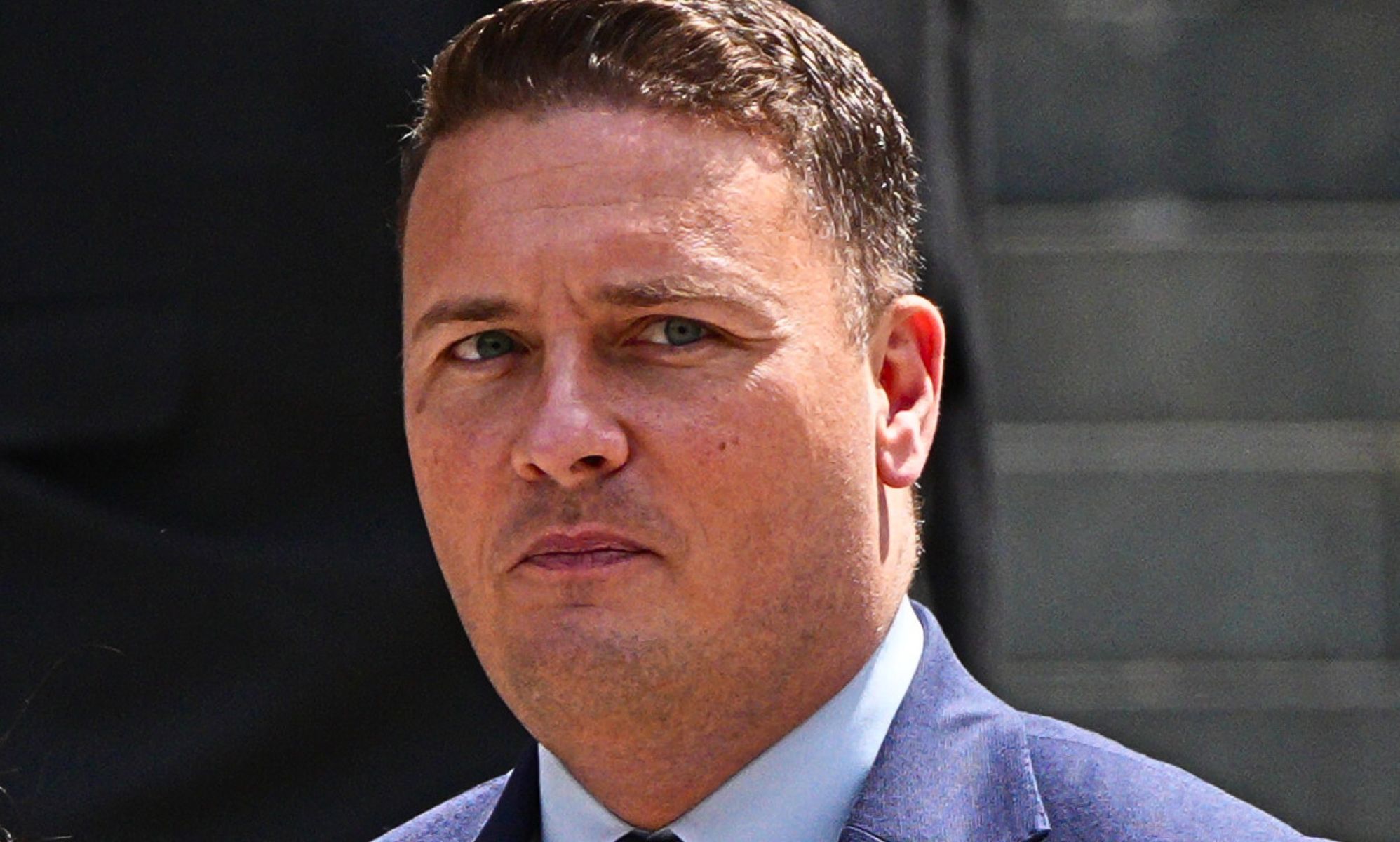
5 months agoWes Streeting admits 'slow progress' on puberty blockers trial
"I am extremely frustrated by the slow progress on the clinical trial. The reason it's taking its time is because it is absolutely vital that we get the research programme right, so that at the end of that programme, the evidence can be trusted and not subject to challenge."
UK politics

[ Load more ]