#renewable-funding
#renewable-funding
[ follow ]
#renewable-energy #solar-energy #clean-energy #electric-vehicles #sustainability #energy-independence





#nuclear-energy

UK politics
fromLondon Business News | Londonlovesbusiness.com
1 day agoReeves hails mini nuclear deal as UK seeks energy security amid global turmoil - London Business News | Londonlovesbusiness.com
Accelerating the development of small modular nuclear reactors is crucial for Britain's energy security amid global market instability.
UK politics
fromLondon Business News | Londonlovesbusiness.com
1 day agoReeves hails mini nuclear deal as UK seeks energy security amid global turmoil - London Business News | Londonlovesbusiness.com
Accelerating the development of small modular nuclear reactors is crucial for Britain's energy security amid global market instability.
Online Community Development
fromwww.housingwire.com
4 days agoCDFIs could draw institutional capital for climate projects
There is a strong desire for collaboration between institutional investors and community development financial institutions, but barriers exist due to perceived risks and lack of standardization.




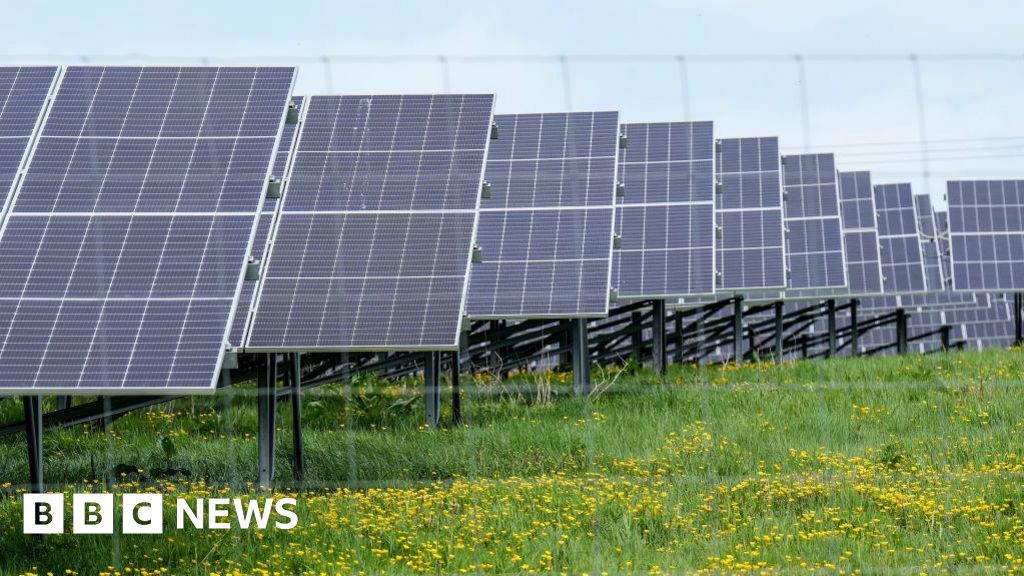
fromEarth911
4 weeks agoShould You Go Solar In 2026?
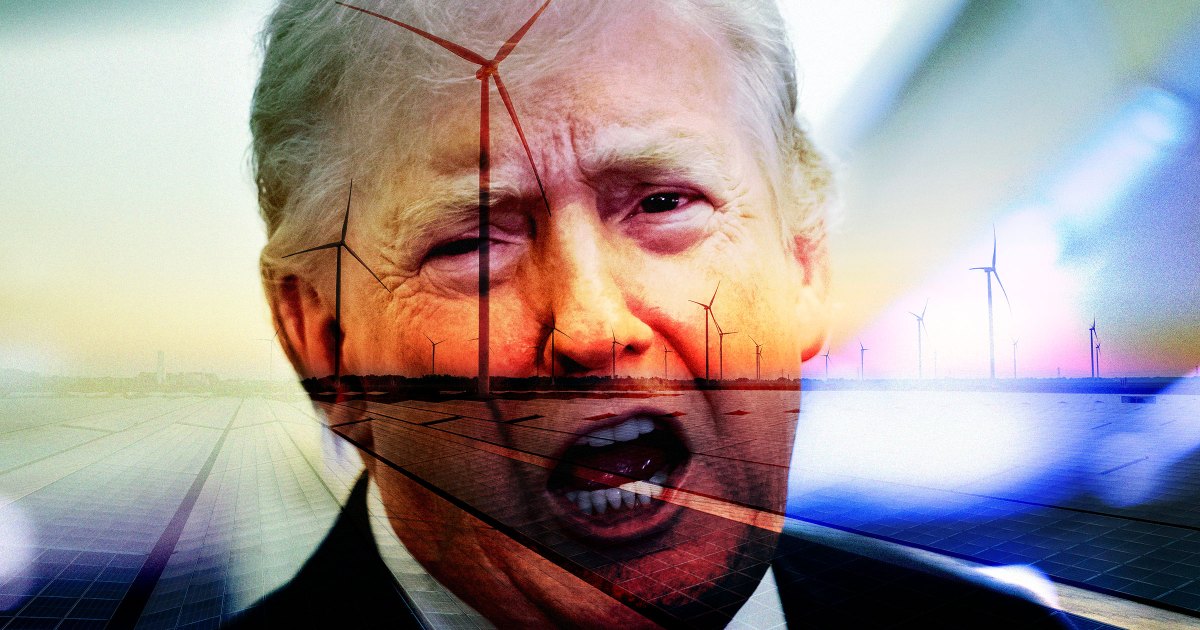
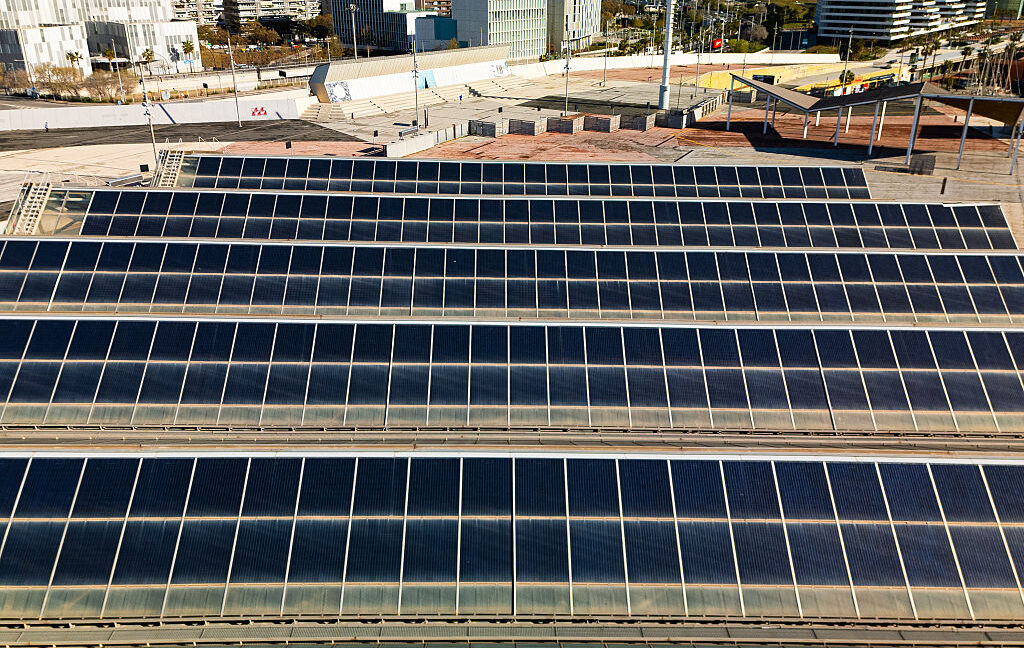
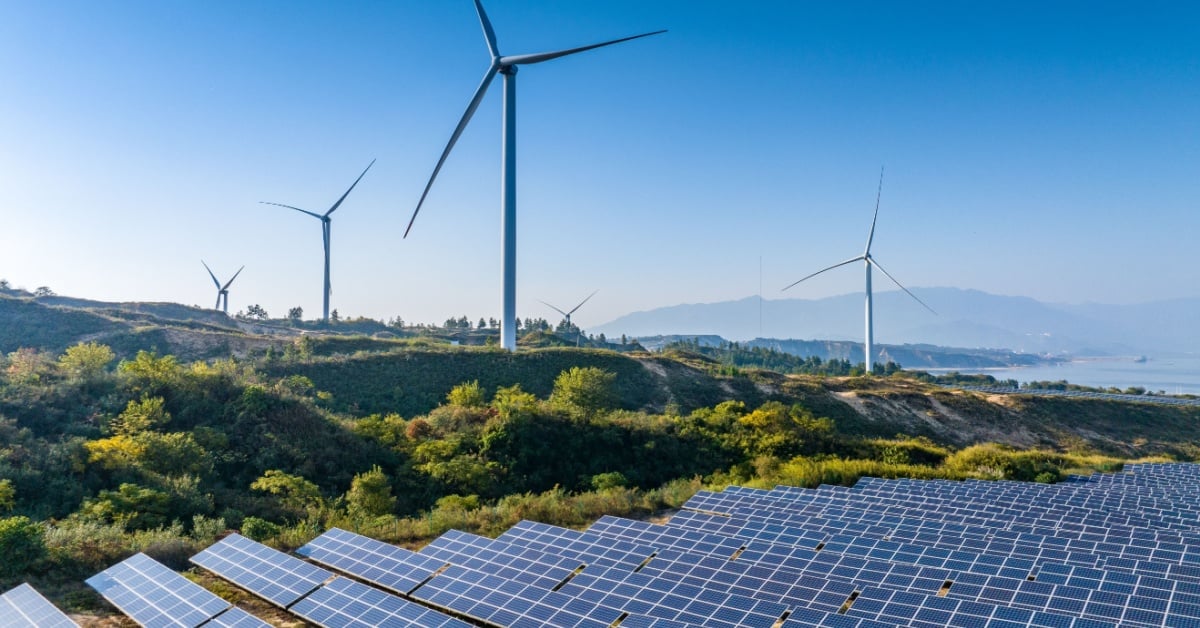
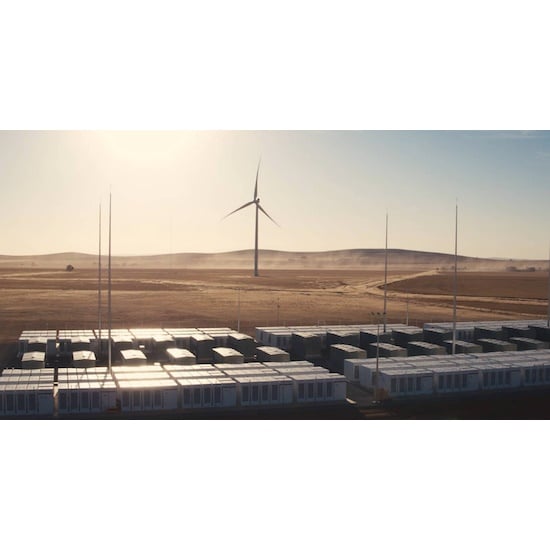
The most consequential shift for anyone considering rooftop solar in 2026 is the expiration of Section 25D, the Residential Clean Energy Credit. That 30% credit, which was worth up to $9,000 on a $30,000 system, is no longer available for home solar installations. The One Big Beautiful Bill, signed July 4, 2025, accelerated the phase-out that the Inflation Reduction Act had originally extended through 2034.
SF real estate
US news
fromwww.npr.org
1 month agoEasy-to-use solar panels are coming, but utilities are trying to delay them
Plug-in solar panels that connect to standard outlets are gaining traction in the U.S. as a cost-effective alternative to traditional rooftop solar, though utility opposition based on safety concerns is slowing legislative adoption.


UK politics
fromwww.bbc.com
3 weeks agoGreens push for billions to be spent on energy support if bills rise
The Green Party leader calls for the government to set aside billions of pounds to support households against potential energy bill rises from Middle East conflict, funded through capital gains tax increases and energy firm profit taxes.
Science
fromNextgov.com
4 weeks agoEnergy opens applications for $293 million in research funding
The Department of Energy is allocating $293 million to fund interdisciplinary teams using artificial intelligence to solve critical challenges in advanced manufacturing, biotechnology, critical materials, nuclear energy, and quantum information science.
from24/7 Wall St.
1 month agoBrookfield Renewable vs. Clean Harbors: Two Clean Economy Plays, One Better Buy
Brookfield Renewable pays a quarterly distribution of $0.392 per unit, annualizing to roughly $1.57. With the stock trading around $39.36, that puts the yield in the neighborhood of 4%, and the company just announced a 5% distribution increase. The next payment hits March 31, 2026.
Business
fromwww.dw.com
1 month agoThe real economic impact of clean energy
At a meeting at the Paris headquarters of the intergovernmental body dedicated to global energy security, Wright referred to the "destructive illusion" of the IEA's commitment to massively reducing greenhouse gas emissions sourced from fossil fuels. The US, one of 45 member and associate countries of the IEA that represent 75% of the world's energy demand, is threatening to withdraw from the body if it does not quit its energy transition goals in the next year.
Miscellaneous
fromwww.npr.org
1 month agoTax credits for solar panels are available, but the catch is you can't own them
With these arrangements sometimes called subscriptions or power purchase agreements (PPAs), a third party owns the panels and leases them back to the homeowner. But last summer, President Trump signed legislation that ended federal tax incentives that had cut at least 30% off the price of purchased panels. Similar incentives for leased panels remain.
US news
fromFast Company
2 months agoThis venture capital firm believes investing in climate is 'Obvious'-and just raised another $360 million to prove it
When Obvious Ventures launched 12 years ago with a focus on "world positive" companies, the idea was a contrarian bet: that startups tackling climate, health, and economic resilience could deliver big returns, not just feel-good impact. Founded by Twitter cofounder Ev Williams and others, the firm backed companies like Beyond Meat, the AI drug discovery company Recursion Pharmaceuticals, and Diamond Foundry, which makes sustainable lab-grown diamonds.
Venture
Environment
from24/7 Wall St.
1 month agoThis Clean Energy ETF Bundles 38 Stocks Into One High Growth Bet
ACES is a thematic growth ETF providing broad North American clean energy exposure across solar, batteries, EVs, hydrogen, and lithium, delivering 38.2% annual returns but requiring patient, long-term investment commitment.
Environment
fromLondon Business News | Londonlovesbusiness.com
2 months agoDo government grants cover ground source pumps? - London Business News | Londonlovesbusiness.com
Ground source heat pumps cost £14,000–£25,000 but deliver 400%+ efficiency; UK funding includes a £7,500 Boiler Upgrade Scheme and full ECO4 support for eligible households.
[ Load more ]