#samsung-galaxy-s25
#samsung-galaxy-s25
[ follow ]
#smartphone-deals #smartphones #samsung-galaxy-s26 #smartphone-discounts #google-pixel-10 #iphone-17 #pricing
Gadgets
fromGSMArena.com
2 months agoSamsung Galaxy S25 series gets sixth One UI 8.5 beta, possibly the last
Samsung released the sixth beta of One UI 8.5 for Galaxy S25 devices, fixing Bixby issues, Gallery sketch conversion, Now Bar text and icons, camera settings force close, lock screen styling, and improving notification card animations.
Gadgets
fromGSMArena.com
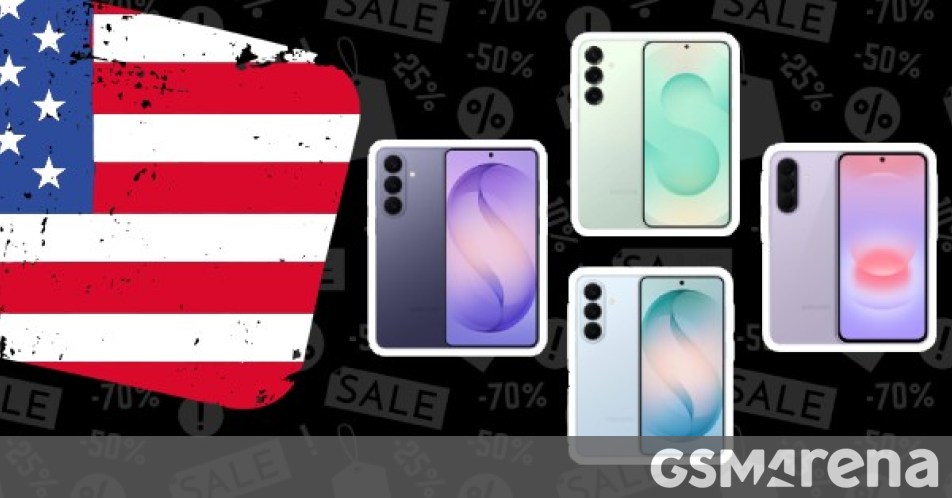
4 months agoWeekly deals: OnePlus 15, Galaxy S25 and Z 7 series, Motorola Razr 2025 series on sale
Motorola introduced a premium Signature phone and Razr Fold book-style foldable, both unavailable in the US; competing phones and storage/price variations offer alternative choices.
fromZDNET
4 months agoT-Mobile is giving away the Samsung Galaxy S25 for free - here's how the deal works
T-Mobile is now running an offer where you can get your ludicrously capacious . All you have to do is trade in a phone in any condition on T-Mobile's Experience Beyond or Go5G Next plan, and you'll receive the phone in return. That's right. You can turn in a broken, eligible smartphone and get a new Galaxy S25 for free.
Gadgets
fromGSMArena.com
5 months agoDeals: OnePlus 15 goes on pre-order, Galaxy S25 series gets discounted
Another alternative brand is Nothing - its first flagship isn't as powerful as we might have hoped, but at least now its price reflects that. And it's available now. The Nothing Phone (3) has a 6.67" 120Hz OLED display (1260p+, LTPS), a Snapdragon 8s Gen 4 and a 5,150mAh battery (65W wired, 15W wireless). The phone has four 50MP cameras - 1/1.3" main, 3x periscope and 114° ultra-wide on the back, plus the selfie camera.
Mobile UX
fromGSMArena.com
5 months agoThe Best Cyber Monday deals from Amazon UK
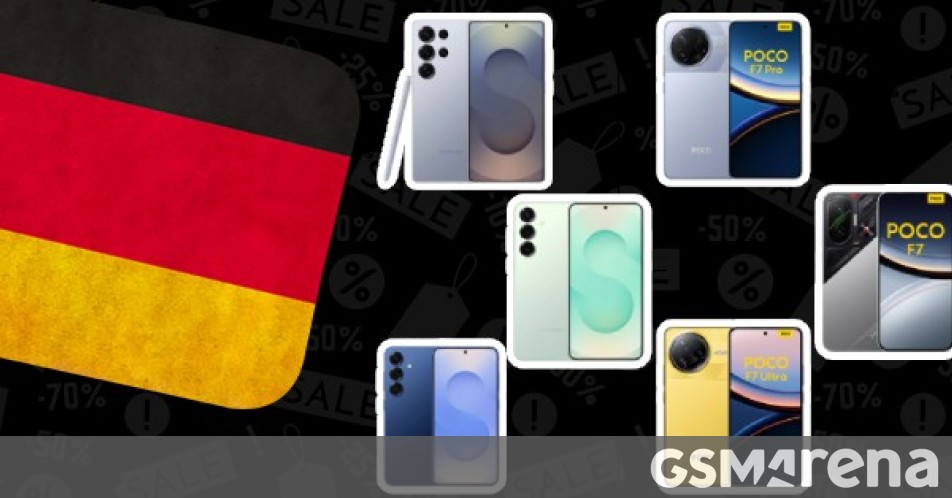
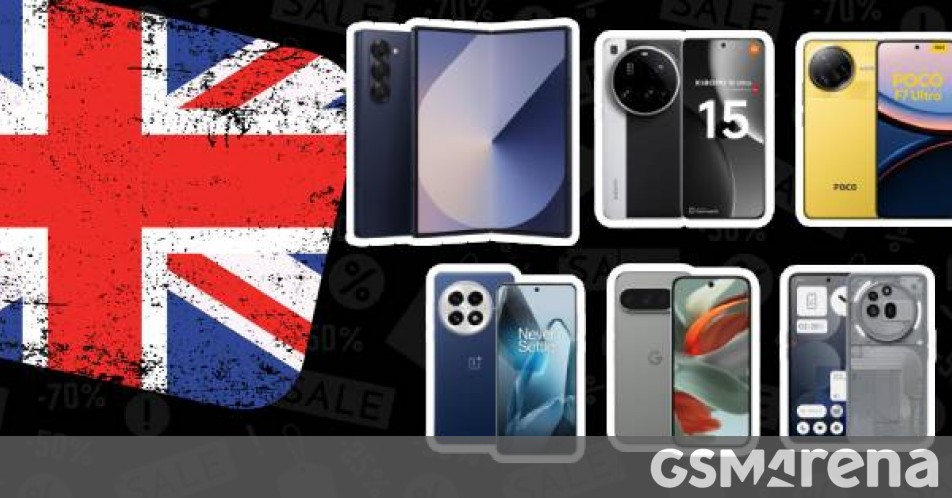
Starting with Samsung, the flagship Galaxy S25 Ultra is still on sale with the same discount as Black Friday. The phone is powered by the Snapdragon 8 Elite for Galaxy SoC and features a 6.9-inch LTPO AMOLED display with QHD+ resolution. It also gets a quad-rear camera setup with a 200MP main camera and support for S-Pen. The smaller Samsung Galaxy S25 is also available at a reduced price.
E-Commerce
fromGSMArena.com
6 months agoBlack Friday Deal spotlight: Galaxy S25 Ultra, Galaxy S25, and Galaxy S25 FE get discounted
The Galaxy S25 Ultra is a cool £250 off during the sale. It is powered by the Snapdragon 8 Elite for Galaxy SoC and offers a large 6.9-inch AMOLED LTPO display with QHD+ resolution. It gets a quad-rear camera setup with a primary 200MP sensor and dual telephoto cameras. The phone packs a 5,000mAh battery with 45W wired and 15W wireless charging support.
E-Commerce
fromGSMArena.com
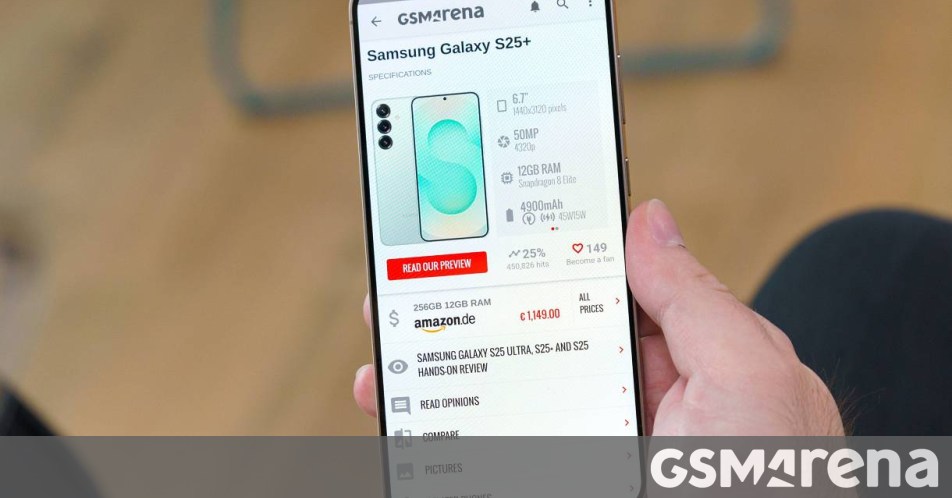
6 months agoDeals: Amazon matches Samsung's Galaxy S25 offer, beats its Galaxy Z Fold7 offer
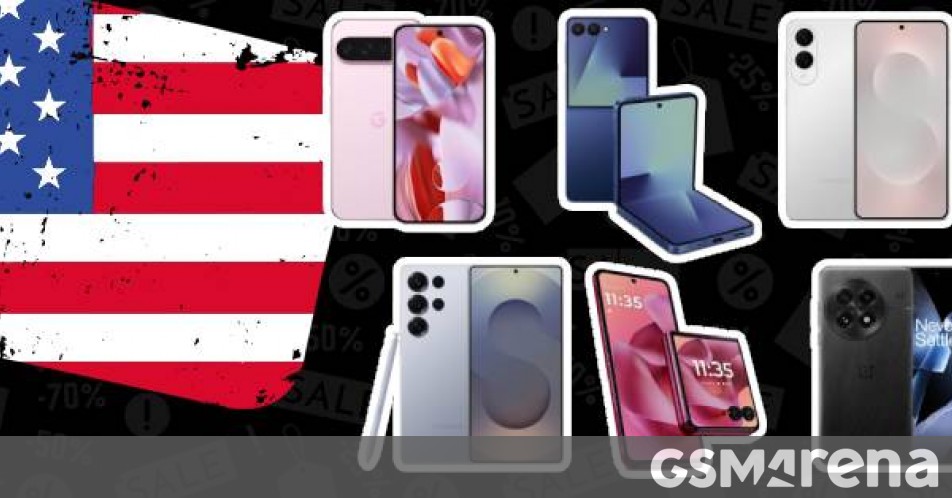
Amazon's Black Friday Week starts on Thursday, but the retailer is already offering early deals - and it's not the only one. Earlier this week, we looked at deals from Samsung US. Now Amazon is matching at least some of those. For example, the Samsung Galaxy S25+ is $838 (or $850, depending on which color you want), which is the same price as on Samsung US with the instant discount. The Samsung offer has an alternative option - trade-in credit instead of a discount.
E-Commerce
fromGSMArena.com
7 months agoDeals: the Samsung Galaxy S25 Edge is 40% off, Galaxy and Motorola foldables are also on sale
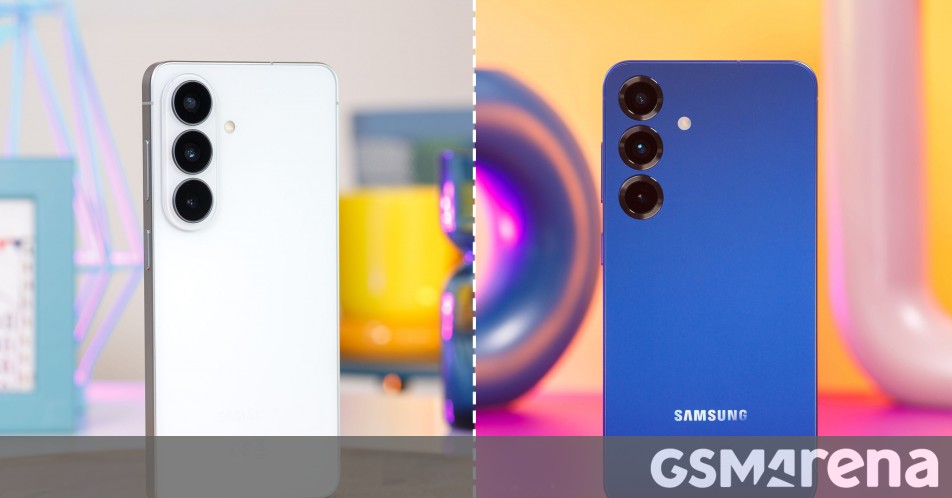
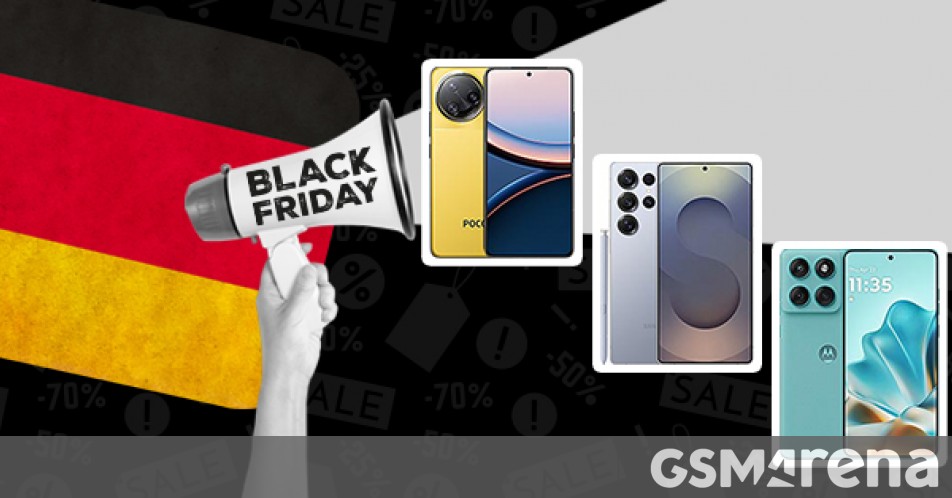
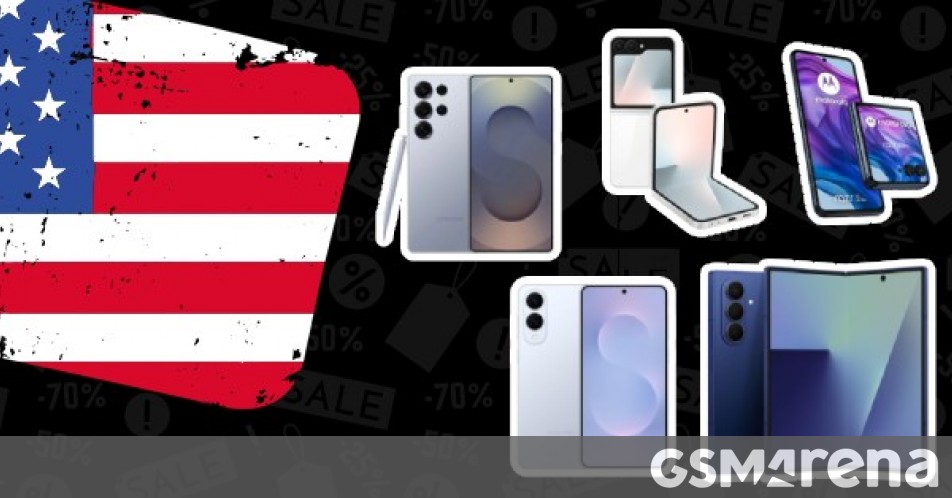
Whether or not the Edge will replace the Plus next year is unclear. Either way, 2025 has both a Galaxy S25 Edge and an S25 Plus. With how much Samsung has been pushing the Edge, the slim phone ends up costing less than its sibling, even though its MSRP is $100 higher. For a detailed comparison between the two, check out our Galaxy S25+ vs. S25 Edge article.
Gadgets
fromGSMArena.com
7 months agoTop 10 trending phones of week 40
The 17 domination continued in week 40, Xiaomi and Apple's latest flagships remaining as the most popular phones in our database. The Xiaomi 17 Pro Max retained its crown, joined by its 17 Pro sibling and the iPhone 17 Pro Max on the rostrum. Apple iPhone 17 Pro Max The 15T Pro and the vanilla 17 make it four Xiaomi phones in the top 5 - quite the achievement for the Chinese maker.
Mobile UX


fromYanko Design - Modern Industrial Design News
10 months agoSamsung Galaxy AI: How Ambient Intelligence is Redefining the Future of Smartphone Design - Yanko Design
The shift from 'smart' to 'ambient' represents a fundamental design philosophy change. Instead of users actively engaging with AI features, the technology anticipates needs, processes context, and responds proactively.
Mobile UX
[ Load more ]