#san-jose-annexation
#san-jose-annexation
[ follow ]
#san-jose #affordable-housing #homelessness #city-council #housing-development #housing-policy #san-jose-housing





#housing-policy


California
fromSan Jose Spotlight
1 month agoSan Jose mayor touts 15-point housing plan for California - San Jose Spotlight
San Jose Mayor Matt Mahan proposes a 15-point housing plan including a two-year tax holiday on local fees, 30-day permit limits, and streamlined approvals for ADUs and modular homes to accelerate California housing production.






#affordable-housing

fromSan Jose Spotlight
2 months agoReal estate
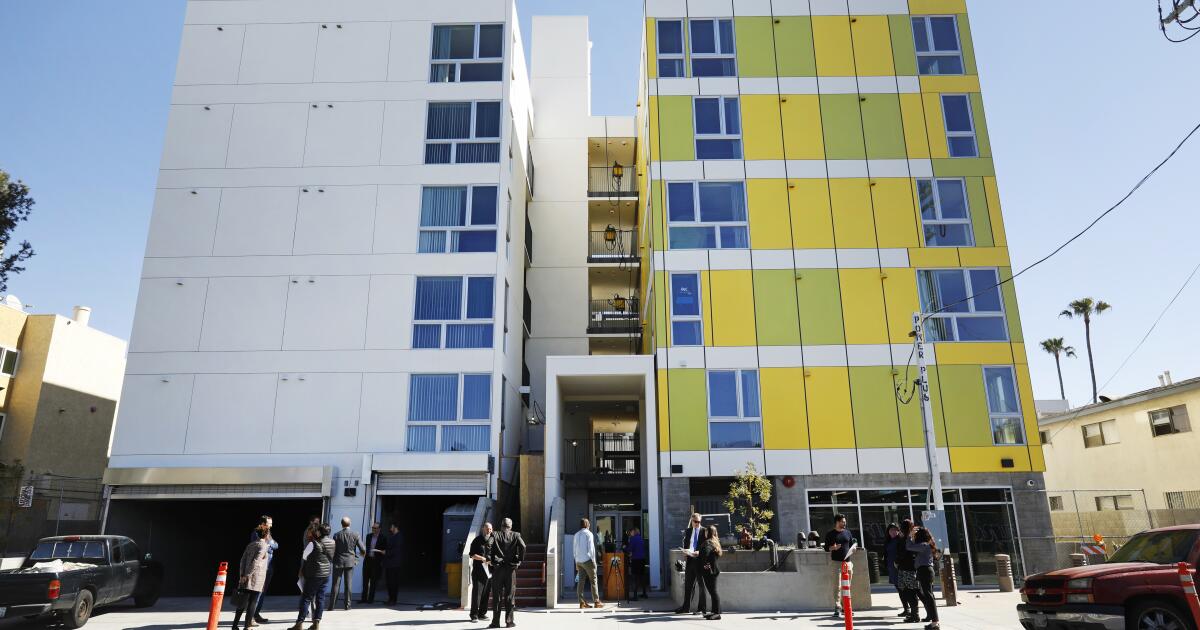
Cupertino council approves unique affordable housing project - San Jose Spotlight
Cupertino City Council narrowly approved a nonprofit housing project with 40 affordable apartments, including 19 units for adults and families with intellectual and developmental disabilities.
East Bay real estate
fromwww.berkeleyside.org
6 days agoTired of frivolous' landmark attempts, Berkeley council members want to raise bar for petitions
Berkeley City Council is considering raising the petition signature threshold for landmark designation to address concerns over blocking housing development.


California
fromStreetsblog California
6 days agoLegislation Moving to Make It Easier to Build High-Rises Near Transit in CA's Seven Largest Cities - Streetsblog California
Assembly Bill 2074 aims to facilitate high-rise housing near transit hubs in California's largest cities by streamlining approval processes.
fromSan Jose Spotlight
6 days agoSan Jose residents rally to save railroad trestle - San Jose Spotlight
"San Jose was an agricultural wonderland. They called it the Valley of Heart's Delight, and most of it has been paved over and turned into high tech now. But this is a connection to our past."
California
fromSan Jose Spotlight
4 weeks agoGaren: Why is Matt Mahan allowing San Jose public schools to close? - San Jose Spotlight
The district promised to spend its money on 'neighborhood schools.' Now, the district is preparing to close five elementary schools, displace one and break neighborhoods apart through rezoning.
Silicon Valley real estate
East Bay real estate
fromSan Jose Spotlight
1 month agoSpurred by neighbors, City Council limits Palo Alto Commons expansion - San Jose Spotlight
Palo Alto City Council approved seven additional homes for Palo Alto Commons assisted living facility, down from the developer's request of eleven, after years of resident opposition over parking, privacy, and sunlight concerns.
fromThesanjoseblog
2 months agoSan Jose Evolves Housing Policies to Unlock Fresh Neighborhood Possibilities
City leaders have adjusted the Inclusionary Housing Ordinance to breathe life into dormant projects. The update shifts affordability tiers for rental units from 50, 60, and 100 percent of area median income to 60, 80, and 110 percent, easing the path for developers to move forward. This pivot aims at households caught between subsidized options and soaring market rates, fostering a broader mix of homes that reflect the city's diverse rhythms and needs.
Real estate
fromKqed
1 month agoHousing Advocates Call This Big Plot of San Jose Land the Most Important in a Century | KQED
San José is still way behind. It's way behind on its housing, and it's way behind on its thinking about what development should look like. We either build a lot of housing on this site, and we're actually serious about solving the housing crisis, or we have elected officials and civic leaders who continue to pay lip service to housing while doing nowhere near enough to solve the real issues.
San Jose Sharks
Silicon Valley real estate
fromwww.thesanjoseblog.com
1 month agoSan Jose Advances Plans for 272 Affordable Homes Along West San Carlos Street
A 272-unit fully affordable apartment building is under development at 860 West San Carlos Street, featuring diverse unit sizes and transit-oriented amenities near Diridon Station.
fromSan Jose Spotlight
2 months agoSanta Clara County residents consider leaving the area - San Jose Spotlight
A significant number of Santa Clara County residents say they're considering leaving the Bay Area, a reflection of the persistent frustration over housing costs and affordability even as population data suggests the region is not experiencing a mass exodus. Joint Venture Silicon Valley's annual survey found 40% of respondents in Santa Clara County said they are likely to leave in the next few years, a decline from recent years when up to 57% of respondents were looking to move.
Silicon Valley
Mission District
fromSan Jose Spotlight
1 month agoRifts emerge in San Jose budget talks - San Jose Spotlight
San Jose City Council approved the mayor's budget message with an 8-3 vote, rejecting additional proposals to address affordability, homelessness prevention, and blight reduction amid a $56 million deficit.
fromwww.mercurynews.com
1 month agoSan Jose pilot program will convert nearly 200 units at downtown high-rise into housing for middle-income earners
Under the Lower Income Voucher and Equity program approved Tuesday, the city will master-lease nearly 200 units providing a subsidy that will lower rents and create more affordable housing for moderate-income households and enter into an equity agreement that will see San Jose recoup all of its investment, plus interest.
San Jose Sharks
fromSan Jose Spotlight
2 months agoOp-ed: Inclusionary for who? The quiet re-redlining of San Jose's housing policy - San Jose Spotlight
The original policy tied private development to the public good. When developers built new market‑rate housing, they had to include affordable homes, some as low as 30% or 50% of the area median income (AMI) or pay fees that helped finance deeply affordable homes elsewhere. It wasn't perfect, but it at least tried to ensure that new development included racial diversity and people at the bottom of the income ladder.
Real estate


Mission District
fromKqed
1 month agoSan Jose Council Advances Plan to Spread Homeless Shelters Citywide | KQED
San José is considering a policy to distribute homeless shelters across all neighborhoods rather than concentrating them in Downtown and South San José, though mayors worry such restrictions may slow shelter expansion.
Mission District
fromSan Jose Spotlight
1 month agoSan Jose skips housing offers for some homeless residents - San Jose Spotlight
San Jose provides preferential housing assistance to homeless people in large encampments while ignoring smaller camps, resulting in disparate treatment and prolonged homelessness for some residents.
fromSan Jose Spotlight
2 months agoSan Jose wants industrial land exempt from housing law - San Jose Spotlight
With just five months before landmark housing legislation takes effect throughout California, San Jose officials are racing to exempt broad swaths of the city from the law. Sen. Scott Wiener's Senate Bill 79, signed into law in October, aims to encourage denser housing construction around transit hubs. In San Jose, the law would cover 40,000 parcels of land, in many cases pushing up the maximum height and density limits for newly constructed residential buildings, according to city officials.
California


fromwww.mercurynews.com
2 months agoHere's what's in store for Santa Clara County in 2026
The past year ushered in a new age of fiscal challenges for the county as President Donald Trump and a Republican-controlled Congress passed legislation last summer that triggered unprecedented cuts to the federal Medicaid program. Known as Medi-Cal in California, the program provides health insurance to low-income and disabled individuals. As the operators of the second-largest county health and hospital system in the state, Trump's landmark tax-and-spending bill has left a giant hole in Santa Clara County's growing budget for the coming years.
California
[ Load more ]