#saracens
#saracens
[ follow ]
#premiership-rugby #rugby-union #rugby #premiership #premiership-womens-rugby #noah-caluori #champions-cup















fromwww.bbc.com
2 months agoBarbeary to join Saracens from Bath in 2026-27
Alfie is a highly talented young player who we are delighted to welcome to the club. His attributes and character will complement and add value to the group and we are looking forward to him realising his potential in the years ahead.
Soccer (FIFA)












fromwww.bbc.com
3 months agoEleven-try Saracens thrash Newcastle Red Bulls
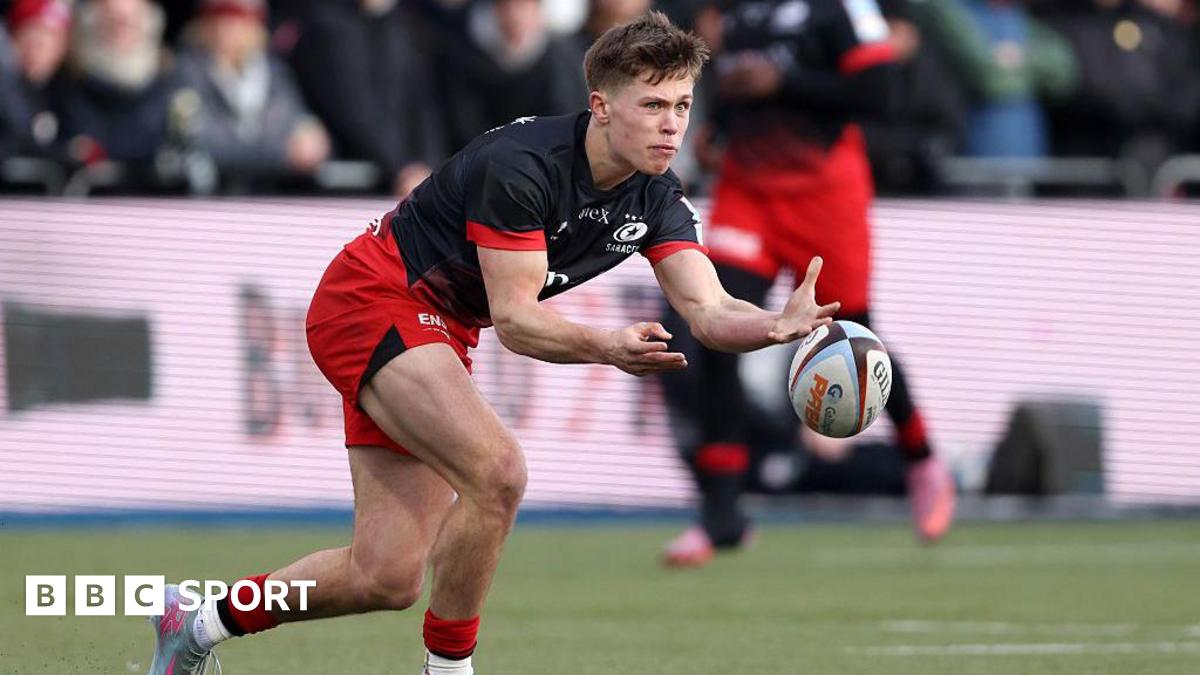
Noah Caluori scored four tries to help Saracens thump Newcastle Red Bulls 73-14 at a blustery StoneX Stadium. Sarries ran in eleven tries in their first match since it was announced long-standing director of rugby Mark McCall is to step down at the end of the season. The home side put aside a difficult opening 15 minutes against The Prem's bottom club to secure the biggest margin of victory in the competition so far this season.
UK news











fromwww.bbc.com
7 months agoSaracens prop Cleall to retire after cup final
"After an incredible 27 years, with a fair few injuries along the way, the time has come to hang up the boots and step away from playing the game I have loved since I was six years old," she told Saracens' website, external. "To finish my career by running out at the StoneX one last time, in a final against Harlequins no less, could not have been scripted any better. And to have found my way home to the club makes it even more special."
Women
fromwww.bbc.com
7 months agoSaracens thrash Bristol to extend winning start
Saracens overpowered Bristol Bears 50-17 to go top of the early-season Prem table with their second win of the campaign. The hosts raced into a 24-0 lead after just 21 minutes through converted scores from Theo Dan, Nick Isiekwe and Max Malins and Owen Farrell's penalty. Nick Tompkins clinched a try bonus point and a 31-0 half-time lead before the Bears responded with the try of the game from Kieran Marmion.
Miscellaneous





[ Load more ]