#smart-vinyl
#smart-vinyl
[ follow ]
#sustainability #vinyl-records #design #bluetooth #audio-equipment #turntables #physical-media #recycling #nostalgia
fromYanko Design - Modern Industrial Design News
4 days agoThe CD Player Is Back - And These 7 Designs Are Gorgeous - Yanko Design
Streaming hasn't killed physical media. It's made us crave it more. CDs are back in rotation, showing up in record stores, apartments, and design studios with a renewed sense of purpose.
Gadgets

.jpg)
#vinyl-records


fromYanko Design - Modern Industrial Design News
1 month agoMusic
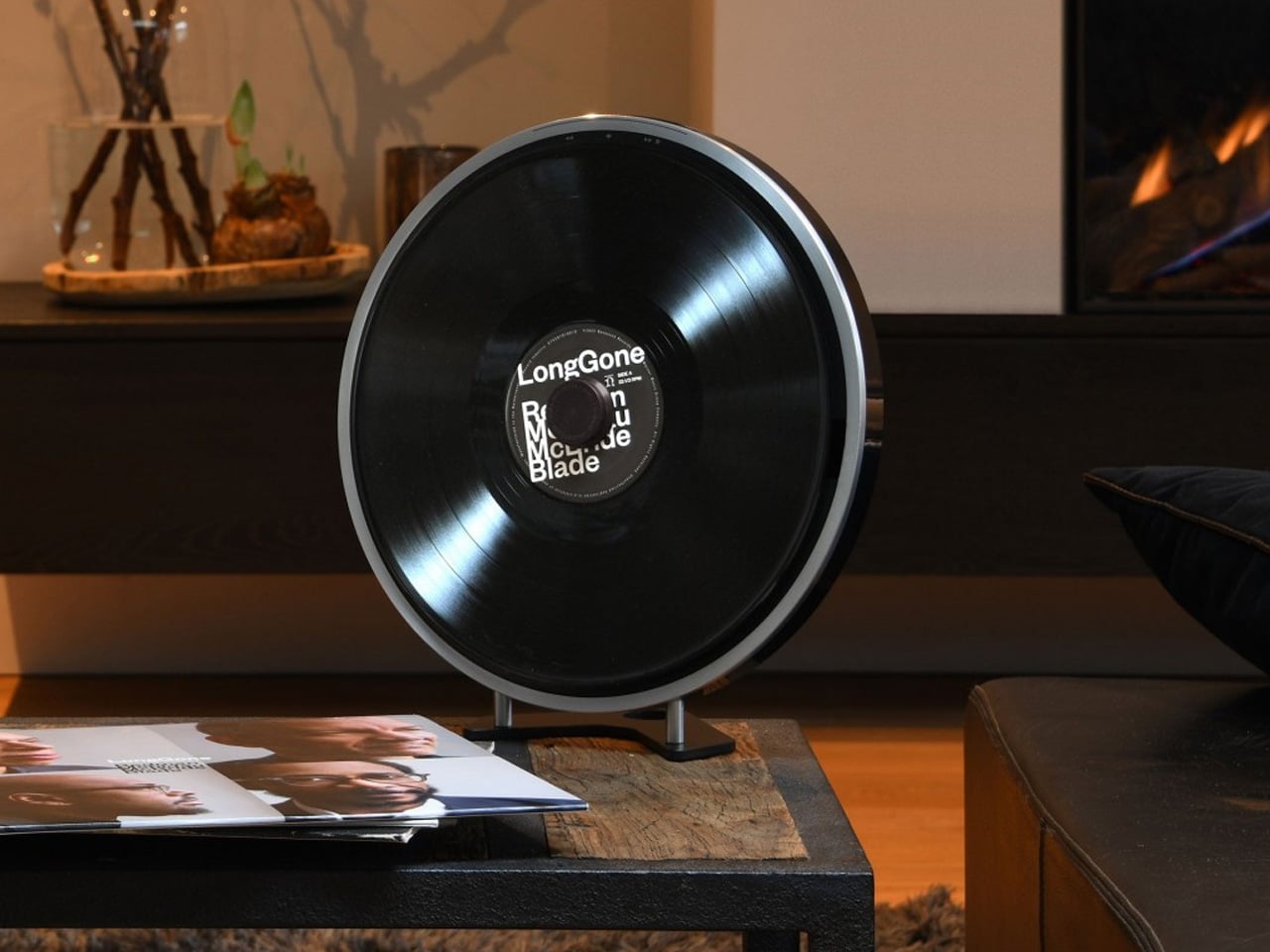
Forget Spotify: These 5 Designer Turntables Are the Real Reason Vinyl Is Having a Moment - Yanko Design
Vinyl's resurgence stems from listeners seeking intentional engagement with music through physical ritual rather than streaming's frictionless convenience.
fromYanko Design - Modern Industrial Design News
6 days agoOld Tape, New Tricks: Maxell's Cassette Player Goes Wireless - Yanko Design
The Maxell Wireless Cassette Player, known as the MXCP-P100, is a compact device that allows users to play their old mixtapes while streaming audio to Bluetooth headphones or speakers.
Gadgets
UX design
fromYanko Design - Modern Industrial Design News
1 week agoMUJI-Meets-Cyberpunk Vinyl Record Player Glows Like an Ambient Light and Charges Wirelessly - Yanko Design
Minimalism in product design has become monotonous, prompting a shift towards more expressive and functional designs that enhance interior aesthetics.
Design
fromYanko Design - Modern Industrial Design News
2 weeks agoA Ferrari-Inspired Speaker That Turns Motion Into Light and Sound - Yanko Design
ROSSO is a speaker that embodies a cinematic presence, inspired by Ferrari's design, emphasizing motion and energy through its unique illumination and form.
OMG science
fromYanko Design - Modern Industrial Design News
3 weeks agoResearchers turned Sawdust Waste and Watermelon Seeds into Recyclable Fire-resistant Panels - Yanko Design
Sawdust can be transformed into a strong, fire-retardant composite material using struvite and an enzyme from watermelon seeds.
Music production
fromYanko Design - Modern Industrial Design News
1 week agoGadhouse's $99 Miko Is the Cassette Player the Revival Needed - Yanko Design
Cassette tapes are experiencing a significant resurgence, with sales increasing over 440% in the past decade, marking a cultural movement in audio consumption.
fromArchDaily
3 weeks agoDesigning for Obsolescence in an Age of Perpetual Upgrades
In the nineteenth century, entire railway networks became obsolete almost overnight, not due to physical deterioration, but because of changes in the technical standards that supported them. The expansion of railroads across Europe and North America adopted different track gauges, and as a dominant standard gradually emerged, these infrastructures became incompatible with one another.
Renovation
fromdesignboom | architecture & design magazine
1 week agocasette tape records lo-fi songs from smartphones and replays it using portable retro player
The allure of the project is that the magnetic tape doesn't reproduce audio cleanly because the oxide coating introduces a slight instability in playback speed. But these are the 'flaws' that Iulius Curt is after, allowing the resulting sound to have that lo-fi warmth that's ideal for ambient listening.
Music production
E-Commerce
fromLondon Business News | Londonlovesbusiness.com
1 month agoHow music technology is changing the modern retail store - London Business News | Londonlovesbusiness.com
Physical retail stores are transforming into experience-driven spaces where strategic audio systems and environmental design significantly influence customer behavior and brand perception.
fromdesignboom | architecture & design magazine
1 week agowall-mounted vinyl player connects with CD and cassette decks for triple listening session
The TTT-W magnetic modular wall rack is flushed against the wall, featuring four circular magnetic pads that create a vertical design piece, unifying the audio devices.
Music production
Gadgets
fromYanko Design - Modern Industrial Design News
4 weeks agoGen Z Is Obsessed With These 5 Cassette-Era Gadgets & They Just Got a Full Design Upgrade for 2026 - Yanko Design
Streaming's abundance created a thinner listening experience; cassette-era design principles combined with modern technology offer a solution through intentional, tactile music consumption products.
fromYanko Design - Modern Industrial Design News
1 month agoThis ring-like wearable speaker has integrated magnetic earbuds for on-demand personal audio - Yanko Design
The ring-like portable speaker has a lanyard that lets users hook it onto a backpack or simply carry it around the wrist. Another option is to wear it around the neck, turning the device into a personal stereo system that surrounds the user with sound while remaining lightweight and portable.
Wearables
Gadgets
fromYanko Design - Modern Industrial Design News
1 month ago5 Best Tech Gadgets of March 2026 - Yanko Design
March 2024 gadgets prioritize subtraction over addition, with five standout products challenging conventional product design by reducing screen time, bulk, and compromise while delivering ambitious performance and functionality.
Digital life
fromdesignboom | architecture & design magazine
2 months agohigh-performance sound translates into stress-reducing smart home solution at ISE 2026
Professionally installed high-end music systems integrated into smart homes can enhance wellness by improving cognitive function and reducing stress.

fromEarth911
2 months agoGuest Idea: 7 Solutions to Give Your Old Sunglasses a Second Life
Just like that coffee cup, eyewear is a complex fusion of materials. Metal hinges are screwed into polymer frames, which hold chemically-coated lenses. This mix of metals, plastics, and coatings means standard sorting machines cannot process them. As a result, they are rejected as contamination and sent directly to landfills, where they contribute to non-biodegradable waste. Unlike a disposable paper cup, however, a pair of sunglasses is built for durability. Its high-quality components make it a perfect candidate for repair, reuse, or reinvention.
Environment
fromElite Traveler
2 months agoEar Cuff or AI Tech Accessory? The Evolution of Wearable Audio
For years, innovation in earbuds centered on sound quality, battery life, and noise cancellation, while aesthetics converged on a single in-ear silhouette. Today, designers and brands are challenging that orthodoxy, reimagining earbuds as jewelry-adjacent objects that sit visibly on the ear, more ear cuff than invisible tech. The idea of elevating earbuds into luxury objects is not new. Over the past decade, bespoke jewelers have produced gold-plated AirPods, diamond-encrusted headphones, and one-off couture audio pieces intended as collector's items or status symbols.
Wearables
Music
fromYanko Design - Modern Industrial Design News
1 month agoThese $40-$299 Cassette Players Just Crushed Spotify's Algorithm - Yanko Design
Cassette player searches have surged over 1,281%, driven by millennials and Gen Z seeking deliberate listening experiences away from algorithmic playlists and infinite streaming options.
fromYanko Design - Modern Industrial Design News
2 months agoThis 3D-Printed Headphone Celebrates Every Tangle We Hated - Yanko Design
Remember the pocket archaeology of untangling your headphones every single time you pulled them out? That split second of dread when you'd fish them from your bag only to discover they'd somehow tied themselves into impossible knots? Designer Aleš Boem remembers. But instead of trying to solve that universal frustration, he's immortalized it. His project, Tangled Headphones for print, takes that chaotic mess of wires we all spent years battling and transforms it into something worth looking at.
Design
Design
fromYanko Design - Modern Industrial Design News
2 months agoWhy Your Boring Black TV Deserves This Retro Wooden Upgrade - Yanko Design
A mid-century modern solid sapele wood TV cabinet offers authentic design, quality craftsmanship, storage for soundbar and consoles, sized for 32-inch TVs and cozy rooms.
Music
fromdesignboom | architecture & design magazine
2 months agovintage reel-to-reel tape player returns as modern wooden synthesizer by love hulten
A wooden RGB synthesizer combines vintage reel-to-reel visual cues with stepper-motor-driven red, green, and blue rotating discs and three stacked keyboard rows.
Design
fromdesignboom | architecture & design magazine
2 months agowearable collection repurposes leftover leather powder as translucent composite material
OBRO converts leather manufacturing offcuts into semi-transparent PVC composite by embedding finely ground leather powder to create visually layered, tactile, durable sheets.
Gadgets
fromYanko Design - Modern Industrial Design News
2 months agoSpotify Record Player brings tactile experience of enjoying vinyls to the streaming world - Yanko Design
A Raspberry Pi-powered desk player uses RFID/NFC, a stepper motor, hall-effect sensing, and 3D-printed parts to play Spotify via miniature vinyl coasters.
Design
fromdesignboom | architecture & design magazine
1 month agowooden music cabinet by love hulten plays vertical vinyl and casette tapes in one device
A handcrafted wooden cabinet plays vinyl vertically and stores vertically stacked cassette tapes with color-coded modern controls and retro-modern styling.
Gadgets
fromYanko Design - Modern Industrial Design News
2 months agoSony releases two new Bluetooth turntables to spark Gen Z's love for vinyl - Yanko Design
Sony introduced two easy-to-use Bluetooth turntables, PS-LX3BT and PS-LX5BT, targeting new vinyl listeners with wireless aptX codecs and built-in phono equalizers.
fromYanko Design - Modern Industrial Design News
2 months agoA Digital Music Player with FLAC Files and a Built-In Speaker - Yanko Design
There's something oddly comforting about watching the vinyl resurgence happen in real time. We've collectively decided that convenience isn't everything, that sometimes the ritual matters as much as the result. But while turntables have been getting their moment in the spotlight, another piece of audio history has been quietly staging its own comeback: the dedicated digital audio player. Enter the DAP-1, a concept device from Frankfurt-based 3D artist
Gadgets
fromdesignboom | architecture & design magazine
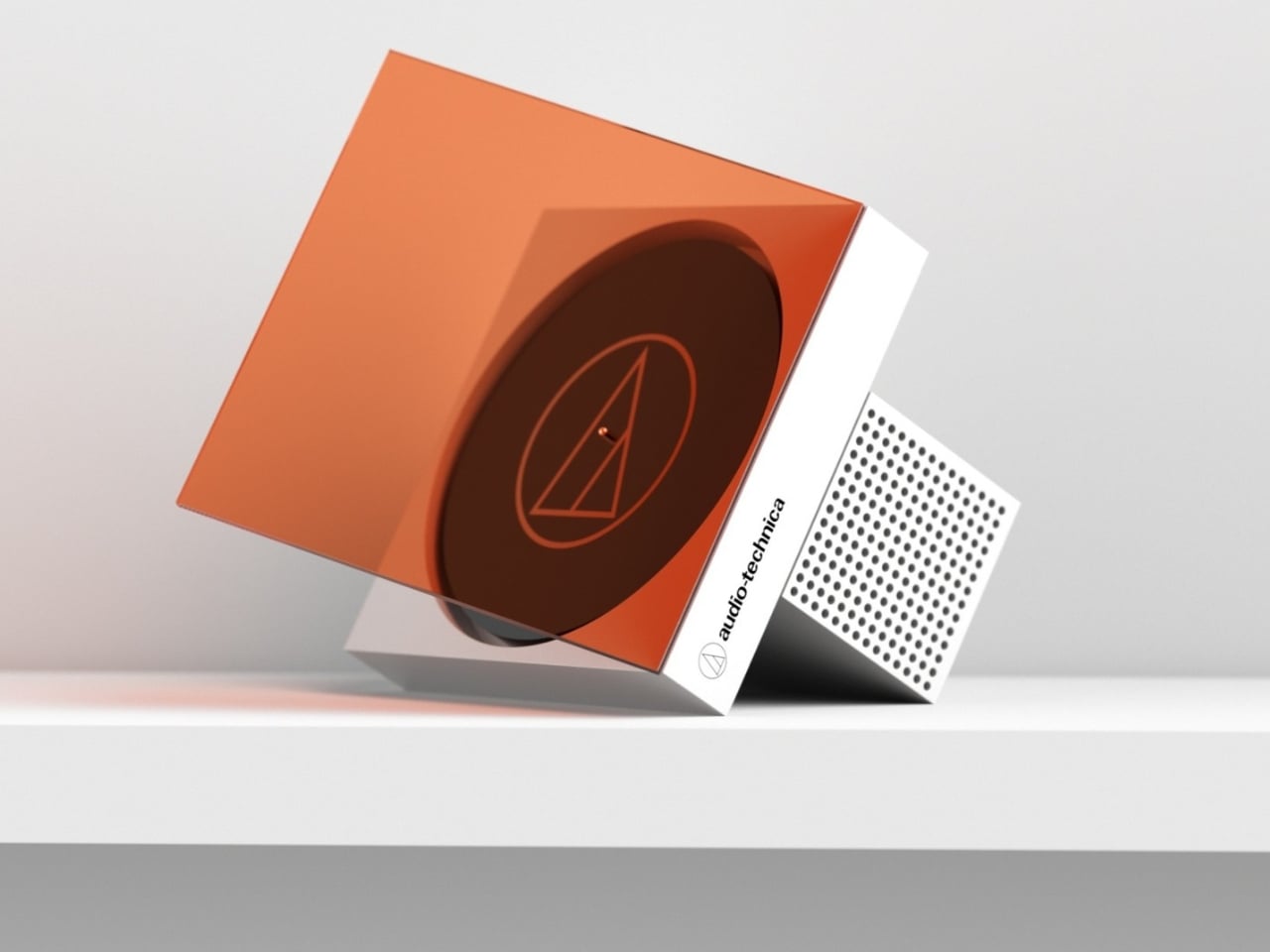
1 month agomodern audio player restores the physical form of music using disc-shaped cartridges
It's similar to a vinyl record, but the tracks are in a USB drive. It has no moving parts inside, so it's totally digital in how it stores sound. But it has a physical shape users can hold, flip over, look at, and collect, so in a way, the designer is asking: what if digital music had a physical body?
Music production

fromEsquire
2 months agoThese Portable CD Players Combine Modern Tech and Retro Tactility
Chances are this does exactly what you need. It will play your old CDs, your new CDs, your homemade mixtapes, the whole nine yards. You can even listen wirelessly thanks to onboard Bluetooth. It's got a decent battery life that can last you up to six hours, and it uses a USB-C to recharge. We usually have one of those on hand.
Gadgets
fromWIRED
2 months agoI Have Fallen in Love With Open Earbuds (and You Should Too)
They're called open earbuds (or open-ear buds, depending on the brand), and just about every audio brand has a pair (or three). They come in a slew of styles, but most either loop around your ears like older Beats buds, or clip on like funky-futuristic earrings. Whatever the style, they're designed to deliver satisfying sound while keeping your ear canals open to the sounds of the world around you.
Gadgets
Music production
fromdesignboom | architecture & design magazine
1 month agoelectric guitar-shaped turntable spins vinyl records on frosted platter and wooden base
Clearaudio creates an electric guitar-shaped turntable honoring jazz artist Al Di Meola, featuring high-density wood fiber construction, frosted platter, and advanced vibration isolation through IMS light motor suspension with O-rings.
fromZDNET
2 months agoThe email from Bose that should have made me angry - but turned me into a fan instead
Bose SoundTouch was first launched in 2013, with prices ranging from $399-$1,500. During the initial launch, it was announced that support for the devices would last for 13 years. That time has come. Bose SoundTouch announced in October 2025 (via an email) that all SoundTouch speakers would become "dumb" speakers on Feb. 18, 2026. Once that date hits, the speakers will stop receiving updates (including those for security), and the only way they will work will be via HDMI, Aux, or Bluetooth connections.
Gadgets
[ Load more ]