#suburban-commercial-development
#suburban-commercial-development
[ follow ]
#real-estate #affordable-housing #urban-planning #new-york-city #housing-development #housing-market
Washington DC
fromWashington Blade: LGBTQ News, Politics, LGBTQ Rights, Gay News
9 hours agoHow to navigate shifting tenant expectations
Tenant expectations are evolving, emphasizing sustainability, affordability, technology, and community amenities, necessitating adaptation by property managers for long-term success.





#housing-market
Real estate
fromFast Company
1 day ago20 major housing markets with enough inventory to create homebuyer deals later this year
Most regional housing markets have rising listings but remain below pre-pandemic inventory levels, affecting home price growth differently across regions.

SF real estate
fromFortune
1 day agoThe 'affordability economy' has created a housing market nobody predicted: Prices collapsing in the Sun Belt, soaring in the Rust Belt | Fortune
U.S. housing market is experiencing a significant decline in prices after a post-pandemic boom, with projections for continued decreases.
#real-estate

Marketing tech
fromwww.housingwire.com
4 days agoWhy being visible is no longer enough for real estate agents
Personal branding in real estate has lost its effectiveness due to widespread accessibility and automation of content creation.
Real estate
fromwww.housingwire.com
3 days agoWhy real estate investors are done waiting
In competitive real estate markets, speed and certainty are prioritized over lower rates by investors seeking to secure deals quickly.
fromwww.standard.co.uk
4 days ago1,500 new homes on Greenwich peninsula set for green light
Galliard Homes reduced the amount of affordable housing in the project's housing stock from 35 per cent to just 10 per cent, citing increased construction costs and changing building regulations as key factors.
LA real estate
fromtherealdeal.com
4 days agoThe Daily Dirt: Meet the new head of City Planning
I understood at a very early age how much place matters and how impactful government services can be on one's life. The Mayor's Office of Equity and Racial Justice was really focused on working with agencies to think about how they're addressing inequity, whether it's through budget as a lever or personnel as a lever, procurement, policymaking. But land use is a lever as well.
NYC politics
New York City
fromStreetsblog New York City
2 hours agoMonday's Headlines: A Century of Days Edition - Streetsblog New York City
Mayor Mamdani's 100th day in office included commitments to waste containerization and a city-owned grocery store, while addressing misconceptions about his governance style.
fromBusline News
5 days agoMessage From 2026 UMA EXPO: Fast-Moving Policy Environment Requires Education & Determination - Busline News
"We're watching action, reaction, and counterreaction almost daily, and the policy environment is moving incredibly fast," noted Glenn Every, emphasizing the urgency of staying informed.
Alternative transportation
#housing-development
Boston real estate
fromwww.amny.com
3 weeks agoExpert Analysis
Cities can unlock 100,000+ housing units by leveraging 50+ million square feet of unused development rights on municipal properties and transit facilities through strategic air-rights deployment and alternative ownership models beyond traditional ground leases.
NYC real estate
fromwww.amny.com
1 month agoOp-Ed | A defining moment for Sunnyside Yards and New York's economy | amNewYork
Sunnyside Yards development in Queens represents a critical opportunity to address New York's housing crisis by creating 12,000 homes and thousands of union jobs while supporting local economic competitiveness.
fromwww.housingwire.com
4 days agoRancho Mission Viejo sets up last all-age phase at Rienda ahead of next growth wave
The last Rienda release concentrates on three all-age neighborhoods scheduled to grand open in fall 2026: Sunflower by Trumark Homes, Indigo by Lennar, and Primrose by Shea Homes, each offering a range of family-oriented home designs.
LA real estate


fromFast Company
3 weeks agoIf you want housing abundance, let the market work
Good urbanism should transcend politics. Socialists and capitalists can walk the same neighborhood and agree it's a pleasant place to live. They can each appreciate the tree canopy, the corner café with people spilling onto the sidewalk, the mix of ages on bikes and on foot, the architectural details of older buildings, and so on.
Philosophy
fromYanko Design - Modern Industrial Design News
3 days agoThe Tiny Home That Proves You Don't Have to Downsize Your Family to Downsize Your Life - Yanko Design
The Harmony measures 34 feet long and 8.5 feet wide, making it road-legal across North America without a special permit. Inside, the floor plan stretches to 423 square feet, thoughtfully designed for family living.
Real estate
fromBrooklyn Paper
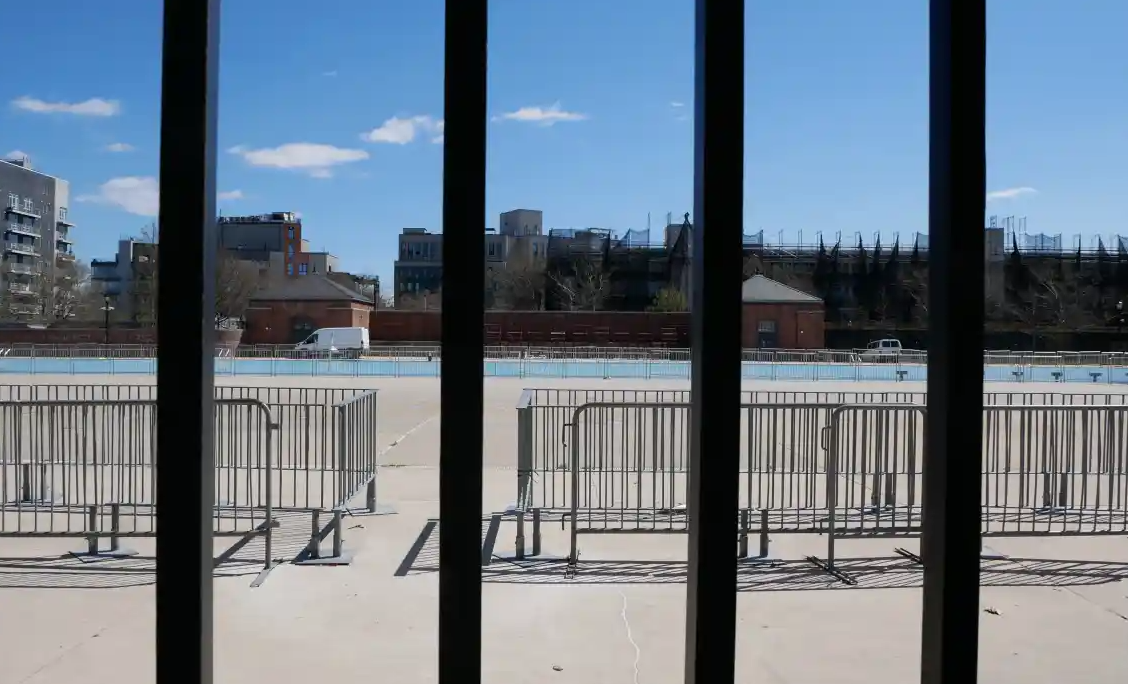
5 days agoWhere are Brooklyn's "recreation deserts," and what can be done to fix them? * Brooklyn Paper
"Brooklyn has always been a place where movement is part of daily life. But today, Brooklynites, like all New Yorkers, are moving less, feeling more isolated and dealing with elevated rates of chronic diseases."
Brooklyn
fromwww.housingwire.com
3 weeks agoHow Public Financing Wins Projects Before You Build
Through Community Facilities Districts (CFD), Municipal Utility Districts (MUD), Public Improvement Districts (PID), Community Development Districts (CDD) and reimbursement districts (RD), builders can potentially shift infrastructure costs off their balance sheets and onto special districts that homebuyers ultimately absorb through property taxes without potentially adding debt to the builder's books.
LA real estate
Real estate
fromInc
3 weeks agoWhy Connectivity Is the New 'Location' in Commercial Real Estate
Digital infrastructure and connectivity now rival or surpass traditional location as the primary factor determining real estate value for business properties, with 96% of U.S. business leaders willing to pay premium prices for reliable connectivity.
fromForbes
1 month agoTransit-Oriented Housing On Track For Continued Growth
Once a nice-to-have niche urban design concept, TOD has become an essential part of many urban neighborhoods. It has helped address the shortage of housing by enabling the development of higher-density residential communities near transit stations. It has helped revitalize countless once-deteriorating or static urban enclaves near transit hubs by activating sidewalks near the developments. And it has spurred walking and transit use, enabling residents of TODs to reduce or eliminate automobile dependency.
Real estate
[ Load more ]