#texas-bar-exam
#texas-bar-exam
[ follow ]
fromAbove the Law
1 day agoDue North: Navigating Legal Licensing In Canada For US Lawyers - Above the Law
An ever-increasing number of families are looking to leave the United States for what they perceive to be greener pastures. Social media groups dedicated to becoming an expat are booming, lawyers (and other professionals) are looking for alternative career paths and routes to legal residency abroad.
Canada news
#law-school-rankings



Law
fromAbove the Law
1 month agoNew Novel Skewers Law School Rankings, Faculty Politics, And When Legal Education Gets Kinky - Above the Law
Michael Orey's novel Dean's List satirizes the cutthroat world of law school rankings and administration, drawing from his two decades of experience navigating institutional politics and PR in legal academia.


#legal-ethics
Law
fromAbove the Law
4 days agoLegal Ethics Roundup: Billing 34.5 Hours In A Day, New ABA Recusal Opinion, Shortcomings In SCOTUS Ethics Rules, Pro Se AI Sanctions, Extra Time For Bar Exam, Purging Immigration Judges & More - Above the Law
Lawyers must disclose information that could lead to a judge's disqualification, balancing this with client confidentiality obligations.

Higher education
fromAbove the Law
4 days agoTrump Admin Lawyer Applies To Be Law School Dean, Suggests It Might Help Investigations Go Away - Above the Law
Joshua Kleinfeld's application for dean at George Mason University raises ethical concerns amid ongoing investigations into the university's DEI policies.




Education
fromAbove the Law
4 weeks agoWhat Law Firm Training Can Learn From AI Classrooms - Above the Law
Classroom environments reveal AI tool failures faster than law firm practice because students lack billable pressure and immediately disengage from ineffective systems, providing early warning signals that firms would miss.
#cle-follow-up-strategy
Online Community Development
fromAbove the Law
1 month agoThe CLE Afterparty: Keeping The Conversation - And Connection - Going - Above the Law
Provide valuable supplementary resources and personalized consultations after CLE presentations to transform single events into ongoing professional relationships and networking opportunities.

Online Community Development
fromAbove the Law
1 month agoThe CLE Afterparty: Keeping The Conversation - And Connection - Going - Above the Law
Provide valuable supplementary resources and personalized consultations after CLE presentations to transform single events into ongoing professional relationships and networking opportunities.
US politics
fromAbove the Law
1 month agoBondi Says She's The Bar Now - Above the Law
Attorney General Bondi's directive requiring DOJ lawyers to advocate for the president regardless of ethics or legality has caused severe staff depletion and judicial backlash over unlawful immigration detention practices.
fromIPWatchdog.com | Patents & Intellectual Property Law
1 month agoWhen Lawyers Need Help: Supporting Colleagues While Protecting Clients
The legal profession rewards endurance, precision and control. It also quietly normalizes stress, isolation and overextension. For patent practitioners and other IP lawyers, the pressures are uniquely acute: compressed prosecution deadlines, high-stakes litigation exposure, often unrealistic client-driven budget constraints, regulatory whiplash at the U.S. Patent and Trademark Office (USPTO), and increasingly complex technologies layered with global filing and prosecution strategy.
Intellectual property law
Law
fromAbove the Law
2 weeks agoBiglaw To D.C. Circuit: This Isn't Just About Us - It's About Whether The President Can Put Lawyers On A Leash - Above the Law
The fight over Trump-era executive orders targeting Biglaw firms intensifies as firms argue these orders threaten constitutional independence and the rule of law.
US politics
fromAbove the Law
2 months agoFlorida And Texas Break From ABA On Law School Accreditation (And What Banning Plato Has To Do With It) - Above the Law
Florida's Supreme Court ended exclusive ABA accreditation, allowing alternative law school accreditors to promote access, affordability, and commitments to free exchange of ideas and nondiscrimination.
Higher education
fromAbove the Law
1 month agoThe Law Schools That Are Working The Hardest To Expand The Pipeline To The Legal Profession - Above the Law
Law schools are being recognized for expanding access to legal education through admissions innovation, affordability, flexible programs, and student support rather than traditional prestige metrics.


fromThe Atlantic
2 months agoClosing the Gap in American Schools
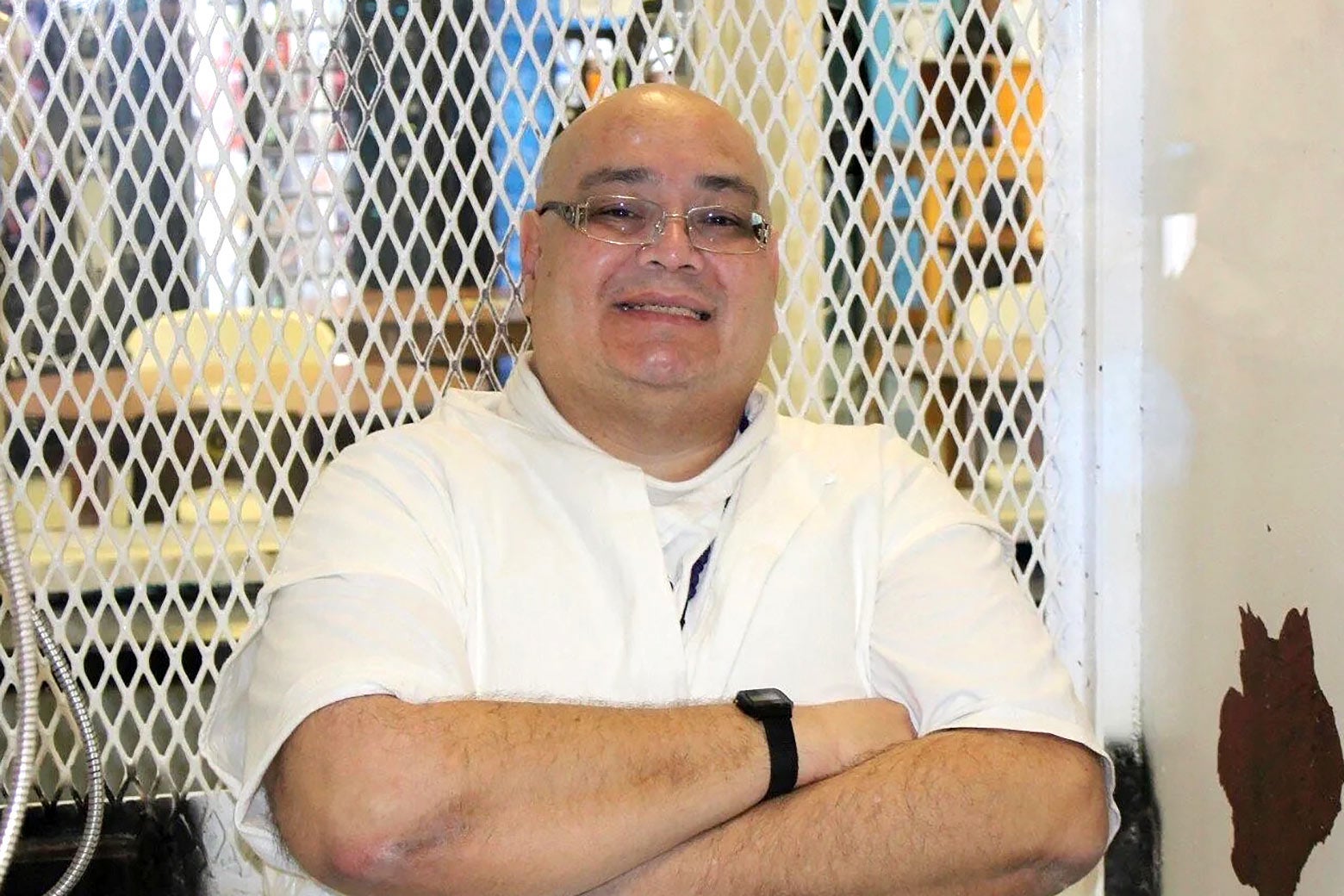
On a chilly day before Christmas, Teresa Rivas helped a tween boy pick out a new winter coat. "Get the bigger one, the one with the waterproof layer, mijo," she said, before helping him pull it onto his string-bean frame. Rivas provides guidance counseling at Owen Goodnight Middle School in San Marcos, Texas. She talks with students about their goals and helps if they're struggling in class. She's also a trained navigator placed there by a nonprofit called Communities in Schools.
Education
US politics
fromwww.theguardian.com
2 months agoTexas sues Delaware nurse practitioner accused of mailing abortion pills across state lines
Texas sued nurse practitioner Debra Lynch seeking to block her from mailing or facilitating abortions into Texas, citing state law allowing only physicians in emergencies.
US politics
fromSlate Magazine
3 months agoOne of the Most Significant Texas Abortion Bans Might Be Facing a Major Loss in Court
S.B. 8 enabled private bounty lawsuits and spurred nationwide abortion enforcement and censorship efforts, but more sweeping criminal bans and pill-targeting laws now supersede it.
fromSlate Magazine
1 month agoTexas Is Prosecuting a Midwife for Abortion. Its Case Is Already Falling Apart.
Since the fall of abortion rights, no abortion provider has been convicted of violating a state ban. Proceedings underway in Texas might soon change that. Last March, Ken Paxton, Texas' Republican attorney general, filed civil and criminal charges against a Houston midwife, accusing her of performing illegal abortions and practicing medicine without a license. Texas law permits penalties of up to life in prison for performing abortions. The midwife, Maria Margarita Rojas, has responded that the state just can't prove their case.
US politics

Law
fromLos Angeles Times
1 month agoDTLA law firm co-founder faces California State Bar charges for alleged out-of-state practice
California State Bar charged Downtown LA Law Group founding partner Salar Hendizadeh with illegally practicing law in multiple states without proper licensing and deceptive advertising practices.
Higher education
fromAbove the Law
2 months agoIt's Time For Future Law Students To Say Goodbye To The Remote LSAT - Above the Law
LSAC ended remote LSAT testing and returned to in-center-only testing to curb widespread cheating, preserving fairness for honest applicants, with limited exceptions for accommodations.
fromPinkNews | Latest lesbian, gay, bi and trans news | LGBTQ+ news
2 months agoA Texas university just scrapped its women's and gender studies course
In a letter sent to faculty and staff obtained by KBTX, Provost and Executive Vice President Dr. Alan Sams said the decision was made "as part of the broader implementation of the recently updated Systems policy". He claimed that the Texas university "made the difficult decision to begin winding down the Women's and Gender Studies (WGST) academic programs, including the BA, BS, Graduate Certificate and the Minor", claiming it was due to "enrolment over the past several years".
Higher education
fromAbove the Law
2 months agoTop Law School Launches AI Cert Program - Above the Law
Boston University School of Law is preparing to launch an AI certificate program in fall 2026 as part of a broader initiative aimed at training future lawyers in the ethical and effective use of AI technologies. The initiative reflects a growing recognition within legal education that AI is becoming deeply embedded in legal research, writing, and practice. Law school administrators say the program is designed not only to familiarize students with emerging tools, but also to address the ethical and professional challenges that accompany them.
Higher education
fromInside Higher Ed | Higher Education News, Events and Jobs
2 months agoHouston Faculty Must Pledge Not to "Indoctrinate" Students
In a November email to faculty, Houston president Renu Khator wrote that the university's responsibility is to "give [students] the ability to form their own opinions, not to force a particular one on them. Our guiding principle is to teach them, not to indoctrinate them." The recent memo, sent by college dean Daniel O'Connor, asks faculty to "document compliance" with Khator's note.
Higher education
fromAbove the Law
2 months agoCourtroom Competence Isn't Included With A Law Degree - This Program Pays Law Students To Get It Right - Above the Law
Lindsey Halligan, the former insurance attorney who spent some time "masquerading" - to use a federal judge's words - as the U.S. Attorney for the Eastern District of Virginia attempted to ramrod criminal cases against Donald Trump's political enemies and failed spectacularly. Halligan botched the grand jury process, submitted an indictment that the full grand jury never saw, and got two cases dismissed simultaneously.
Law
fromAbove the Law
2 months agoThe Moment Legal Found Out What 'Ready' Really Means - Above the Law
A year or so ago, most legal departments were still testing. AI pilots. Workflow trials. Small process experiments. Everyone was learning cautiously. The stakes were relatively low, and the work was labeled "innovation," which made imperfection forgivable. Then something shifted. Those same pilots became part of day-to-day delivery, and the business started relying on them. Sometimes intentionally, because early results looked good.
Law
Law
fromAbove the Law
1 month agoThe Daily Practice: 100 Lessons For The Young Lawyer - Above the Law
Consistent effort, disciplined habits, ownership, preparation, and perseverance produce practical courtroom and professional success; actionable, experience-based lessons emphasize showing up, learning, and verifying details.
Law
fromAbove the Law
2 months agoWhat Anthropic's Release Of Claude Legal Skills Means For Solos And Smalls: Nothing - Above the Law
Anthropic's legal plug-ins threaten enterprise legal tech, but solo and small law firms likely remain with legal-specific or general-purpose tools due to entrenched practices.
[ Load more ]