Business intelligence
fromComputerworld
1 month agoChina's use of opensource AI threatens the US lead in AI development, US Commission warns
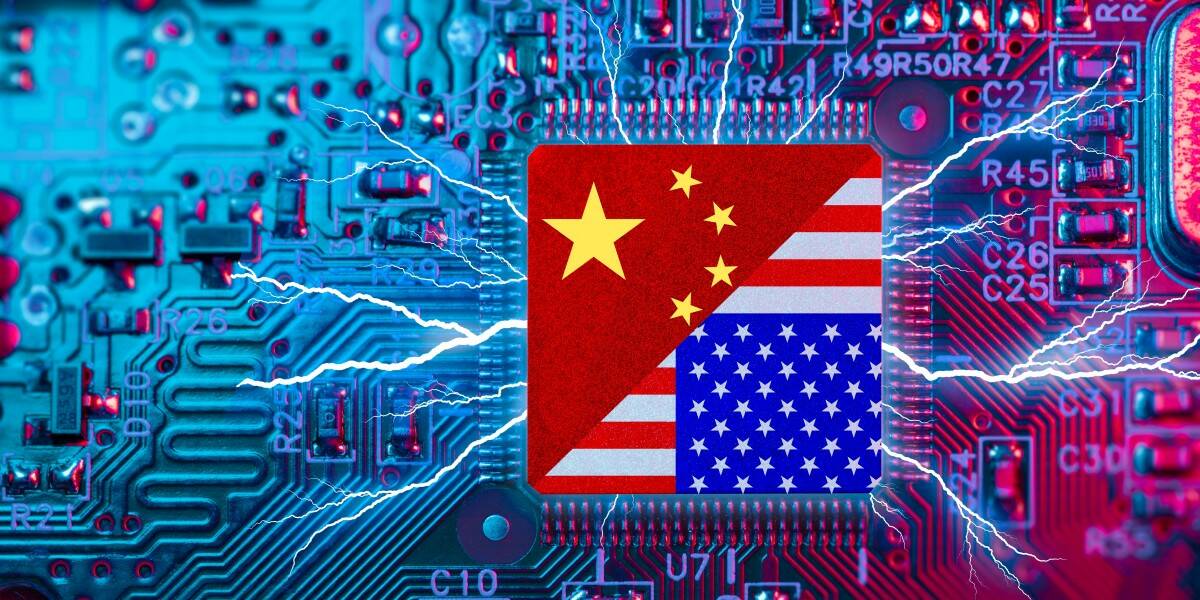
China's open-source AI strategy creates a competitive advantage that US export controls fail to address.
The model, released on Tuesday, marks the first time a state-of-the-art multimodal model completed its full training cycle on Chinese-made chips, Zhipu said in a statement. The Beijing-based company trained the model on Huawei's Ascend Atlas 800T A2 devices using the MindSpore AI framework, completing the entire pipeline from data preprocessing through large-scale training without relying on Western hardware.
The United States has granted Samsung and SK Hynix permission to continue shipping chip manufacturing equipment to their factories in China in 2026. This gives the two South Korean chipmakers temporary breathing space in an increasingly complex geopolitical playing field, where export restrictions and technological rivalry set the tone. According to SiliconANGLE, the approval comes in the form of an annual license. This is a clear break with the previous policy, which granted certain large chip companies long-term exemptions.
The US government is reportedly considering new export controls that could block a wide range of products made with US software from being shipped to China, in what could become one of Washington's most sweeping trade measures to date. If implemented, the move could disrupt global technology supply chains and heighten uncertainty for multinational manufacturers that rely on US-developed software across their operations.
First reported by the Wall Street Journal Friday, the ecommerce giant's latest chip is aimed specifically at AI inference, which refers to serving models as opposed to training them. Alibaba's T-Heat division has been working on AI silicon for some time now. In 2019, it introduced the Hanguang 800. However, unlike modern chips from Nvidia and AMD, the part was primarily aimed at conventional machine learning models like ResNet - not the large language and diffusion models that power AI chatbots and image generators today.